

-
 IEBC BANS CAMPAIGNS BEFORE MAY 29, 2027
-
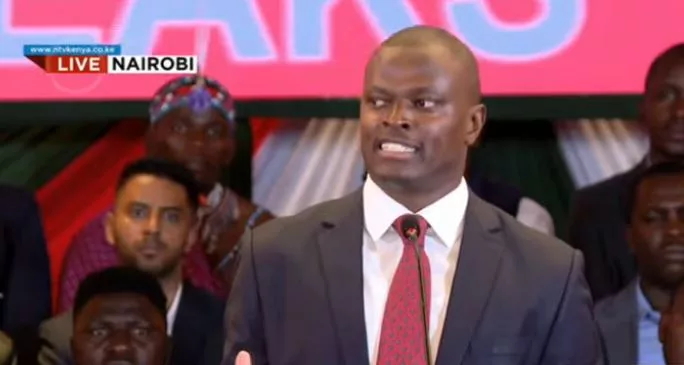 Ndindi Nyoro joins opposition after UDA exit
-
 RONALDO AND GEORGINA FLAUNT WEDDING RINGS
-
 DIAMOND’S FORMER DJ RESCUED FROM STREETS
-
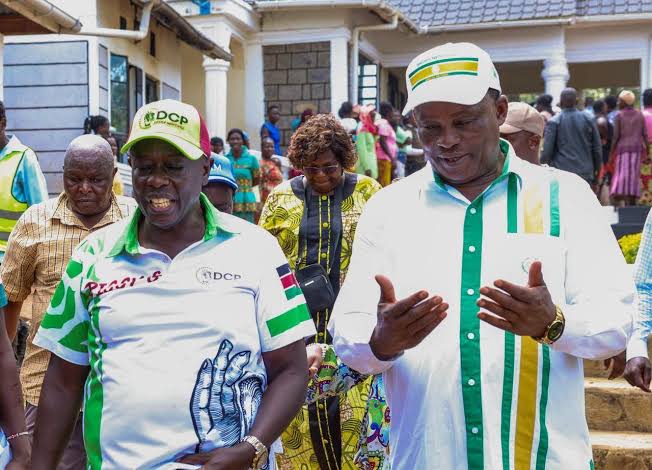 MUTURI REJECTS GACHAGUA’S ‘HYENA COALITION’
-
 YUNGE’S ALLEGED EX CRIES FOUL AFTER CHARLENE’S WEDDING
-
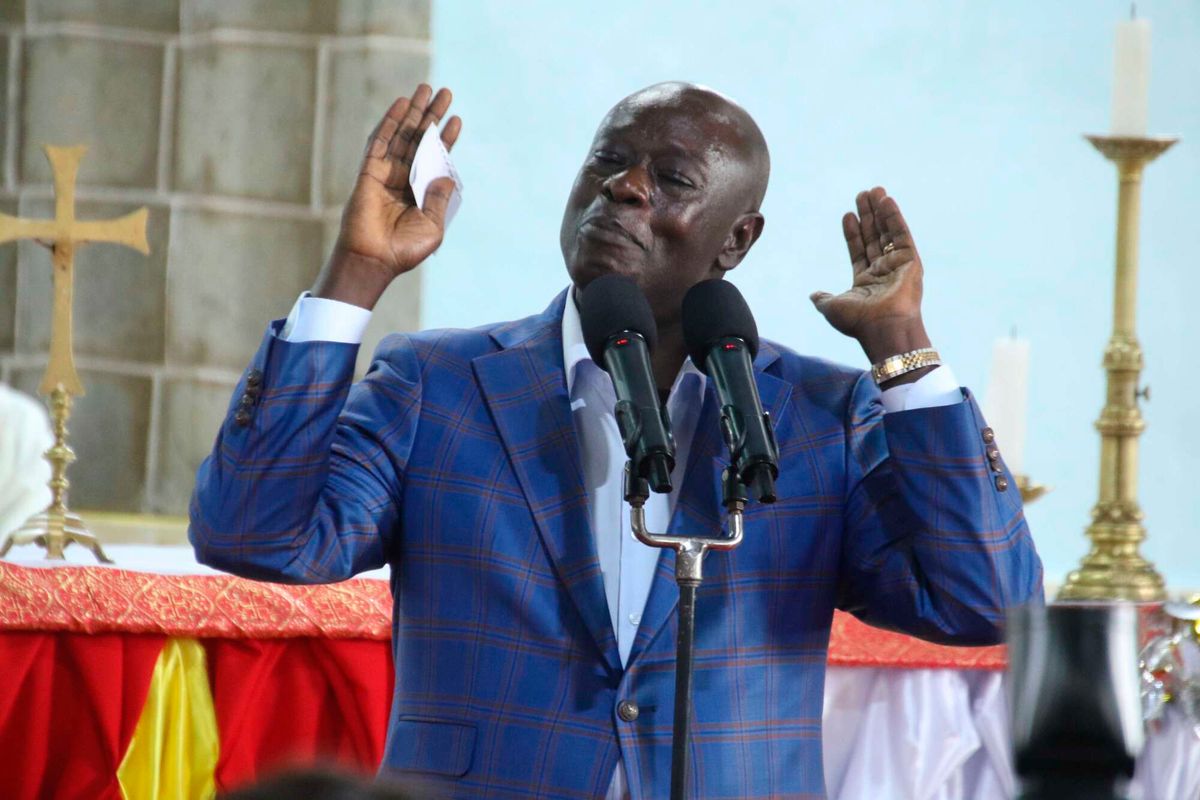 GACHAGUA PROPOSES 'THE HYENA COALITION '
-
 MP KAGUCHIA PLEADS NOT GUILTY TO INCITEMENT CHARGE
-
 DIAMOND, ZUCHU WELCOME BABY GIRL
IEBC BANS CAMPAIGNS BEFORE MAY 29, 2027
The Independent Electoral and Boundaries Commission (IEBC) has drawn a firm line on early electioneering, warning political parties, aspirants and their supporters against campaigning before May 29, 2027.
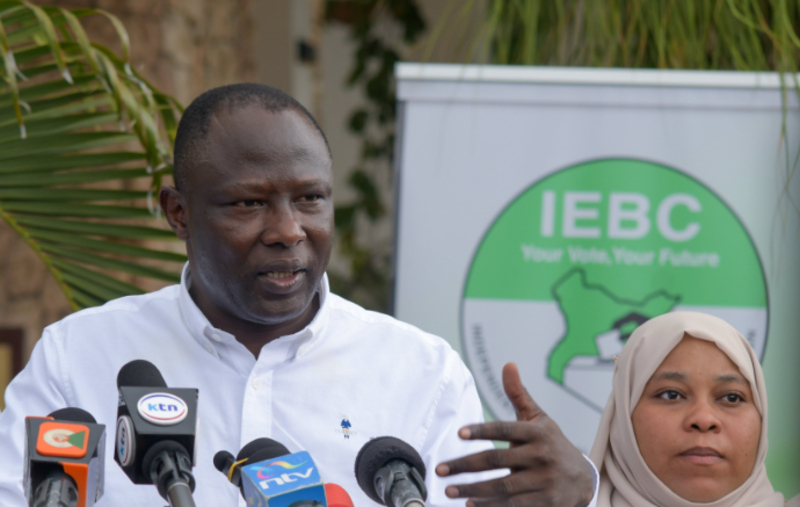
IEBC Chairperson Erastus Ethekon said the official campaign period for the August 10, 2027 General Election will only begin after candidates have been registered by the Commission, and not before May 29. Campaigns will close on August 7, three days before Kenyans head to the polls.
The warning comes as political activity continues to gather momentum across the country, with prospective candidates already holding public meetings and building their political networks.
According to Ethekon, the restriction covers more than conventional political rallies. The display of campaign posters and billboards, political caravans and other forms of electioneering outside the authorised period will be considered unlawful.
“The law prescribes when election campaigns may commence,” Ethekon said, urging political parties, candidates and their supporters to observe the electoral laws and regulations.
The IEBC has also reminded politicians that places of worship and burial ceremonies cannot be turned into campaign platforms during the election period.
The Commission warned that breaching the Electoral Code of Conduct could trigger a range of sanctions.
These include warnings and fines, restrictions on public meetings, demonstrations and marches, limitations on the use of public media allocated for electoral purposes, and restrictions on the distribution or display of campaign materials.
Serious or persistent violations could have even bigger consequences, including barring an individual or political party from participating in an ongoing or future election. Where violations involve violence, intimidation or gross and systematic breaches, the Commission may seek intervention from the High Court.
The Electoral Code of Conduct Enforcement Committee will be operational during the campaign period to handle reported violations.
In a separate directive, Ethekon ordered political actors who have placed the IEBC logo on campaign materials to remove the offending posters within five days.
The chairperson said unauthorised use of the Commission's logo could create the impression that IEBC endorses particular candidates, undermining its independence and non-partisan role.
Ethekon directed those responsible to immediately stop using the logo and warned that failure to comply would attract appropriate action.
The electoral commission has also set February 10, 2027, as the deadline for public officers intending to contest elective positions to leave public office.
Ethekon said the date falls exactly six months before the scheduled election and will apply to public officers seeking elective seats.
Other milestones are already taking shape. Political parties are expected to submit membership lists and details of candidates for their primaries by March 16, 2027, while party primaries and related disputes are to be concluded by May 8.
Presidential aspirants will have until May 24 to submit the required lists of supporting voters drawn from a majority of Kenya's counties, with candidate registration beginning on May 29.
The IEBC has described adherence to the election timetable as legally binding and essential to an orderly electoral process.
The restrictions come alongside new campaign-financing rules intended to place limits on how much candidates and political parties can spend during the election period.
The IEBC has set the presidential campaign spending ceiling at Sh6.11 billion, while the aggregate limit for political parties is Sh24.45 billion.
Under the framework, transport accounts for the largest portion of the party spending ceiling at about Sh16.13 billion, followed by media advertising at Sh2.52 billion and election agents at approximately Sh2.08 billion.
The rules also limit contributions from a single source to 20 per cent of the applicable contribution ceiling, while commercial bank loans are recognised as legitimate sources of campaign financing.
The Commission's own election plan provides for enforcement of campaign-financing regulations from August 2026 through the 2027 electoral cycle.
With the 2027 political contest already taking shape, the IEBC’s latest directives signal that politicians will have to distinguish between ordinary political activity and formal campaigning while remaining within the boundaries of electoral law.
However, questions remain over whether political actors will comply with the Commission’s directives or continue flouting the rules, as has been witnessed in previous election cycles.
Comments (0)
No comments yet. Be the first to comment!