

-
 CHIVAYO DIES IN HELICOPTER CRASH
-
 DANGOTE SHRUGS OFF LAMU PROTESTS, BRACES FOR COURT BATTLE
-
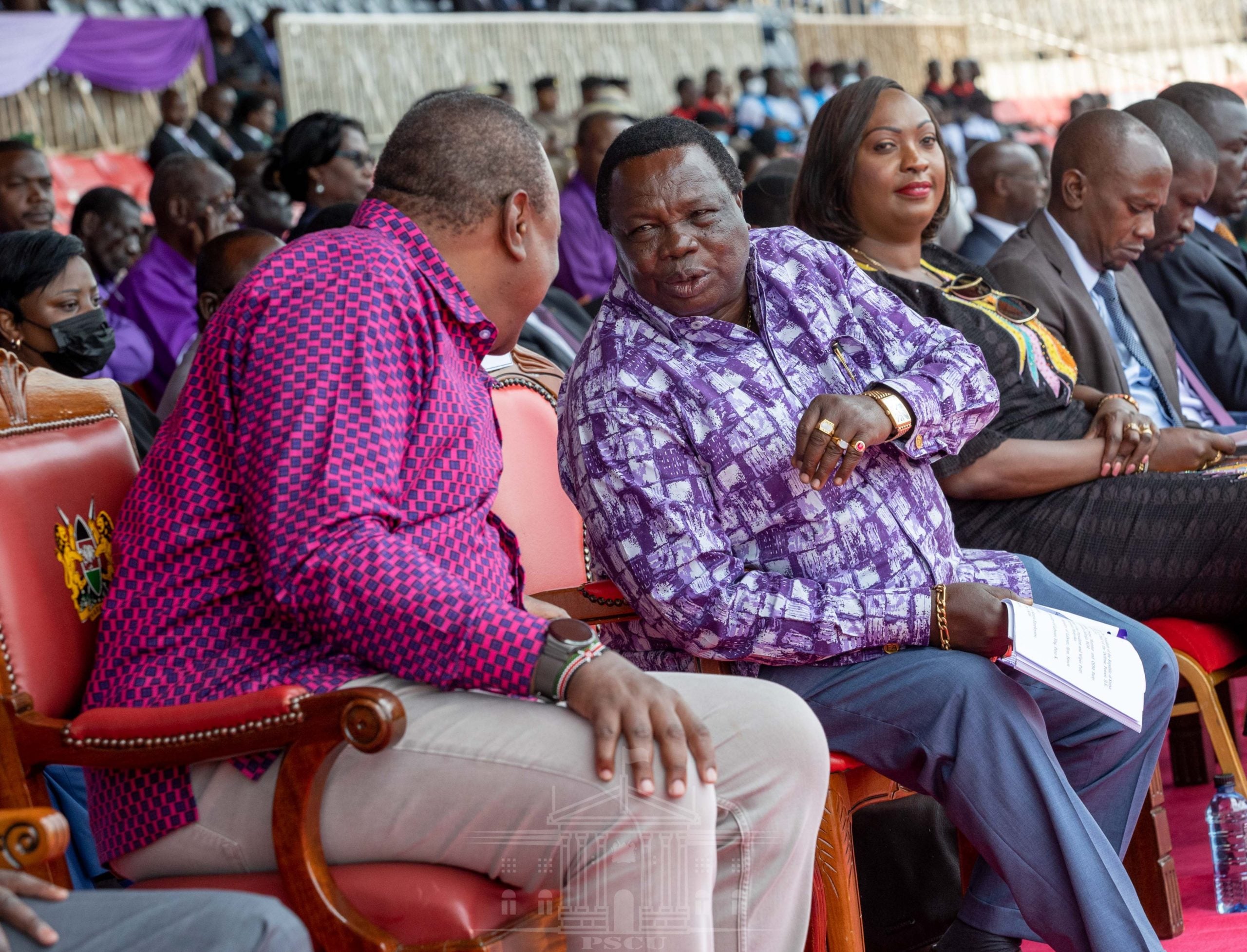 ATWOLI CALLS FOR UHURU'S ARREST OVER RAILA 2022 CLAIMS
-
 Karura race draws more than 1,000 runners ahead of Nairobi Marathon
-
 ZELENSKYY FLAGS KENYA TO UN OVER RUSSIA WAR RECRUITMENT
-
 IRAN-US LOCK HORNS AT UNGA
-
 UHURU BACK ON 2027 POLITICAL FRONTLINE AFTER COURT RULING
-
 KAIKAI DISPUTES OMBIJA’S CLAIM GACHAGUA SOUGHT HIS SACKING
-
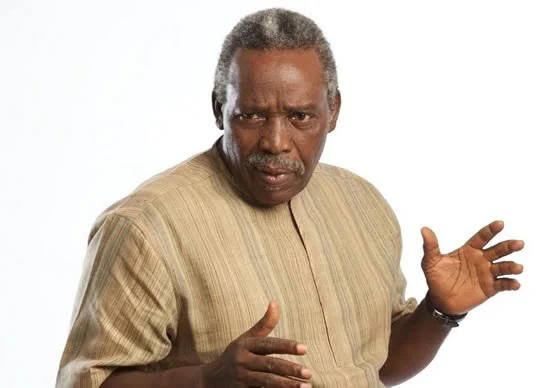 NOLLYWOOD ICON OLU JACOB DIES AT 84
BACKLASH FORCES GOVERNMENT TO SUSPEND NEW HARDSHIP AREA CLASSIFICATION

The government has suspended the implementation of its newly revised hardship area classifications following a nationwide uproar from teachers, civil servants, and political leaders.
Public Service Cabinet Secretary Geoffrey Ruku confirmed that the Ministry of Public Service and the Ministry of Education reached a consensus to put the rollout on hold. The move aims to allow for further consultations with elected leaders and other key stakeholders before any changes are effected.
The now-paused report had faced sharp criticism for removing several traditionally marginalised regions from the hardship list, raising fears among public servants that their allowances and working conditions could deteriorate. Teachers from Turkana, Samburu, Marsabit, West Pokot, and parts of the Coast and North Eastern counties were particularly vocal, arguing that the new classification failed to reflect the realities on the ground.
CS Ruku, speaking during a visit to Samburu County, assured public workers that their hardship allowances remain intact and that no deductions would occur while the review is under reconsideration. He stressed the need for inclusive dialogue to ensure fairness in the final outcome.
Lawmakers and union leaders have criticised the report for downplaying the harsh conditions faced in remote regions. In Samburu, concerns were raised over the downgrading of the county’s hardship level, with leaders pointing to continued insecurity, poor infrastructure, and limited access to essential services.
The suspension opens the door for a broader evaluation and a possible reclassification that accurately captures the socioeconomic and environmental challenges in Kenya’s underserved areas.
Comments (0)
No comments yet. Be the first to comment!