

-
 ZELENSKYY FLAGS KENYA TO UN OVER RUSSIA WAR RECRUITMENT
-
 IRAN-US LOCK HORNS AT UNGA
-
 UHURU BACK ON 2027 POLITICAL FRONTLINE AFTER COURT RULING
-
 KAIKAI DISPUTES OMBIJA’S CLAIM GACHAGUA SOUGHT HIS SACKING
-
 NOLLYWOOD ICON OLU JACOB DIES AT 84
-
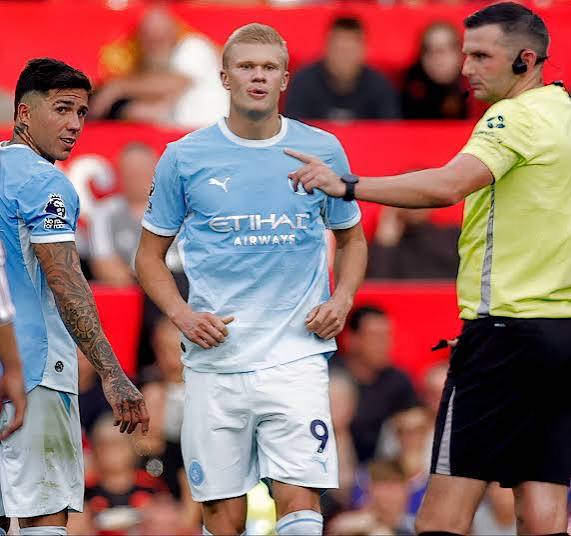 VAR OFFICIALS PUNISHED FOR HAALAND'S CONTROVERSIAL GOAL
-
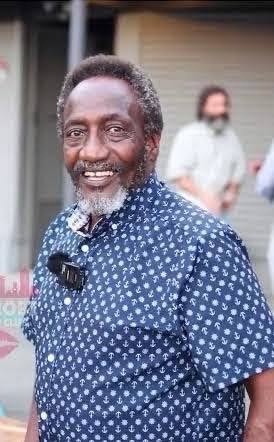 'FAKE JOMO ' DECLARES 2027 PRESIDENTIAL BID
-
 DIAMOND AND ZUCHU INTRODUCE BABY SANDRAH
-
 KENYA FLAGGED OVER AI MISUSE IN POLITICAL PROPAGANDA
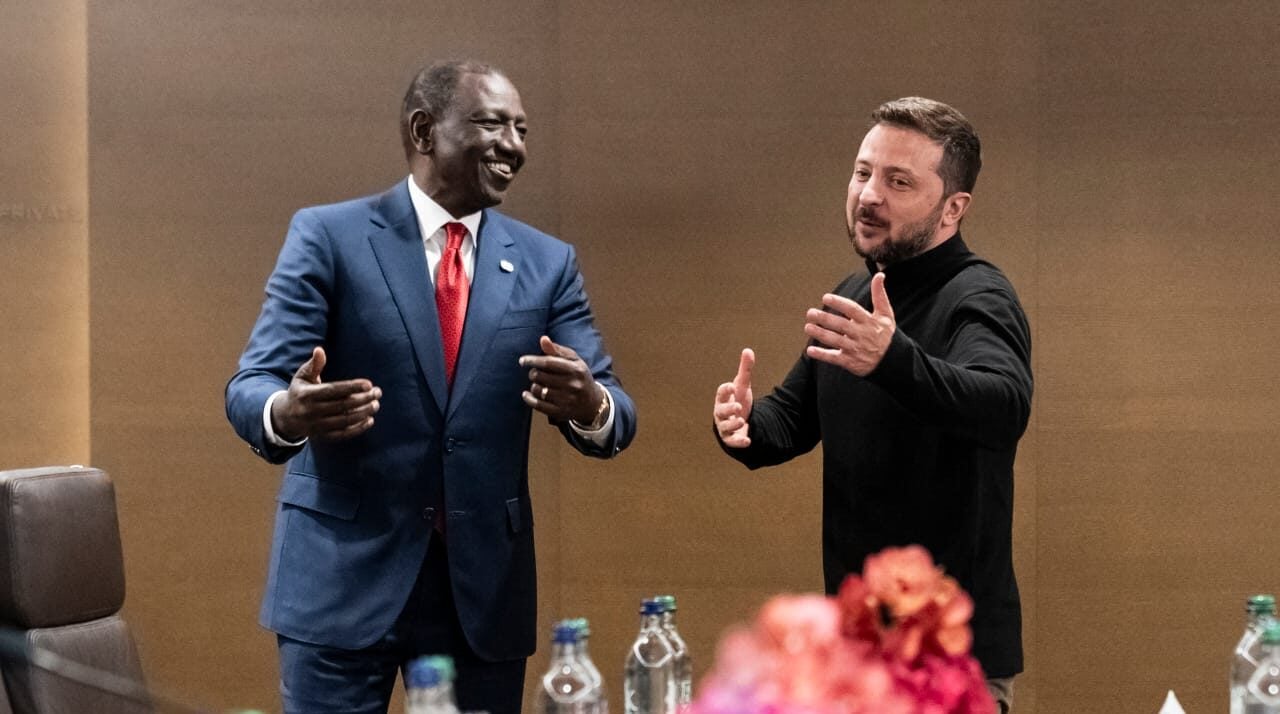
ZELENSKYY FLAGS KENYA TO UN OVER RUSSIA WAR RECRUITMENT
Ukrainian President Volodymyr Zelenskyy has put Kenya among 47 countries whose citizens he says are being drawn into Russia’s war against Ukraine, calling on their governments to act before more nationals end up on the battlefield.
Zelenskyy made the remarks on Wednesday, September 23, while addressing the 81st United Nations General Assembly in New York, where he appealed directly to representatives of countries whose citizens are allegedly being used in Russia’s military campaign.
“We know that Russia uses citizens of 47 countries in its war,” Zelenskyy said, naming Ghana, Nepal, Tajikistan, India, Yemen, Kenya, Zimbabwe, Cuba, Belarus, Sudan and South Africa among the countries involved.
The Ukrainian president said some foreign nationals had reached Russia through what he described as “deception and tricks” before finding themselves involved in the war.
He said Ukrainian forces had also identified non-Russian nationals among those killed on the battlefield, including people from the countries he had listed.
“I want to speak directly to every representative of these 47 countries. You know what Russia is doing with your people, your citizens. Take care of them. And do not let them end up on another front,” Zelenskyy said.
He further urged the governments concerned to prevent Russian President Vladimir Putin from drawing their citizens deeper into the conflict, while calling for restrictions on Moscow's ability to finance and sustain its military campaign.
“Limit his room to act. Limit his money. Limit his war,” Zelenskyy said.
Zelenskyy's remarks have particular significance in Kenya, where the recruitment of citizens into the Russian military has already become a subject of parliamentary and intelligence investigations.
A National Intelligence Service report presented to Kenyan lawmakers in February estimated that more than 1,000 Kenyans had been recruited to fight on Russia's side in the war.
According to the report cited by Reuters, 89 Kenyans were on the Ukrainian frontline as of February, while 39 were hospitalised and 28 were listed as missing.
The report said recruiters targeted groups including former soldiers, former police officers and unemployed Kenyans with promises of well-paying jobs and other opportunities. Some recruits initially travelled to Russia on tourist visas, with routes reportedly passing through countries including Turkey, the United Arab Emirates, Uganda, South Africa and the Democratic Republic of Congo.
Kenyan authorities have also been investigating allegations that recruitment networks worked with rogue officials and human-trafficking syndicates.
The Russian Embassy in Nairobi, however, has denied that the Russian government engages in illegal recruitment of Kenyans. Moscow has maintained that foreign citizens are legally allowed to volunteer for its armed forces.
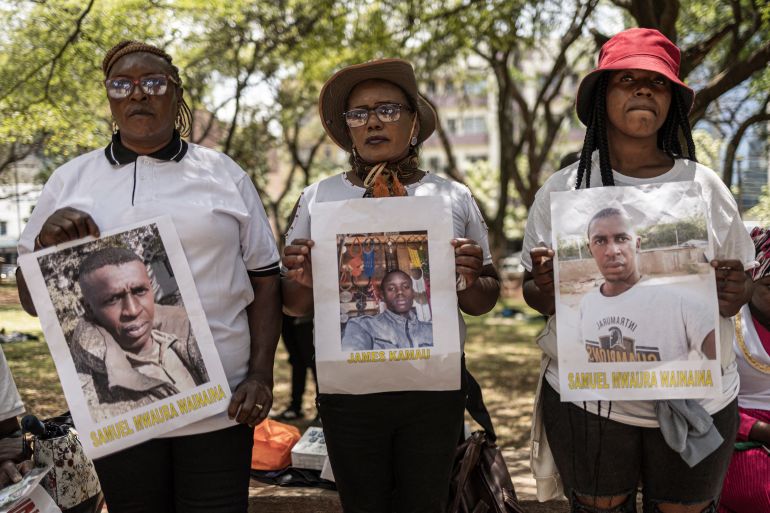
The issue has increasingly moved beyond statistics, with Kenyan families reporting relatives who have died, disappeared, suffered injuries or been captured after travelling to Russia.
Two Kenyan Senate committees have recently summoned Prime Cabinet Secretary Musalia Mudavadi, Labour Cabinet Secretary Alfred Mutua and Attorney-General Dorcas Oduor over the recruitment of Kenyans into the Russian military and government efforts to secure their release and return.
The Kenyan government has previously said it is pursuing diplomatic channels to obtain consular access to affected citizens, facilitate their disengagement and help them return home.
Kenya's Foreign Ministry also said in February that 27 Kenyans had been rescued after becoming stranded in Russia, while Mudavadi indicated that he planned diplomatic engagement with Moscow over the issue.
In February, Ukraine said more than 1,700 Africans from 36 countries were fighting alongside Russian forces. Ukrainian officials alleged that some had been recruited through misleading employment offers, while Russia has rejected allegations of illegal recruitment.
Similar cases have emerged in countries including Ghana and South Africa, where governments have dealt with citizens who travelled to Russia after being promised civilian employment but later found themselves connected to the war.
The issue has therefore become a complicated mixture of employment promises, alleged trafficking, voluntary enlistment and diplomatic disputes over the treatment of foreign nationals.
Zelenskyy's intervention came as President William Ruto led Kenya's delegation at the UN General Assembly in New York.
Importantly, Zelenskyy did not provide a country-by-country breakdown of the 47 nations or state how many Kenyans he was referring to in his UN address. His remarks were therefore a warning about the involvement of foreign nationals rather than an allegation that the Kenyan government has entered the Russia-Ukraine war.
The claim nevertheless lands at a time when Kenya is already under pressure to explain how its citizens have ended up fighting for Russia and what is being done to bring them home.
Comments (0)
No comments yet. Be the first to comment!