

-
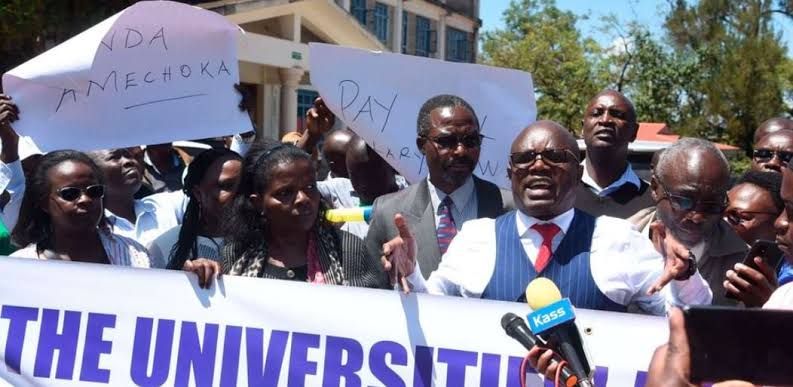 LECTURERS YET TO FORMALLY CALL OFF STRIKE
-
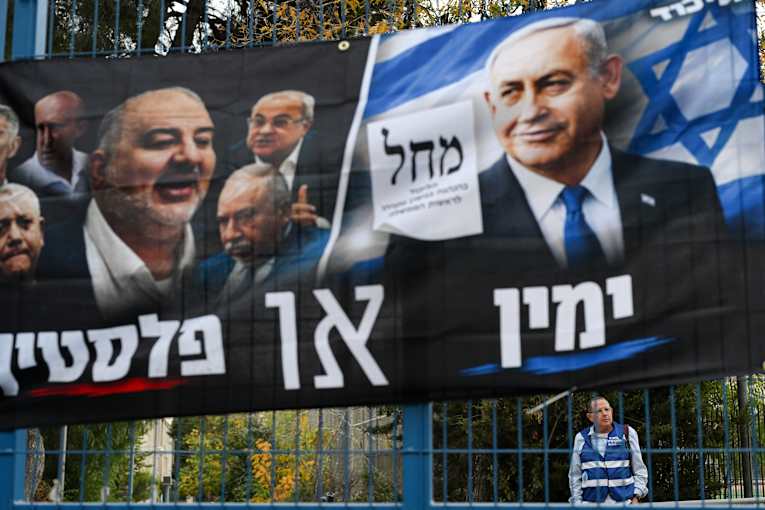 ISRAEL DIVIDED OVER ELECTION DEADLOCK
-
 OKWARA TAKES GLOBAL LEAP AFTER RMS SIGN-OFF
-
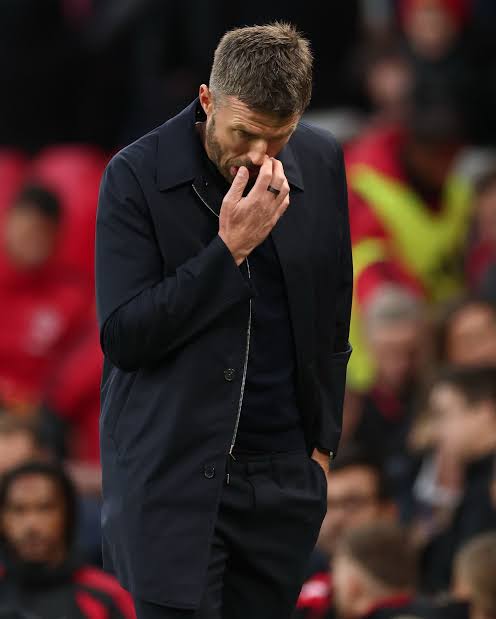 MAN UTD HAND CARRICK A NEW LEASE OF LIFE
-
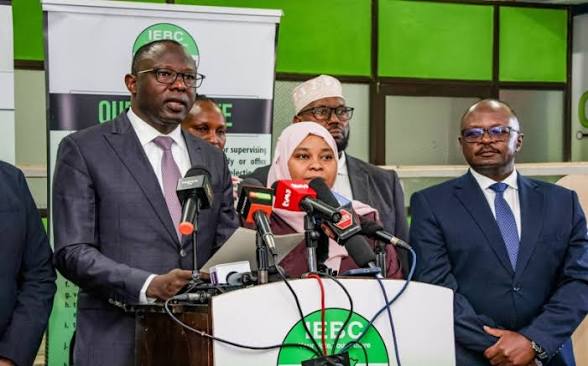 IEBC SUSPENDS UPCOMING ELECTIONS
-
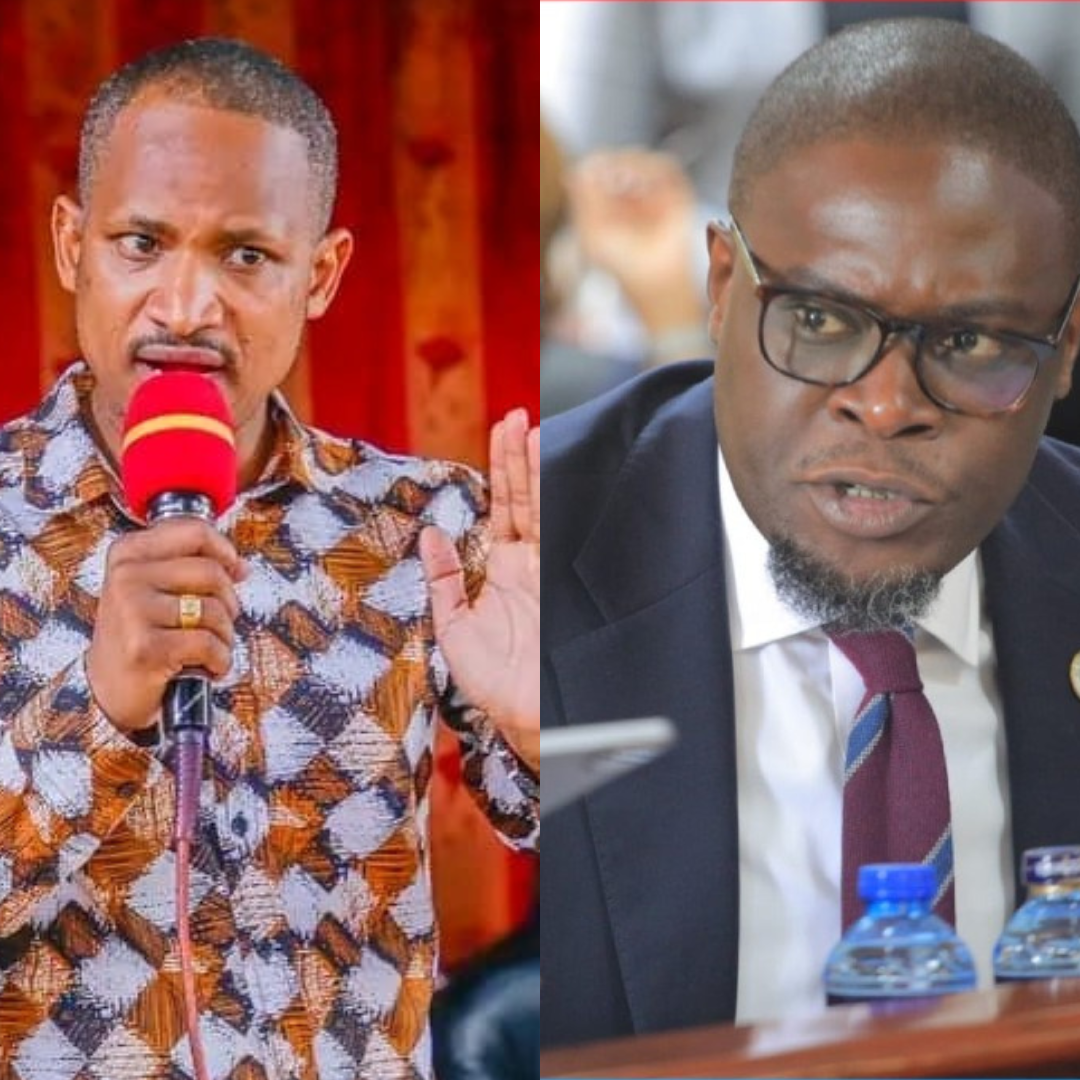 “NO APOLOGY, SEE YOU IN COURT” — BABU DEFIES SAKAJA
-
 HARRY KANE ENDS ENGLAND’S 25-YEAR BALLON D’OR WAIT
-
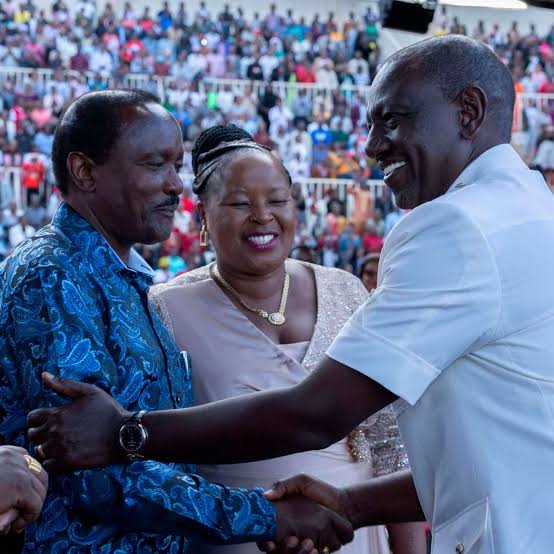 RUTO LOVE BOMBS UNYIELDING KALONZO
-
 OBINNA, BABY MAMA CLASH OVER DAUGHTER’S FUTURE AFTER ALLEGED EVICTION
LECTURERS YET TO FORMALLY CALL OFF STRIKE
Kenyan public university lecturers are yet to formally call off their nationwide strike despite reaching a reported Sh20 billion financial agreement with the government, with classes expected to resume on Monday, November 2, if the deal is signed as planned.
The breakthrough, announced on Wednesday, October 28, follows nearly four weeks of negotiations over lecturers’ salaries, outstanding arrears and other employment conditions under the 2025–2029 Collective Bargaining Agreement (CBA).
Universities Academic Staff Union (UASU) Secretary-General Dr Constantine Wesonga said the two sides had agreed on the financial terms, with technical teams expected to document the commitments ahead of the formal signing scheduled for Friday, October 30.
“We have a deal on the financials. Tomorrow our technical team is going to sit down to put what we have agreed on on pen and paper,” Wesonga said.
He further emphasised that the proposed settlement was reached through negotiations rather than imposed on the union.
“Today we have agreed on a figure we have negotiated with the government, not a figure imposed on the union,” he said.
Wesonga also urged students to prepare to return to their institutions, expressing confidence that teaching would resume the following week.
“To comrades, start walking towards your university. I want to assure you that on Monday you shall have your lessons,” he said.
However, the strike remains subject to formal termination, with the unions expected to complete the necessary documentation and officially communicate their decision to end the industrial action.
The agreement involves UASU, the Kenya Universities Staff Union (KUSU) and the Kenya Union of Domestic, Hotels, Educational Institutions, Hospitals and Allied Workers (KUDHEIHA), which have been at the centre of the dispute with the government.
Under the reported financial arrangement, the government is expected to release the Sh20 billion in three phases. An initial Sh4.3 billion is earmarked for immediate disbursement, while the remaining amount is expected to be paid in two instalments during the 2026/2027 financial year.
The deal follows the rejection of earlier government proposals of Sh9.76 billion and Sh11.96 billion, which the unions considered inadequate to address their demands over the four-year CBA period.
A major point of contention has been Sh7.9 billion in outstanding salary arrears linked to previous collective bargaining agreements. KUSU Secretary-General Dr Charles Mukhwaya had previously maintained a hard line on the issue, declaring: “There will be no retreat or surrender until the Sh7.9 billion is paid in full.”
Other concerns raised during the dispute included delayed pension and statutory deductions, particularly at institutions facing difficulties remitting employees’ contributions, as well as safeguards for staff remuneration under the government's higher education funding model.
The negotiations involved an inter-ministerial committee, with Education Cabinet Secretary Julius Ogamba, National Treasury Cabinet Secretary John Mbadi and Interior Principal Secretary Dr Raymond Omollo among the government officials involved in the discussions.
The industrial action began on October 2 after negotiations over the 2025–2029 CBA failed to produce an agreement acceptable to the unions. The standoff continued despite government efforts to challenge the strike's legality through the courts.
The resulting disruption brought teaching, research and examinations to a standstill at public institutions, including the University of Nairobi (UoN), Kenyatta University, Jomo Kenyatta University of Agriculture and Technology (JKUAT) and Moi University.
Students preparing for examinations and graduations scheduled for October and November were among those affected, with uncertainty over academic calendars adding to the disruption.
The prolonged interruption also left many students struggling to meet accommodation and daily living expenses while regular learning remained suspended. Others joined demonstrations demanding an end to the stalemate, with protests reported in Nairobi and other areas.
Student representatives also raised concerns about the psychological and social consequences of prolonged academic uncertainty, including stress and the difficulties associated with remaining idle while continuing to incur expenses.
If the agreement is signed and the strike officially called off, lecturers and university administrators will have to develop plans to recover the teaching time lost during the disruption. Revised academic calendars may be necessary to accommodate missed lectures, examinations and other scheduled activities.
The reported return-to-work arrangements also include protection against victimisation or disciplinary action for staff who participated in the strike, alongside provisions for reinstating affected employees.
In its proposed return-to-work framework, UASU stated: “The Union shall immediately call off the industrial action upon the execution of this Agreement.”
The union also committed its members to working with university employers to recover lost academic time, while providing assurances that participating staff would not face reprisals.
“No member of UASU will face victimization or disciplinary action for participating in the industrial action,” the union stated.
The proposed settlement marks a significant shift from the prolonged standoff that had left universities struggling to maintain normal operations. However, the financial commitments, return-to-work arrangements and formal termination of the strike remain central to determining whether the breakthrough will translate into a full resumption of learning.

Comments (0)
No comments yet. Be the first to comment!