

-
 ISRAEL DIVIDED OVER ELECTION DEADLOCK
-
 OKWARA TAKES GLOBAL LEAP AFTER RMS SIGN-OFF
-
 MAN UTD HAND CARRICK A NEW LEASE OF LIFE
-
 IEBC SUSPENDS UPCOMING ELECTIONS
-
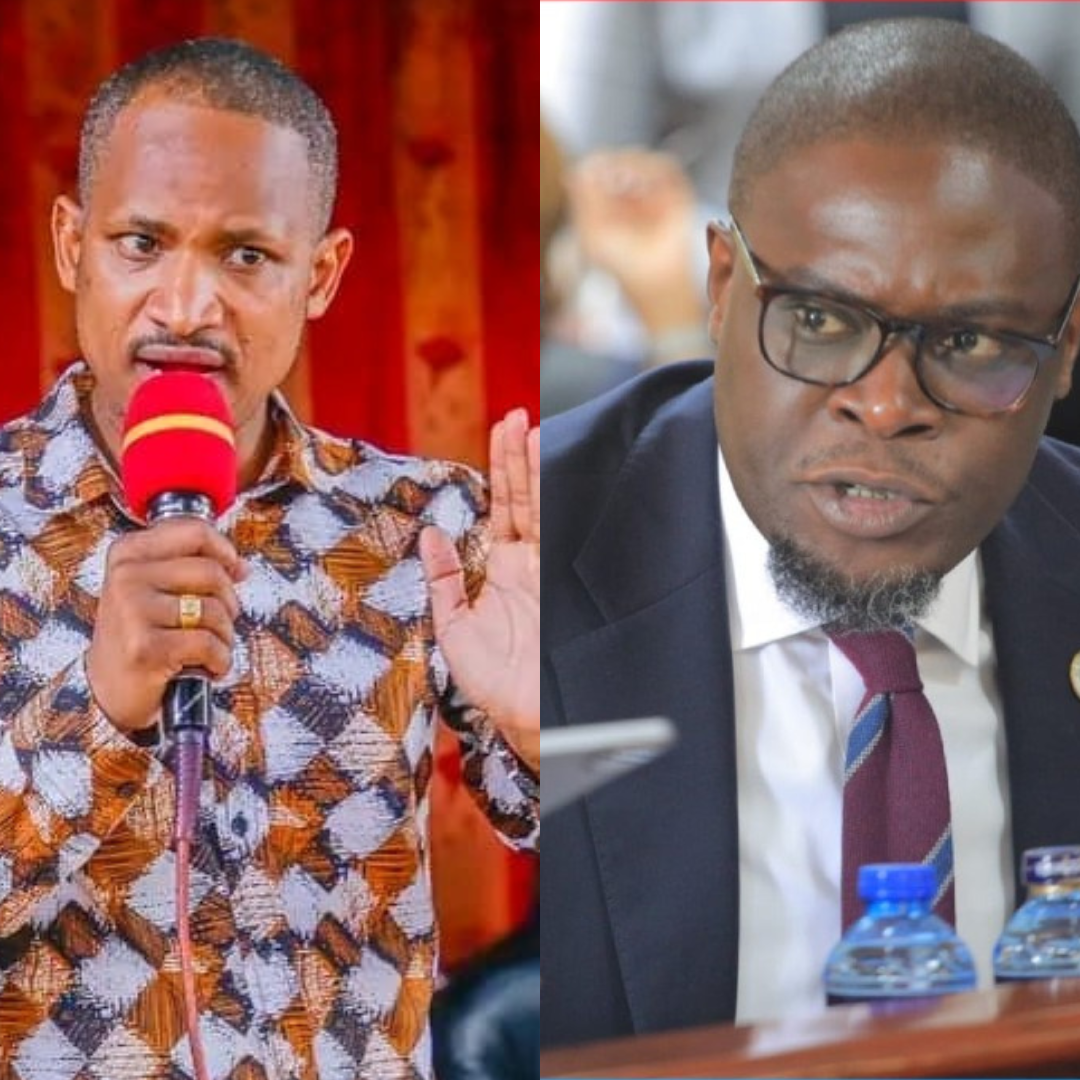 “NO APOLOGY, SEE YOU IN COURT” — BABU DEFIES SAKAJA
-
 HARRY KANE ENDS ENGLAND’S 25-YEAR BALLON D’OR WAIT
-
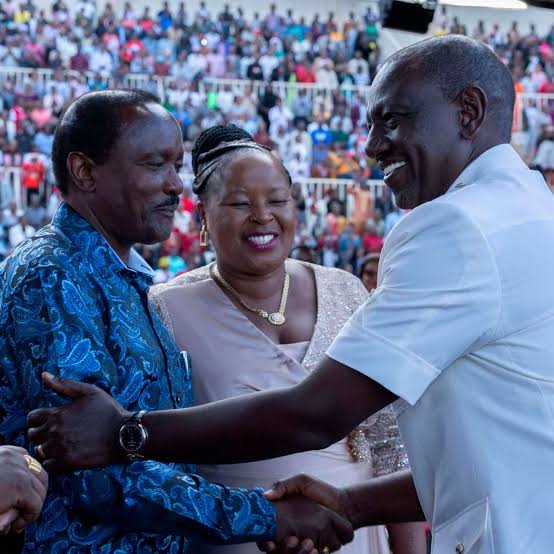 RUTO LOVE BOMBS UNYIELDING KALONZO
-
 OBINNA, BABY MAMA CLASH OVER DAUGHTER’S FUTURE AFTER ALLEGED EVICTION
-
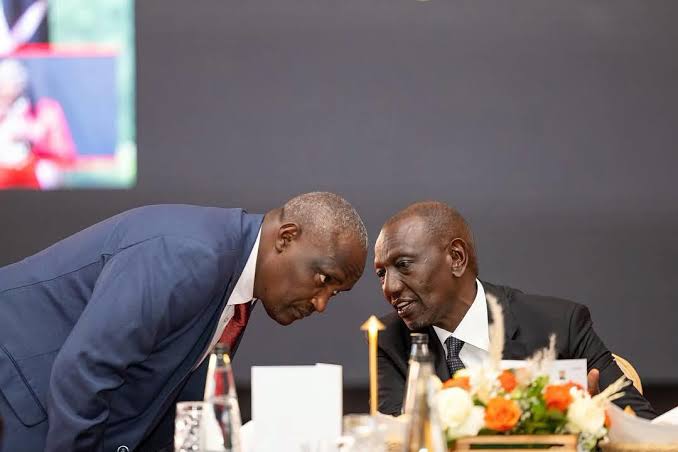 NEW PAYE TAX EXEMPTION TO TAKE EFFECT IN JANUARY- MBADI
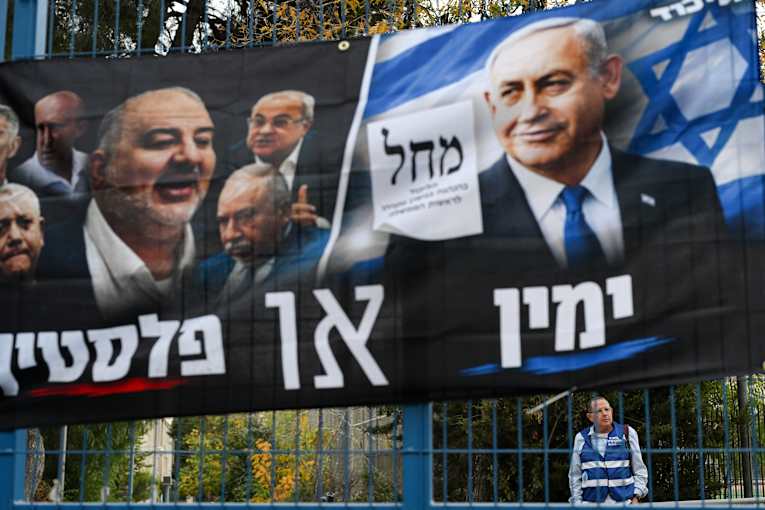
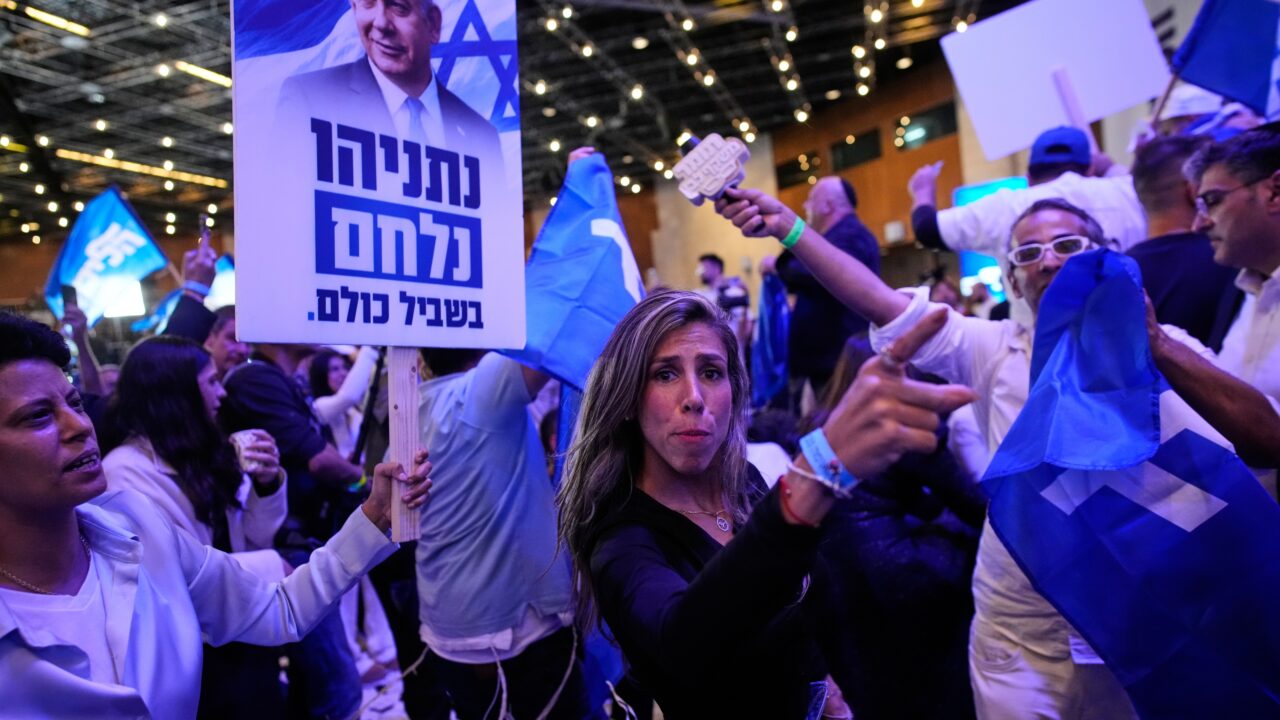
ISRAEL DIVIDED OVER ELECTION DEADLOCK
Israel is facing another period of political uncertainty after an inconclusive general election left Prime Minister Benjamin Netanyahu and his main challenger, Gadi Eisenkot, short of the parliamentary majority needed to form the next government.
With more than 85 per cent of ballots counted on Wednesday, October 28, preliminary projections showed Netanyahu’s right-wing bloc with 53 seats against 48 for the opposition led by Eisenkot, while Arab-led parties were projected to secure 19 seats in the 120-member Knesset.
Neither side has reached the 61 seats required for a majority, setting the stage for potentially weeks of coalition negotiations as rival political camps explore ways to secure enough parliamentary support.
The election, held on Tuesday, October 27, was the first since the Hamas-led attacks of October 7, 2023, triggered Israel’s war in Gaza and heightened security tensions across the region.
Voter turnout reached approximately 78 per cent, the highest since 1999, reflecting intense public engagement in a contest widely viewed as a test of Netanyahu’s wartime leadership and his alliance with far-right and ultra-Orthodox religious parties.
Despite the setback, Netanyahu’s Likud party remained the largest single party in early projections, although its share of the vote had fallen from 23.4 per cent in the 2022 election to about 20.8 per cent.
The results also indicated declining support for his outgoing coalition, which previously controlled 68 parliamentary seats.
Netanyahu has rejected calls to step aside, insisting that Israel needs a strong right-wing government to address its security challenges. He has also dismissed the possibility of forming a government dependent on Arab-led parties, describing such an arrangement as dangerous to the country.
His main challenger, Eisenkot, a former military chief whose Yashar party emerged as a leading opposition force, argued that the results reflected public demand for political change.
He urged Netanyahu to accept what he described as a loss of public confidence and leave office, while pledging to work towards forming a government committed to national service for all, security and institutional reform.
However, the opposition faces its own difficulties. Although its combined numbers, including Arab-led parties, could potentially provide a parliamentary majority, several influential opposition figures have previously ruled out cooperating with Arab lawmakers.
The strong showing by Arab-led parties, including the Joint List and Ra’am, has therefore placed them in a potentially decisive position.
Joint List leader Yousef Jabareen said the results demonstrated that Arab voters could no longer be excluded from decisions about Israel’s political future. He called for a genuine partnership between Jewish and Arab communities.
Ra’am leader Mansour Abbas similarly pledged to turn his party’s electoral gains into greater political influence.
Eisenkot has left open the possibility of cooperation with Arab parties under certain conditions, including recognition of Israel as a Jewish state. Yair Golan, leader of the left-wing Democrats party, has also expressed willingness to work with them.
However, former prime minister Naftali Bennett and opposition leader Yair Lapid have ruled out forming a government with Arab-led parties, complicating efforts to build a unified alternative to Netanyahu.
The divisions extend to Netanyahu’s own camp. Far-right National Security Minister Itamar Ben Gvir has warned against a unity government involving Eisenkot, fearing that a deal with more moderate parties could leave his faction outside the next administration.
Finance Minister Bezalel Smotrich has also defended the outgoing government’s policies, particularly its settlement agenda, while ultra-Orthodox parties have maintained their support for protecting their community’s religious and political interests.
At the centre of the campaign were longstanding disagreements over military service exemptions for ultra-Orthodox men, the conduct of the war, the treatment of Palestinians and demands for accountability over the October 7 attacks.
Netanyahu’s government has also faced sustained criticism over its judicial reform agenda, which previously sparked mass protests and raised concerns about the independence of the judiciary.
The prime minister, who has served in office for more than 19 years across different periods, is also facing corruption charges that he denies.
The election has not yet produced a decisive verdict on his political future, despite the decline in support for his governing bloc.
President Isaac Herzog, who will determine which candidate receives the mandate to form a government once the official results are confirmed, has urged political leaders to remain open to negotiations and avoid another election.
Final results are expected by the end of the week, with hundreds of thousands of outstanding absentee ballots, including votes from military personnel and diplomats, still to be counted.
Possible outcomes include an opposition-led government supported by Arab parties, defections by lawmakers from rival camps or a broader unity arrangement between moderate factions. However, each option faces significant ideological and political obstacles.
If negotiations fail within the prescribed legal timelines, Israel could be forced into another general election, potentially becoming its seventh since 2019.
The political uncertainty also comes as Israel faces continuing regional security challenges, including tensions with Iran. Netanyahu has described cooperation with US President Donald Trump as an opportunity to address what he considers an existential Iranian threat.
Eisenkot, however, has warned against using national security decisions for political purposes, urging security officials to prioritise the interests of the country rather than those of individual leaders.
For now, Netanyahu remains in office as the country awaits the final count and the beginning of coalition negotiations. The coming weeks will determine whether his allies can rebuild a governing majority or whether his opponents can overcome their divisions to end his tenure.
Comments (0)
No comments yet. Be the first to comment!