

-
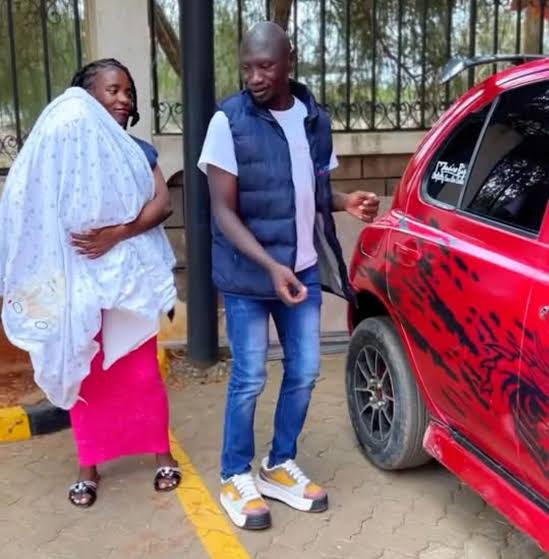 STEVO SIMPLE BOY DUMPS WIFE AFTER DNA BOMBSHELL
-
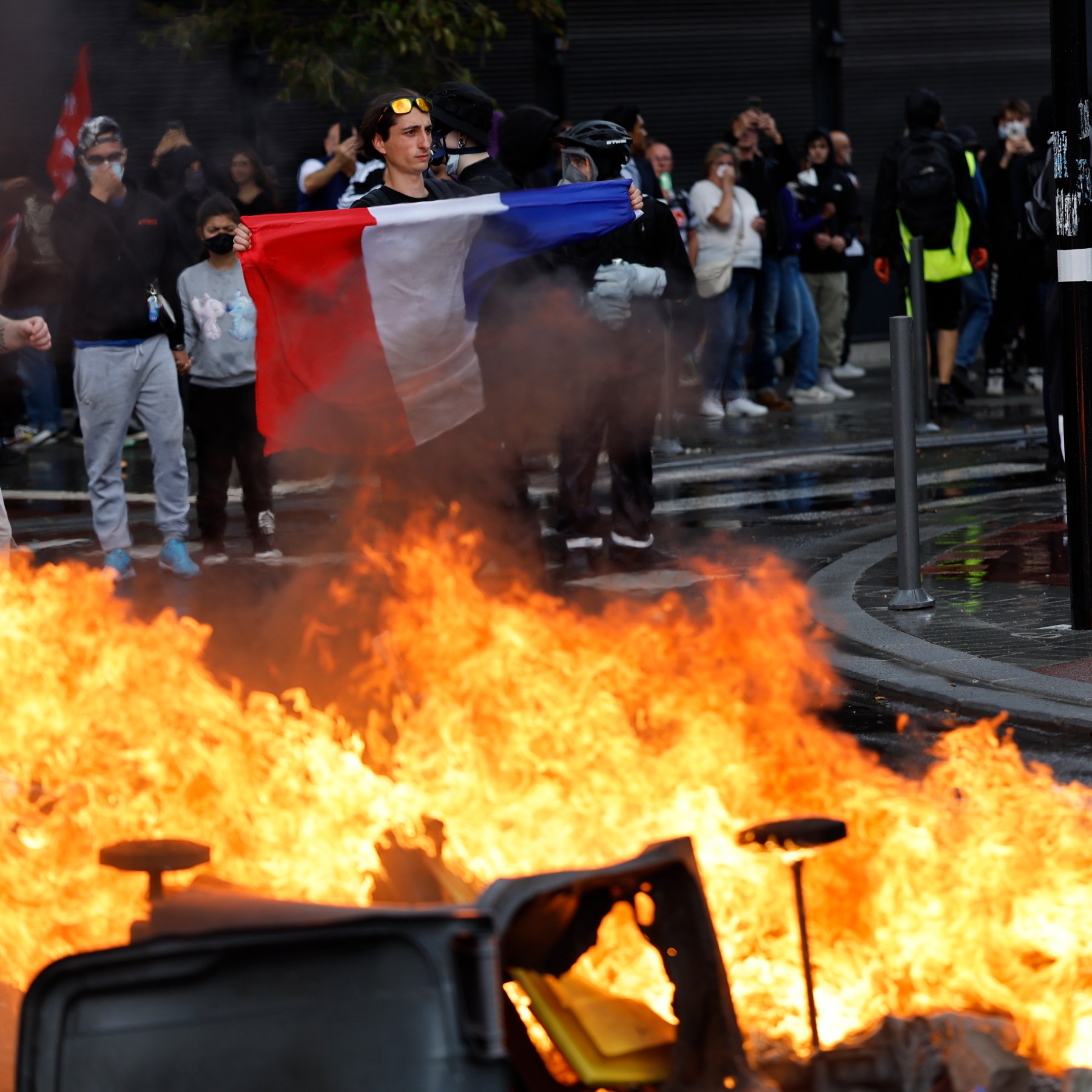 FRANCE IN FLAMES
-
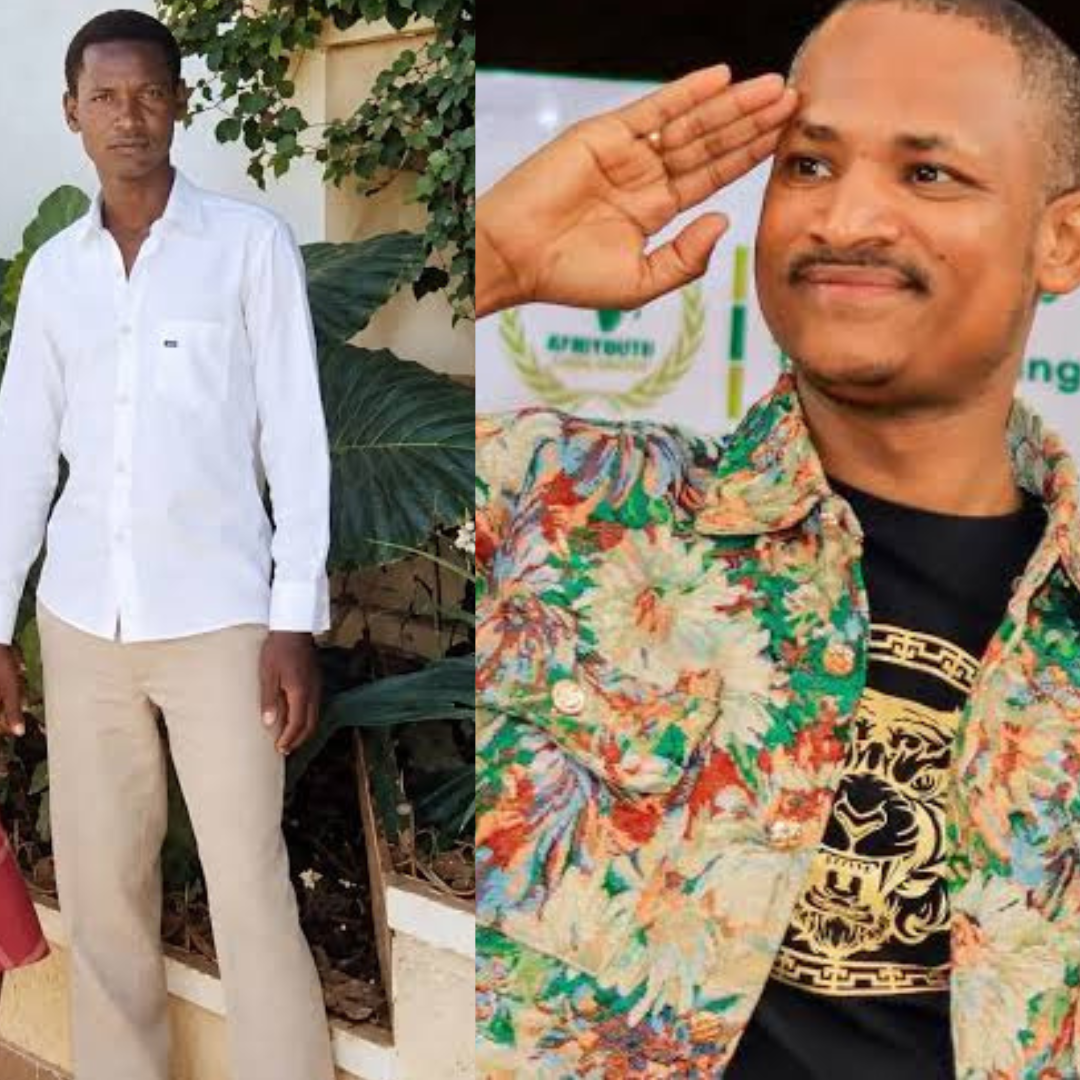 BABU SALUTES LATE FATHER, MOTHER AND RAILA IN MASHUJAA TRIBUTE
-
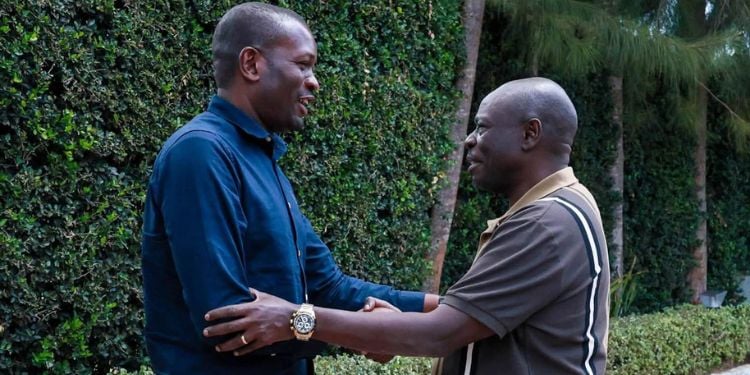 SIFUNA-GACHAGUA TAG TEAM TAKES SHAPE AFTER FORMER DP’S LOW-KEY RETURN
-
 SON DENOUNCES MACKENZIE, LABELS HIM A MURDERER
-
 KENYANS MARK 63RD MASHUJAA DAY
-
 RUTO’S AFFORDABLE HOUSING: NYUMBA ZIPO, LAKINI VIJANA WATAZILIPIA NA PESA GANI?
-
 NATEMBEYA GOES OFF RADAR AMID STATE CRACKDOWN
-
 GACHAU'S LAST DANCE: BODYBUILDER ANNOUNCES RETIREMENT
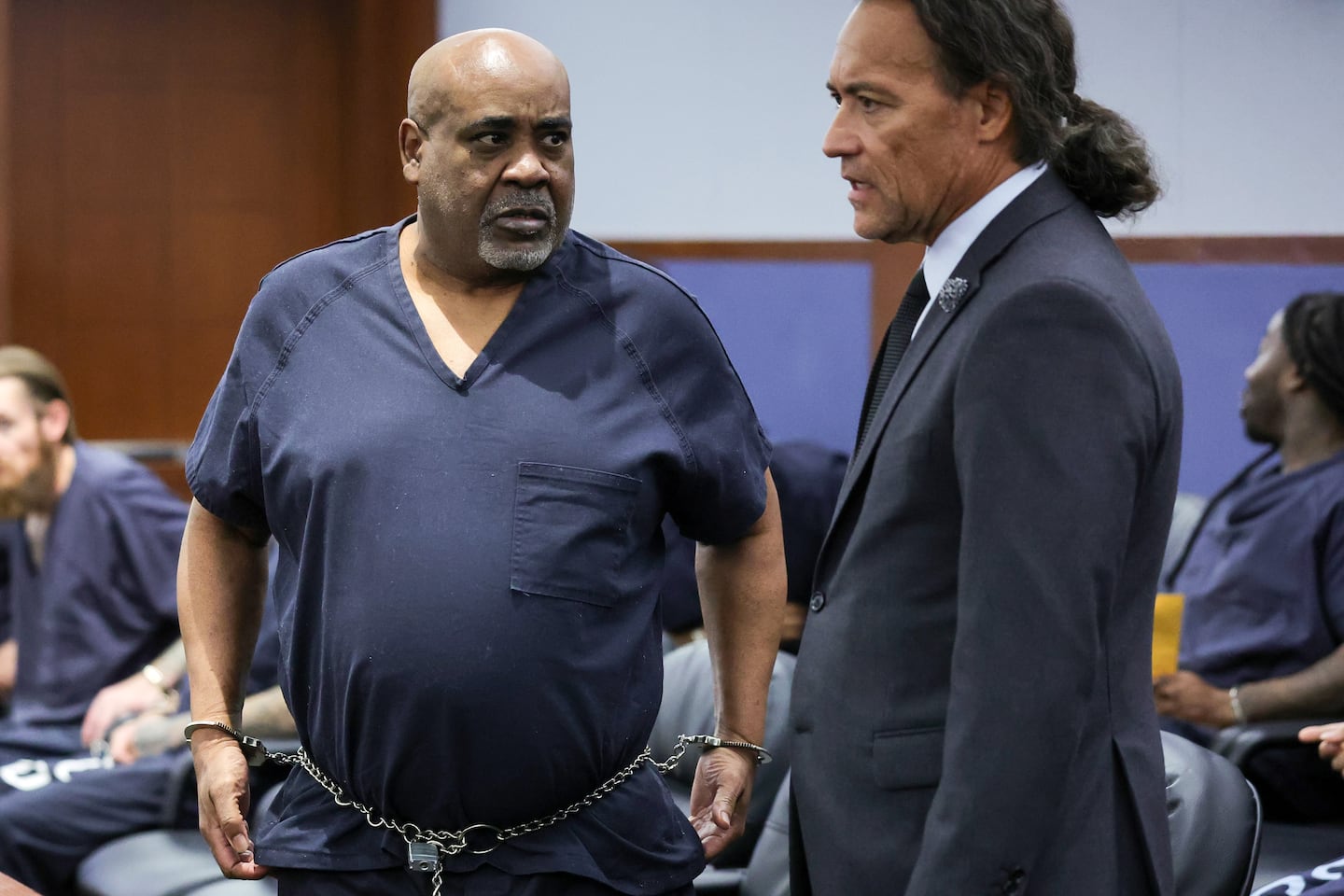
TUPAC FINALLY GETS JUSTICE AS KILLER FOUND GUILTY
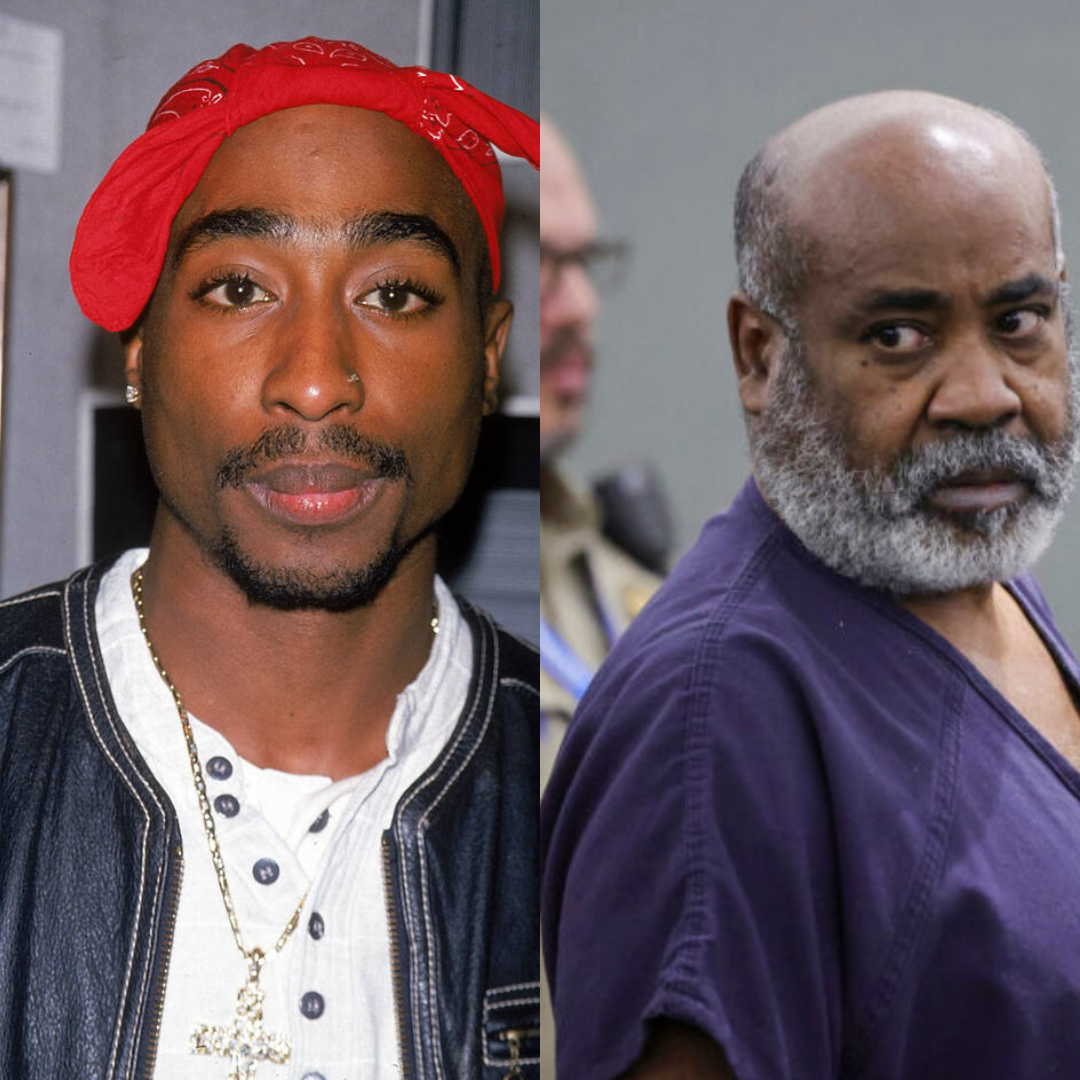
Nearly three decades after Tupac Shakur was killed in Las Vegas, a jury has finally returned a guilty verdict in the case that has remained one of the most closely watched unsolved murders in music history.
Former South Side Compton Crips leader Duane “Keffe D” Davis, 63, was found guilty on August 31, 2026, of first-degree murder with a deadly weapon over his alleged role in orchestrating the September 7, 1996, killing of the legendary rapper.
The verdict came after an 11-day trial at Clark County District Court, with jurors taking roughly three hours to reach their decision. Davis, who had pleaded not guilty, now faces the possibility of life imprisonment without parole. His sentencing has been scheduled for October 13, 2026.
Davis did not fire the shots that killed Tupac, and prosecutors have not identified the person who pulled the trigger. Instead, the state argued that he was the organiser behind the attack and could therefore be held responsible for the murder under Nevada law.
The prosecution portrayed Davis as the “shot caller” who mobilised the group after a confrontation involving his nephew, Orlando “Baby Lane” Anderson, and Tupac’s entourage at the MGM Grand earlier that night.
According to evidence presented in court, Davis later acknowledged being inside a white Cadillac that followed Tupac and Death Row Records boss Marion “Suge” Knight through Las Vegas. Prosecutors said Davis admitted passing a firearm to the back seat before the fatal shooting occurred.
It was those admissions, rather than a mountain of physical evidence, that became the centrepiece of the prosecution's case.
With the murder nearly 30 years old, investigators had limited physical evidence to work with. Prosecutors therefore leaned heavily on Davis’ own accounts of what happened.
Jurors heard recordings from interviews Davis gave authorities and were also presented with statements he made publicly over the years. His 2019 memoir, Compton Street Legend, became particularly important because of the details he provided about his alleged involvement.
The prosecution argued that Davis had repeatedly placed himself inside the vehicle and described his role in the events surrounding Tupac's death.
His defence took the opposite position, arguing that Davis was an unreliable storyteller whose accounts were exaggerated for attention, money and notoriety.
Defence lawyer Michael Sanft urged jurors not to treat Davis’ public claims as reliable evidence, maintaining that investigators had failed to independently corroborate crucial parts of his story. A former Las Vegas homicide detective who interviewed Davis also acknowledged during the trial that he had been unable to independently verify Davis’ account.
The jury, however, ultimately accepted the prosecution's case and convicted Davis.
Tupac’s death followed a confrontation at the MGM Grand after he and members of his entourage became involved in a fight with Anderson.
Prosecutors argued that the incident triggered a rapid retaliation.
Davis and three other men subsequently travelled through Las Vegas in a white Cadillac while searching for Tupac and Knight. Later that night, the Cadillac pulled alongside the BMW carrying Tupac and Knight, and shots were fired.
Tupac, who was only 25, was critically injured and died six days later, on September 13, 1996.
His murder occurred during an especially tense period in hip-hop, when rivalries between the East Coast and West Coast rap scenes were intertwined with conflicts involving street gangs and record labels. Tupac's association with Death Row Records and the tensions surrounding the label formed part of the wider environment surrounding the case.
Although Davis has now been convicted, the person prosecutors believe fired the fatal shots was never brought before a court.
Anderson, Davis’ nephew, was identified by prosecutors as the suspected shooter. He consistently denied involvement in Tupac's killing and was never charged. Anderson was killed in an unrelated shooting in 1998.
The other two men prosecutors say were in the Cadillac that night have also since died.
That left Davis as the only surviving member of the group prosecutors linked to the attack, making his own accounts particularly significant to the case.
The guilty verdict triggered an emotional response inside and outside the courtroom.
Tupac's relatives were visibly moved as the decision was announced, with members of the family embracing and shedding tears. Outside court, supporters and longtime fans also gathered to mark a moment many had waited years to see.
For Tupac's family, the conviction does not bring the rapper back, but it provides an answer that had eluded investigators and his supporters for generations.
Tupac's influence has also long outlived his death. From music and acting to poetry and social commentary, he became one of the defining cultural figures of his generation, with his work continuing to attract new audiences decades after his death.
The conviction does not necessarily mark the final legal chapter.
Davis indicated in court that he intended to appeal the verdict, while his defence has continued to challenge the reliability of the evidence used against him.
Clark County District Attorney Steven Wolfson said prosecutors were confident in the strength of their case. Davis faces a potential life sentence, although prosecutors have indicated they will not seek additional gang-related sentencing enhancements, citing factors including his age.
For nearly 30 years, Tupac's murder has generated theories, speculation and unanswered questions.
Now, for the first time, the case has produced a murder conviction.
But even with Davis found guilty, one major mystery remains: the identity of the person who actually pulled the trigger.


Comments (0)
No comments yet. Be the first to comment!