

-
 STEVO SIMPLE BOY DUMPS WIFE AFTER DNA BOMBSHELL
-
 FRANCE IN FLAMES
-
 BABU SALUTES LATE FATHER, MOTHER AND RAILA IN MASHUJAA TRIBUTE
-
 SIFUNA-GACHAGUA TAG TEAM TAKES SHAPE AFTER FORMER DP’S LOW-KEY RETURN
-
 SON DENOUNCES MACKENZIE, LABELS HIM A MURDERER
-
 KENYANS MARK 63RD MASHUJAA DAY
-
 RUTO’S AFFORDABLE HOUSING: NYUMBA ZIPO, LAKINI VIJANA WATAZILIPIA NA PESA GANI?
-
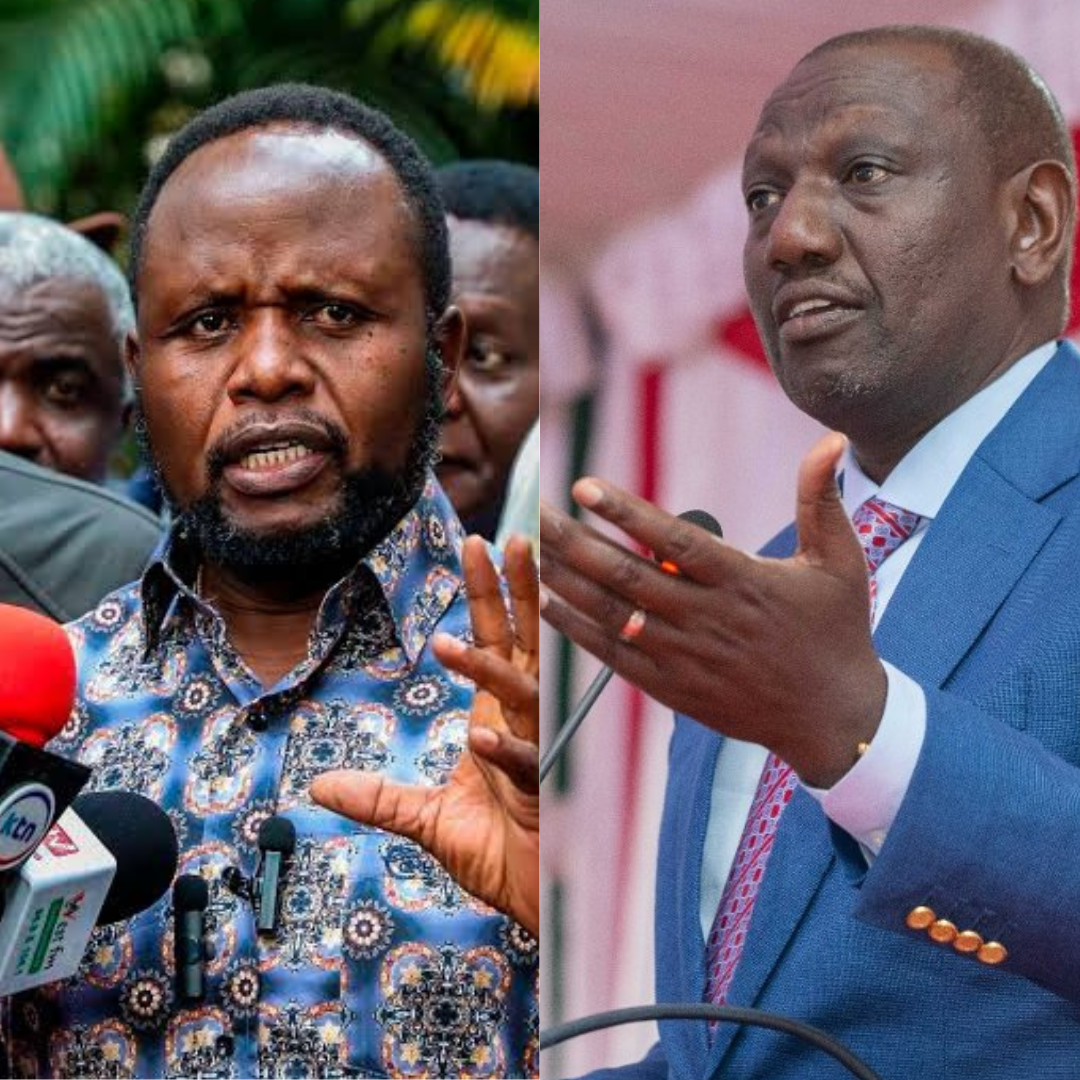 NATEMBEYA GOES OFF RADAR AMID STATE CRACKDOWN
-
 GACHAU'S LAST DANCE: BODYBUILDER ANNOUNCES RETIREMENT
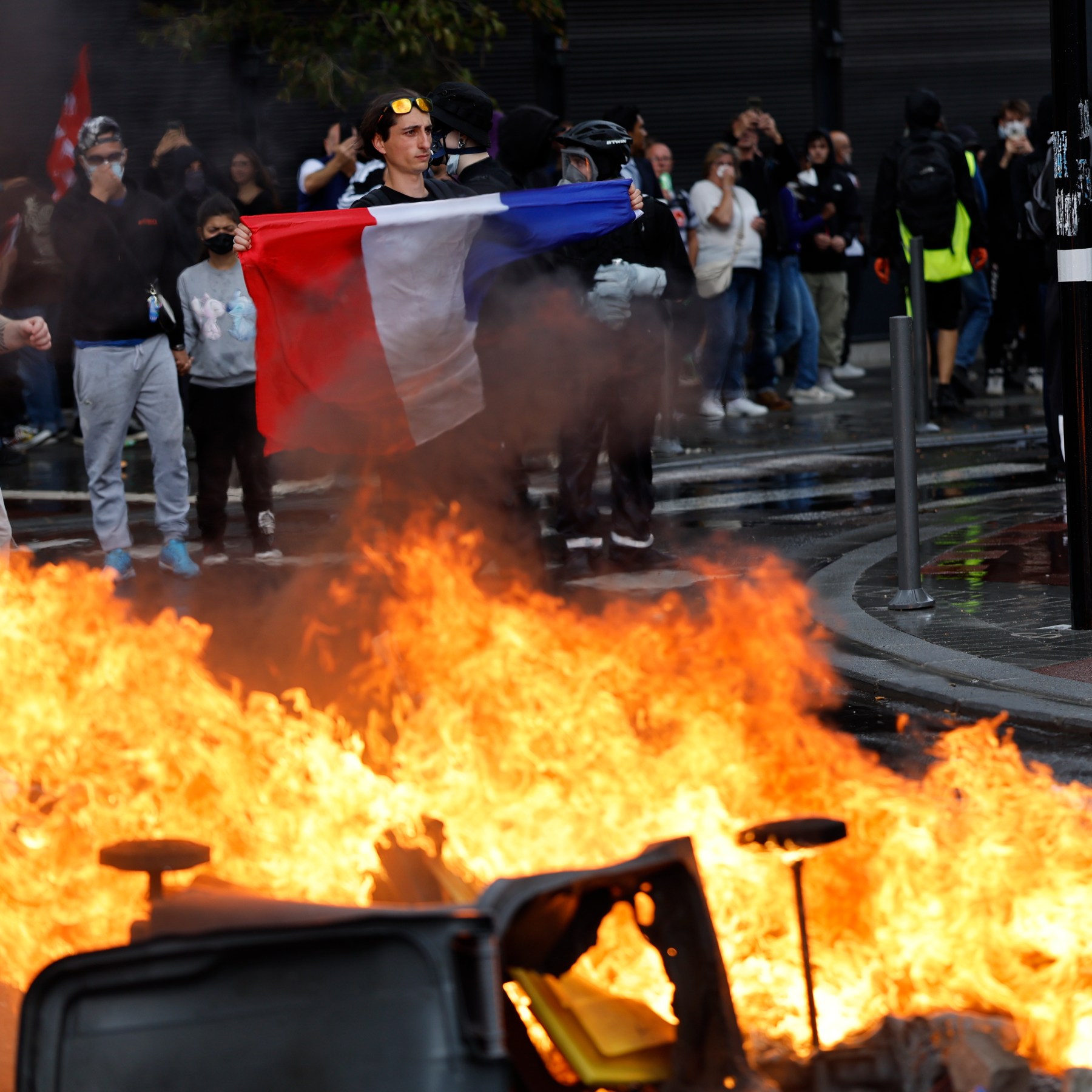
FRANCE IN FLAMES
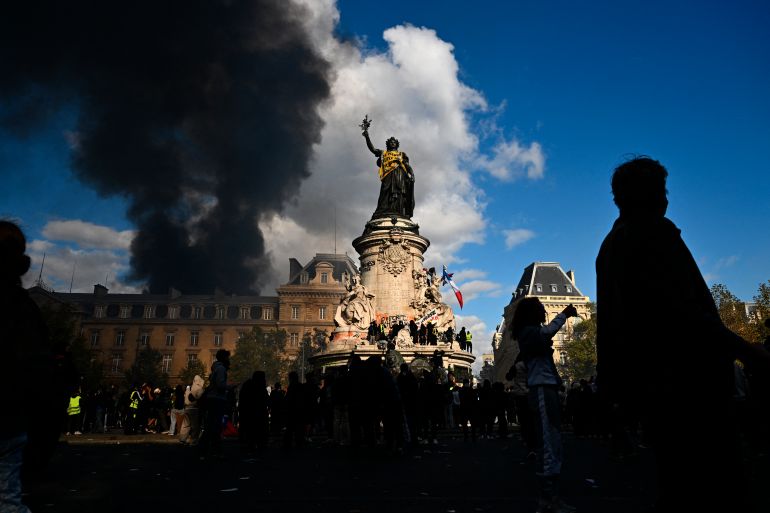
France is grappling with widespread unrest after demonstrations over the rising cost of living and deteriorating education conditions escalated into violent riots, leaving businesses looted, vehicles torched and historic buildings damaged across several cities.
More than 500,000 people took to the streets across the country on Saturday, October 17, bringing together students, teachers, trade union members and supporters of the Yellow Vests movement in protests against economic hardship and pressure on public services.
Although the majority of demonstrators marched peacefully, violence broke out in several locations, with groups of rioters attacking shops, clashing with police and setting buildings ablaze.
The destruction was particularly severe in the southern port city of Marseille, where business leaders reported that more than 500 premises had been damaged, most of them looted. Police said 101 people had been arrested in the city, with approximately a quarter of those detained being children.
The violence also left 118 police officers injured in Marseille, accounting for more than a tenth of the national total reported in connection with the unrest.
In Limoges, a historic town hall that had stood for 143 years was engulfed by flames, causing its clock tower and sections of the structure to collapse. The incident prompted renewed concern over the scale of destruction targeting public buildings.
Paris was also affected, with shops vandalised, cars torched and electric bicycles destroyed. Shared-mobility operator Dott reported that more than 300 of its electric bicycles had been destroyed or seriously damaged in the capital.
In Marseille, rioters broke into the city hall and ransacked parts of the building, while commercial areas, including La Canebière, Rue Paradis and the Centre Bourse shopping centre, experienced widespread looting.
The escalating violence has placed President Emmanuel Macron's administration under pressure to restore order while addressing the grievances that initially brought demonstrators onto the streets.
Prime Minister Sébastien Lecornu announced on Tuesday that local authorities would work with mayors to determine where additional curfews were necessary.
The measures follow restrictions imposed in several cities, including Marseille, where authorities banned public gatherings for eight hours on Monday in an attempt to prevent another night of violence. An overnight curfew for minors was also scheduled to take effect in parts of the city from Tuesday evening.
Other affected areas have introduced restrictions targeting young people and nighttime gatherings, with authorities seeking to prevent further attacks on businesses and public infrastructure.
The measures appeared to bring temporary relief, with police reporting no major incidents across France on Monday night. However, the government remains concerned about further demonstrations planned for Saturday.
Interior Minister Laurent Nuñez travelled to Marseille on Monday evening, where he met the city's Socialist mayor, Benoît Payan, to discuss the security breakdown.
Payan criticised the government's handling of the unrest, describing the response as a fiasco and questioning how the authorities had allowed the violence to reach such proportions.
He also called for changes to police deployment and tactics, warning that focusing primarily on student demonstrators while failing to prevent widespread looting could leave the city vulnerable to further disorder.
Nuñez had offered to resign following the unrest, but Macron rejected the resignation and retained him in office as the government works to restore security.
Despite the severity of the situation, the administration has not declared a nationwide state of emergency, instead relying on local restrictions and coordinated security operations.
The demonstrations developed over several weeks, initially driven by students protesting poor school conditions before expanding into a broader movement against the rising cost of living, economic inequality and declining public services.
Higher fuel prices have added to public frustration, while concerns over housing, food costs and access to education have brought different groups together.
The protests also reflect mounting dissatisfaction with the condition of public services, including schools and hospitals, as well as the difficulties faced by young people struggling to meet basic living expenses.
Alice Cohen-Morzadec, a spokesperson for the French Student Union, told Al Jazeera that the demonstrations represented an outburst of anger over policies she said had damaged students' living conditions.
"One student out of two cannot eat properly. One student out of three doesn’t have a permanent house to live in. We cannot study in these conditions," Cohen-Morzadec said.
The frustration was also evident in Marseille, where 18-year-old student Maryame described how a demonstration she had joined alongside friends descended into violence as groups began attacking shops.
She said the solidarity displayed during the peaceful march had been "beautiful", but described the subsequent disorder as "terrifying".
Maryame acknowledged the difficulty of determining whether violence could ever be justified as a means of forcing political change, arguing that France's revolutionary history had shaped how some people viewed street protests.
"Sometimes it goes too far," she said.
Residents have also expressed concern that the unrest could deepen divisions and push more young people into criminal activity.
Chantal Bellanger, a 79-year-old resident of Marseille, said the state of public services and neglected neighbourhoods had contributed to long-standing frustration.
She warned that young people acting out of anger and despair risked damaging their own futures as well as the communities in which they lived.
The violence has exposed serious challenges for French security forces, particularly in Marseille, where police struggled to contain rapidly developing incidents across several commercial districts.
Arnaud Blaise of the UN1TE police union described the confrontations as unprecedented in their intensity, saying officers had faced an exceptionally difficult situation.
He claimed that groups associated with the Black Bloc movement had helped provoke disorder, which other individuals then exploited to loot businesses.
Blaise also defended the police response amid accusations that officers had used excessive force against peaceful student demonstrators while failing to adequately protect businesses from looters.
He said security forces had fired approximately 4,000 tear-gas grenades before exhausting their supplies, forcing some officers to retreat.
The government's response now includes efforts to tackle the online sale of stolen goods. Digital Minister Anne Le Hénanff was scheduled to meet social media company representatives on Tuesday after reports that merchandise taken during the riots was being advertised for sale online.
Authorities have also warned that further gatherings could trigger renewed violence, even as France's major trade unions have yet to endorse the next round of demonstrations planned for the weekend.
The unrest comes just months before France's presidential election, scheduled for April and May 2027, adding political pressure to an already difficult situation.
Far-right National Rally leader Marine Le Pen and left-wing leader Jean-Luc Mélenchon have both been accused of seeking to benefit politically from public dissatisfaction with Macron's government.
With the president constitutionally barred from seeking a third consecutive term, the handling of the crisis could influence the political debate ahead of the election.
For now, the government faces the dual challenge of preventing further destruction and responding to the economic and social concerns that have drawn hundreds of thousands of people into the streets.
The temporary calm recorded on Monday has offered some relief, but with additional demonstrations anticipated, the prospect of renewed unrest remains a concern for authorities, businesses and residents across France.

Comments (0)
No comments yet. Be the first to comment!