

-
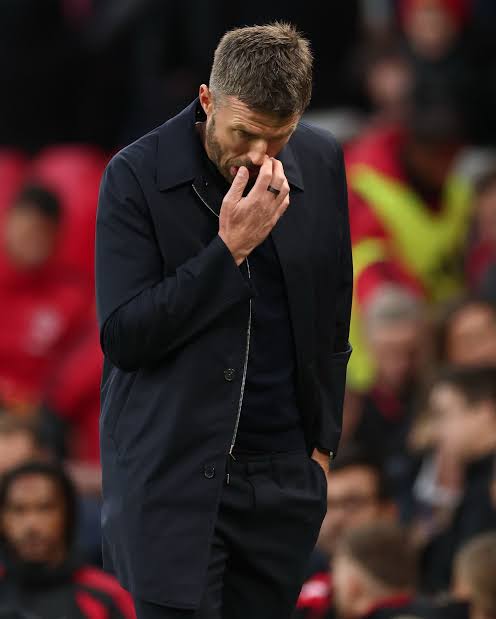 MAN UTD HAND CARRICK A NEW LEASE OF LIFE
-
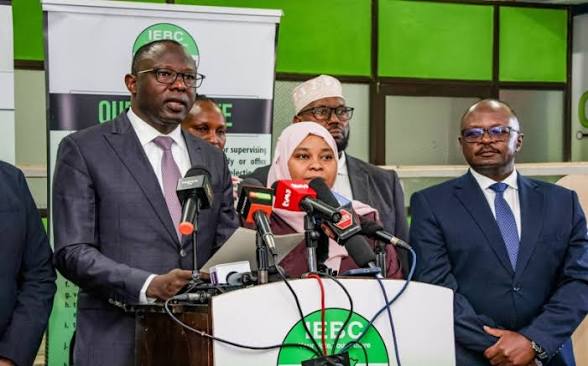 IEBC SUSPENDS UPCOMING ELECTIONS
-
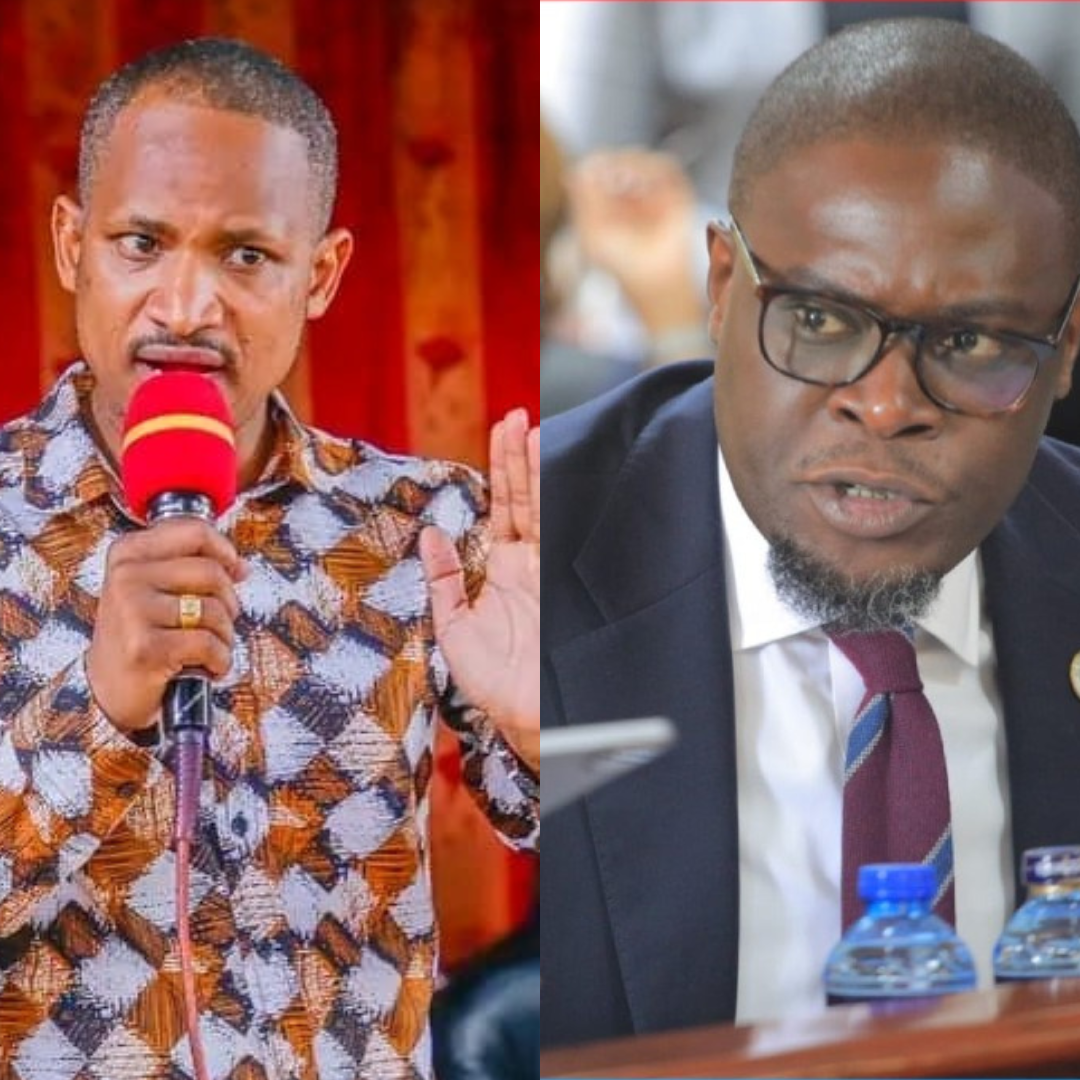 “NO APOLOGY, SEE YOU IN COURT” — BABU DEFIES SAKAJA
-
 HARRY KANE ENDS ENGLAND’S 25-YEAR BALLON D’OR WAIT
-
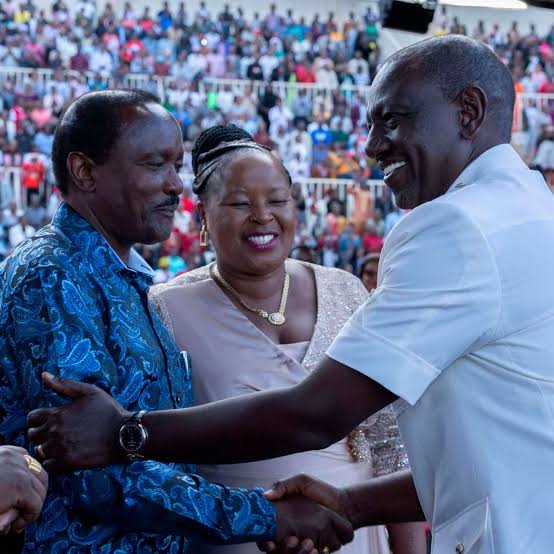 RUTO LOVE BOMBS UNYIELDING KALONZO
-
 OBINNA, BABY MAMA CLASH OVER DAUGHTER’S FUTURE AFTER ALLEGED EVICTION
-
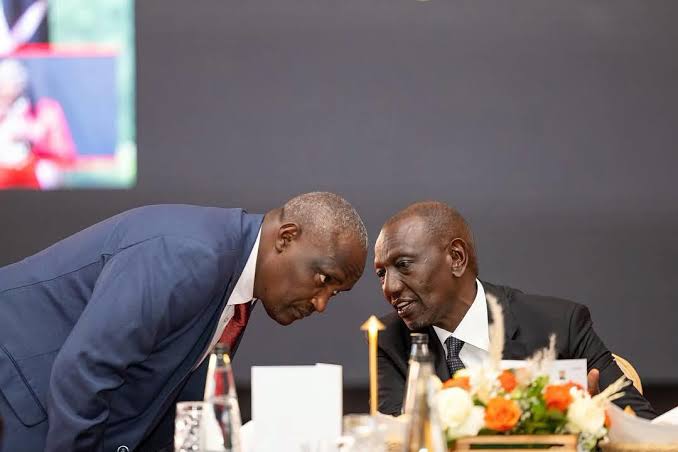 NEW PAYE TAX EXEMPTION TO TAKE EFFECT IN JANUARY- MBADI
-
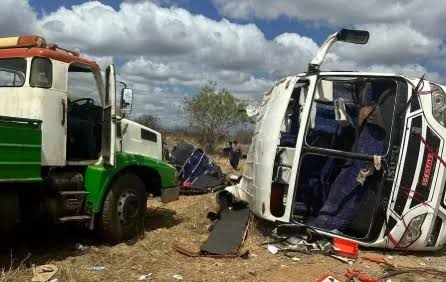 MTITO ANDEI CRASH LINKED TO RECKLESS OVERTAKING
-
 AA Kenya honours road safety champions at 2026 awards
“NO APOLOGY, SEE YOU IN COURT” — BABU DEFIES SAKAJA
Embakasi East MP Babu Owino has dared Nairobi Governor Johnson Sakaja to take him to court over allegations linking City Hall to the collapsed Eastleigh building, refusing to apologise or withdraw his statements as he demands accountability for the tragedy.
Owino has maintained that the circumstances surrounding the October 23 collapse must be explained, insisting that threats of legal action will not stop him from questioning the county government's handling of construction approvals and enforcement.
“Let’s meet in court, SAKAJA. I will not apologise to a man who has destroyed the lives of Nairobians. He MUST answer for the suffering of Nairobians,” Owino said in a statement on Monday.
“If you have nothing to hide, answer the hard questions. We shall meet in court,” he added.
The legislator's remarks came after Sakaja, through his lawyers, issued a six-hour ultimatum demanding that he pull down social media posts linking the governor to a disputed development approval for the building that collapsed along Yusuf Haji Avenue, commonly known as 9th Street, in Eastleigh.
The demand has since developed into a public and legal confrontation involving Owino, the governor and registered architect Okeya Hempstone Nyawanda, whose legal representatives accused the MP of publishing defamatory information concerning the development on land reference number LR/Parcel No. 36/11/40 in Kamukunji Sub-county.
Through his lawyer, Collins Mango, Owino rejected the demand, maintaining that his client would neither remove the posts nor apologise to Nyawanda or Sakaja for calling for answers over the incident.
“Our client will neither apologise to your client nor to Governor Johnson Sakaja for demanding answers over a tragedy that has claimed lives and left families devastated,” Mango said.
The lawyer further vowed that the legislator would intensify his calls for explanations from City Hall.
“Our client will continue to call upon Governor Sakaja and the relevant County Government authorities, this time round, LOUDER, to explain the circumstances,” Mango said in the response to the demand letter.
Owino also framed his defiance around the suffering of families affected by the collapse, arguing that the urgency of the disaster could not be addressed through a six-hour legal ultimatum.
“People are dying. Families are living in agony, and Nairobians remain trapped beneath a collapsed building. Behind every life lost is a family whose world has been shattered,” he said.
He added that residents deserved accountability rather than what he described as attempts to silence critics.
“Nairobians deserve answers, accountability and justice; not excuses, arrogance or attempts to silence those demanding answers. We will not be intimidated, and we will not allow this tragedy to be swept under the carpet,” Owino said.
In a separate post rejecting the threat of litigation, the MP made his position equally clear.
“See you in court! I want to cross-examine you for seven hours straight. I will have you for breakfast!” he posted.
Mango maintained that his client was prepared to defend his position on the facts and the law should Nyawanda proceed with a lawsuit.
“Six hours may be sufficient to issue an ultimatum; it is hardly sufficient to resolve the questions raised by a tragedy of this magnitude,” the lawyer said.
The confrontation stems from competing accounts of whether the collapsed building had received the necessary county approvals before construction began.
Owino published a document he described as a Nairobi City County Notification of Approval, arguing that it contradicted Sakaja's claim that the development had not been authorised. The MP referred to an approval dated February 13, 2024, while reports on the document have also cited February 25, 2024, as its generation date.
Using the document to challenge the governor's explanation, Owino accused Sakaja of misleading Kenyans and alleged that a KSh120 million bribe had been paid to secure the approval.
“Sakaja LIED to Kenyans that the building that collapsed in Eastleigh had NO APPROVAL yet He approved the construction. I have posted the approval that was done on 13th February, 2024. This is a big joke from the incompetent Sakaja. He must take responsibility for this tragedy after collecting a bribe of 120million,” Owino posted.
Sakaja has dismissed the document as fake, insisting that Nairobi City County approved a change of user for the property but did not approve the architectural plans required for construction.
In a statement on X, the governor said the developer applied in August 2024 to change the property's use from residential to residential and commercial. The request was approved in October that year, he said, but permission to proceed with the building itself was never granted.
“I have seen some people peddling a fake approval document alleging that the Eastleigh development was approved. It is telling that this is the same document that the Eastleigh developer used to get NCA approval. They allege that the development was approved in January of 2024. This is not true.
The application for development as shown below was made in November of 2024, it could not have been approved in February of the same year. Also, there is a difference between a change of user approval and a development approval.
The developer applied for change of use from residential to residential & commercial in August of 2024. Change of user was approved in October of 2024. Development approval has never been granted. The developer went on to build with impunity and without building approvals despite enforcement action by the county and arrests.”
The governor's explanation centres on the distinction between approval to change a property's designated use and authorisation of the actual building plans.
Sakaja has also shared police reports dated July 16, which he says document alleged breaches of county laws connected to the development and show that enforcement action had been taken.
The legal dispute widened after advocates representing Nyawanda issued a demand letter dated October 25, requiring Owino to remove his publications on X and Facebook within six hours.
The lawyers argued that the posts wrongly linked their client to the disputed approval, damaging his professional reputation, public image and personal morale. They warned that failure to comply would result in legal proceedings.
The advocates also attached Nyawanda's practising certificate, arguing that he was a registered architect rather than a physical planner, as described in the disputed publication.
Mango rejected the argument, maintaining that professional designations alone could not settle questions about the approval document or establish that his client's statements were false or defamatory.
He further argued that the collapse raised legitimate concerns about public safety, regulatory oversight and accountability in the approval and enforcement of building regulations.
Owino's legal team has maintained that the county administration should remain open to scrutiny because of its responsibility for planning and development enforcement.
The threatened proceedings have not, by themselves, determined whether the disputed statements are defamatory or whether the competing claims about the approval are accurate
The dispute has drawn further attention to the county's enforcement record and the actions taken before the building collapsed.
Correspondence shared by Sakaja indicates that he had previously written to the Office of the Director of Public Prosecutions (ODPP), raising concerns about stalled prosecutions involving county law violations since 2024. He reportedly sought the gazettement of special prosecutors, revised charging guidelines and approval for six nominated officers to strengthen enforcement.
However, the ODPP reportedly said Nairobi County had not submitted an official inquiry file concerning the Eastleigh incident and directed the Directorate of Criminal Investigations (DCI) to investigate possible criminal negligence involving county officials and developers.
On Monday, Sakaja also questioned the release of suspects arrested over alleged violations of county planning regulations. He claimed some had been freed on KSh50,000 cash bail without being presented in court and called on police to explain the circumstances.
The competing accounts have intensified questions about how construction continued despite the county's stated enforcement efforts and whether the relevant approval, inspection and prosecution procedures were properly followed.
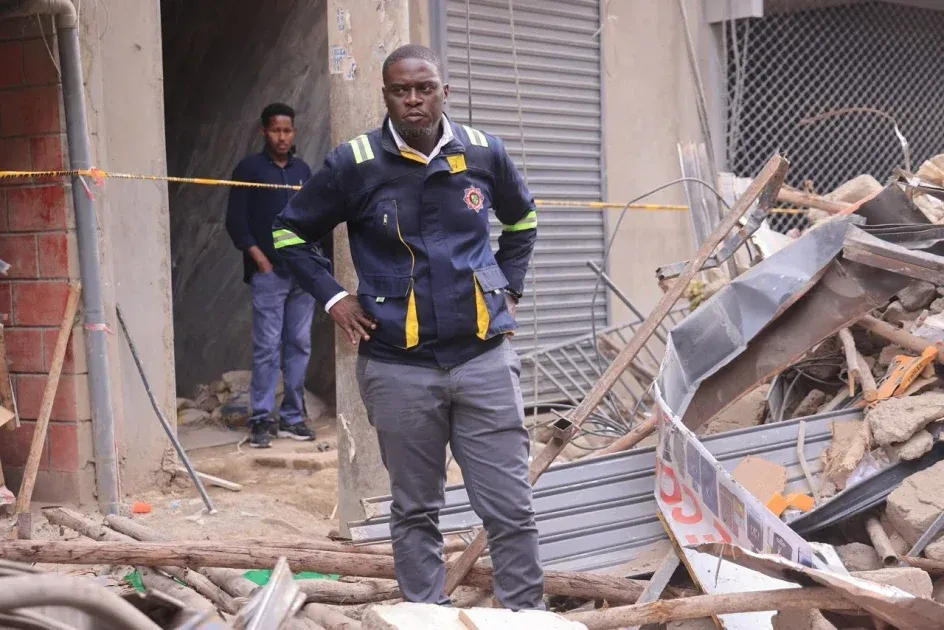
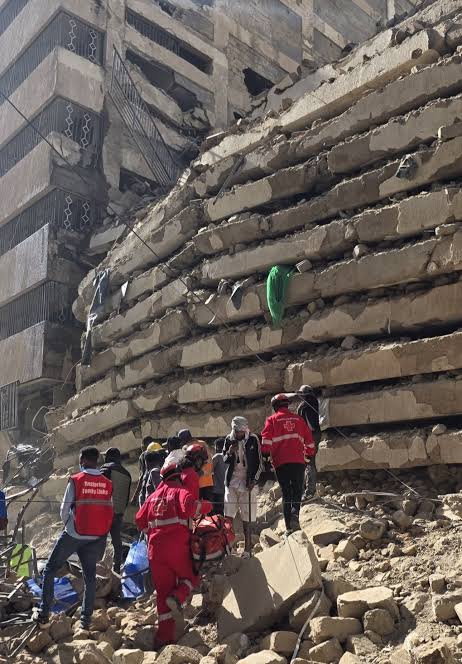
The building collapsed on October 23, triggering a multi-agency rescue operation involving the Kenya Red Cross, the Kenya Defence Forces, police and other emergency teams.
The National Police Service reported on October 25 that four people had been rescued and were receiving medical treatment in hospital.
Principal Secretary for Micro, Small and Medium Enterprises Development Susan Mang'eni said 47 people had been reported missing. At the time of the update, the Kenya Red Cross had traced nine people and linked them to their families, leaving 38 still unaccounted for.
Families searching for missing relatives were advised to report to the Kenya Red Cross desk at the scene or call 1199.
The collapse has renewed scrutiny of building safety, inspection procedures and enforcement of construction regulations in Nairobi, where previous building failures have raised concerns about the responsibilities of developers, professionals and public officials.
Comments (0)
No comments yet. Be the first to comment!