

-
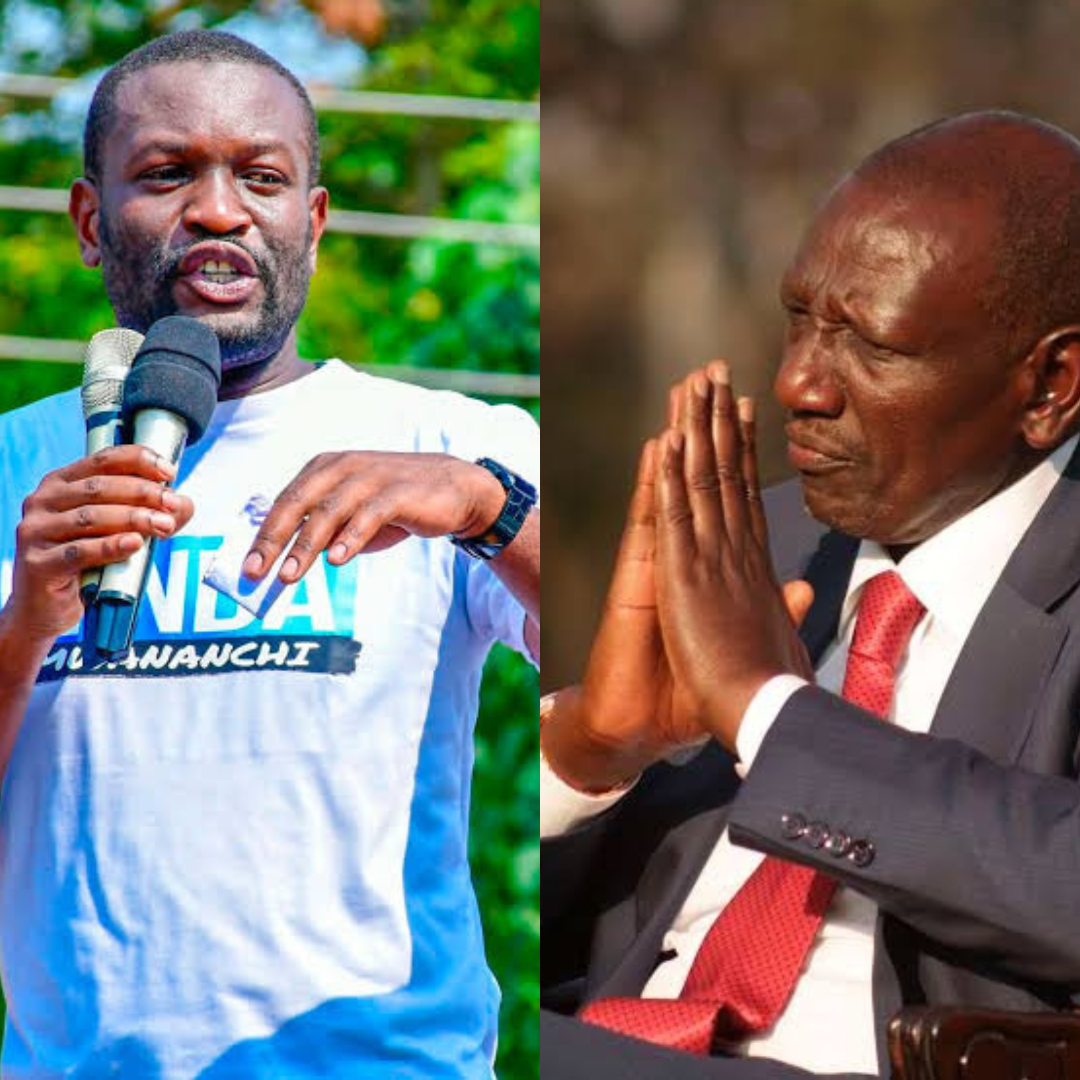 SIFUNA SLASHES RUTO'S VOTE BANK TO 10%
-
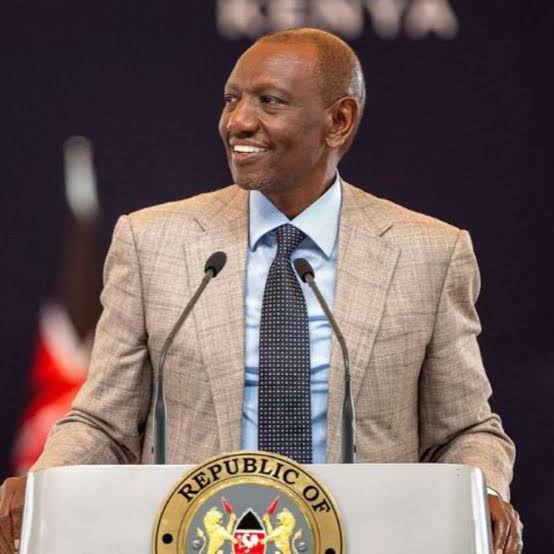 BOTTOM-UP TO USAWA NI SAWA; RUTO REBRANDS.
-
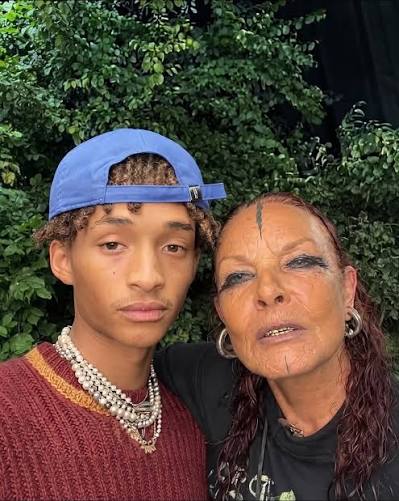 ROMANCE OR RUMOURS? JADEN, LAMY DATING CLAIMS DEBUNKED
-
 RUTO STOOPS TO DEFEND MILLION-SHILLING FASHION
-
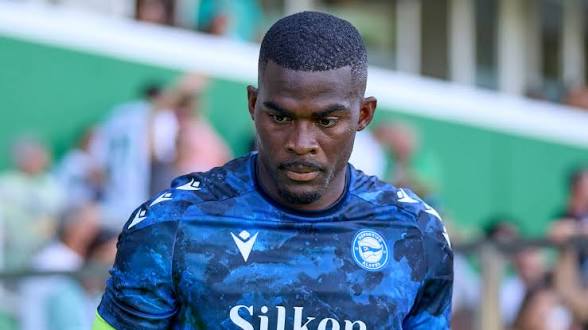 OWONO FACES MAXIMUM BAN AFTER DE MIGUEL'S DEATH
-
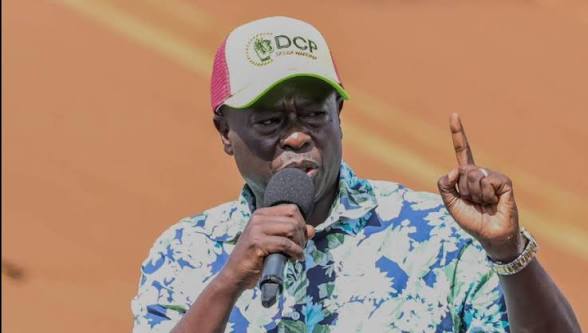 NIS BEHIND FAKE POLLS, GACHAGUA CLAIMS
-
 DON'T DRAG MY NAME FOR CLOUT, JALANG'O WARNS BAHATI
-
 JUMWA REJOINS UDA, SPARKS SPY SPECULATIONS
-
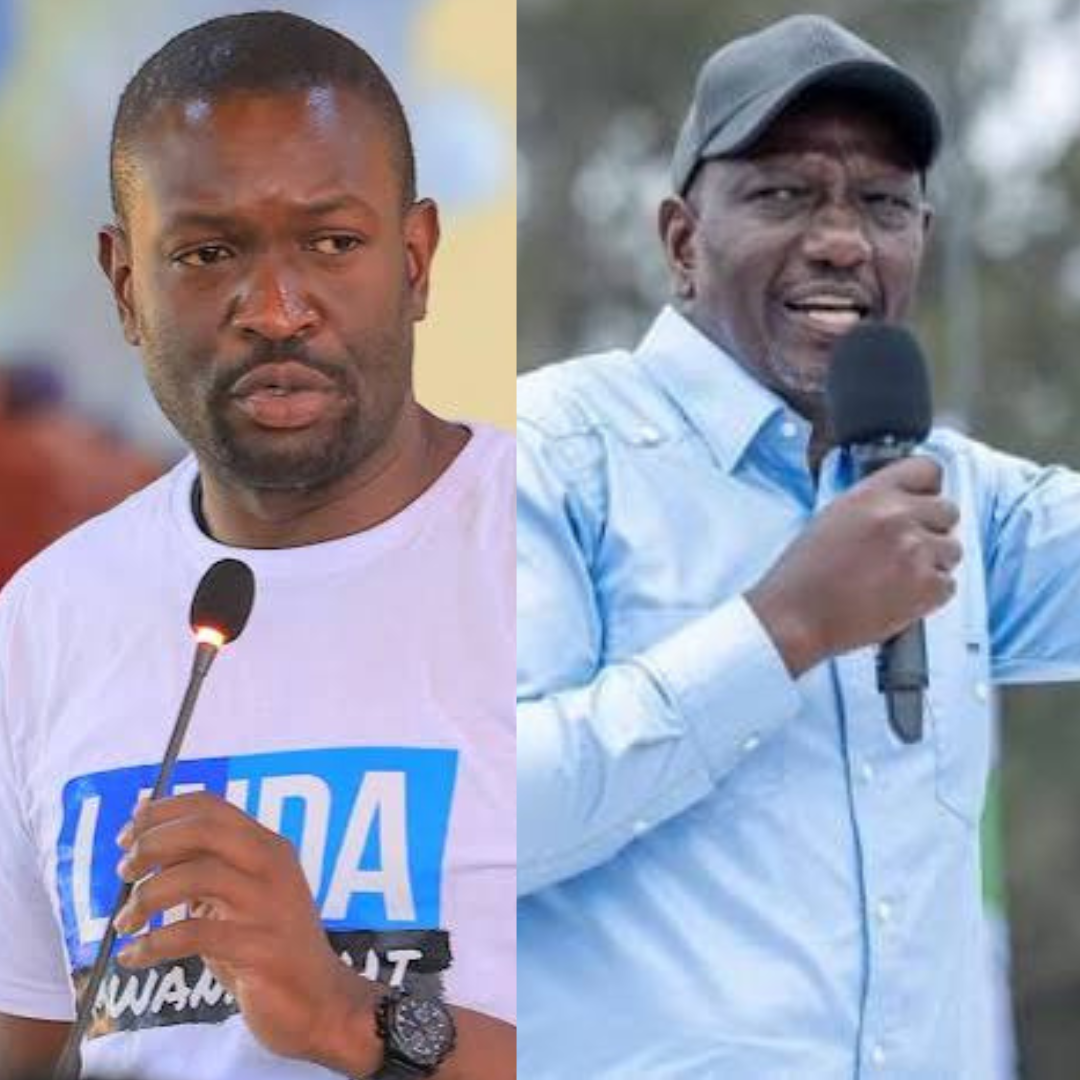 RUTO, SIFUNA DRAW IN 2027 PRESIDENTIAL POLL
BOTTOM-UP TO USAWA NI SAWA; RUTO REBRANDS.
President William Ruto has placed his new “Usawa ni Sawa” message at the centre of his development agenda, shifting from the 2022 “Hustler Nation” narrative as he seeks to consolidate national support ahead of the August 2027 General Election.
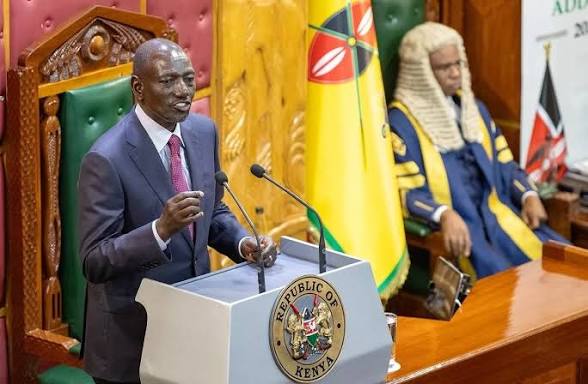
Speaking during his fourth State of the Nation Address at Parliament Buildings in Nairobi on Wednesday, November 18, 2026, Ruto defended his administration’s commitment to equitable resource distribution, arguing that every Kenyan, regardless of their region or economic background, deserves an equal share of the country's development opportunities.
The President linked the new slogan to his ambition of building a country where no community feels excluded from government investment, citing historical inequalities in infrastructure and access to essential services.
“My greatest ambition, the dream of building a Kenya where every citizen counts, every community belongs and no Kenyan is left behind is taking shape. At the heart of this principle is ‘usawa’,” he said.
Ruto anchored his argument in Article 174 of the Constitution, which outlines the objectives of devolution, including equitable sharing of national and local resources. He also cited Article 204, which establishes the Equalisation Fund to improve access to basic services in marginalised areas.
He told Parliament that his administration had disbursed Sh1.55 trillion to county governments through equitable revenue sharing over the past four years, with another Sh428 billion allocated in the current financial year.
Additionally, Sh16.8 billion had been appropriated through the Equalisation Fund for development projects in historically marginalised regions.
The funds, according to the President, are intended to improve access to water, roads, healthcare and electricity in communities that have traditionally lagged behind in national development.
“These resources are intended to improve access to essential services and infrastructure, including water, roads, healthcare, and electricity, so that communities previously left behind can progressively attain standards enjoyed elsewhere,” he said.
He maintained that Kenya's development strategy must extend beyond increasing economic output to ensuring that the benefits reach all parts of the country.
“We are therefore changing not only the scale of national development but also its geography and its reach,” he added.
The President described “Usawa ni Sawa” as an extension of his Bottom-Up Economic Transformation Agenda (BETA), insisting that the new approach does not abandon the economic philosophy that helped propel him to power in 2022.
“That is the promise of bottom-up finding expression in Usawa, a republic in which opportunity is not the privilege of a few regions, but the rightful expectation of every Kenyan,” he said.
The shift in messaging comes after Ruto introduced the phrase “Usawa ni Sawa, Mbele Pamoja” during a public rally in Bondo, Siaya County, on October 7, 2026, shortly after presiding over the handover of the mausoleum of the late former Prime Minister Raila Odinga.
He subsequently popularised the message during his North Rift tour and the Mashujaa Day celebrations in Eldoret on October 20.
The United Democratic Alliance (UDA) has since formally adopted the slogan, replacing its previous “Kazi ni Kazi” tagline. A notice issued by party Secretary General Hassan Omar on November 5 confirmed the change as the ruling party prepares for the next general election.
The new political messaging is also reflected in the administration's development priorities, which include affordable housing, digital employment, overseas job opportunities, agricultural reforms, education and support for small businesses.
The government has cited the affordable housing programme, which it says has engaged one million people, alongside 400,000 Kenyans benefiting from digital employment opportunities and 700,000 securing overseas jobs.
Other initiatives include the Hustler Fund, the NYOTA youth empowerment programme and the Access to Government Procurement Opportunities (AGPO) initiative, which targets women, young people and persons with disabilities.
In education, Ruto pointed to increased teacher recruitment, classroom construction and expanded student accommodation, alongside proposed legislative changes intended to improve access to university, Technical and Vocational Education and Training (TVET) and Kenya Medical Training College (KMTC) education.
The administration has also highlighted agricultural interventions aimed at improving farmers' earnings by reducing the influence of middlemen in the coffee, tea, milk and sugarcane sectors.
However, the President's latest political message has attracted criticism from sections of the opposition, particularly former Deputy President and Democracy for the Citizens Party (DCP) leader Rigathi Gachagua.
Gachagua has dismissed “Usawa ni Sawa” as a political manoeuvre, arguing that it repackages the promises made under the previous Hustler Nation campaign without adequately addressing the country's economic challenges and development inequalities.
He also accused Ruto of ethnic-based political mobilisation and making contradictory appeals to different communities as he seeks support ahead of the 2027 elections.
On November 17, Gachagua questioned the President's relationship with the Mount Kenya region, claiming that political tensions had affected economic confidence and investment.
“Since Ruto declared war on the mountain, the economy is almost collapsing because people have stopped paying taxes, people have stopped investing, they are waiting for the next government... This is a community that is responsible for the growth of Kenya,” Gachagua said.
He has further questioned the administration's senior appointments, arguing that they contradict its public commitment to fairness and equal representation.
The political exchanges were reflected in Wednesday's State of the Nation Address, which unfolded against the backdrop of divisions among political leaders and rival mobilisation ahead of the 2027 elections.
Ruto arrived in Parliament amid chants of “Usawa ni Sawa” from his supporters, while ODM leader and Siaya Senator Oburu Oginga also received chants of “Pawa” upon his arrival.
However, several opposition lawmakers stayed away from the joint parliamentary sitting.
A section of legislators allied to Gachagua's DCP party instead gathered at his Wamunyoro residence in Nyeri, where the former Deputy President hosted lawmakers and welcomed politicians who had recently defected from UDA.
Among those present were Kiambu Senator Karungo wa Thang'wa, Kamukunji MP Yusuf Hassan, Kajiado North MP Onesmus Ngogoyo and Starehe MP Amos Mwago. Recent UDA defectors Gabriel Kagombe, Wachira Karani and Nyeri Woman Representative Rahab Mukami were also reported to have attended.
Gachagua used the gathering to announce his party's ambition of securing 60 parliamentary seats ahead of the 2027 elections.
Nairobi Senator Edwin Sifuna also skipped the address, spending the afternoon with supporters of the Linda Mwananchi Movement at its headquarters in Nairobi.
Sifuna dismissed the President's speech as self-praise, arguing that it failed to adequately address the difficulties facing ordinary Kenyans.
Wiper Party leader Kalonzo Musyoka similarly criticised the address, describing it as an insult to victims of the Gen Z demonstrations and questioning its relevance to the everyday concerns of citizens.
Despite the criticism, Ruto urged political leaders to avoid mobilising Kenyans along ethnic and regional lines, warning against treating communities as voting blocs.
“No community should be reduced to a voting bloc. No region should be asked to surrender its judgement to a personality,” he said.
The President also reiterated his ambition of transforming Kenya into a first-world economy within the current generation, arguing that equitable development would be essential to achieving that goal.
The new slogan therefore marks a significant evolution in Ruto's political communication, moving from the class-based Hustler Nation narrative, which focused on low-income earners and small-scale traders, towards a broader message centred on regional inclusion and national resource distribution.
However, whether the change will translate into tangible development remains a major question as the country approaches the 2027 General Election.
The administration is expected to face pressure to ensure that the billions allocated to counties and marginalised regions are producing measurable improvements in public services, infrastructure and household livelihoods.
Comments (0)
No comments yet. Be the first to comment!