

-
 AA Kenya honours road safety champions at 2026 awards
-
 ONANA HOSPITALISED AFTER MULTI-CAR CRASH
-
 EASTLEIGH BUILDING COLLAPSE RAISES QUESTIONS OVER COUNTY APPROVALS
-
 MBAVU DESTROYER ENTERS 2027 POLITICAL RACE
-
 AMBIА’S ABSURD COURTROOM EXPRESSIONS SPARK UPROAR
-
 OMAH LAY HOSPITALISED AFTER ACCIDENT DURING TOUR REHEARSAL
-
 NJERI MAINA, MURANGO DROP ‘HIT AND RUN’ REAGGAE BANGER
-
 BRUNO THROWS REPENTANT CARRICK UNDER THE BUS
-
 MOSIRIA FIRES SARCASTIC SHOT AT SAKAJA AFTER SACKING
ELECTRICITY BILLS DROP AS GOVERNMENT PROMISES FURTHER DIESEL PRICE CUTS.
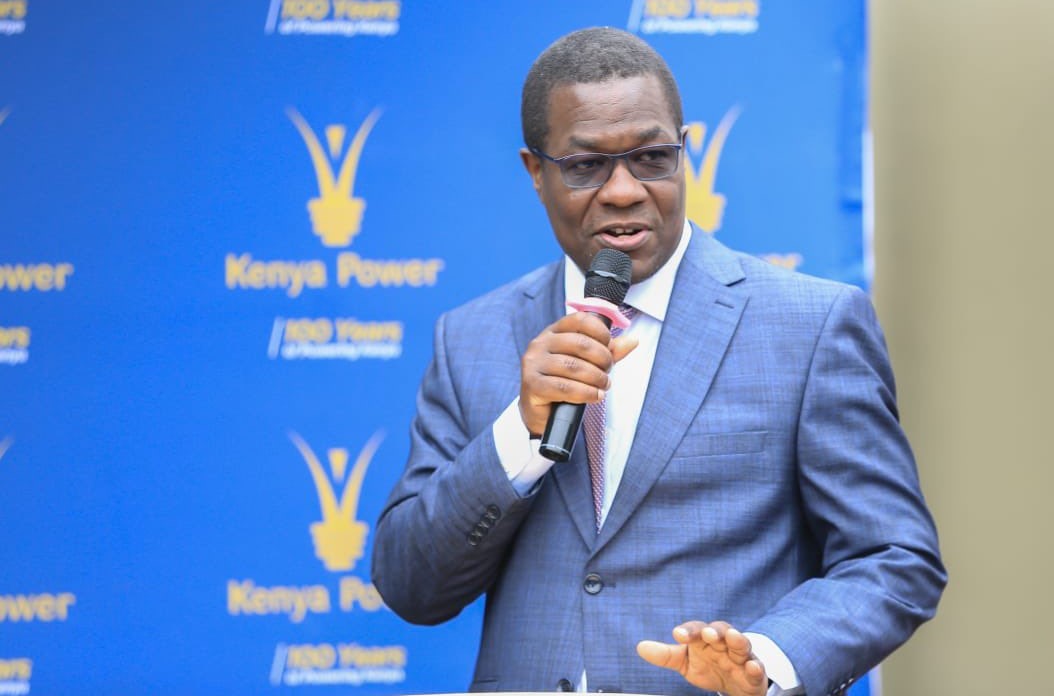
Kenyan households and businesses are set to benefit from lower energy costs after the government announced a reduction in electricity charges and pledged further cuts in diesel prices during the next fuel review.
Speaking on Wednesday after a consultative meeting between the Ministry of Energy and Petroleum and representatives of the manufacturing sector under the Kenya Association of Manufacturers (KAM), Energy Cabinet Secretary Opiyo Wandayi said the measures are aimed at easing the cost of living, lowering production expenses, and supporting economic growth.
Wandayi announced that electricity costs have fallen by Sh0.2685 per kilowatt-hour in the June 2026 billing cycle, a move expected to provide relief to both domestic and industrial consumers.
“In this June 2026 cycle, electricity costs have reduced by Sh0.2685 per kilowatt hour,” Wandayi said.
According to the CS, the reduction was driven by a significant decline in the foreign exchange adjustment component, lower fuel energy costs, reduced water tariffs, and increased hydropower generation.
“This reduction is driven by a significant drop in the forex adjustment component, the water tariff, a decrease in fuel energy costs and increased hydropower generation,” he said.
Wandayi noted that the government had also suspended a planned electricity tariff review that would have increased power costs, describing the move as part of broader efforts to cushion consumers and businesses from rising expenses.
“At the same time, we continue to honour our commitments to cushion businesses and, by extension, households. The government suspended the proposed electricity tariff review,” he said.
The CS said the latest adjustments reflect the government's commitment to ensuring that gains made within the energy sector directly benefit consumers.
“This reflects our commitment to ensuring that gains within the sector are shared directly with Kenyans,” he stated.
Beyond electricity costs, the government also announced plans to further reduce diesel prices during the next monthly fuel pricing review scheduled for June 14, 2026.
The move, Wandayi said, is intended to lower transport and production costs across key sectors of the economy, including agriculture, manufacturing and public transport.
“We remain equally committed to supporting productive sectors and lowering the cost of doing business. In line with the commitment made by His Excellency the President to the Public Transport sector and other industry players, the Government will ensure further reduction in diesel prices in the next monthly review, recognising that diesel powers transport, agriculture, manufacturing and the wider economy. Lower diesel prices ultimately translate into lower costs for businesses and greater relief for Kenyan families," he said.
Diesel currently retails at Sh232.86 per litre in Nairobi following a mid-cycle review by the Energy and Petroleum Regulatory Authority (EPRA) that reduced the price by Sh10.06 per litre.
Wandayi also assured Kenyans that the country has secured adequate fuel supplies through the end of July despite continued volatility in global energy markets.
“Fuel deliveries have already been secured through the end of July, ensuring uninterrupted supply and shielding Kenyans from the shortages and disruptions experienced elsewhere,” he said.
He added that the government remains focused on ensuring affordable, reliable and sustainable energy supplies for industries and consumers despite uncertainty in global energy markets.
“The Government remains firmly committed to ensuring affordable, reliable and sustainable energy for our industries and in effect, their customers. Even in the face of continued uncertainty in global energy markets, our focus remains clear: protecting consumers, supporting productive sectors and maintaining the stability needed for our economy to continue growing,” he said.
As part of efforts to support businesses, Wandayi highlighted the Time-of-Use tariff programme, which enables industries to consume electricity during off-peak hours at lower rates, reducing production costs.
Energy sector stakeholders have welcomed the reduction in electricity costs, saying it could improve affordability for consumers while lowering operating expenses for businesses.
Analysts also believe lower power costs could boost investment, increase disposable income among households and enhance the competitiveness of local manufacturers.
Looking ahead, Wandayi said the government is investing in electricity generation, transmission infrastructure and renewable energy projects to strengthen long-term energy security and support industrial growth.



Comments (0)
No comments yet. Be the first to comment!