

-
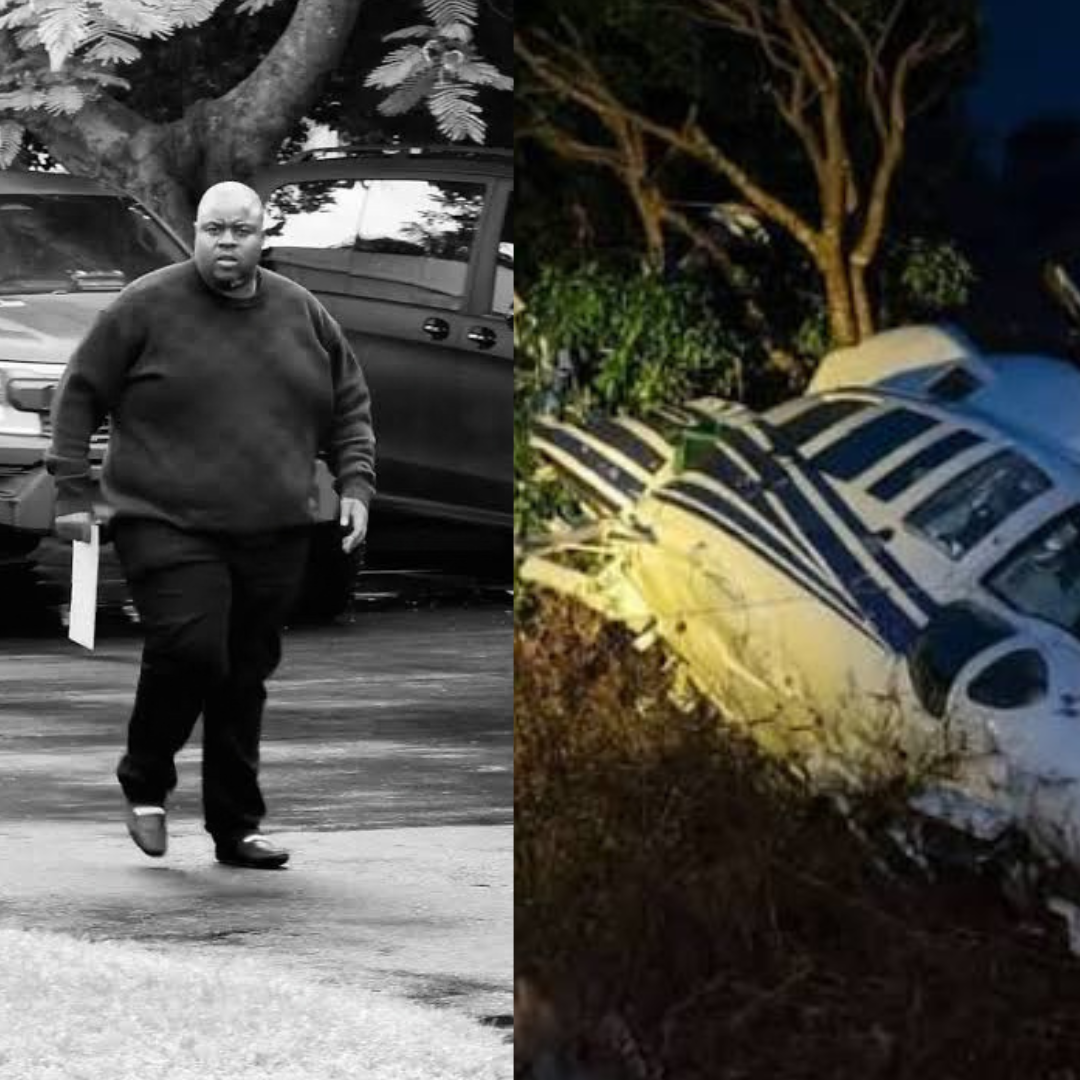 CHIVAYO DIES IN HELICOPTER CRASH
-
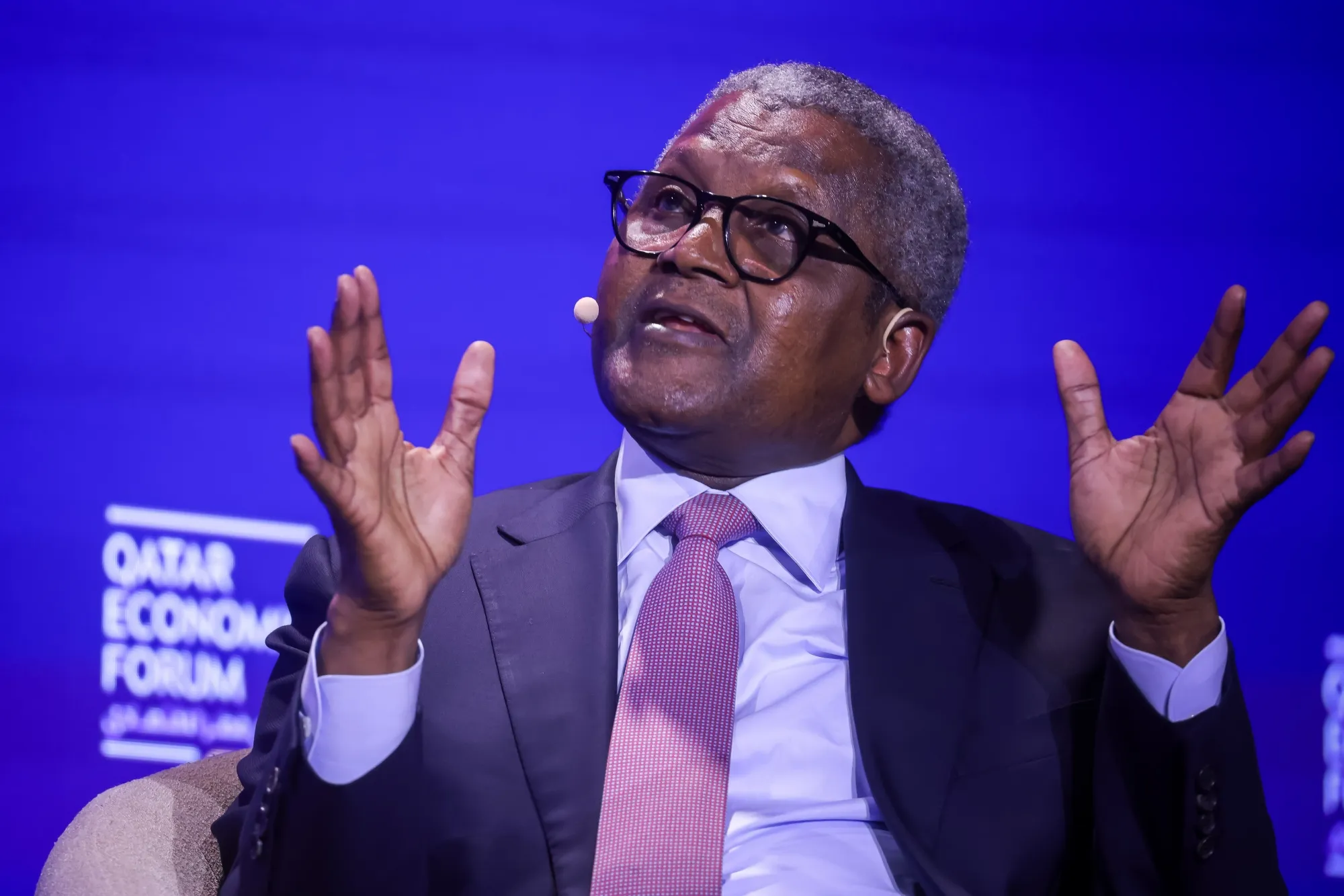 DANGOTE SHRUGS OFF LAMU PROTESTS, BRACES FOR COURT BATTLE
-
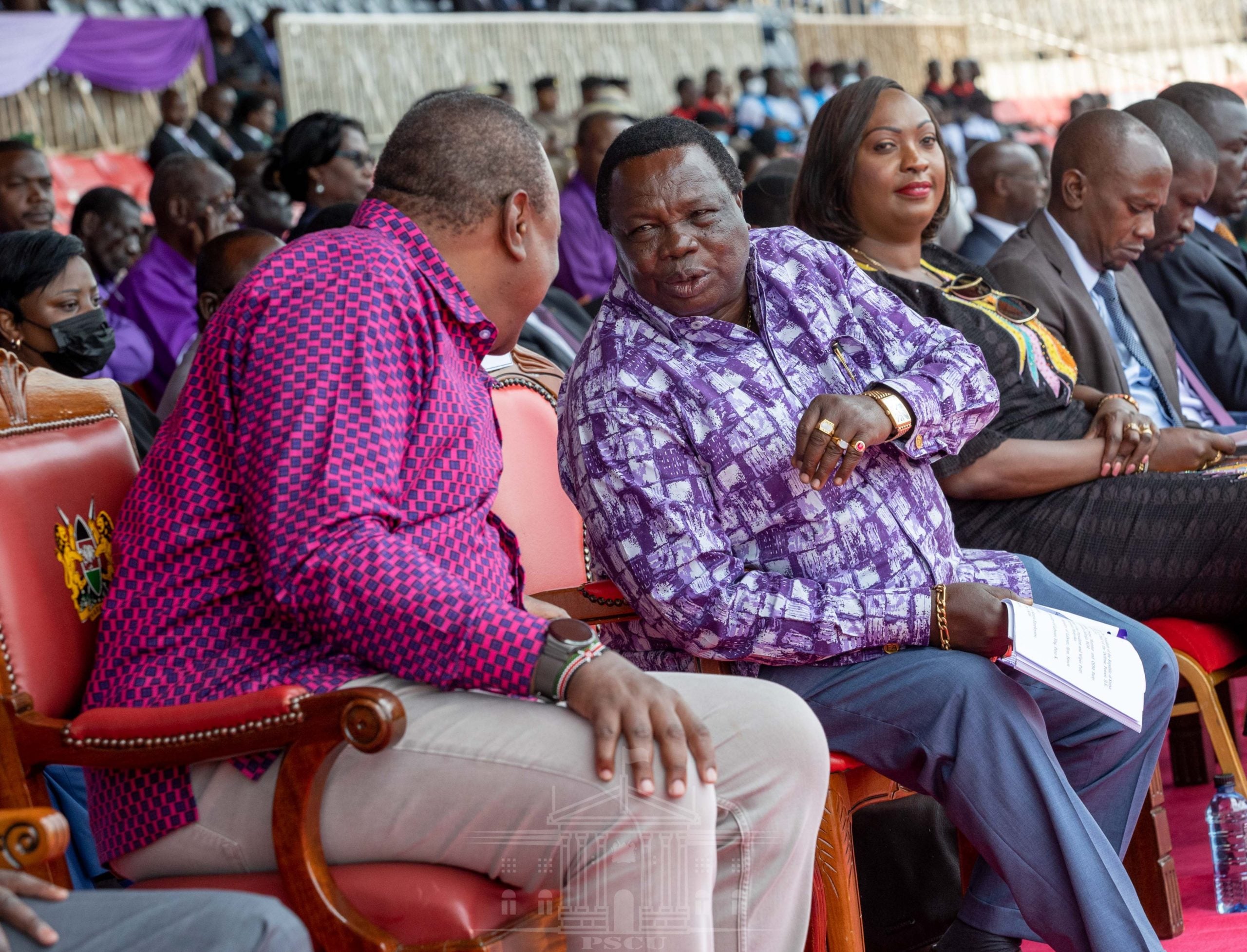 ATWOLI CALLS FOR UHURU'S ARREST OVER RAILA 2022 CLAIMS
-
 Karura race draws more than 1,000 runners ahead of Nairobi Marathon
-
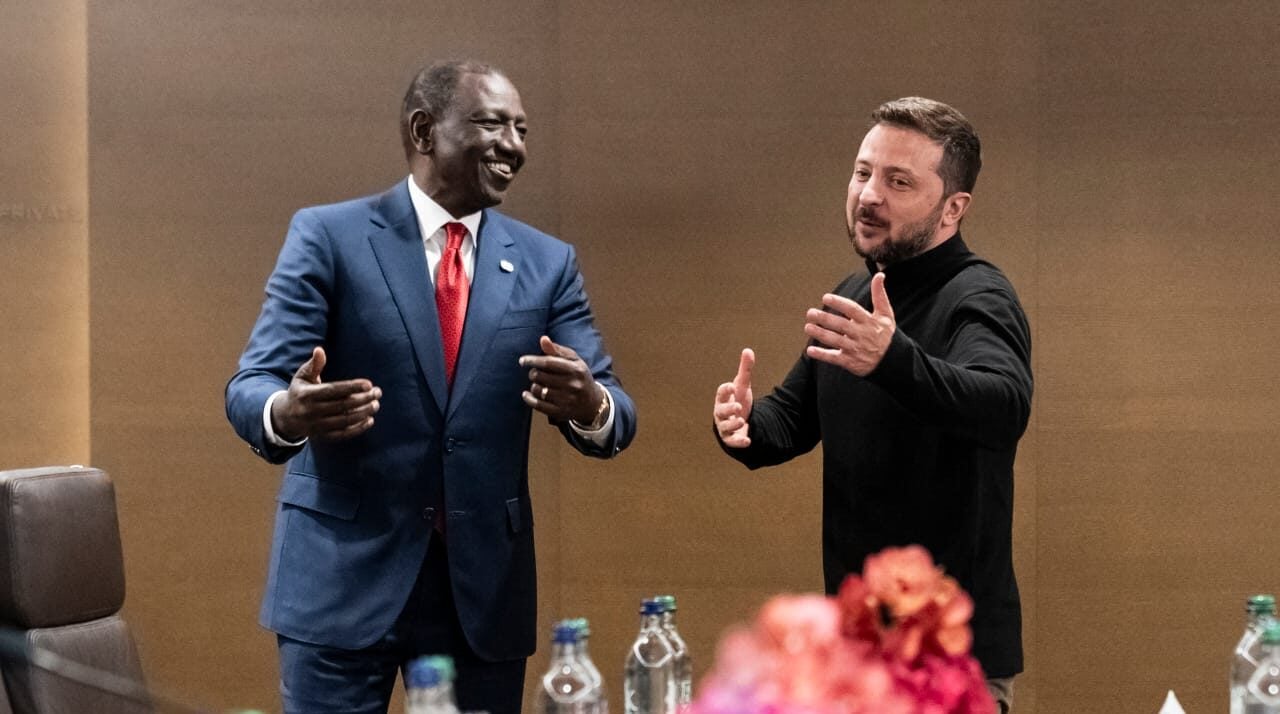 ZELENSKYY FLAGS KENYA TO UN OVER RUSSIA WAR RECRUITMENT
-
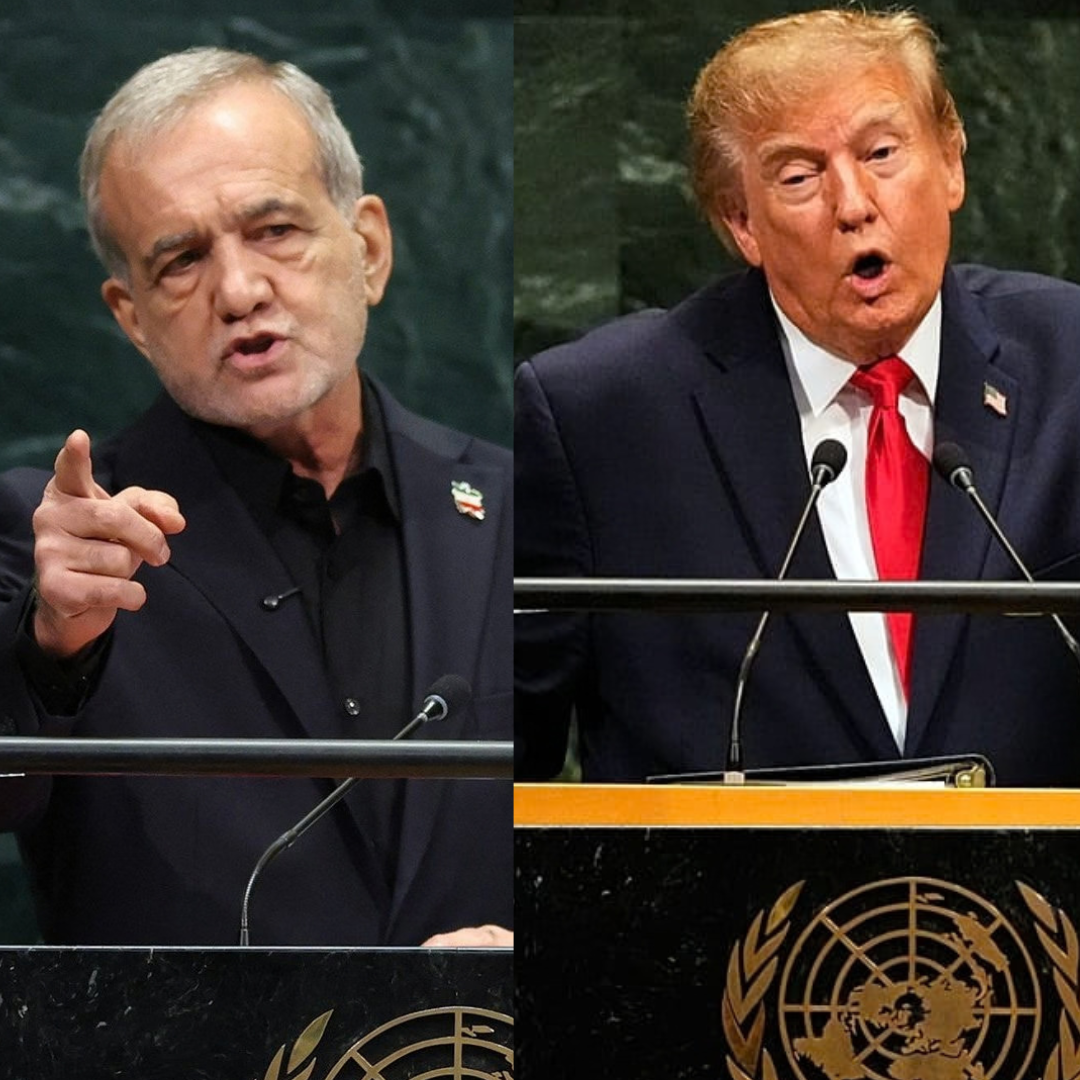 IRAN-US LOCK HORNS AT UNGA
-
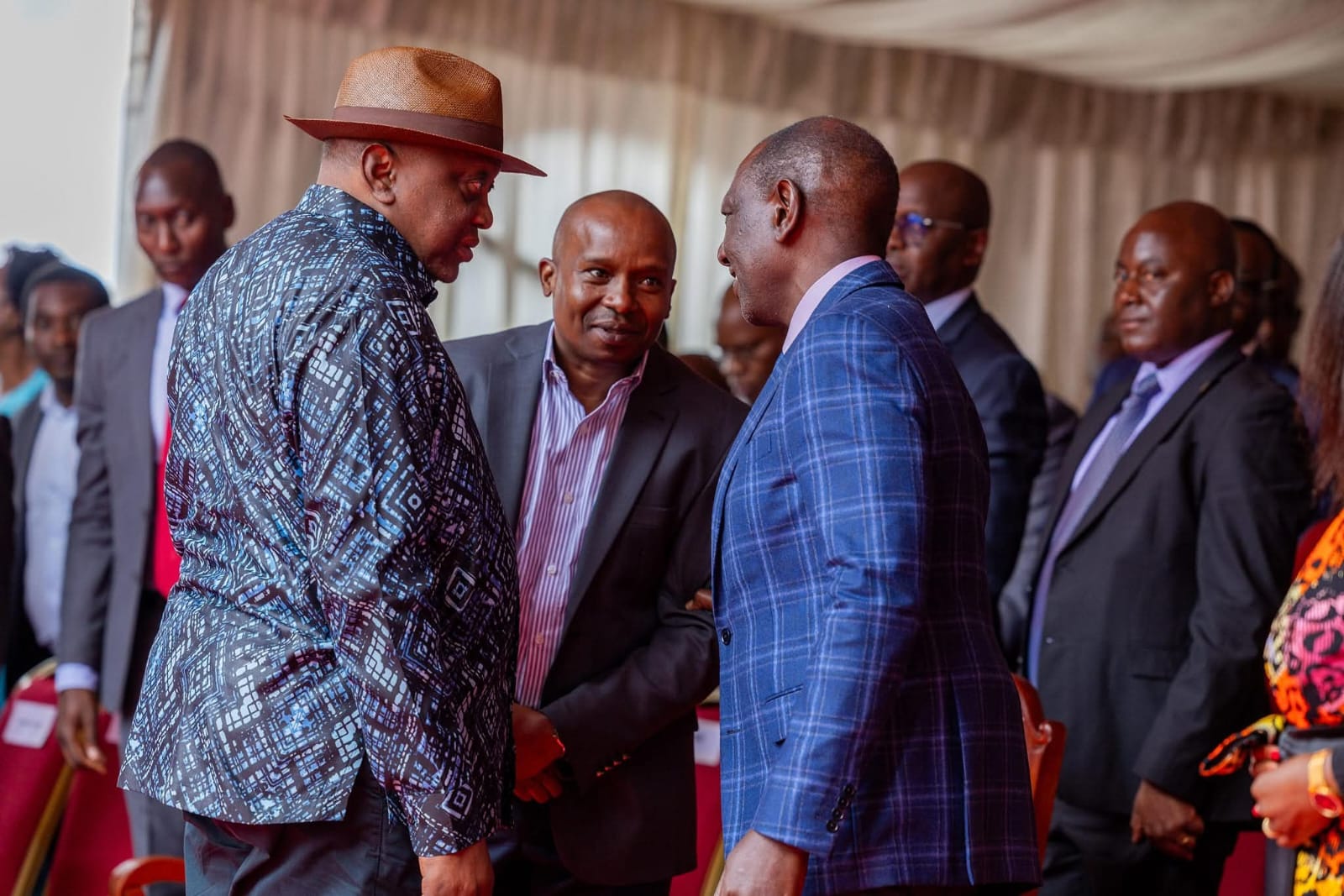 UHURU BACK ON 2027 POLITICAL FRONTLINE AFTER COURT RULING
-
 KAIKAI DISPUTES OMBIJA’S CLAIM GACHAGUA SOUGHT HIS SACKING
-
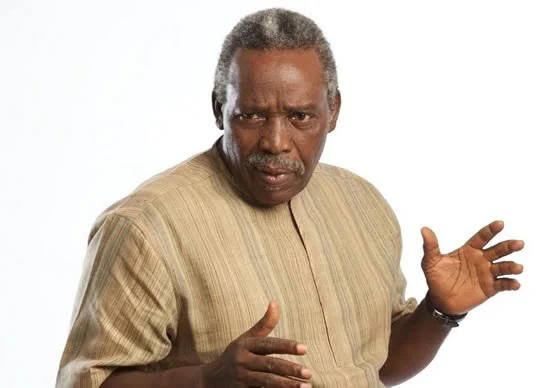 NOLLYWOOD ICON OLU JACOB DIES AT 84
Greenpeace Pushes Taxing Super Rich to Fund Climate Action
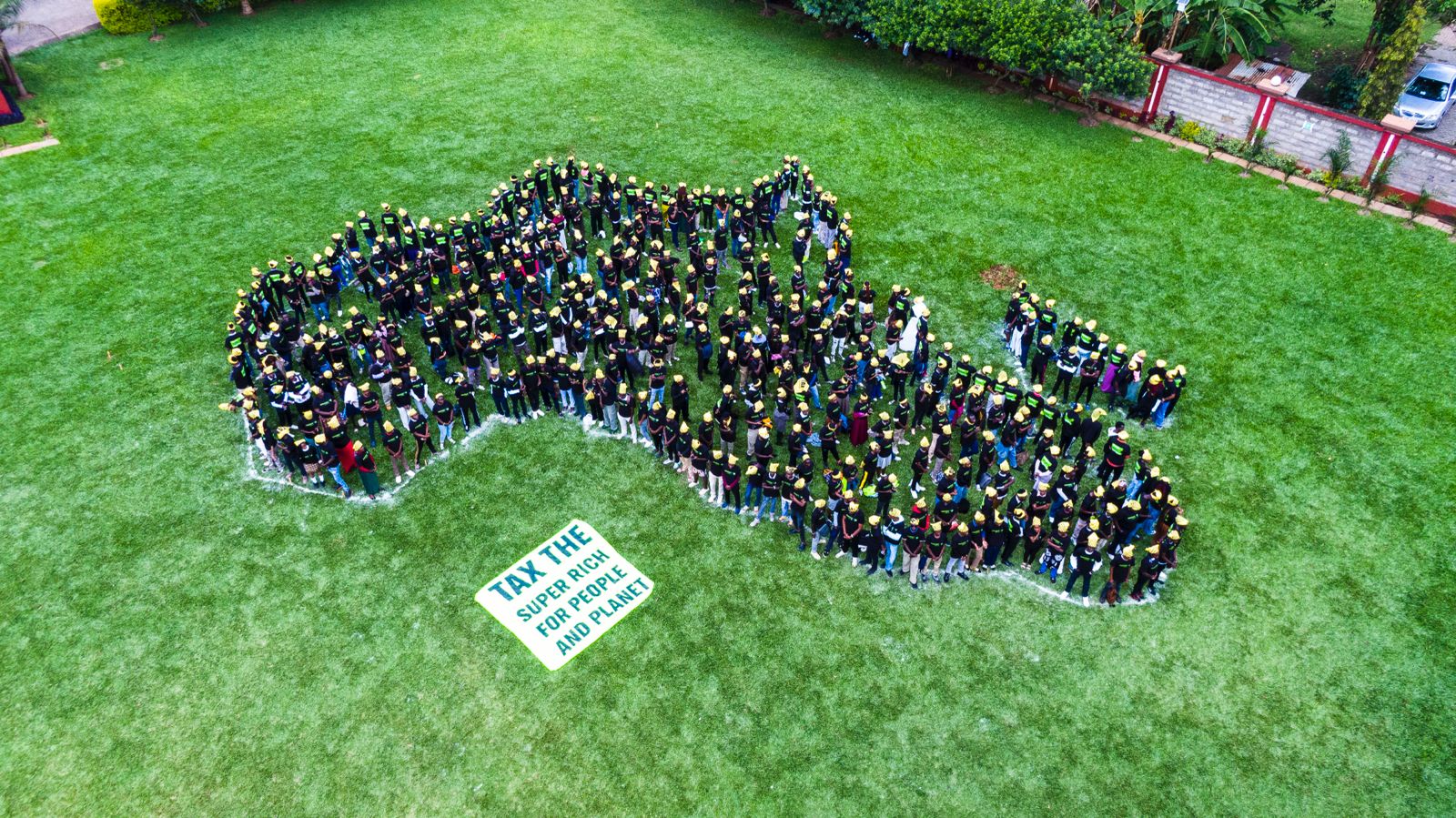
Greenpeace Africa has intensified calls for global tax justice ahead of the UN Tax Convention negotiations in Nairobi, warning that taxing the super-rich is critical to unlocking the public financing needed for climate action, nature protection, and sustainable development. Campaigners said billions lost to tax havens and profit shifting by wealthy individuals and polluting corporations are depriving countries of funds for healthcare, education, energy access, and climate solutions.
Speaking to the press in Nairobi on Saturday during the “Tax the Super-rich for People and Planet” campaign, Nina Stros, policy expert at Greenpeace International and head of the Greenpeace delegation, said the current global tax system is outdated and unjust, allowing the super-rich and polluting oil and gas corporations to profit while avoiding paying their fair share and fueling the climate crisis through their excessive emissions which has to change.
“Governments must deliver strong commitments with clear mechanisms to tax polluting billionaires and corporations. These changes will benefit the majority of the world’s countries, from the least developed economies to those with high socioeconomic indicators in the Global North. Instead of pursuing a race to the bottom with continuous lowering of corporate tax rates, it’s time governments unite to usher in new global tax rules that will finally hold these super rich individuals and polluting corporations to account.”
Greenpeace campaigner Amos Wemanya stressed that fair taxation must prioritize redirecting resources toward essential public services and equitable energy access.
“So we are calling on taxing billionaires, taxing the super-rich, to be able to redistribute resources to everyone. Make sure that everyone has access to basic services, education, healthcare, everyone can have access to energy”. Amos said.
Also speaking, Fred Njehu, political lead for Greenpeace Africa’s Fair Share campaign, emphasised the opportunity for the Global South to mobilise tax resources for climate and social needs.
“We are looking at options to generate money from corporate polluters and the super-rich to fund basic social services, build resilience for communities, support adaptation projects and meet the needs of climate action that has been falling short in terms of funding.” He said
The Nairobi negotiations coincide with COP30 climate talks in Brazil, where governments are grappling with how to close the 1.5°C ambition gap and deliver on climate finance commitments set for 2035 and beyond. Greenpeace warned that only coordinated global reforms can stop the erosion of public revenue through tax havens, profit shifting, and low corporate tax rates, which undermine efforts to meet climate and development goals.
Youth voices featured strongly, reflecting growing demands among young Africans for tax justice as a foundation for social equity and climate resilience. Robert Gitau, Youth team leader at Greenpeace Africa, highlighted the burden on social services when governments fail to tax extreme wealth. He said:
“It's not fair to take away funding from social services like food and health care and climate justice when you're not taxing the super-rich fairly. So we need you first to get funds from these people who have more than enough to support all of these causes.”
As INC-3 continues through 19 November, Greenpeace maintains that progressive taxes on billionaires, high-net-worth individuals, and fossil fuel giants could generate substantial revenue for climate mitigation, adaptation, and nature protection. Campaigners said Nairobi offers a decisive moment for governments to correct global financial injustices and commit to new tax rules that serve people and the planet.

Comments (0)
No comments yet. Be the first to comment!