

-
 CR7 ERA HANGS IN BALANCE AS RONALDO LEAVES PORTUGAL IN UNCERTAINTY
-
 CHIVAYO DIES IN HELICOPTER CRASH
-
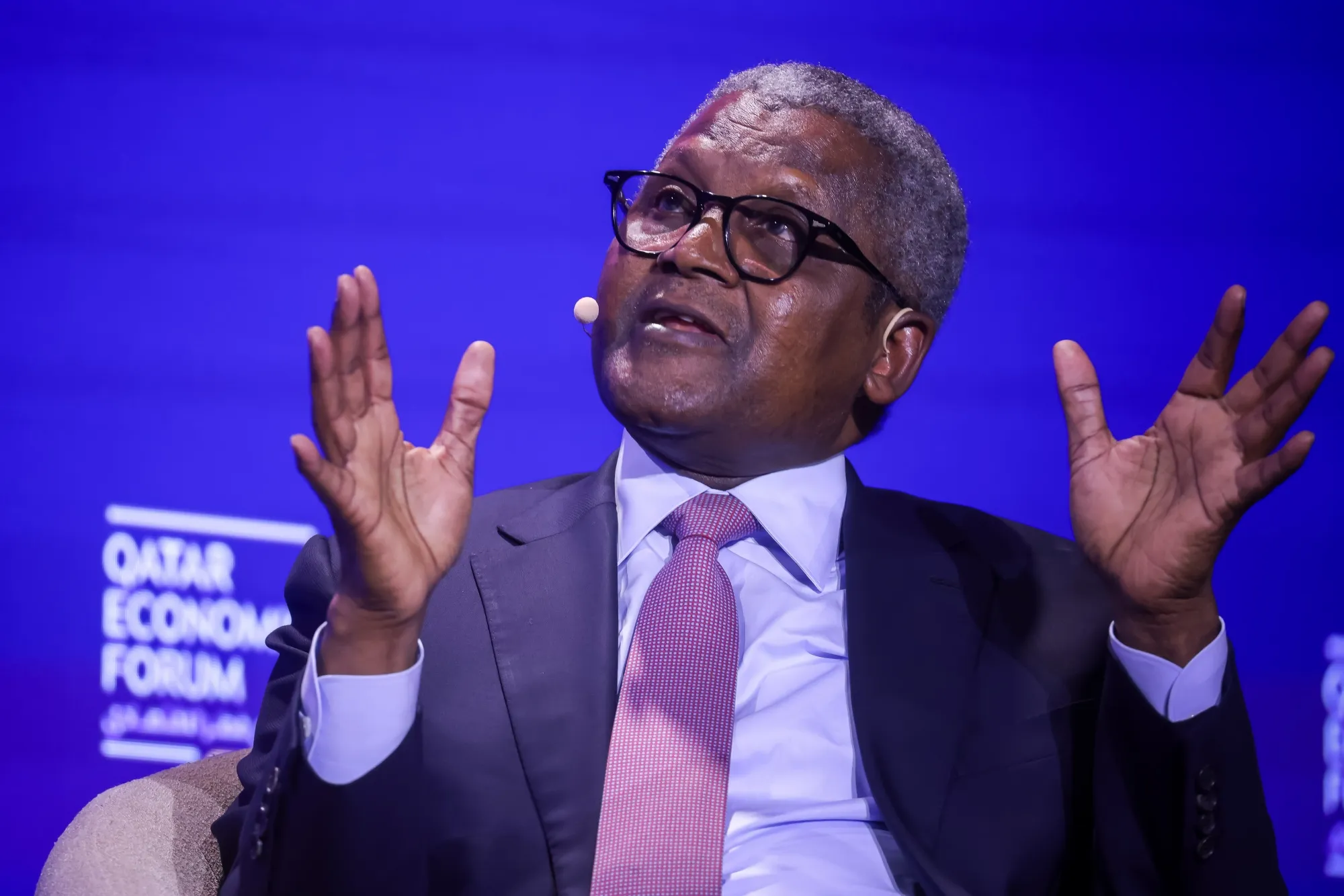 DANGOTE SHRUGS OFF LAMU PROTESTS, BRACES FOR COURT BATTLE
-
 ATWOLI CALLS FOR UHURU'S ARREST OVER RAILA 2022 CLAIMS
-
 Karura race draws more than 1,000 runners ahead of Nairobi Marathon
-
 ZELENSKYY FLAGS KENYA TO UN OVER RUSSIA WAR RECRUITMENT
-
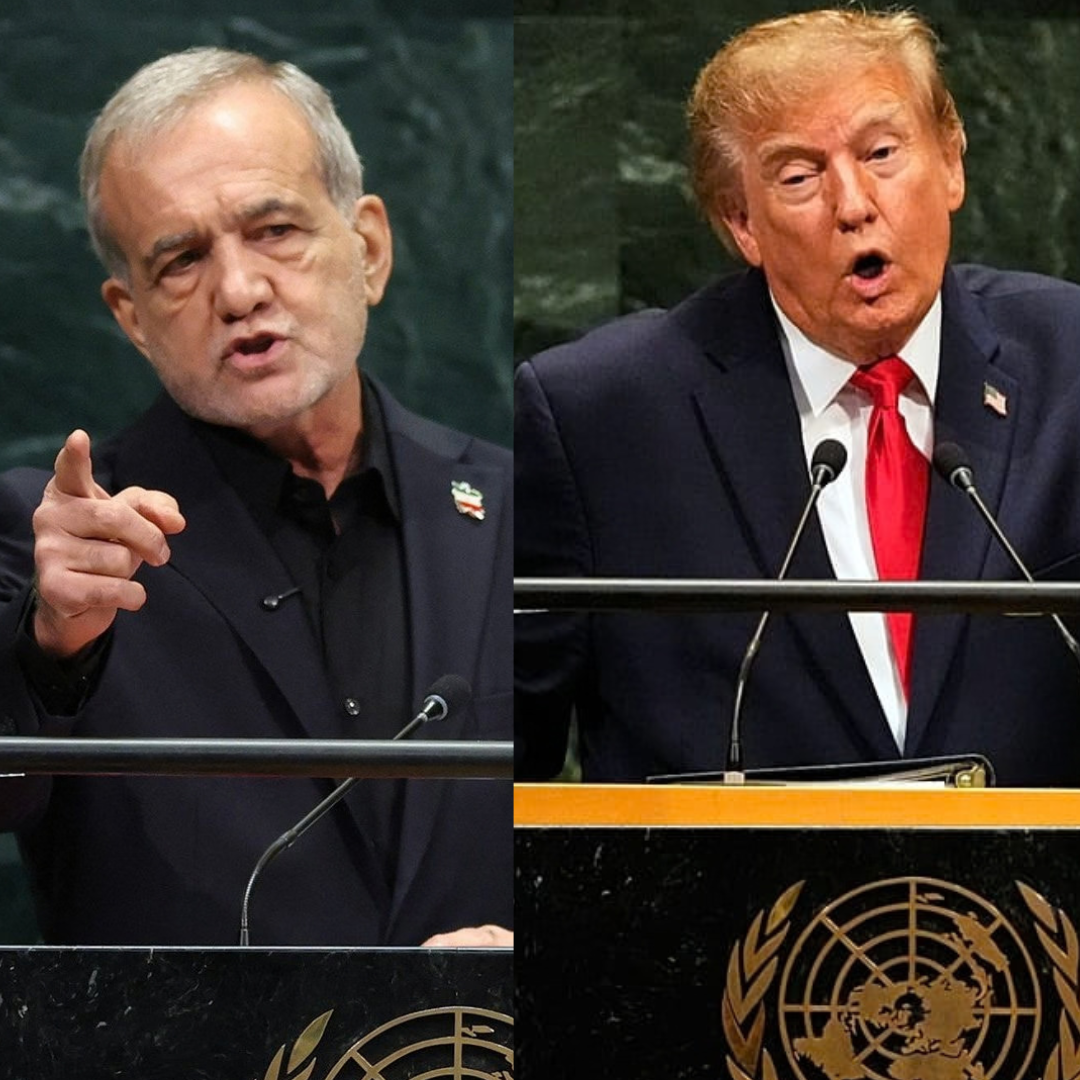 IRAN-US LOCK HORNS AT UNGA
-
 UHURU BACK ON 2027 POLITICAL FRONTLINE AFTER COURT RULING
-
 KAIKAI DISPUTES OMBIJA’S CLAIM GACHAGUA SOUGHT HIS SACKING
KENYA PLACED ON HIGH RISK LIST BY EU

Kenya has officially been placed on the European Commission’s updated list of high risk third country jurisdictions. The decision directly affects Kenya’s financial system and its dealings with European Union member states and institutions.
The European Commission identified Kenya as having strategic deficiencies in its anti-money laundering and counterterrorism financing frameworks. Alongside Kenya, other nations added to the list include Algeria, Angola, Côte d'Ivoire, Laos, Lebanon, Monaco, Namibia, Nepal, and Venezuela.
The Commission released the update on Tuesday, 10 June 2025, as part of its regular review of international compliance with financial crime prevention standards.
The designation affects Kenya’s domestic financial operations and any international transactions involving European firms or institutions. Financial entities within the EU are now required to apply enhanced due diligence measures when dealing with Kenyan counterparts.
Despite Kenya’s recent reforms to tighten controls on illicit financial flows, the EU cited insufficient progress in curbing money laundering and terrorism financing risks. The inclusion signals that the reforms, though underway, have not yet reached internationally acceptable thresholds.
Kenya’s Financial Reporting Centre (FRC) has intensified monitoring of suspicious transactions. The government has also amended the Proceeds of Crime and Anti-Money Laundering Act (POCAMLA) to expand the list of obligated reporting entities and introduce tougher penalties. Sectors such as real estate, gaming, and forex, historically linked to high-risk activity, are now under stricter surveillance.
Being blacklisted by the EU places Kenya under increased international scrutiny. The move could affect investor confidence, delay cross-border transactions, and elevate compliance costs for financial institutions. However, it also presents a crucial opportunity for the country to accelerate and reinforce its financial reforms.

Comments (0)
No comments yet. Be the first to comment!