

-
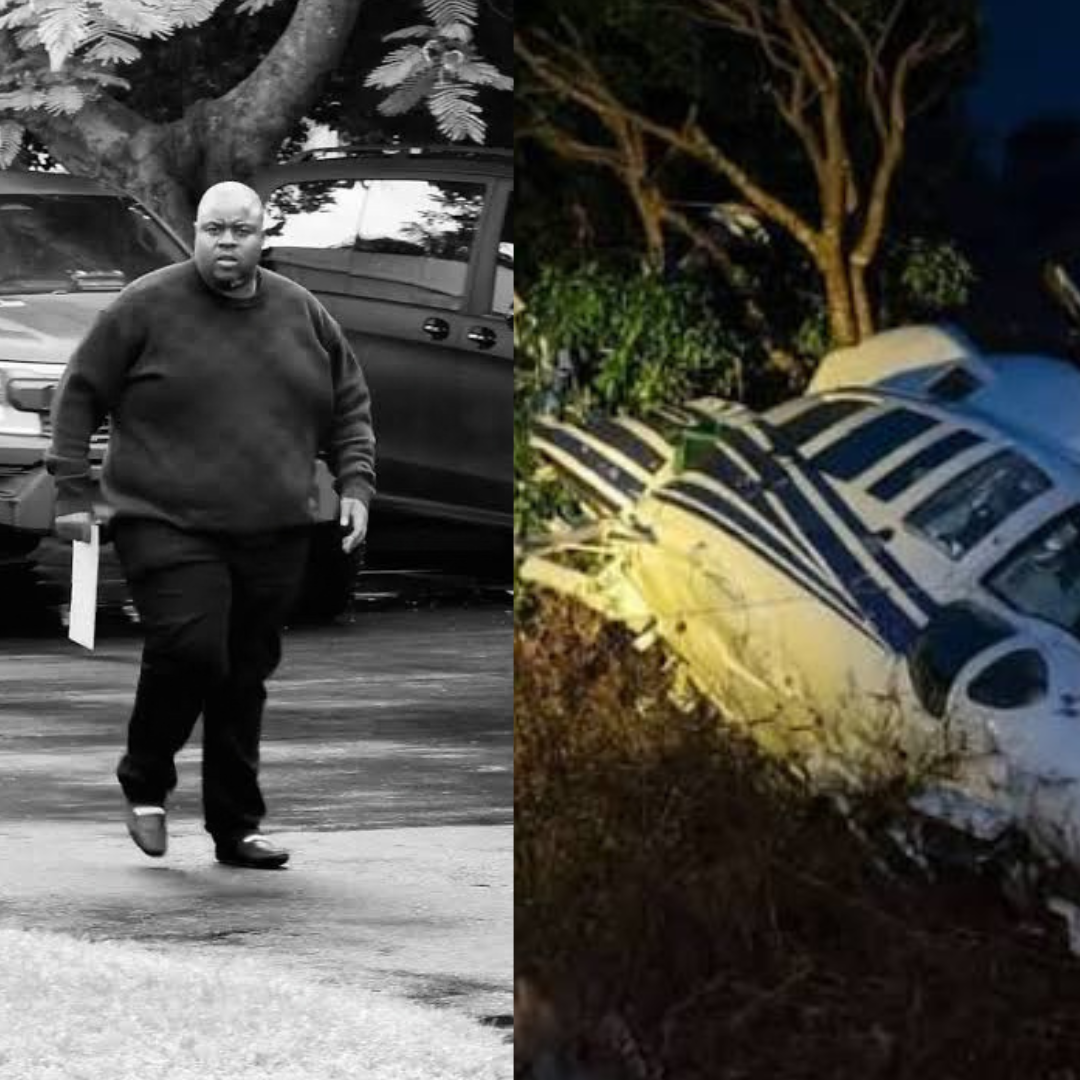 CHIVAYO DIES IN HELICOPTER CRASH
-
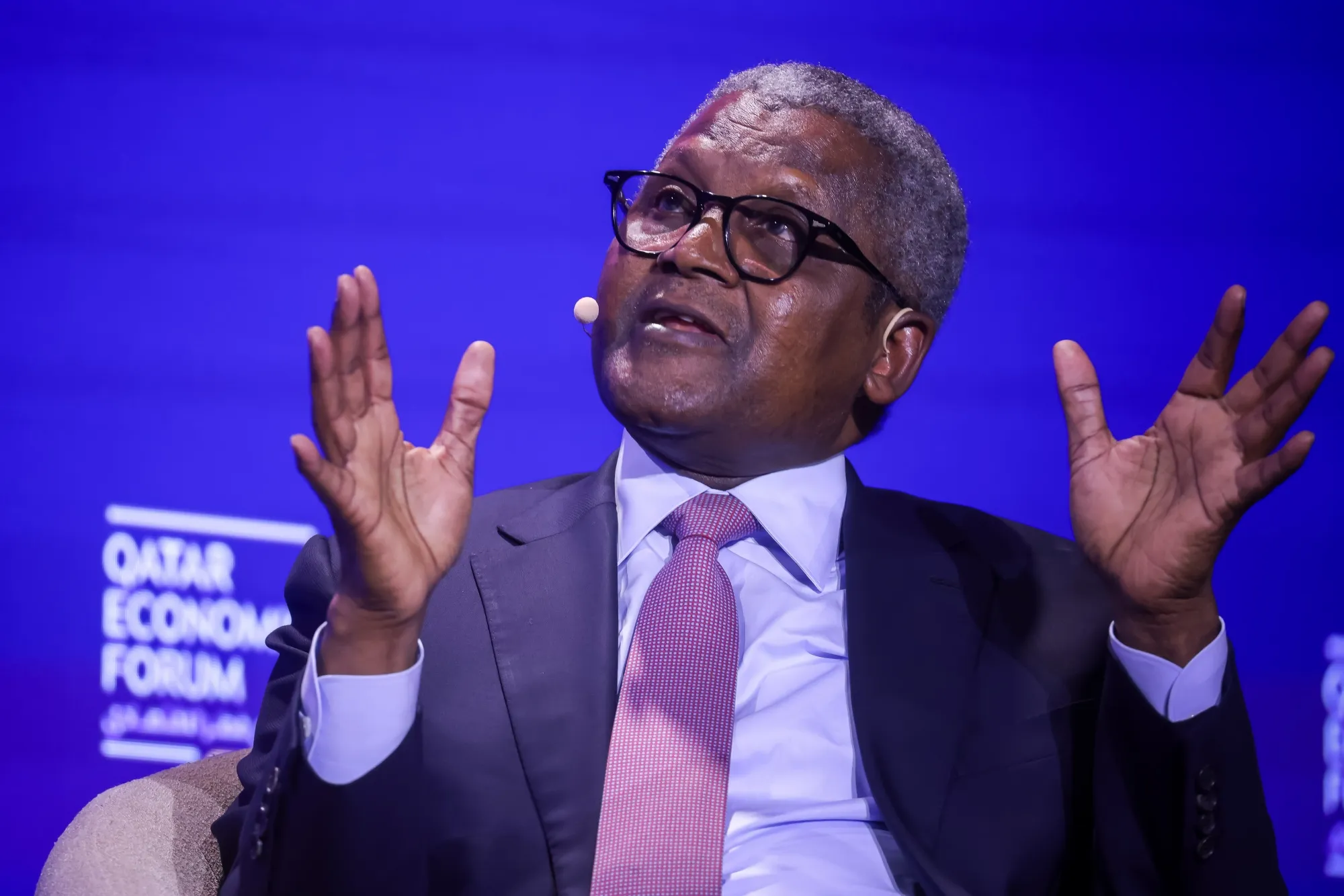 DANGOTE SHRUGS OFF LAMU PROTESTS, BRACES FOR COURT BATTLE
-
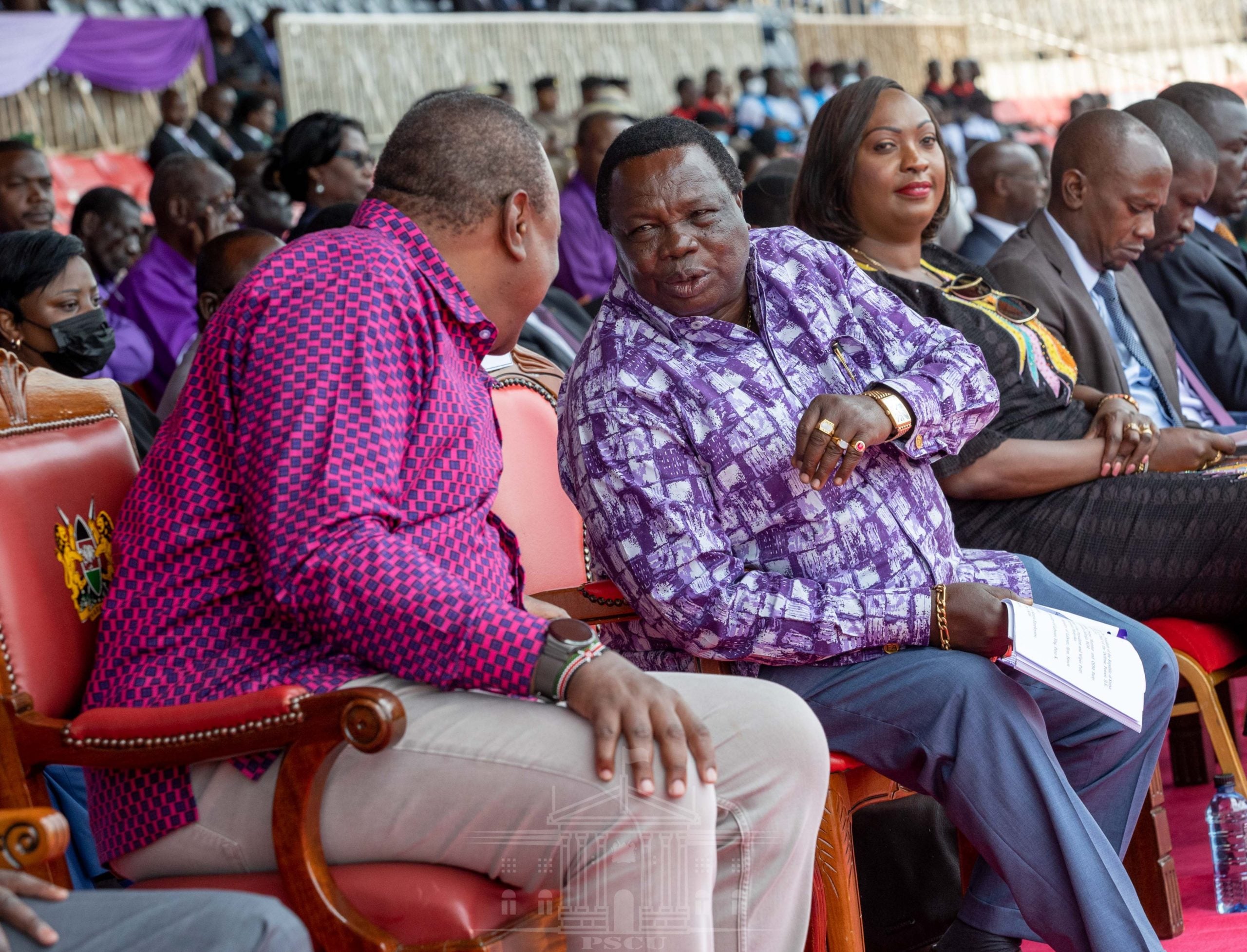 ATWOLI CALLS FOR UHURU'S ARREST OVER RAILA 2022 CLAIMS
-
 Karura race draws more than 1,000 runners ahead of Nairobi Marathon
-
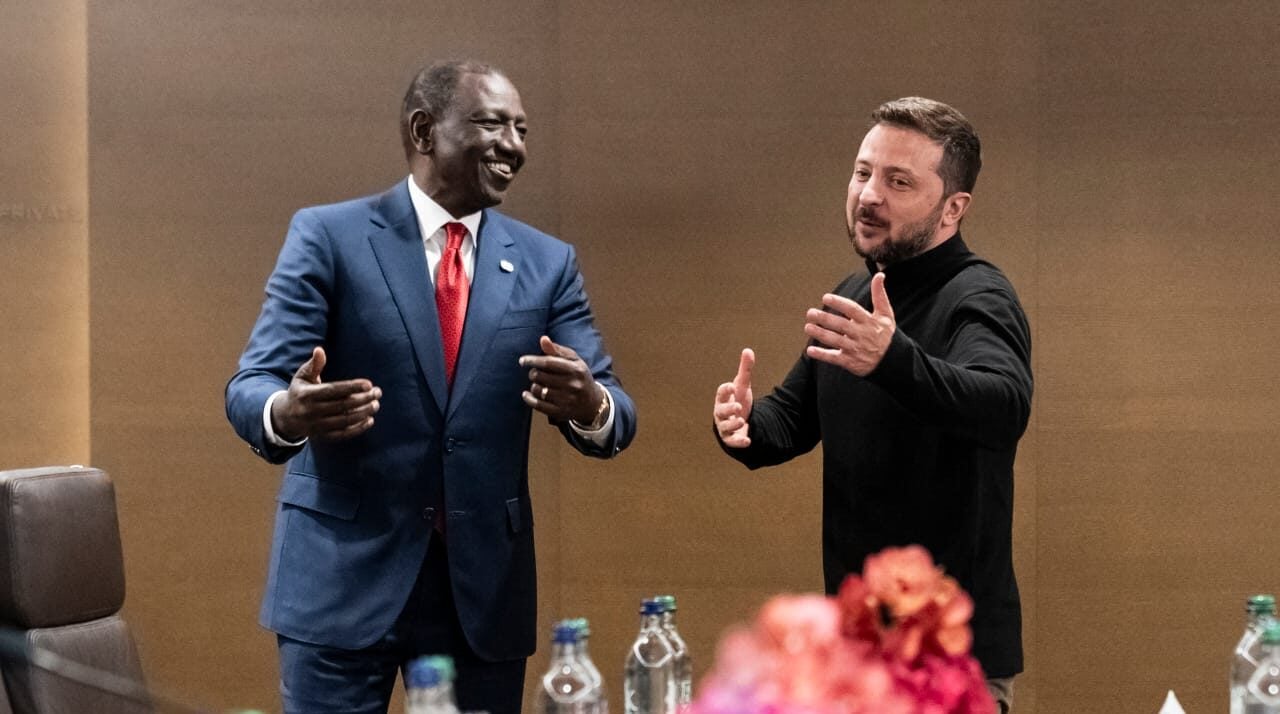 ZELENSKYY FLAGS KENYA TO UN OVER RUSSIA WAR RECRUITMENT
-
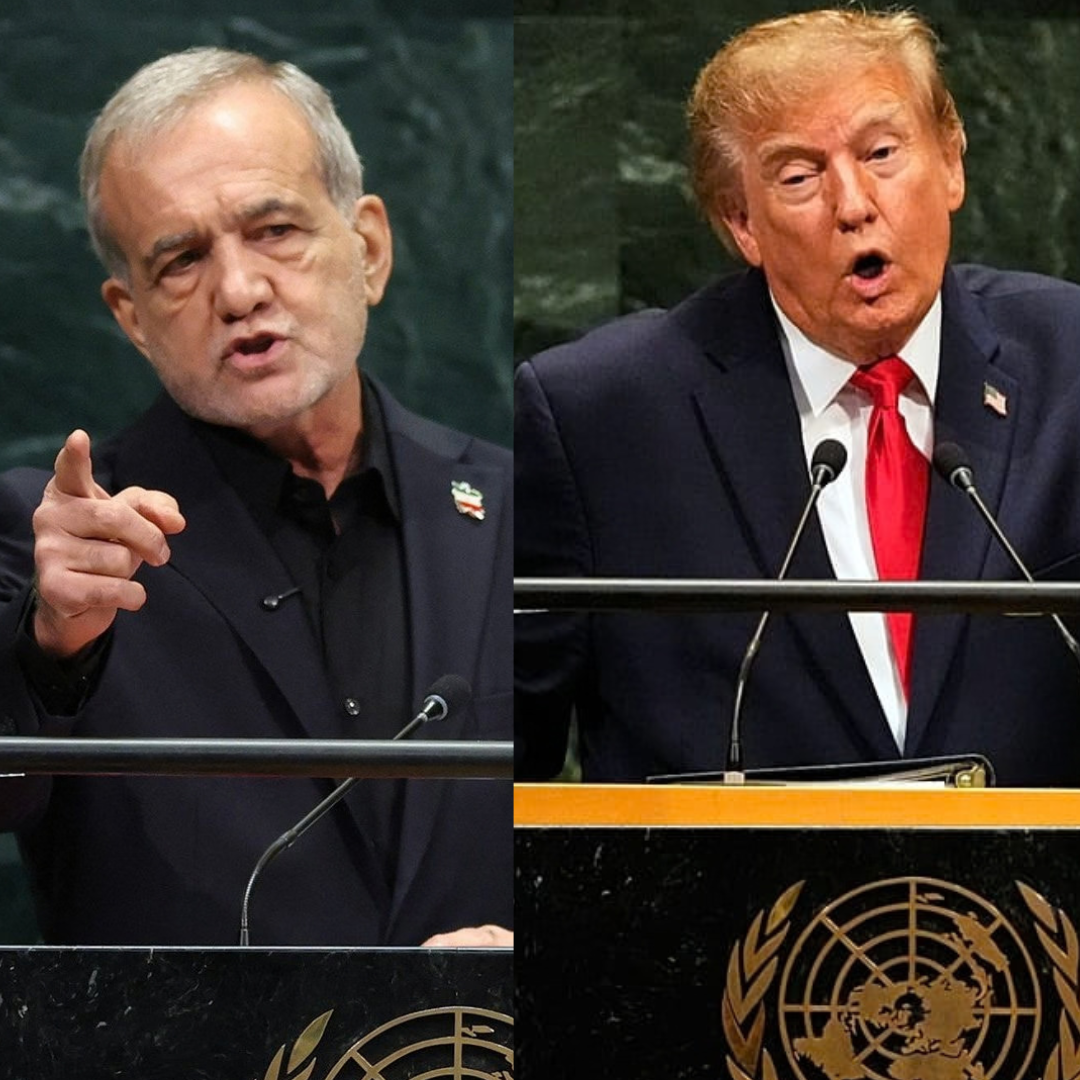 IRAN-US LOCK HORNS AT UNGA
-
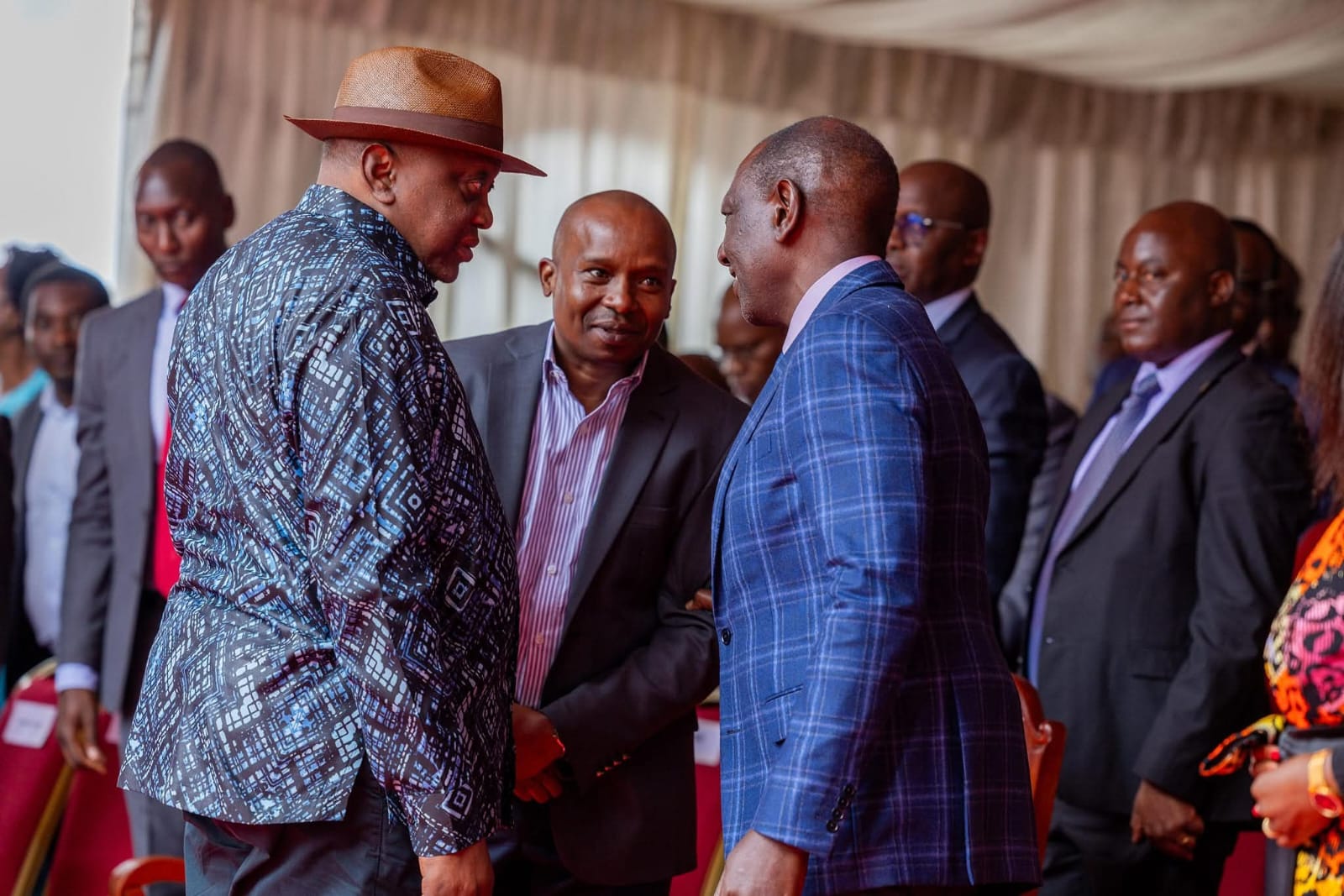 UHURU BACK ON 2027 POLITICAL FRONTLINE AFTER COURT RULING
-
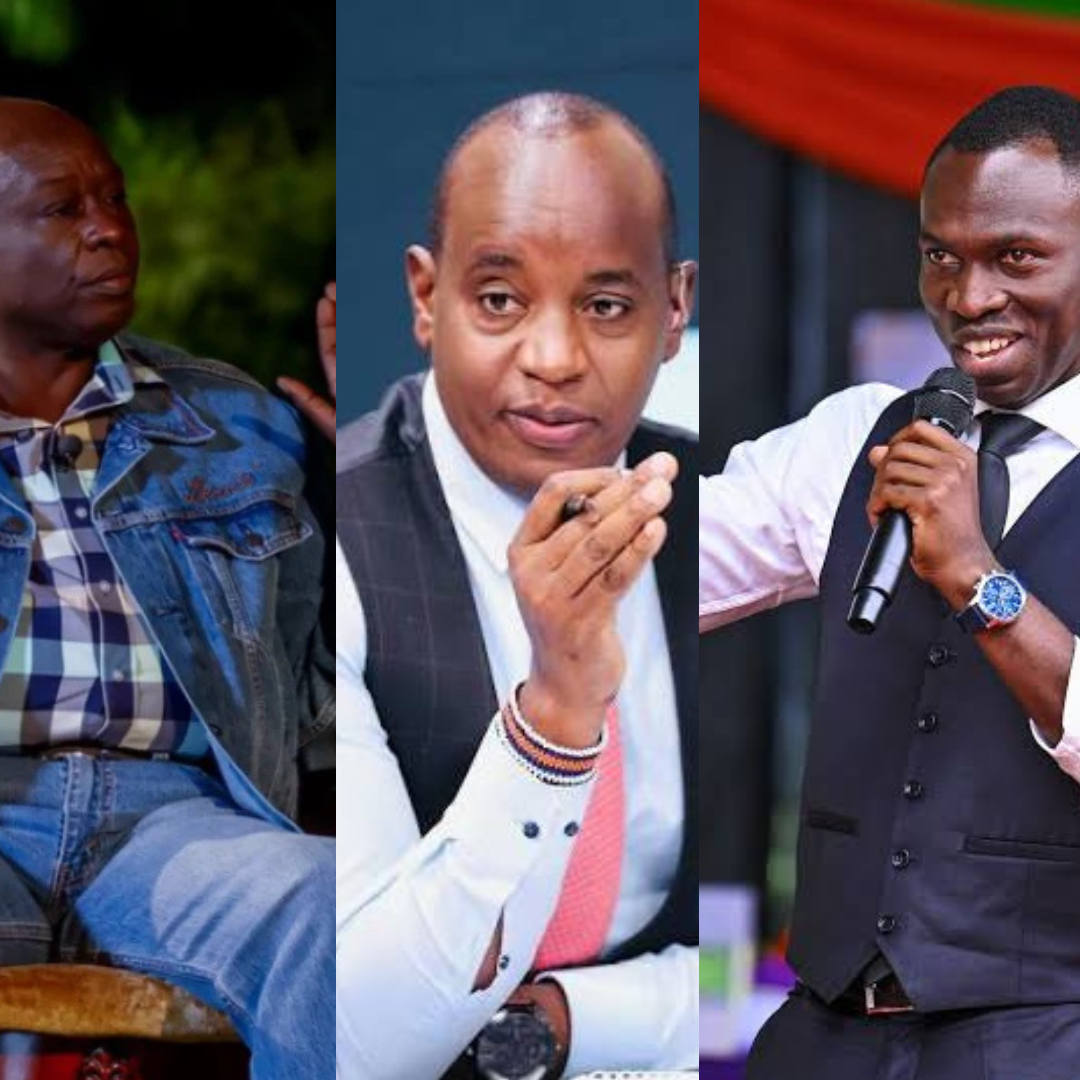 KAIKAI DISPUTES OMBIJA’S CLAIM GACHAGUA SOUGHT HIS SACKING
-
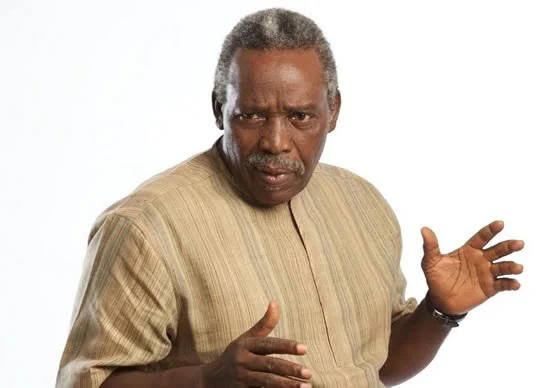 NOLLYWOOD ICON OLU JACOB DIES AT 84
MCHONGOANO 2026

Kenya’s political stage is increasingly sounding less like a forum for ideas and more like an arena of sharp-tongued exchanges, as President William Ruto and his former deputy Rigathi Gachagua trade savage barbs in public.
The exchange took the form of local, traditional, playful, and witty banter—dubbed “mchongoano.” Yet it was intensified by rivalry and a harshness propagated by those who are meant to be the custodians of morality.
The latest round of exchanges unfolded in Kiambu, where Gachagua, addressing supporters, appeared to mock the President’s physical appearance. “Si mmeona vile amekonda mpaka masikio imekuja juu?” he remarked—loosely translating to a comment on Ruto’s noticeable weight loss, making his ears more noticeable.
President Ruto responded with equal force, dismissing his critics as individuals driven by tribalism and bitterness. “Mtu mwenye ako na pepo ya ukabila na chuki… anatuambia nini kama Wakenya,” he said, suggesting such voices had no moral authority to lecture the country.
The exchange quickly escalated beyond mockery into serious allegations.
In a strongly worded rebuttal, the President accused his former deputy of criminal conduct, describing him as a “cold-blooded thief” and “cold-blooded murderer.” He alleged theft involving vulnerable groups, including widows and orphans, and referenced deeply troubling claims involving minors.
Gachagua fired back, branding the Head of State the “mwizi mkuu”—loosely translated as “chief thief”—and pointed to past incidents, including the 2007 Kiambaa church tragedy and recent Gen-Z protest shootings, claiming Kenyans were aware of the country’s history of violence.
President Ruto broadened his criticism to unnamed opponents, accusing them of overindulgence and laziness. “Watu waende gym… wanakula chakula mingi… mnalala kwa mkutano mnaharibu hewa,” he said, loosely meaning critics should focus on their own habits, including overeating and dozing off in meetings.
His remarks drew a sharp response from former Interior Cabinet Secretary Fred Matiang'i, who dismissed the comments and clarified that his lifestyle was not the President’s concern. “Sijui kwanini unasumbuka vile mimi nakula… mimi nakula Kisii,” he said, loosely translating to, “I don’t understand why you are bothered by what I eat… I eat in Kisii.”
Ruto also appeared to direct a veiled attack at an unnamed leader from Kitale, questioning how inherited wealth was being managed and urging responsibility, including caring for children.
Gachagua, returning to the offensive, raised concerns over alleged financial misconduct, warning: “Hatutakubali uibe Nairobi Hospital… ukipewa nafasi utaiba hata Lee Funeral Home,” suggesting that unchecked actions could extend to major institutions.
The ongoing hostility traces back to Gachagua’s impeachment in October 2024, which marked a turning point in his relationship with President Ruto. Since then, Gachagua has maintained that his removal was politically motivated and has previously alleged threats to his life—claims that have intensified the standoff.
The exchange has sparked widespread criticism among Kenyans, many of whom view the confrontation as a troubling shift from issue-based politics to personal confrontation.
Analysts and citizens alike have described the remarks as a “new low,” raising concerns about the tone and direction of national leadership discourse.
The ongoing hostility between President William Ruto and his former deputy Rigathi Gachagua is not an isolated episode in Kenya’s political history. Rather, it reflects a recurring pattern—where alliances forged for power eventually fracture, often giving way to deeply personal and public rivalry.
Across different eras, Kenya’s leadership has witnessed similar cycles.
The relationship between Uhuru Kenyatta and William Ruto, once defined by a strong political pact, later unraveled into a bitter fallout marked by sharp exchanges and political distancing.
Before them, tensions also defined the later years of cooperation between Mwai Kibaki and Raila Odinga, whose post-election partnership gave way to rivalry and sustained political contestation.
Further back, ideological and personal differences shaped the historic split between Jomo Kenyatta and Jaramogi Oginga Odinga—a fallout that set the tone for opposition politics in the country’s early years.
Similarly, the transition period involving Daniel arap Moi and Mwai Kibaki saw political alignment give way to rivalry, as former allies found themselves on opposing sides of Kenya’s democratic evolution.
These shifting alliances often start as strategic partnerships—fueled by mutual political interests, electoral calculations, or shared objectives. Over time, however, differences in ideology, ambition, or governance approach surface, transforming what began as collaboration into a more chaotic and unpredictable landscape.
Kenya’s political scene has shown just how fragile these mergers can be, with many convenience alliances collapsing into wide fractures. It is often difficult to gauge the genuineness of the initial bromance versus the final brovado.
The unfolding dynamics are setting the stage for the 2027 General Elections, with contestants hinting at no-holds-barred clashes—gloves-off confrontations and savage barbs often taking center stage, while substantial ideologies and manifestos are set aside.

Comments (0)
No comments yet. Be the first to comment!