

-
 CR7 ERA HANGS IN BALANCE AS RONALDO LEAVES PORTUGAL IN UNCERTAINTY
-
 CHIVAYO DIES IN HELICOPTER CRASH
-
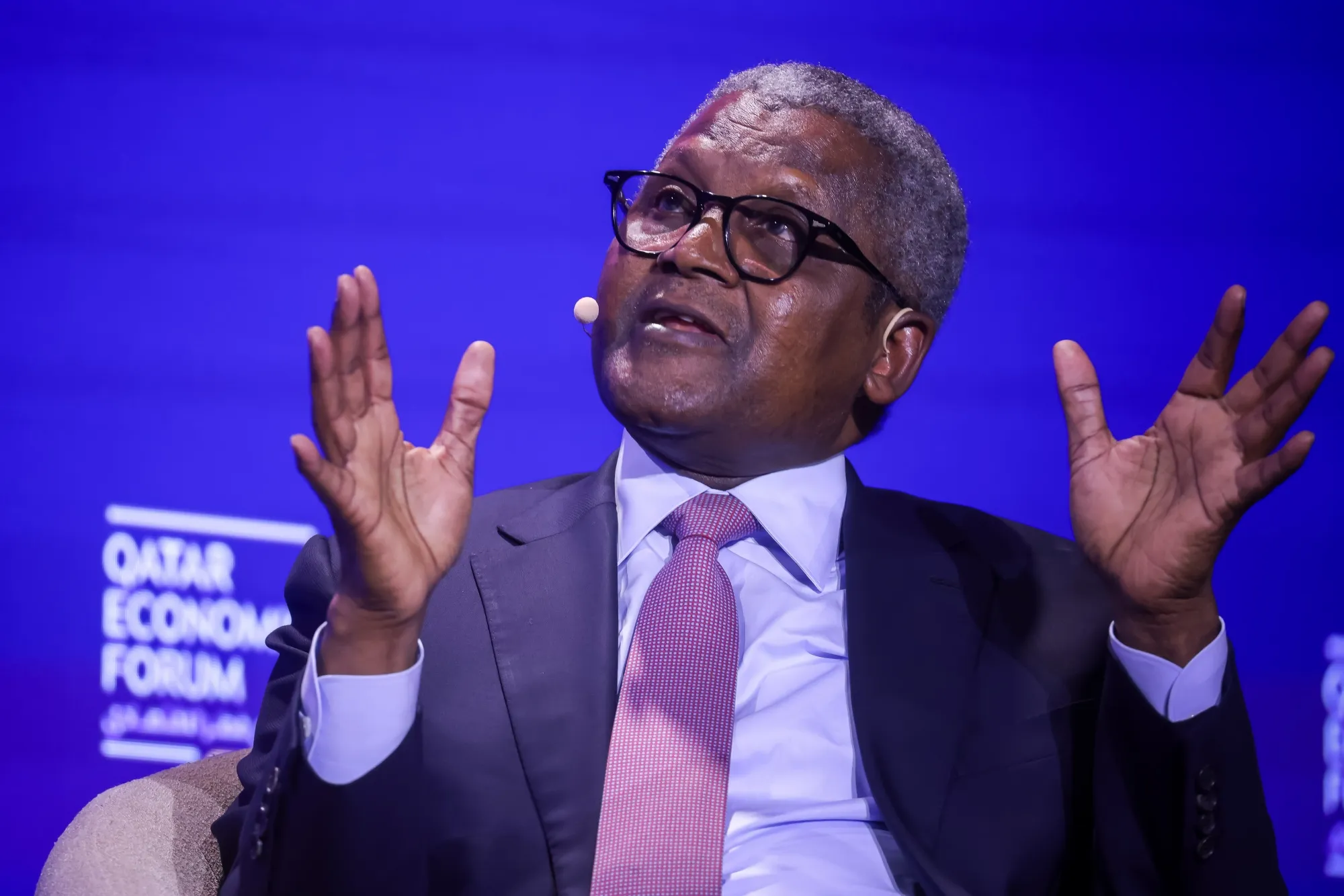 DANGOTE SHRUGS OFF LAMU PROTESTS, BRACES FOR COURT BATTLE
-
 ATWOLI CALLS FOR UHURU'S ARREST OVER RAILA 2022 CLAIMS
-
 Karura race draws more than 1,000 runners ahead of Nairobi Marathon
-
 ZELENSKYY FLAGS KENYA TO UN OVER RUSSIA WAR RECRUITMENT
-
 IRAN-US LOCK HORNS AT UNGA
-
 UHURU BACK ON 2027 POLITICAL FRONTLINE AFTER COURT RULING
-
 KAIKAI DISPUTES OMBIJA’S CLAIM GACHAGUA SOUGHT HIS SACKING
OPARANYA BLAMES COUNTIES FOR COLLAPSE OF AFYA AND MUSCO SACCOS

Cooperatives and MSME Development Cabinet Secretary Wycliffe Oparanya has attributed the collapse of Afya SACCO and Moi University SACCO (MUSCO) to persistent failure by county governments to remit members' deductions.
Speaking before the Senate on Wednesday August 6, 2025, Oparanya explained that the two SACCOs are facing a liquidity crisis, mainly because most of their members are medical professionals whose salaries are processed by devolved units.
“Most of these liquidity problems are occasioned by county governments because most members are medical staff who are devolved. Several county governments have deducted members’ dues, but they have not remitted them in millions,” Oparanya said.
The Cabinet Secretary ruled out the possibility of government bailout funds, citing limited resources. “I would not go the route of injecting money into SACCOs that collapsed because of limited resources,” he added.
Oparanya instead urged Parliament to fast-track the Cooperative Bill, which among other reforms, will make it a legal obligation for employers to remit SACCO deductions promptly. The bill also proposes stiff penalties for non-compliance.
He also proposed that supervision levies paid by SACCOs be retained and administered by the Sacco Societies Regulatory Authority (SASRA) to strengthen its oversight role. Currently, these levies are sent to the National Treasury, causing delays that weaken SASRA’s effectiveness.
The SACCO sector, which plays a critical role in financial inclusion, has in recent months been rocked by financial instability, governance challenges, and regulatory lapses.

Comments (0)
No comments yet. Be the first to comment!