

-
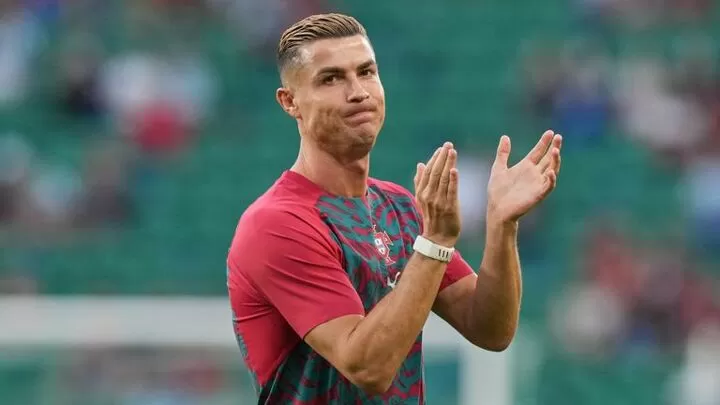 CR7 ERA HANGS IN BALANCE AS RONALDO LEAVES PORTUGAL IN UNCERTAINTY
-
 CHIVAYO DIES IN HELICOPTER CRASH
-
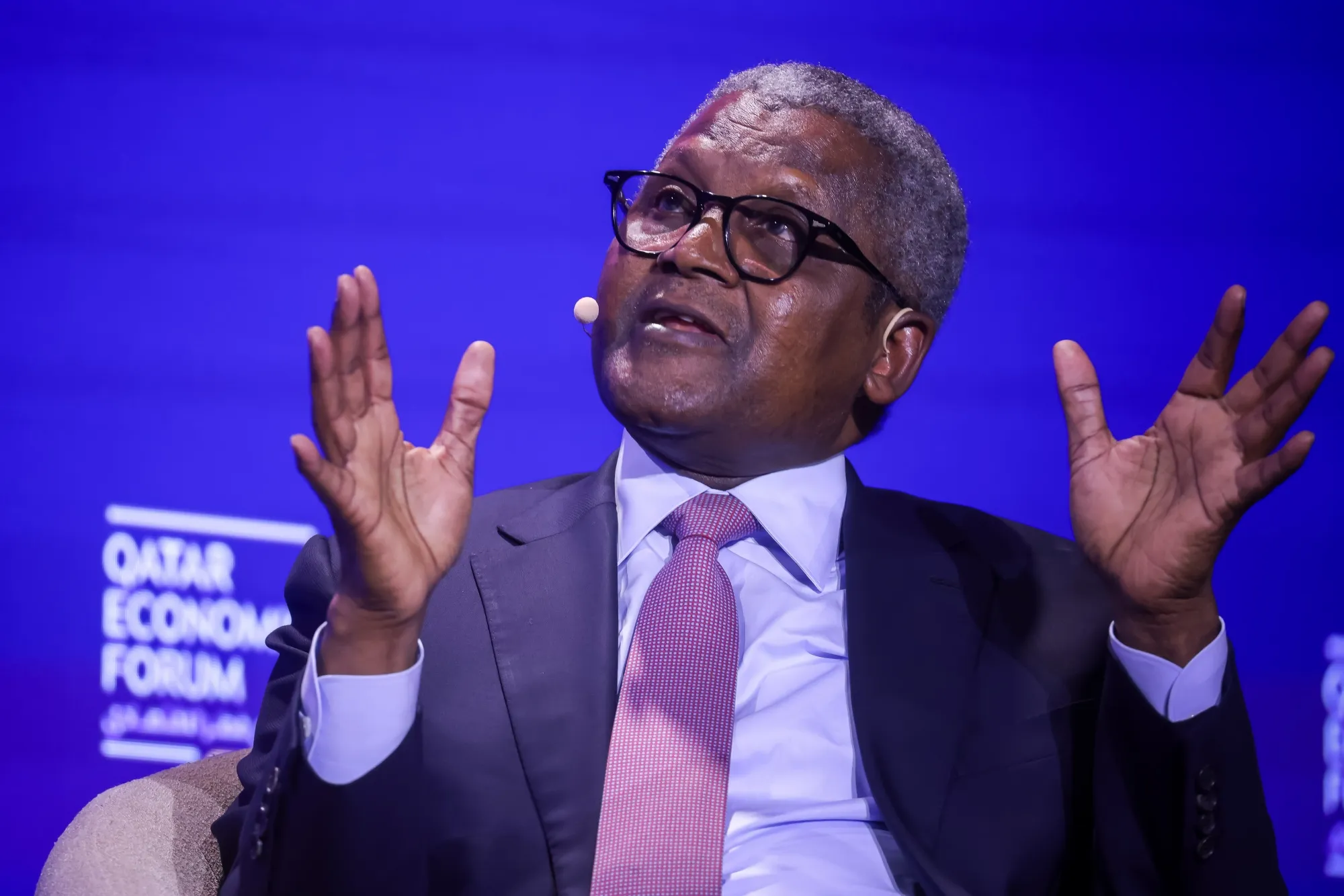 DANGOTE SHRUGS OFF LAMU PROTESTS, BRACES FOR COURT BATTLE
-
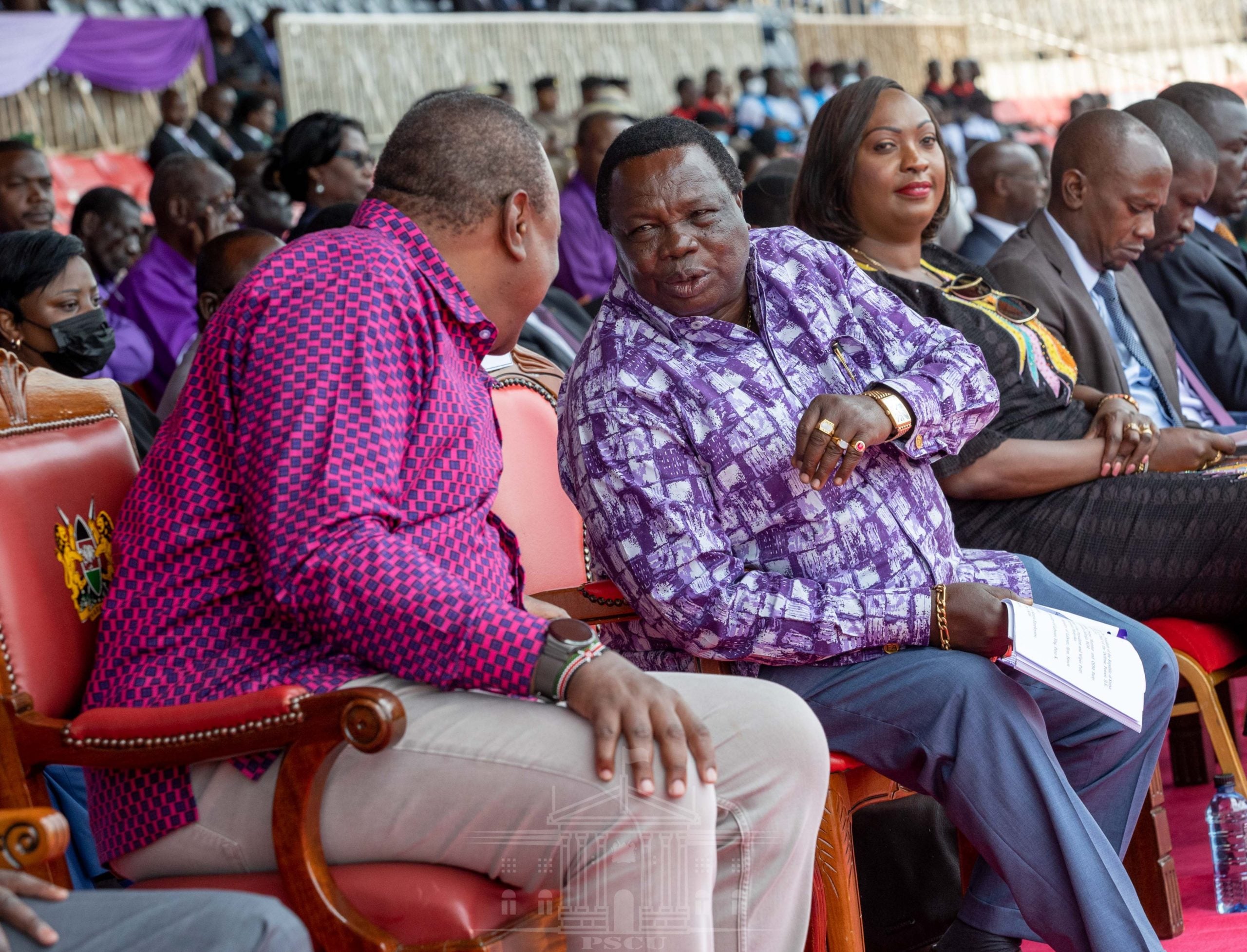 ATWOLI CALLS FOR UHURU'S ARREST OVER RAILA 2022 CLAIMS
-
 Karura race draws more than 1,000 runners ahead of Nairobi Marathon
-
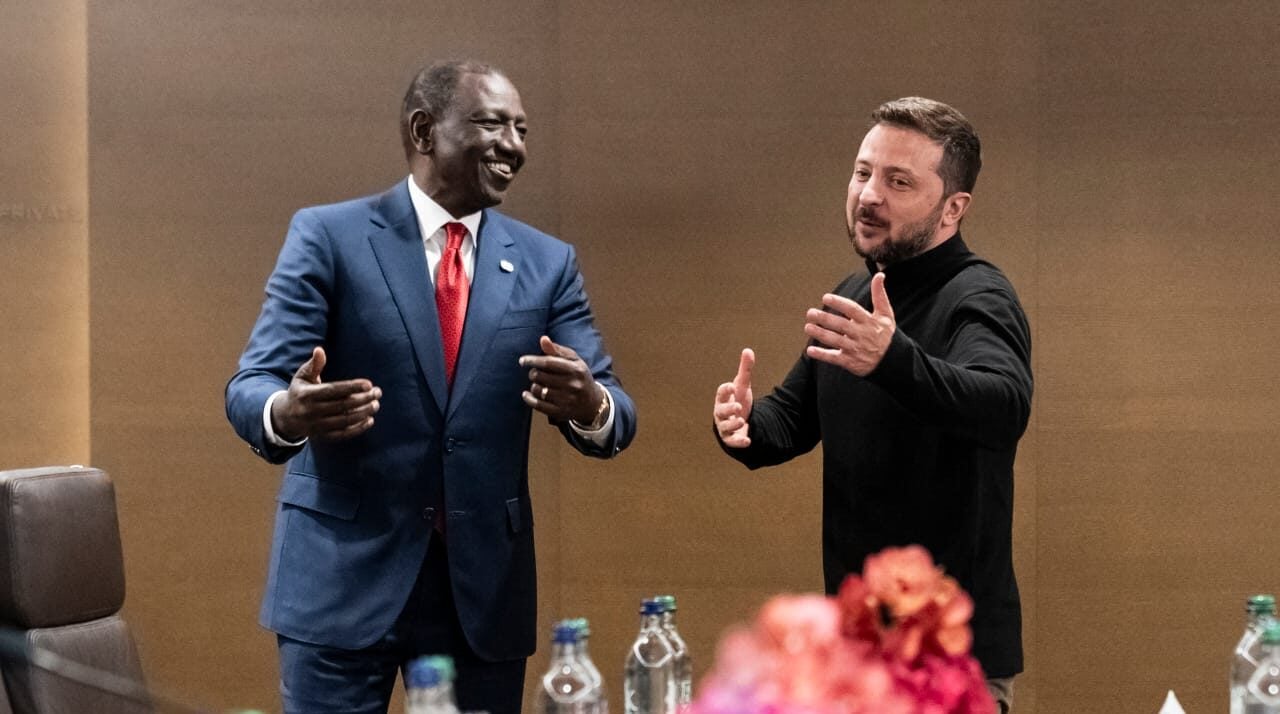 ZELENSKYY FLAGS KENYA TO UN OVER RUSSIA WAR RECRUITMENT
-
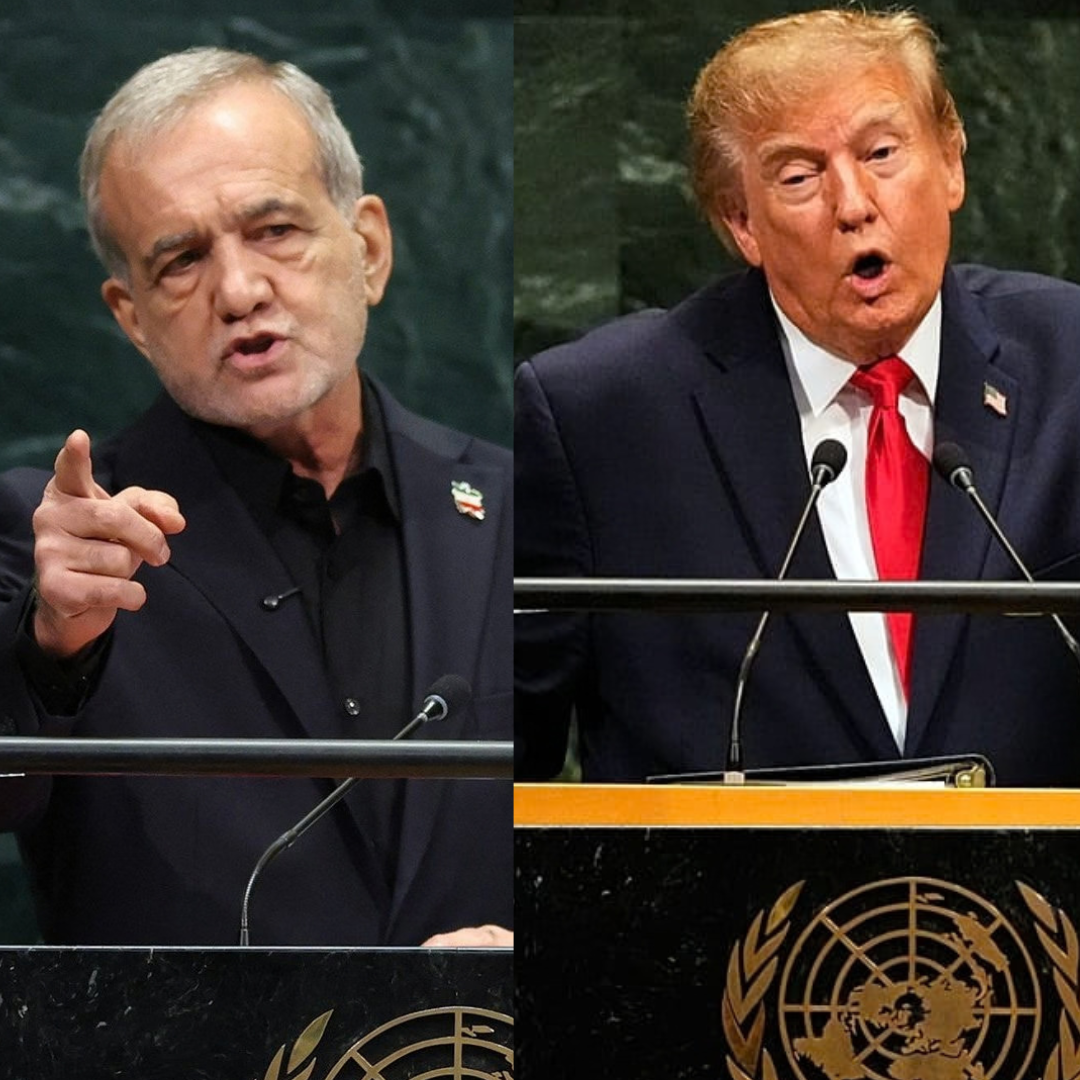 IRAN-US LOCK HORNS AT UNGA
-
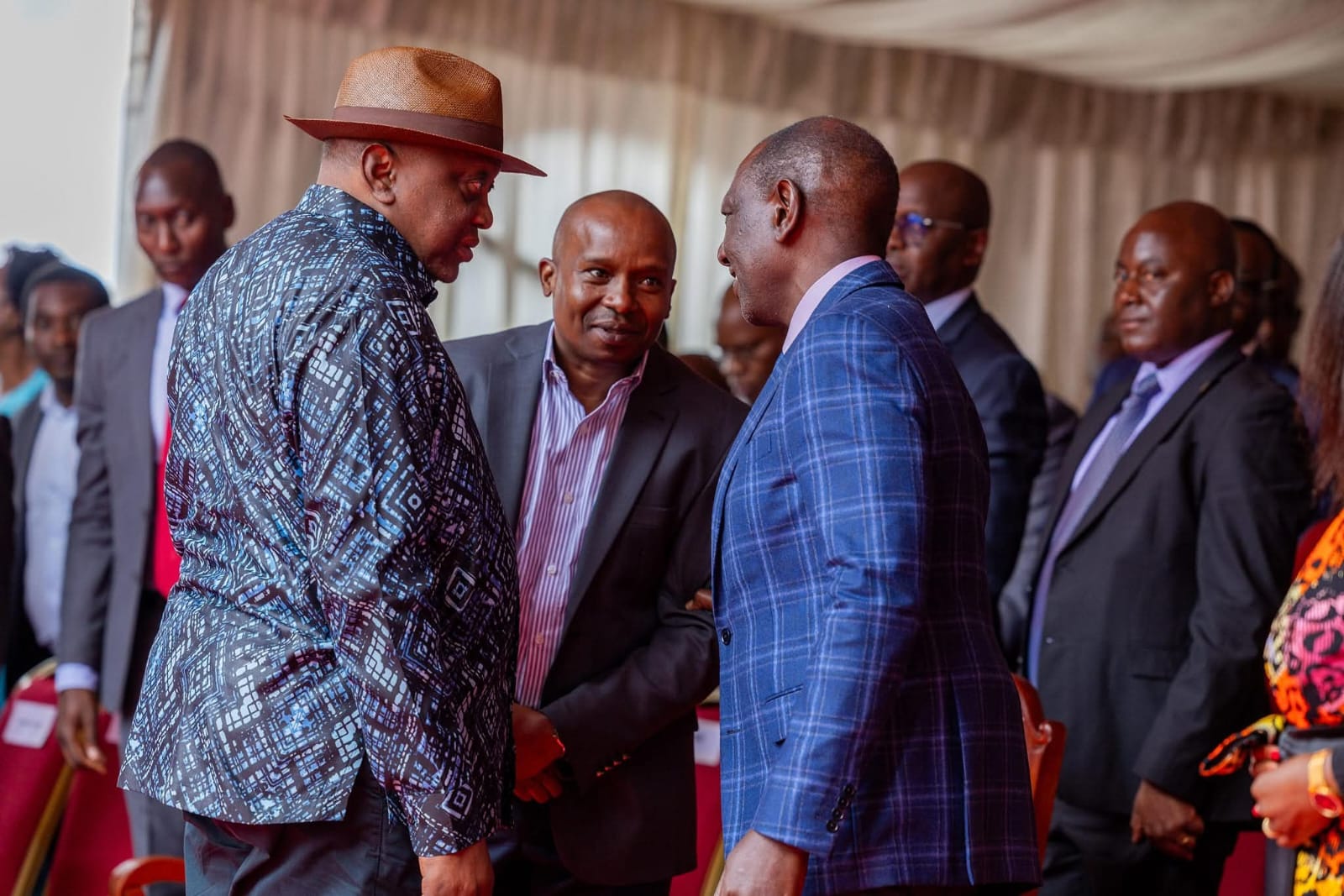 UHURU BACK ON 2027 POLITICAL FRONTLINE AFTER COURT RULING
-
 KAIKAI DISPUTES OMBIJA’S CLAIM GACHAGUA SOUGHT HIS SACKING
OUTRAGE AS RUTO’S GOVERNMENT BORROWS KSH 1.25 TRILLION IN ONE YEAR

President William Ruto’s administration borrowed Ksh 1.25 trillion in the past financial year, sparking widespread criticism over rising debt levels and the government’s fiscal priorities.
According to Central Bank of Kenya (CBK) data, the state raised Ksh 916 billion domestically and Ksh 334 billion externally between June 2024 and June 2025. This pushed Kenya’s total public debt to Ksh 11.81 trillion, equivalent to 73 percent of the country’s GDP, far above the 55 percent legal borrowing threshold.
Critics say the funds were largely used for recurrent expenditure such as salaries, subsidies, and political programs, with only Ksh 335 billion channeled into development projects. Analysts have warned that the trend amounts to “borrowing tomorrow’s growth to fund today’s consumption.”
Economist Ephraim Njega noted that the new borrowing represented 7.7 percent of GDP in a single year, terming it “fiscal recklessness” that risks undermining economic stability.
Public concern has also mounted over the structure of Kenya’s debt. Nearly 45 percent of domestic borrowing is held by commercial banks, raising fears of financial sector vulnerabilities if government repayment falters.
The Ruto administration, which campaigned on promises to reduce borrowing, has yet to issue a detailed response to the latest figures.

Comments (0)
No comments yet. Be the first to comment!