

-
 OWONO FACES MAXIMUM BAN AFTER DE MIGUEL'S DEATH
-
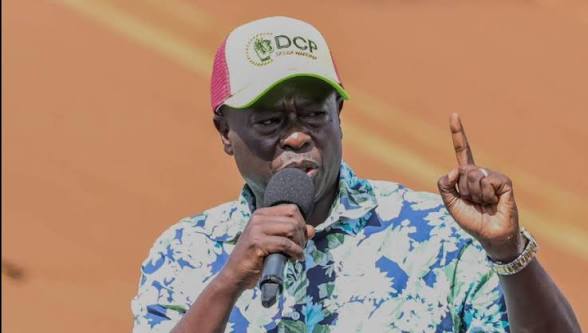 NIS BEHIND FAKE POLLS, GACHAGUA CLAIMS
-
 DON'T DRAG MY NAME FOR CLOUT, JALANG'O WARNS BAHATI
-
 JUMWA REJOINS UDA, SPARKS SPY SPECULATIONS
-
 RUTO, SIFUNA DRAW IN 2027 PRESIDENTIAL POLL
-
 CARRICK PAYS PRICE FOR UNITED CRISIS
-
 MARIGA CHALLENGES FKF OUSTER, VOWS TO FIGHT ON
-
 DANCEHALL ROCKS KANYARI'S CHURCH
-
 GACHAGUA DISMISSES RUTO'S GUSII TOUR AS POLITICAL STUNT
OVER 42,000 KCSE STUDENTS SKIP UNIVERSITY DESPITE QUALIFICATION

Over 42,000 students who qualified for university admission in the 2024 KCSE examination failed to apply for placement through the Kenya Universities and Colleges Central Placement Service (KUCCPS), sparking alarm within the Ministry of Education.
Speaking during the release of the KUCCPS placement results, Education Cabinet Secretary Julius Ogamba disclosed that despite scoring the required minimum of C+ and above, thousands opted out of the application process entirely. Additionally, another 7,000 students who applied were not placed.
“We are concerned that so many eligible students chose not to apply despite government interventions, including reducing university tuition by up to 40%,” said Ogamba.
The government had hoped that reforms to the higher education funding model, including the introduction of a Means Testing Instrument (MTI), would boost university enrollment. However, funding issues, misclassification of applicants, and delays in resolving over 42,000 funding appeals have led to growing uncertainty among students and parents.
Education analysts have attributed the mass opt-out to multiple factors, including fears over high costs, lack of clarity on loan eligibility, and a growing preference for Technical and Vocational Education and Training (TVET) programs. Some students are also exploring study opportunities abroad.
As the academic year approaches, universities are grappling with unfilled slots, echoing a trend seen in previous years. In 2020, nearly 39,000 university places were left vacant due to low uptake.
With mounting pressure from lawmakers and education stakeholders, the government is now under scrutiny to urgently address the flaws in the new funding model and ensure equitable access to higher education for all deserving students.

Comments (0)
No comments yet. Be the first to comment!