

-
 TRUMP SKIPS WORLD CUP SPOTLIGHT
-
Martha Karua Denied Entry Into Uganda Amid Growing Concerns Over Opposition Legal Cases
-
Justice Gatembu Kairu Elected New President of the Court of Appeal
-
 NADIA FIRES BACK AT TROLLS OVER ARROW BWOY'S RING DEFEAT
-
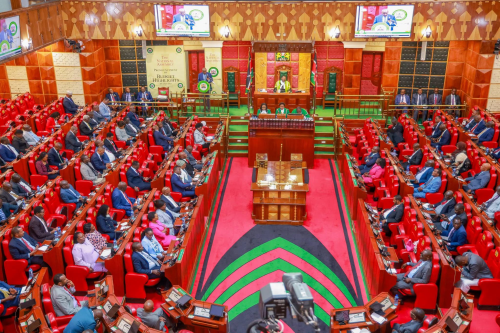 FINANCE BILL 2026 SAILS THROUGH AS 55% OF MPs SNUB VOTE.
-
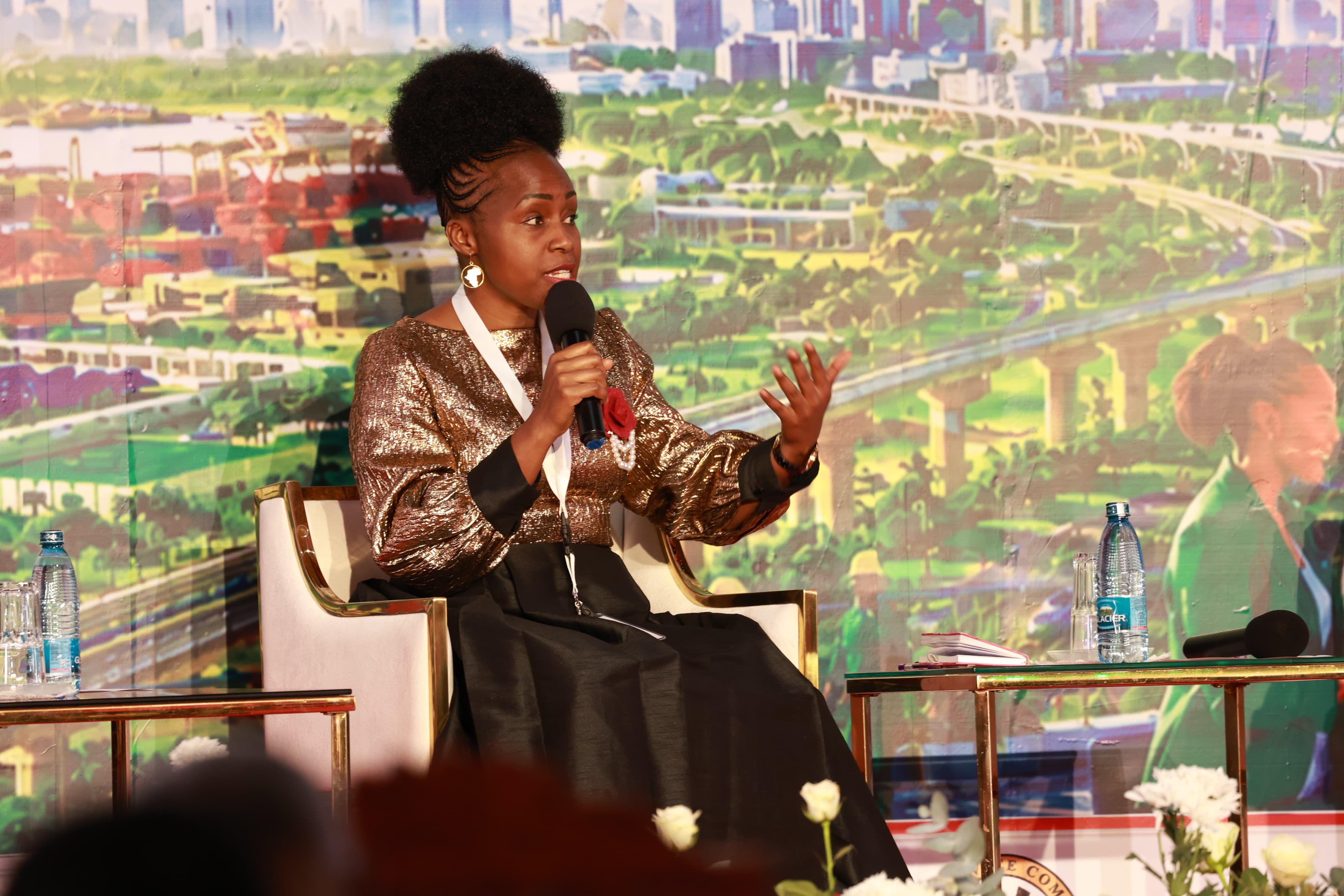 Emerging Leaders Foundation Calls for Performance-Based Public Service Reforms at National Productivity Conference
-
 IRANIAN TEAM LAMENTS 'OPPRESSION' AFTER US EXIT ORDER AMID WORLD CUP
-
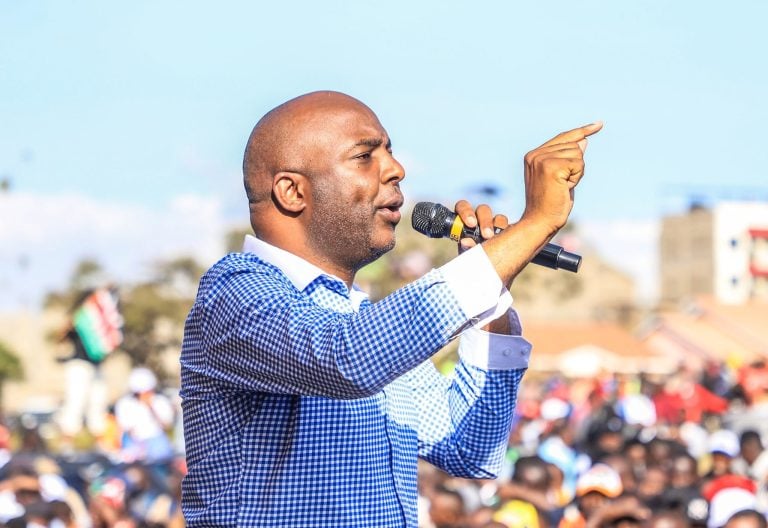 KANG'ATA TURNS GUNS ON RUTO AT LINDA MWANANCHI RALLY
-
 GRIEF AT UTUMISHI GIRL'S REQUIEM MASS
16 COUNTIES FAIL TO PAY WORKERS DESPITE RECEIVING FULL TREASURY ALLOCATIONS

Sixteen county governments have come under scrutiny for failing to pay staff for May and June despite receiving their full annual allocations from the Treasury, a new report by the Controller of Budget (CoB) has revealed.
CoB Margaret Nyakang’o disclosed that counties such as Nairobi, Mombasa, Nyandarua, Turkana, Narok, and Bungoma did not submit salary withdrawal requests to the Central Bank of Kenya. Records indicate that Turkana, Narok, and Bungoma last processed salaries in April, while Bomet, Kilifi, Kisumu, Machakos, Makueni, Mandera, Marsabit, Meru, Murang’a, Nyandarua, Tharaka Nithi, and Mombasa last paid staff in May.“Out of the 47 county governments, 16 did not request funds for June 2025 salaries,” Dr. Nyakang’o said.
This lapse occurred despite counties collectively receiving Sh533.1 billion during the year, comprising Sh387.43 billion in equitable share, Sh30.83 billion in arrears from 2023/24, Sh24.86 billion in additional allocations, Sh22.69 billion in carried-forward balances, and Sh67.3 billion from own-source revenue.
Dr. Nyakang’o urged the affected counties to prioritize staff compensation in the 2025/26 budgets to cover all 12 months of salaries as well as any arrears.The report shows that the public wage bill remains a significant burden for devolved units. Counties spent Sh220.6 billion on salaries and allowances in the year, up from Sh209.8 billion the previous year. This accounted for 41.4 per cent of their total revenue, exceeding the 35 per cent ceiling set by law.
Only seven counties stayed within the legal limit: Kilifi (24%), Siaya (26%), Tana River (27%), Nakuru (30%), Kwale (31%), Nandi (33%), and Nyandarua (33%).Weaknesses in payroll management were also flagged. An estimated Sh10.7 billion—about 5 per cent of total employee compensation—was processed manually and paid outside the official government payroll system. Although this is lower than the Sh15.9 billion recorded in the previous year, the CoB warned that such practices heighten the risk of fund misuse.
The health sector remains the biggest driver of wage costs. By the end of June, counties had spent Sh141.78 billion on health, nearly a third of their Sh470.74 billion combined expenditures, with Sh97.45 billion going to salaries of health personnel.Some counties bore especially heavy wage burdens in health: Baring spent over two-thirds of its wage bill on health staff, Nyeri 56 per cent, Trans Nzoia 55 per cent, and Taita Taveta 54 per cent.
While acknowledging that prioritizing health strengthens service delivery, Dr. Nyakang’o cautioned that it also limits funding for other sectors. She advised counties to mobilize additional resources for health in collaboration with partners to ease the strain on their budgets and free funds for other development needs.
Comments (0)
No comments yet. Be the first to comment!