

-
 CR7 ERA HANGS IN BALANCE AS RONALDO LEAVES PORTUGAL IN UNCERTAINTY
-
 CHIVAYO DIES IN HELICOPTER CRASH
-
 DANGOTE SHRUGS OFF LAMU PROTESTS, BRACES FOR COURT BATTLE
-
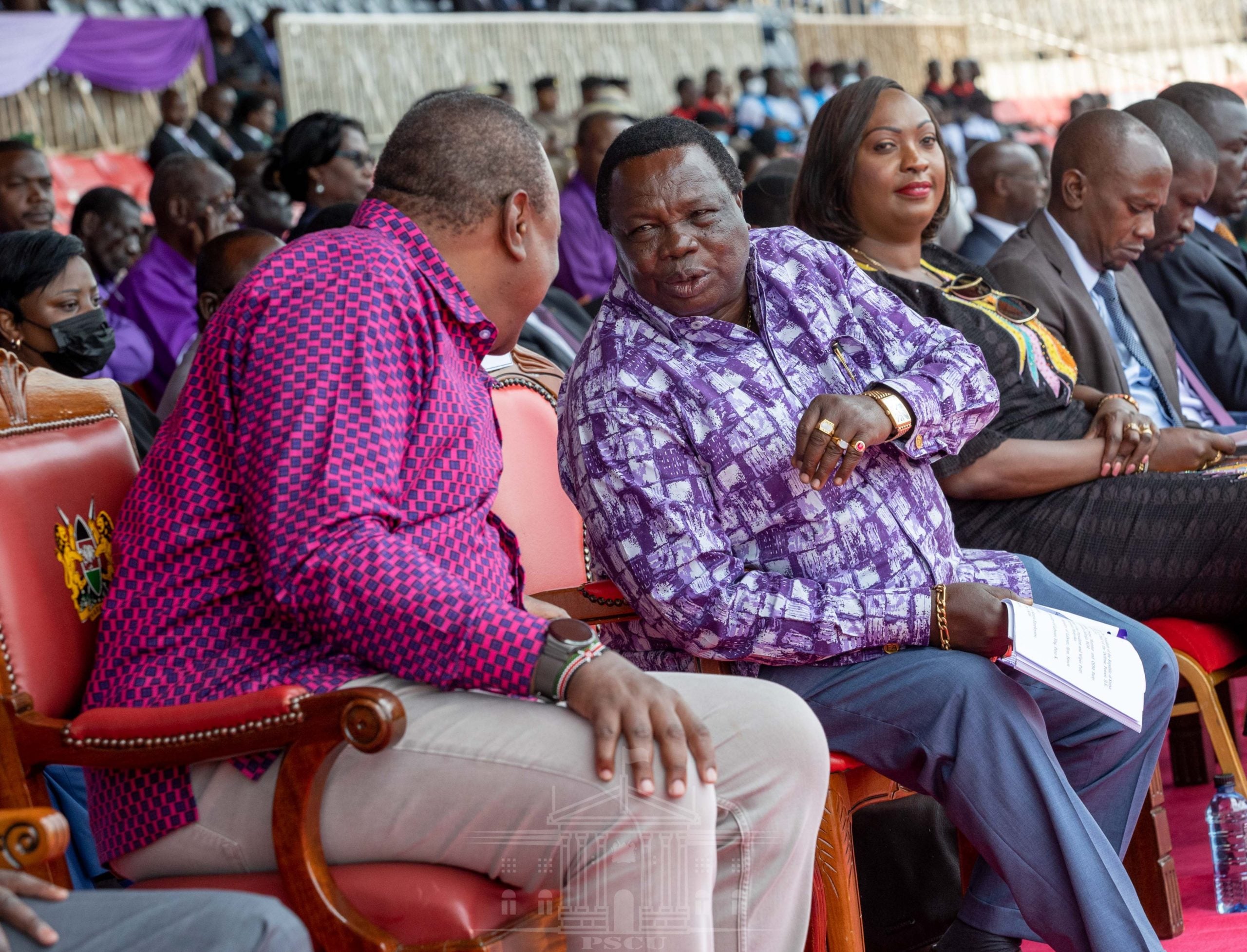 ATWOLI CALLS FOR UHURU'S ARREST OVER RAILA 2022 CLAIMS
-
 Karura race draws more than 1,000 runners ahead of Nairobi Marathon
-
 ZELENSKYY FLAGS KENYA TO UN OVER RUSSIA WAR RECRUITMENT
-
 IRAN-US LOCK HORNS AT UNGA
-
 UHURU BACK ON 2027 POLITICAL FRONTLINE AFTER COURT RULING
-
 KAIKAI DISPUTES OMBIJA’S CLAIM GACHAGUA SOUGHT HIS SACKING
FINANCE BILL 2026 SAILS THROUGH AS 55% OF MPs SNUB VOTE.
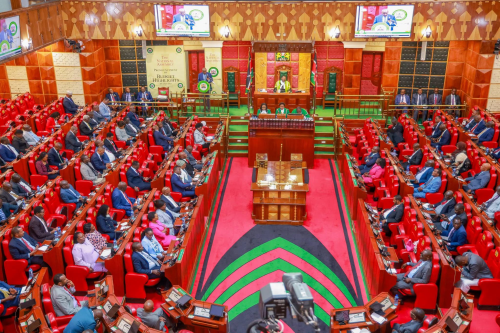
More than half of Kenya’s Members of Parliament were absent when the National Assembly voted to pass the Finance Bill 2026, raising fresh questions about accountability and representation on one of the country's most consequential pieces of legislation.
The Finance Bill, which outlines tax and revenue measures for the 2026/27 financial year, was approved on Thursday evening after weeks of debate and public scrutiny. The Bill now awaits assent by President William Ruto before becoming law.
Out of the 349 members of the National Assembly, only 162 were present during the decisive electronic vote. A total of 122 MPs voted in support of the Bill while 40 opposed it. No lawmaker abstained, leaving 187 MPs — approximately 55 per cent of the House — absent during the crucial vote.
The legislation sailed through after lawmakers adopted amendments proposed by the National Assembly's Finance and National Planning Committee following public participation exercises held across the country.
The Finance Bill 2026 seeks to amend several tax laws, including the Income Tax Act, Value Added Tax Act, Excise Duty Act, Tax Procedures Act, Miscellaneous Fees and Levies Act, and the Stamp Duty Act. The government says the proposed changes are intended to broaden the tax base, improve compliance and strengthen revenue collection to support the Sh4.8 trillion budget for the 2026/27 fiscal year.
During the committee stage, MPs revised or dropped some of the proposals that had attracted criticism from businesses, civil society organisations and members of the public. The government has maintained that the Bill is designed to raise revenue without introducing punitive taxes that could further increase the cost of living.
Despite its passage, the spotlight quickly shifted from the outcome of the vote to the large number of lawmakers who failed to participate.
The absence of 187 MPs has triggered public debate over whether elected leaders are adequately fulfilling their representative role, especially on legislation that directly affects taxation and household finances.
Political observers have linked the mass absenteeism to lingering memories of the Finance Bill 2024 protests, which sparked nationwide demonstrations and culminated in the storming of Parliament by protesters. The events left many lawmakers facing intense criticism from constituents and social media users who accused them of supporting unpopular tax measures.
With the 2027 General Election approaching, some analysts believe MPs may have sought to avoid being publicly associated with either side of the Finance Bill debate. Voting in favour risked backlash from voters concerned about taxes, while opposing the Bill could have strained relations with the government and ruling coalition.
The vote also reflected the broader political divide in Parliament. MPs aligned to President Ruto and the broad-based government coalition backed the legislation, while a section of opposition lawmakers and allies of former Deputy President Rigathi Gachagua opposed it.
Gachagua had urged lawmakers allied to his camp to reject the Bill and push for a division vote, ensuring that each MP's position was formally recorded.
As debate over the Finance Bill continues, attention is increasingly turning to whether voters will hold absent lawmakers accountable when they return to seek fresh mandates in the 2027 elections.

Comments (0)
No comments yet. Be the first to comment!