

-
 RONALDO AND GEORGINA FLAUNT WEDDING RINGS
-
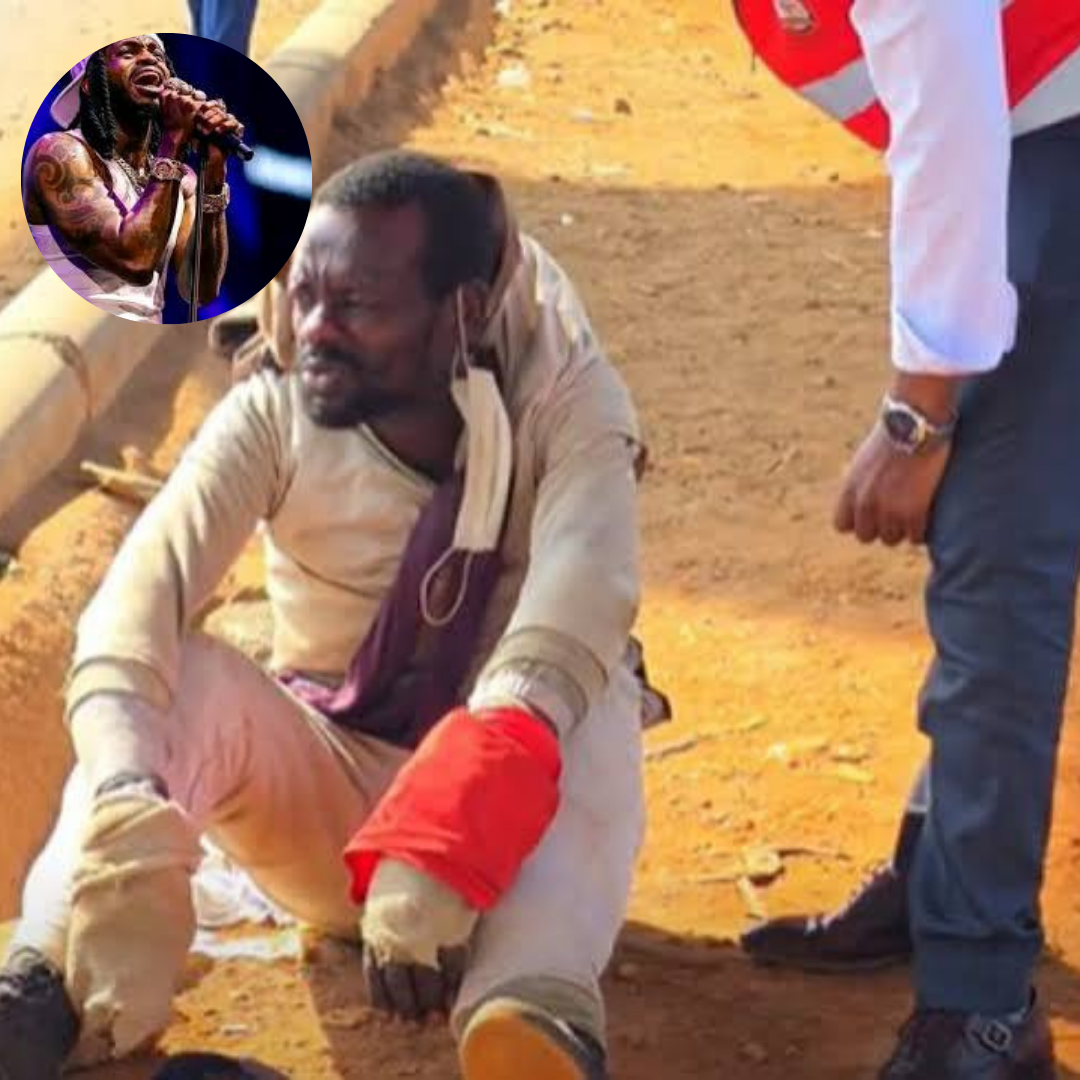 DIAMOND’S FORMER DJ RESCUED FROM STREETS
-
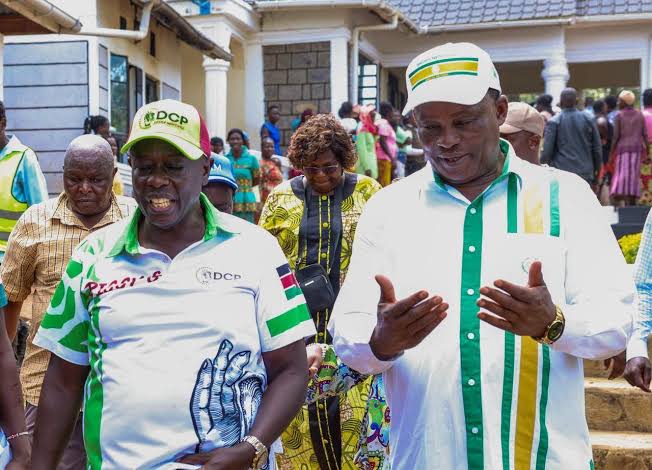 MUTURI REJECTS GACHAGUA’S ‘HYENA COALITION’
-
 YUNGE’S ALLEGED EX CRIES FOUL AFTER CHARLENE’S WEDDING
-
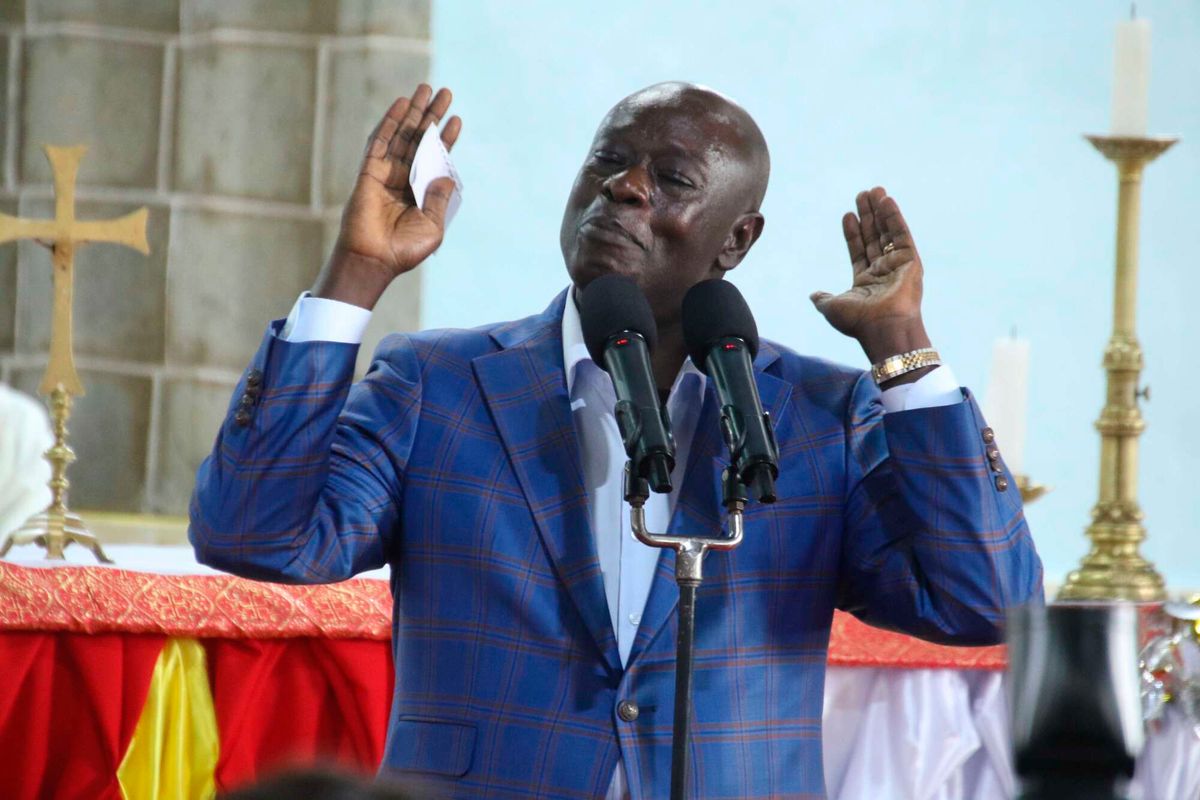 GACHAGUA PROPOSES 'THE HYENA COALITION '
-
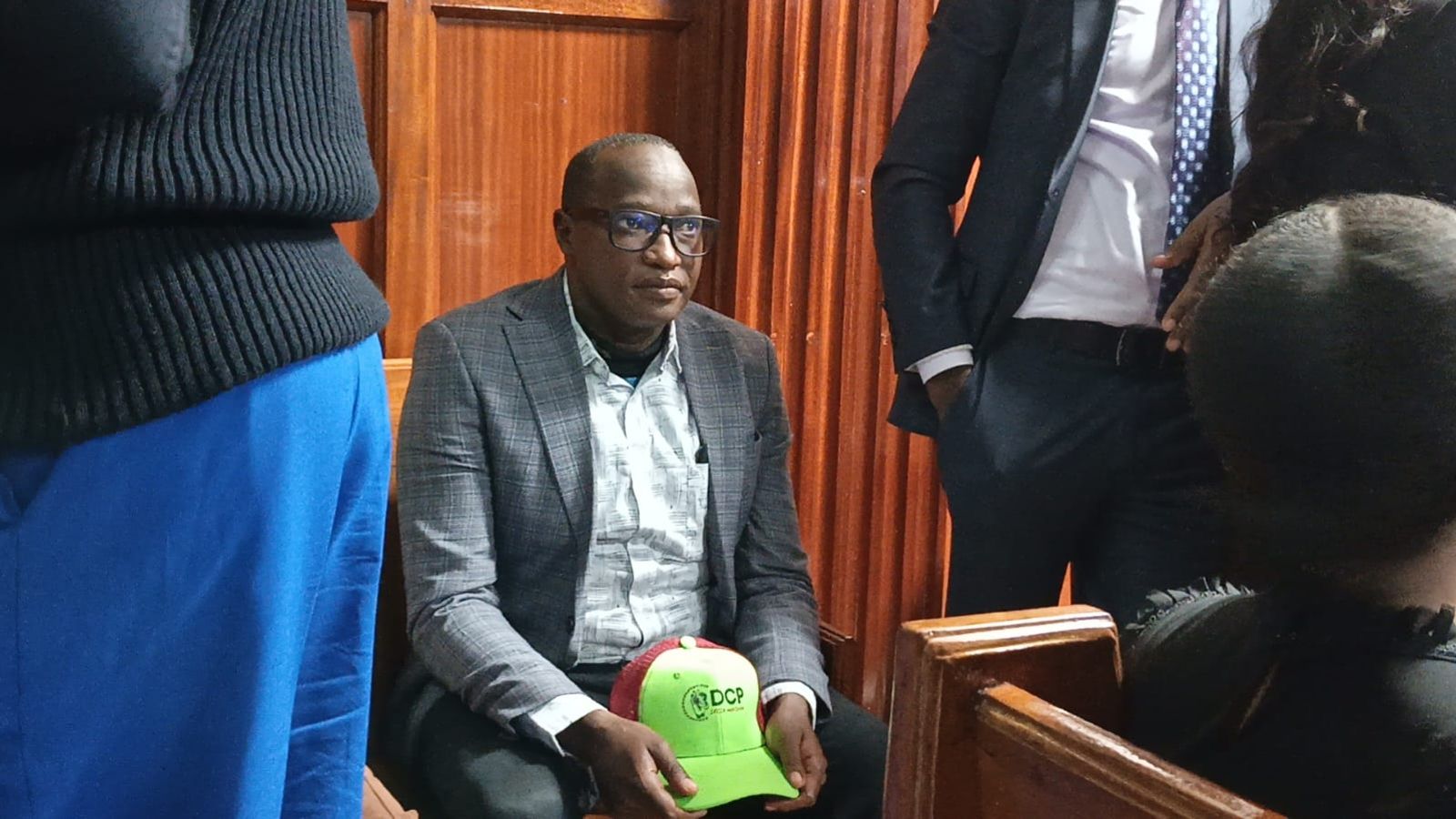 MP KAGUCHIA PLEADS NOT GUILTY TO INCITEMENT CHARGE
-
 DIAMOND, ZUCHU WELCOME BABY GIRL
-
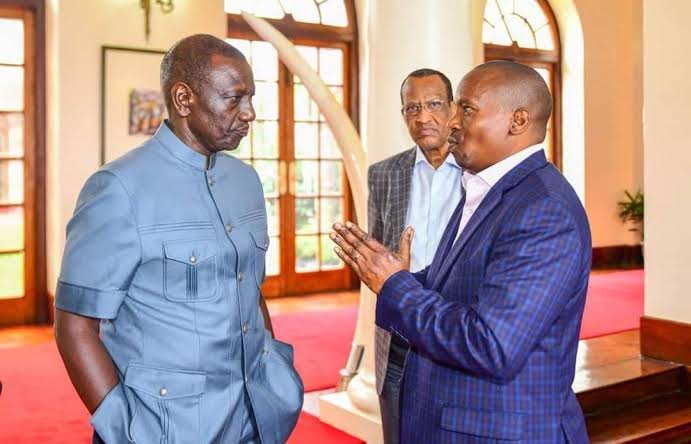 KINDIKI IN TROUBLE ?
-
 KANG'ATA JOINS GACHAGUA'S DCP
BURKINA FASO DROPS FRENCH

Burkina Faso has officially dropped French as its national language, replacing it with indigenous languages in what the government calls a major step toward reclaiming the cultural identity of the Burkinabees.
The decision, passed through a constitutional amendment, means local languages will now serve as official languages, while French will only remain as a working language.
“It’s illogical to keep using the language of those who exploited our resources for years as our national language. If we are truly free from French colonial rule, then an African language should be adopted and used consistently across Burkina Faso,” President Ibrahim Traoré said.
Burkina Faso, formerly known as Upper Volta, has used French as its official language since the territory came under French control in the late 19th century during the 1880s and 1890s.
President Ibrahim Traoré has been outspoken in his criticism of European powers, particularly France, often dismissing their continued influence over Burkina Faso.
Burkina Faso is one of Africa’s most linguistically diverse nations, with around 70 languages spoken. Mooré, Dyula, Fula, Gourmanché, and Bambara are among the most widely used. The government says recognizing these languages officially will make administration, education, and the media more inclusive.
The decision mirrors changes in the region, with Niger already recognizing Hausa as a national language, reducing French to a working language, and even adding English. Mali has also moved in the same direction.
Alongside Niger and Mali, Burkina Faso also withdrew from the International Organisation of Francophone Nations (OIF), accusing it of straying from its mission of cultural and technical cooperation and becoming a political tool.
Traoré’s administration maintains that the reform is more than symbolic, framing it as an essential part of Burkina Faso’s post-colonial identity. By prioritizing indigenous languages, the government hopes to build greater inclusivity and strengthen national unity.

Comments (0)
No comments yet. Be the first to comment!