

-
 GACHAGUA CAN STILL VIE FOR PRESIDENCY?
-
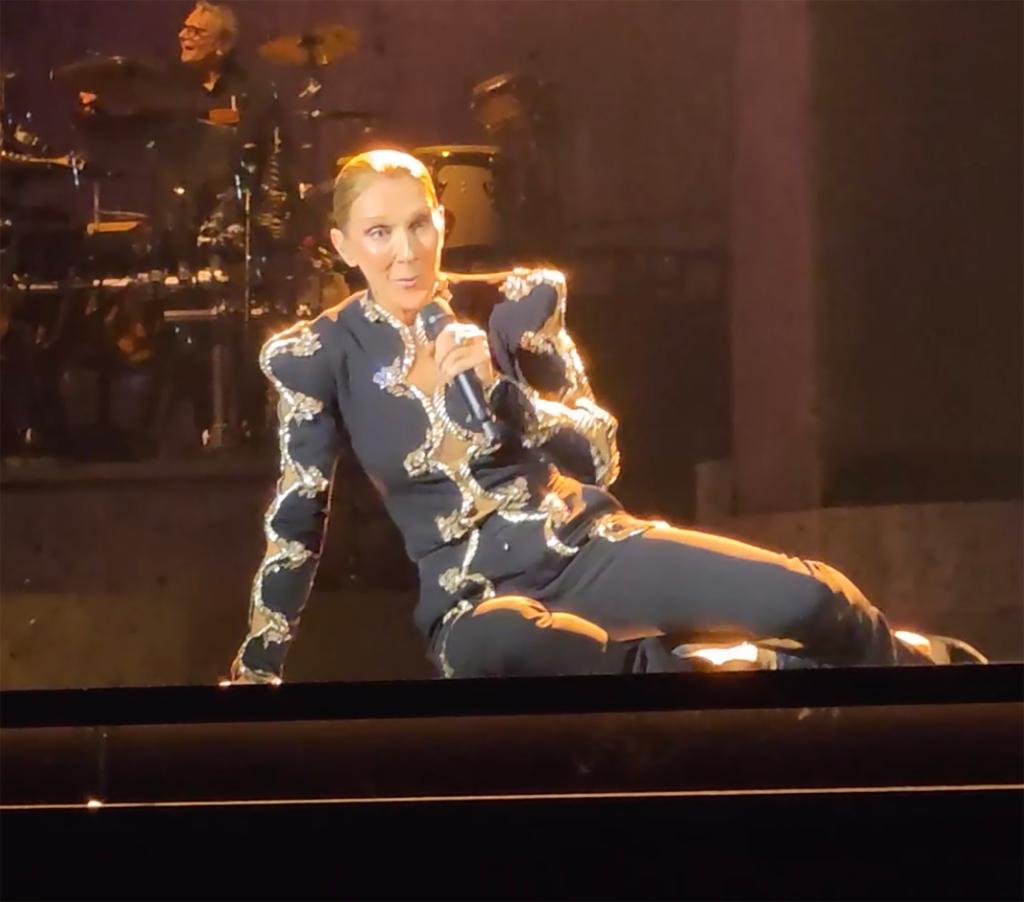 CÉLINE DION FALLS ONSTAGE AS PARIS COMEBACK TAKES EMOTIONAL TURN
-
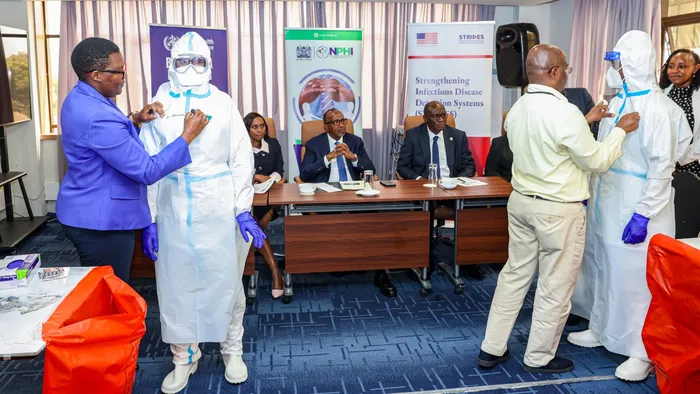 EBOLA DEATH INTENSIFIES KENYA’S SURVEILLANCE CRACKDOWN
-
 CIGGIE JOHNSON DEVASTATED BY 12-YEAR PATERNITY DNA SHOCK
-
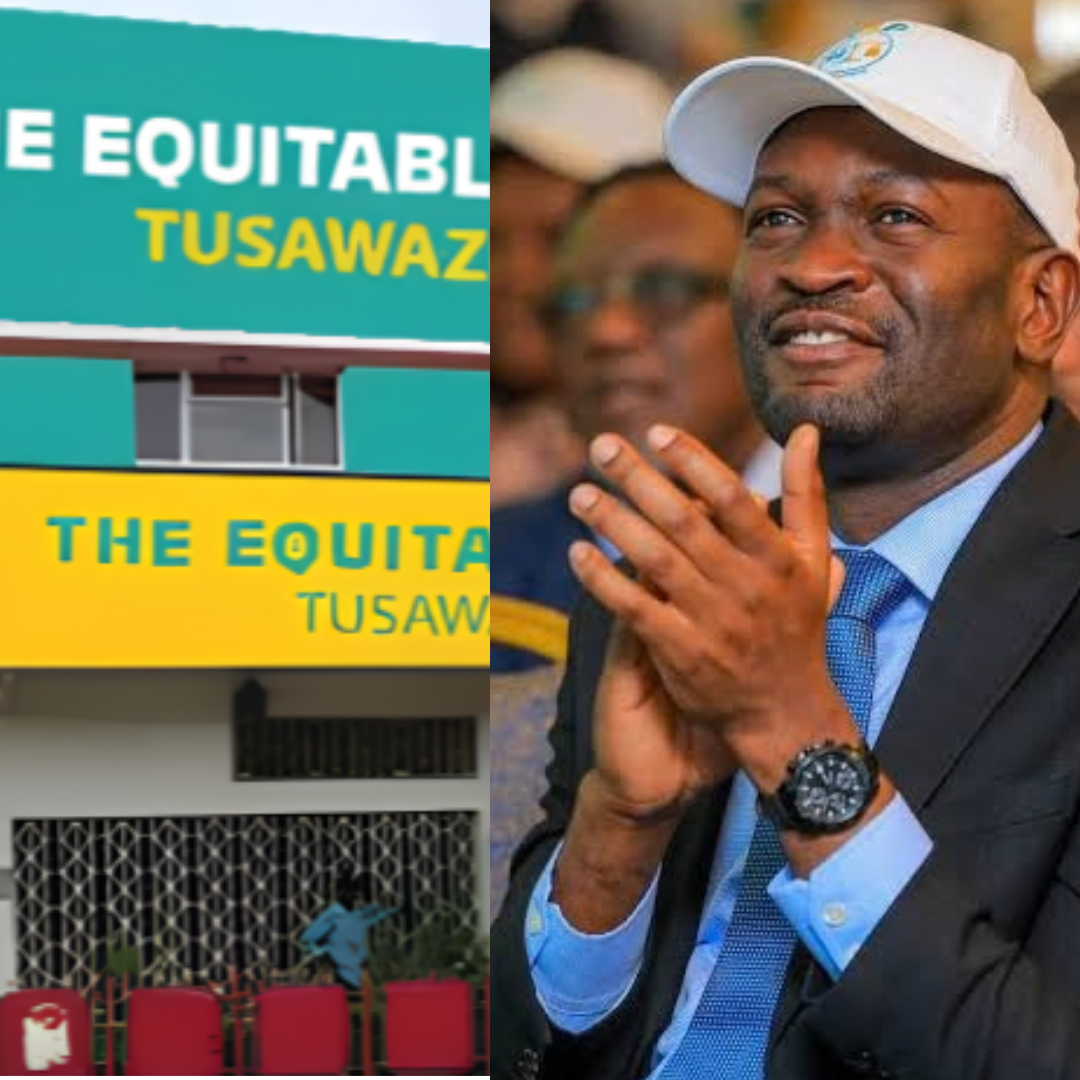 SIFUNA LANDS NEW PARTY FOR 2027 RACE
-
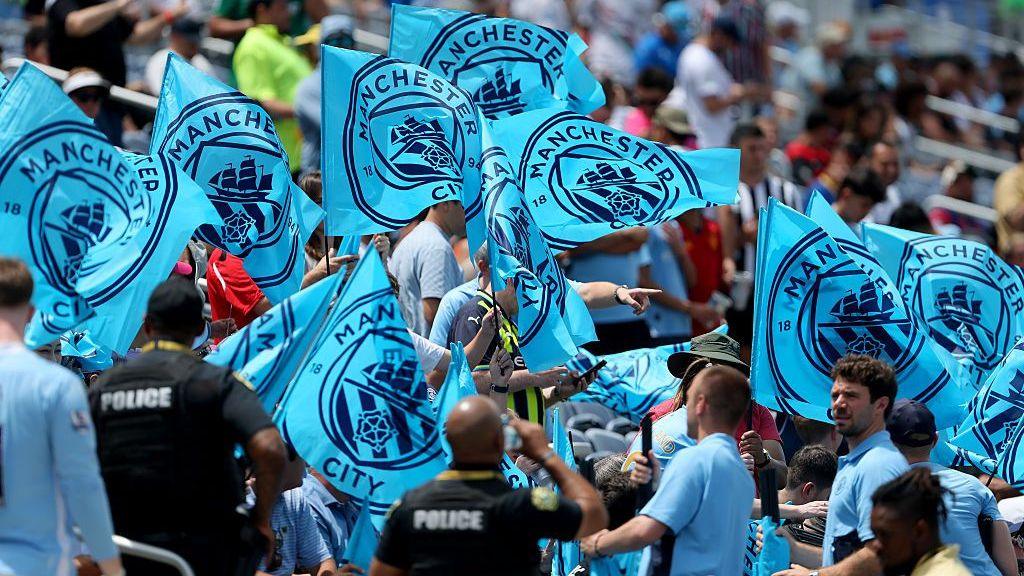 MAN CITY VERDICT TRIGGERS FALLOUT
-
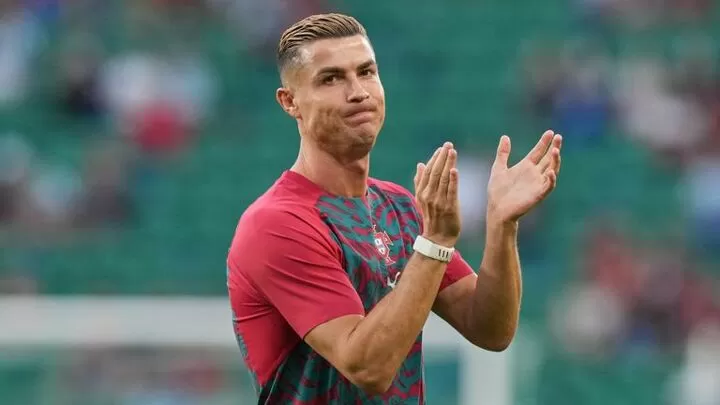 CR7 ERA HANGS IN BALANCE AS RONALDO LEAVES PORTUGAL IN UNCERTAINTY
-
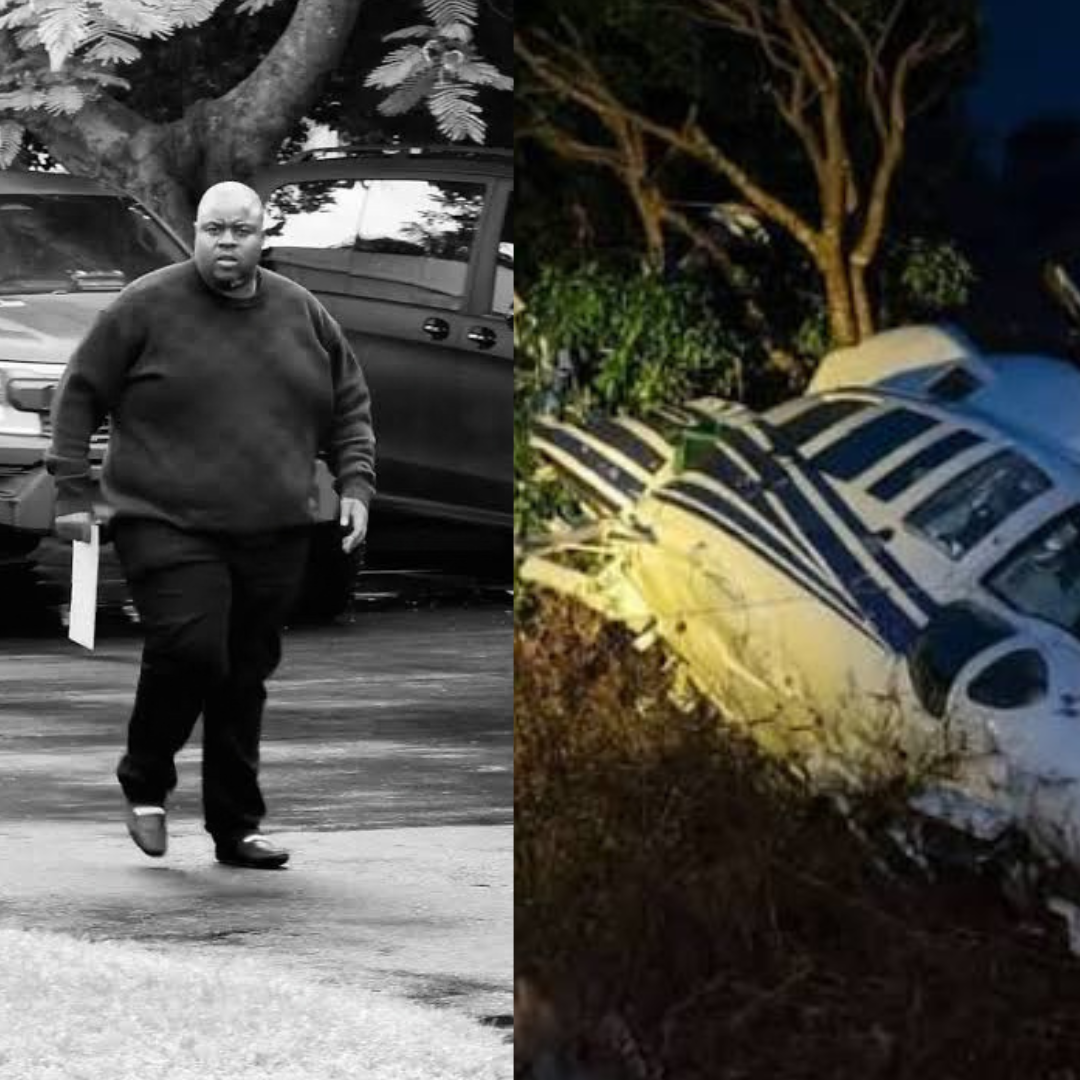 CHIVAYO DIES IN HELICOPTER CRASH
-
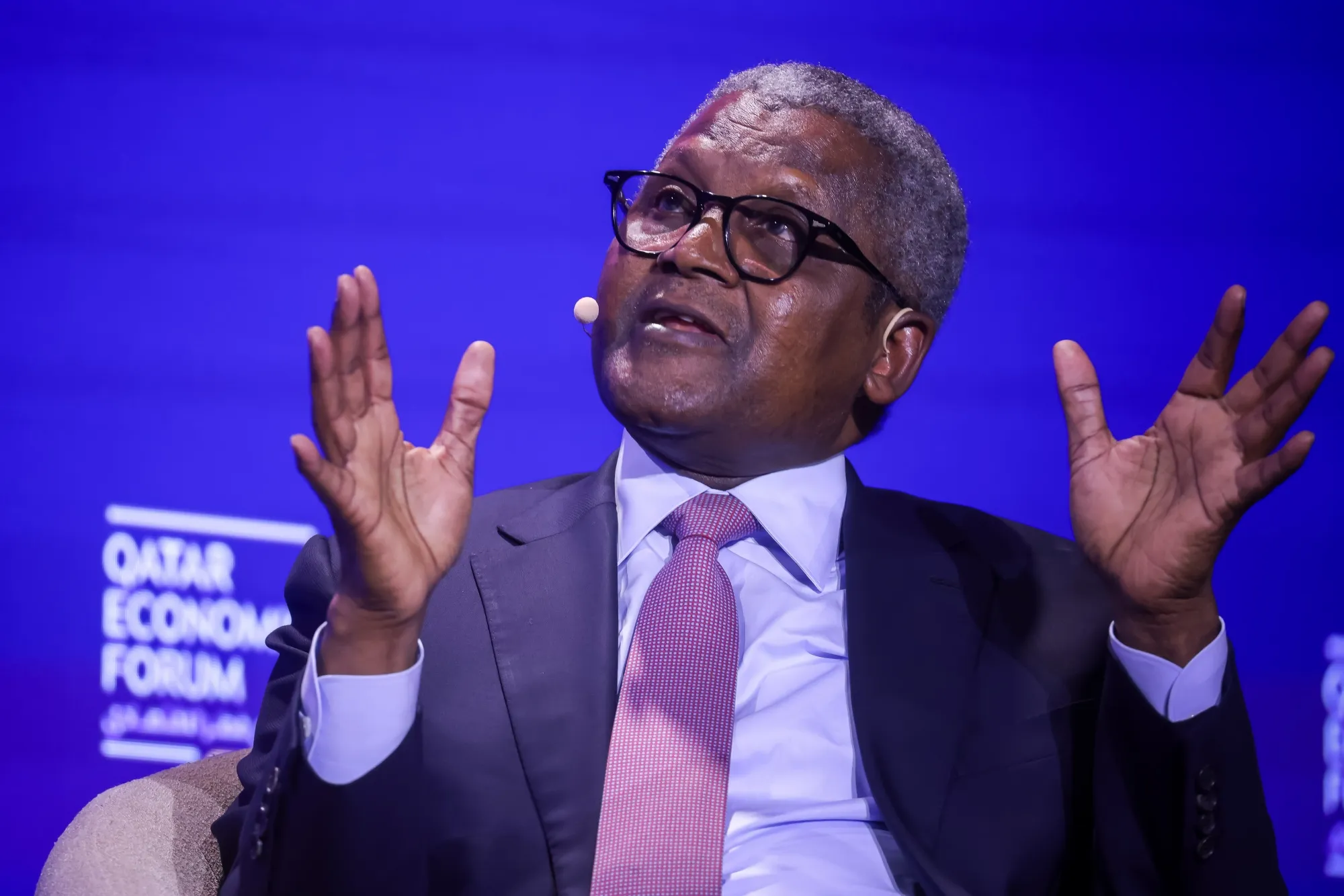 DANGOTE SHRUGS OFF LAMU PROTESTS, BRACES FOR COURT BATTLE
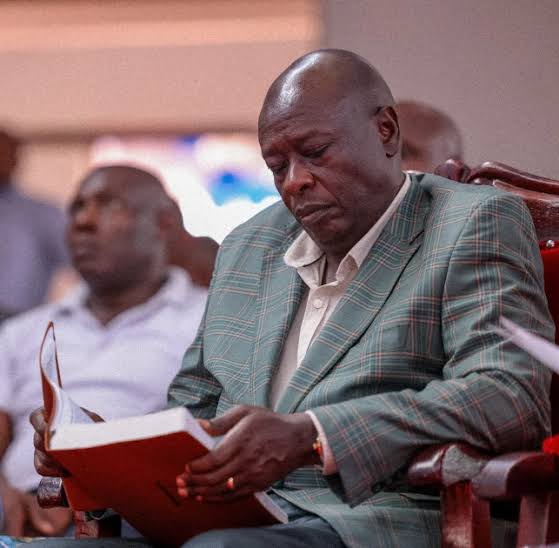
GACHAGUA CAN STILL VIE FOR PRESIDENCY?
Former Deputy President Rigathi Gachagua could still contest the presidency in the 2027 General Election despite his impeachment, constitutional lawyer Kibe Mungai has argued, as competing interpretations of the law leave his political future at the centre of a growing legal debate.
Speaking during an interview on Radio Generation on Friday, October 9, Mungai, who represented Gachagua during his impeachment proceedings, maintained that the pending court battles had not necessarily closed the door to his presidential ambitions.
“I can't speak for Rigathi Gachagua but there's nothing that prevents him from being on the ballot,” Mungai said, challenging those questioning the Democracy for the Citizens Party (DCP) leader’s eligibility to identify the specific constitutional provision that bars him from running.
The lawyer anchored his argument on Article 99(3) of the Constitution, which provides that a person cannot be disqualified under the relevant provisions until all possibilities of appeal or review of the decision have been exhausted.
His interpretation is shared by several prominent legal figures, including Law Society of Kenya (LSK) President Charles Kanjama, Senior Counsel Nelson Havi, constitutional lawyer Abdikadir Mohamed and People's Liberation Party leader Martha Karua.
However, the question remains subject to judicial interpretation, with the Supreme Court expected to clarify how the relevant constitutional provisions apply to impeached leaders whose appeals are yet to be concluded.
Gachagua was removed from office in October 2024 after the Senate upheld his impeachment. He subsequently challenged the decision in court, arguing that the proceedings violated his constitutional rights.
On June 8, 2026, a three-judge High Court bench comprising Justices Eric Ogola, Anthony Mrima and Fridah Mugambi upheld the impeachment but also found that the Senate had violated his right to a fair hearing by refusing to adjourn proceedings when he fell ill.
The court awarded him KSh50 million in constitutional damages but declined to reverse his removal from office, allowing Deputy President Kithure Kindiki to remain in office.
Gachagua subsequently pursued an appeal at the Court of Appeal, seeking to have the Senate's October 17, 2024, impeachment resolution declared unconstitutional.
His legal team argues that the court should not have upheld the impeachment after acknowledging the violation of his fair-hearing rights. The Senate, meanwhile, indicated plans to challenge the compensation award.
The Supreme Court has also been handling a separate constitutional question concerning whether Deputy Chief Justice Philomena Mwilu had the authority to constitute the original three-judge High Court bench that heard Gachagua's petitions.
In a related development, the Supreme Court directed the Attorney-General, Dorcas Oduor, to advise on whether leaders removed from office through impeachment can contest elections before exhausting their appeals. The question also affects former Meru Governor Kawira Mwangaza and former Nairobi Governor Mike Sonko.
Kanjama said after the June ruling that Gachagua remained eligible to seek elective office while the available avenues of appeal had not been exhausted.
Havi expressed a similar position during an interview on Citizen TV's JKLive on June 10, arguing that the former deputy president could remain eligible even if he chose not to appeal immediately.
“With this decision by the three judges confirming that there was a violation of Gachagua’s rights, the logical conclusion is that he, even as we speak now, may run if he wants to appeal or not,” Havi said.
Abdikadir Mohamed also argued that an active appeal could preserve a candidate's eligibility, drawing a comparison with President William Ruto and former President Uhuru Kenyatta, who contested the 2013 election while facing International Criminal Court proceedings.
Karua, speaking in July, similarly maintained that an impeachment decision should not automatically prevent a candidate from running while the judicial process remains incomplete.
“I find the advisory by the court a bit curious because the position as of now, as long as you have an appeal pending and your matter has not exhausted the chain of justice or hierarchy, you can vie,” she said.
Nevertheless, the constitutional debate extends beyond Article 99(3). Article 75(3) provides for restrictions on public office following removal for contravening Chapter Six on leadership and integrity, while Article 137 outlines the qualifications and disqualifications applicable to presidential candidates.
The relationship between these provisions, particularly where an impeachment appeal remains pending, is central to the question awaiting further judicial clarification.
Beyond the courtroom, Gachagua's presidential ambitions are likely to depend on his ability to consolidate support across the country.
Mungai argued that coalition-building would be important for Gachagua or any other Mount Kenya politician seeking the presidency, with the choice of a running mate likely to involve negotiations with leaders from other regions.
Gachagua, who launched the DCP in May 2025, has positioned himself as a leading figure in the opposition's efforts to challenge President Ruto in 2027. His political engagements have included a 50-day tour of the United States, which was scheduled to conclude on October 10, 2026, as he sought support among Kenyans living abroad.
He has also been involved in efforts to build a broader opposition alliance involving leaders such as Kalonzo Musyoka, Martha Karua and Fred Matiang'i, amid calls for a united candidate to challenge the incumbent.
Whether Gachagua ultimately runs on the DCP ticket or under a coalition arrangement remains unsettled.
For now, the pending appeals and the Supreme Court's anticipated clarification leave a significant constitutional question hanging over the 2027 race. While several legal experts maintain that Gachagua can still seek the presidency, his eventual eligibility will depend on the applicable constitutional provisions and the final legal position established through the courts.
Comments (0)
No comments yet. Be the first to comment!