

-
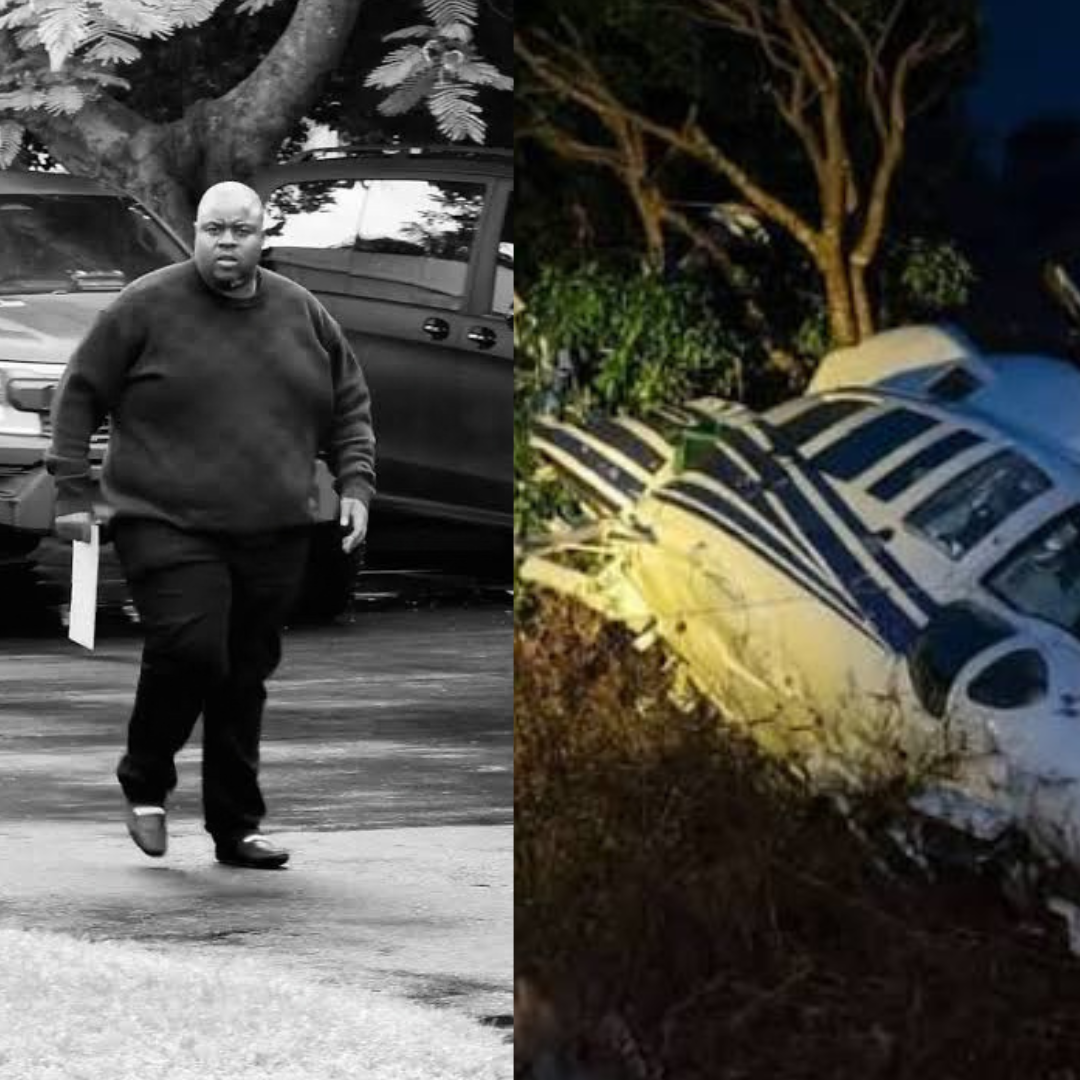 CHIVAYO DIES IN HELICOPTER CRASH
-
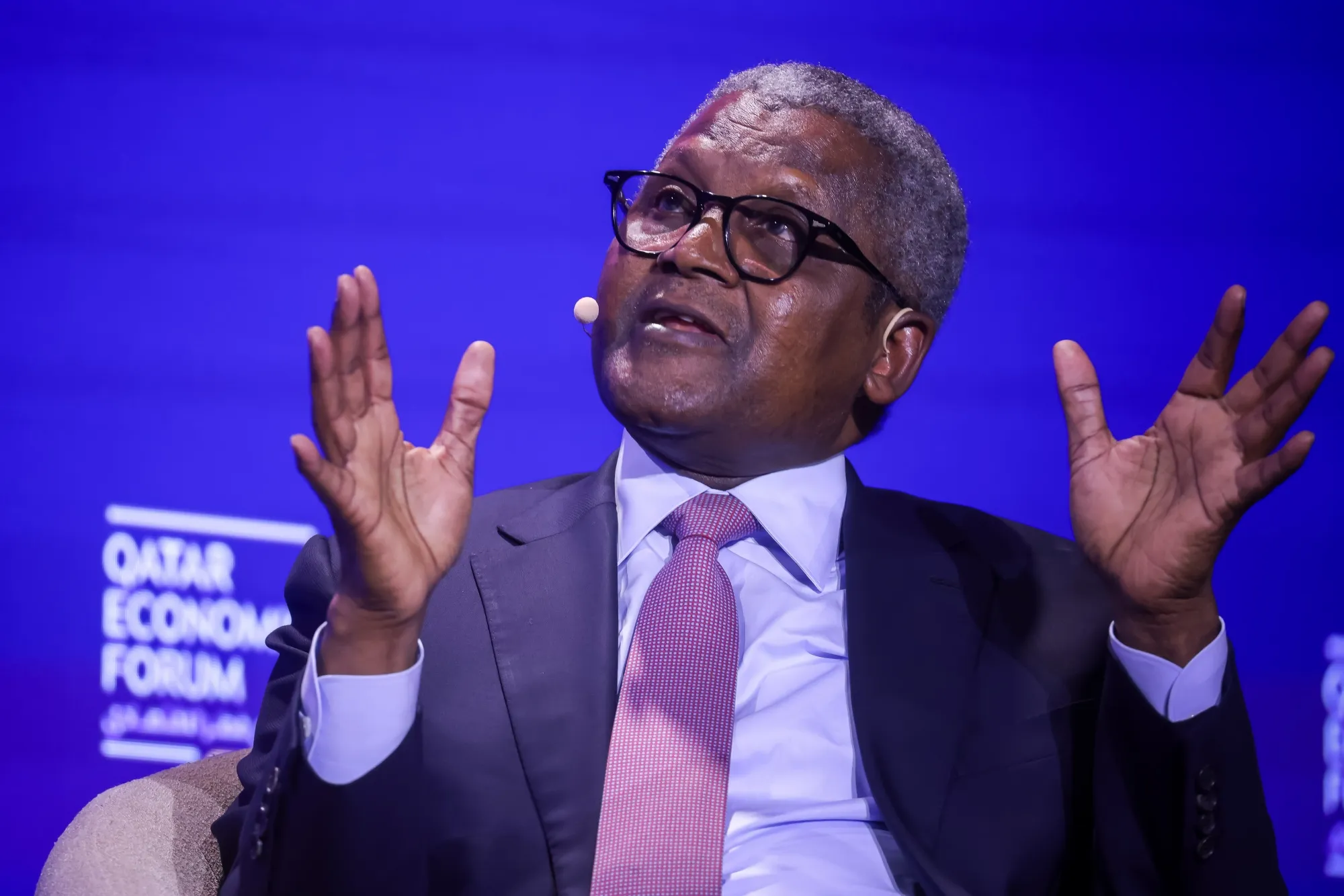 DANGOTE SHRUGS OFF LAMU PROTESTS, BRACES FOR COURT BATTLE
-
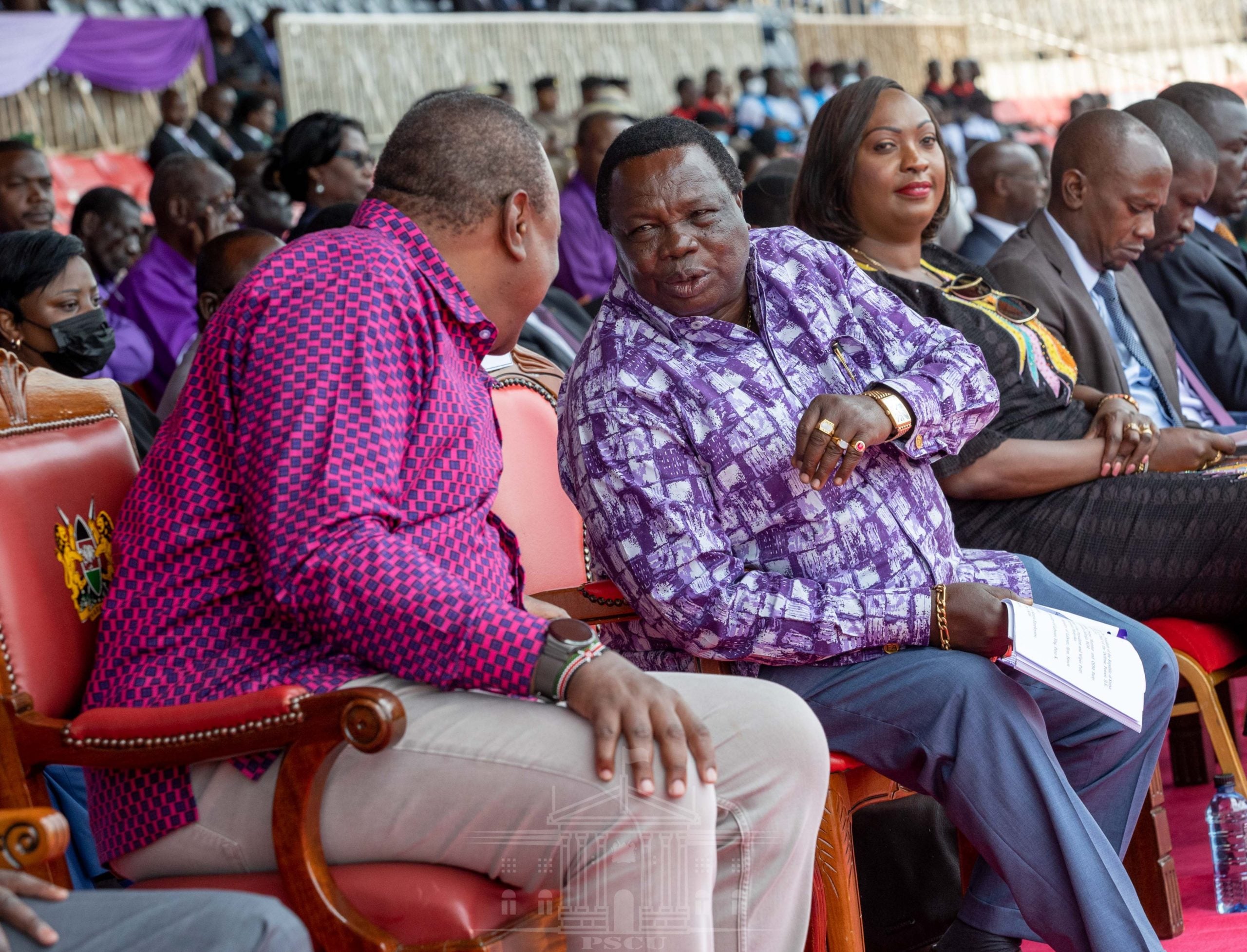 ATWOLI CALLS FOR UHURU'S ARREST OVER RAILA 2022 CLAIMS
-
 Karura race draws more than 1,000 runners ahead of Nairobi Marathon
-
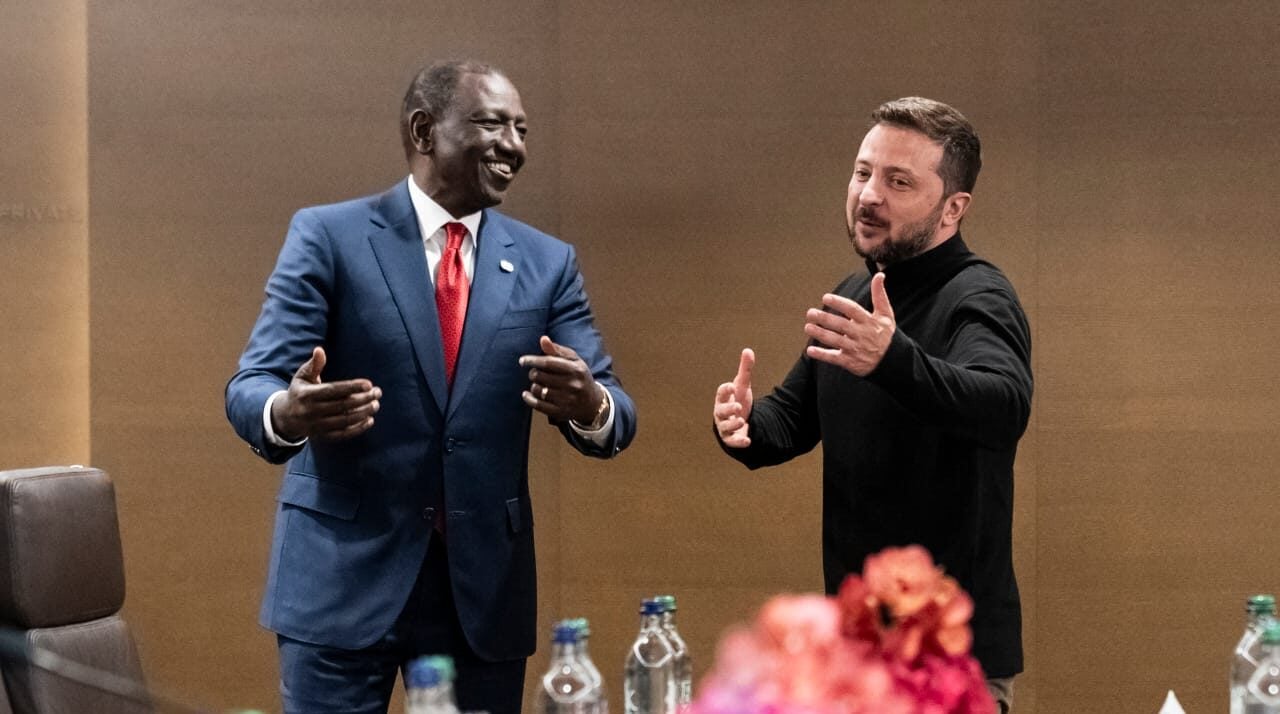 ZELENSKYY FLAGS KENYA TO UN OVER RUSSIA WAR RECRUITMENT
-
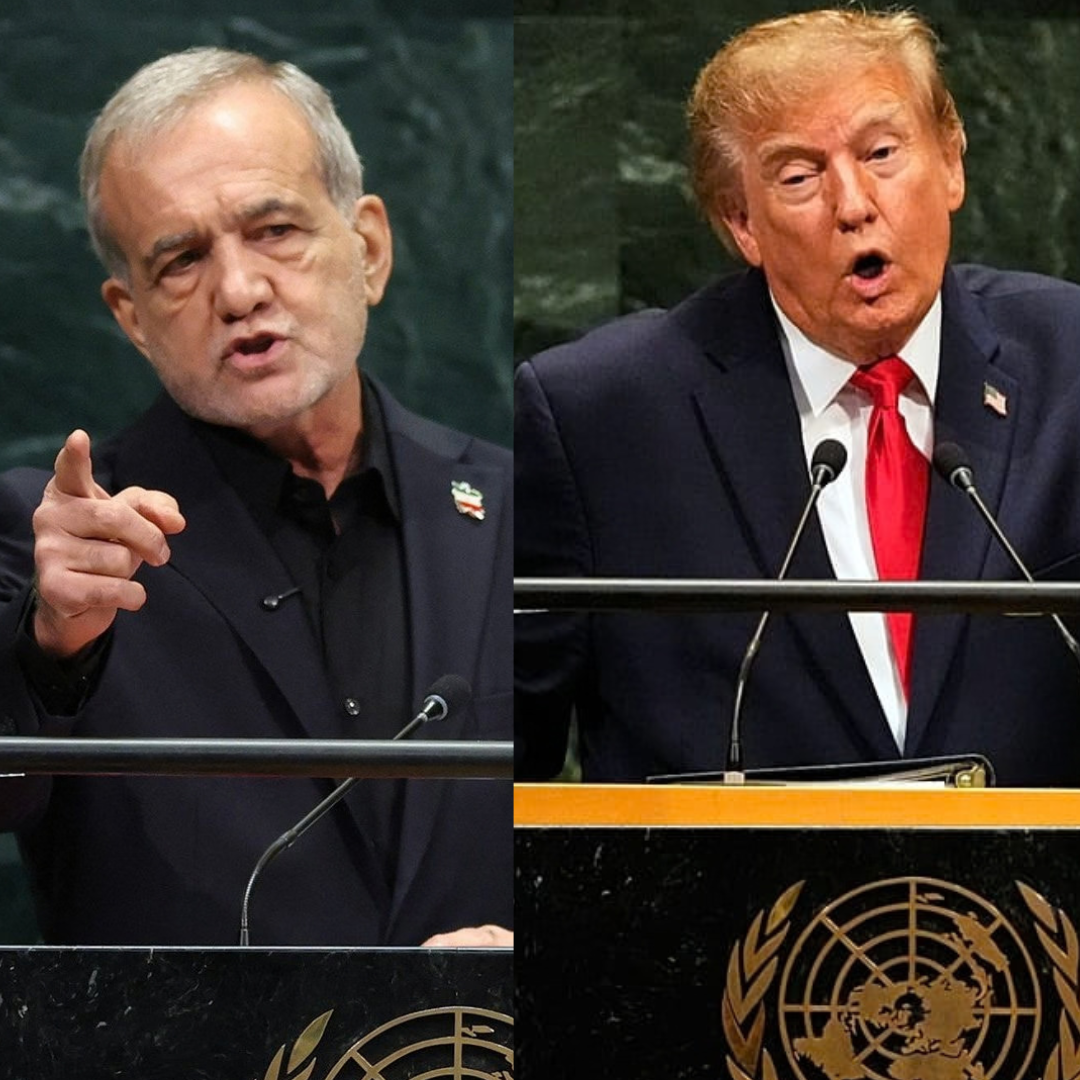 IRAN-US LOCK HORNS AT UNGA
-
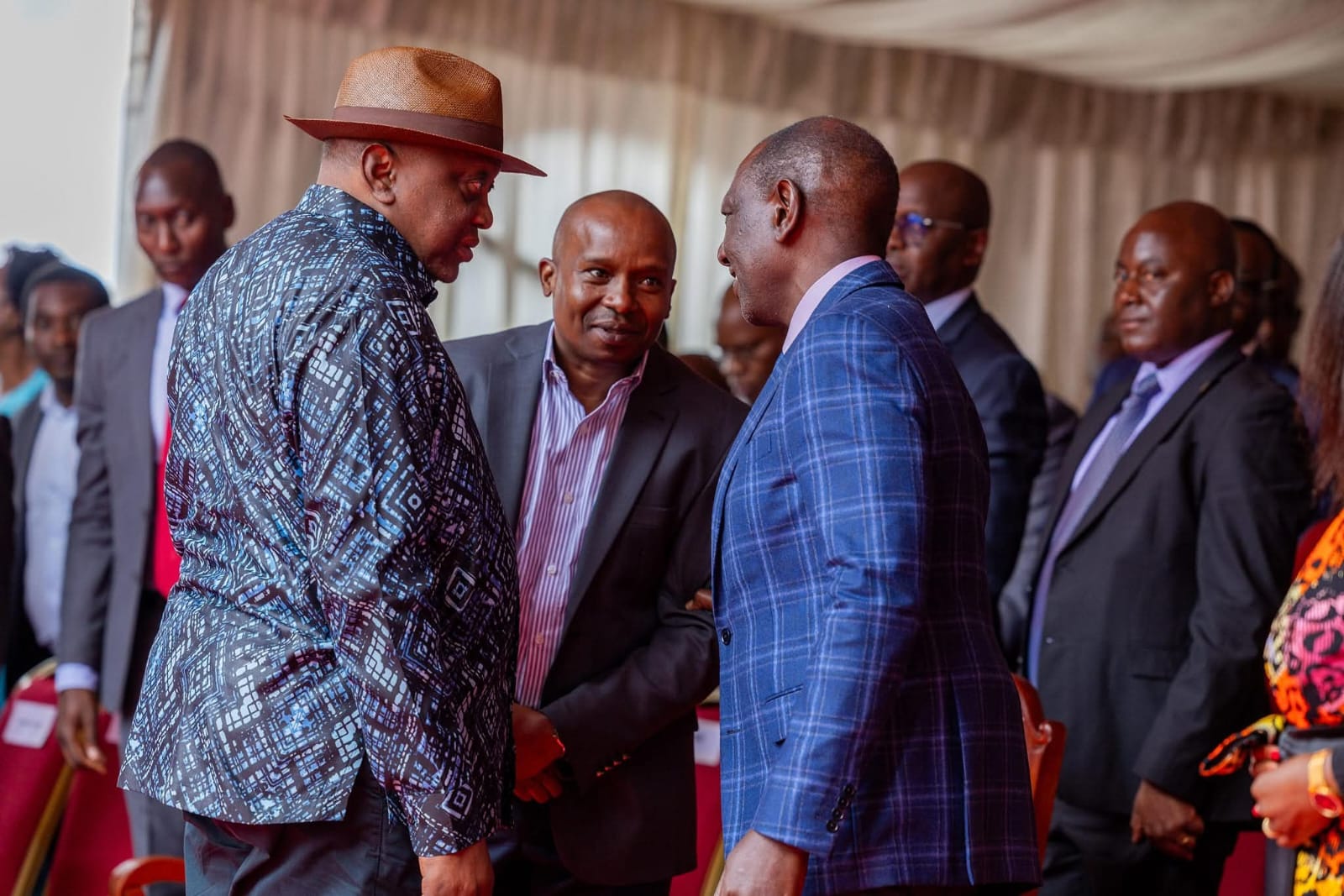 UHURU BACK ON 2027 POLITICAL FRONTLINE AFTER COURT RULING
-
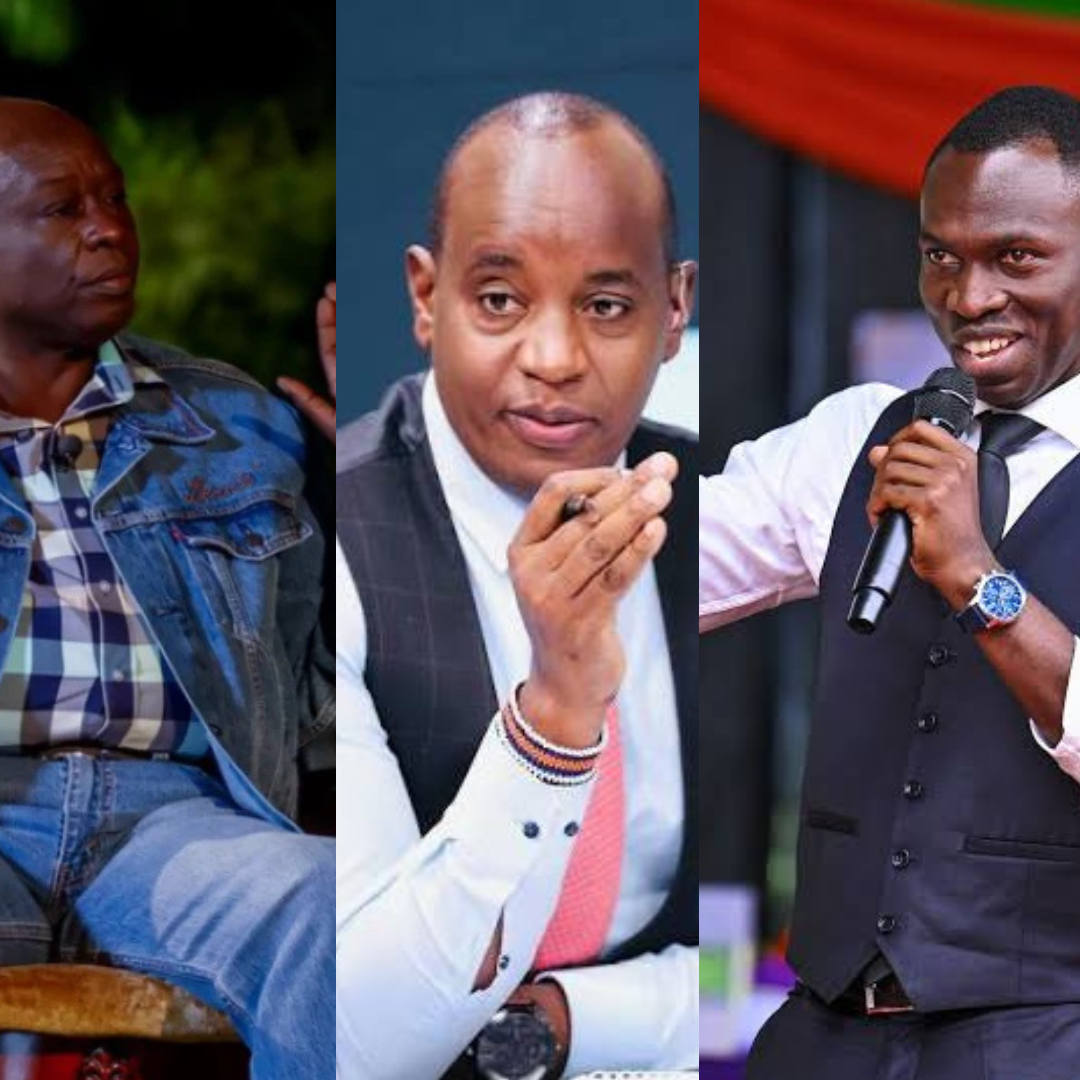 KAIKAI DISPUTES OMBIJA’S CLAIM GACHAGUA SOUGHT HIS SACKING
-
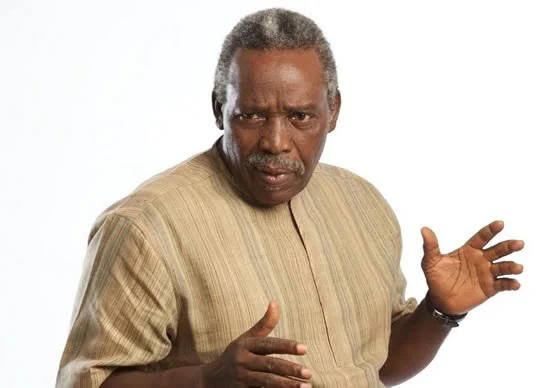 NOLLYWOOD ICON OLU JACOB DIES AT 84
GUINEA- BISSAU FALLS IN MILITARY COUP AND PRESIDENT ARRESTED

Guinea-Bissau has been plunged into yet another political crisis on Wednesday, November 26, after soldiers stormed key government sites, appeared on state television, and declared they had toppled the country’s leadership—just three days after tense national elections.
Gunshots rang out around the presidential palace shortly before the announcement, deepening fears in a country long familiar with instability. In interviews with French media, President Umaro Sissoco Embaló said he had been deposed and arrested, confirming the worst-case scenario unfolding in the capital.
It marks the latest upheaval in a region battered by a wave of military takeovers in recent years
Speaking on national television, military spokesperson Dinis N’Tchama delivered a chilling statement on behalf of a newly formed junta.
“The High Military Command for the re-establishment of national and public order decides to immediately depose the president of the republic, to suspend, until new orders, all of the institutions of the republic of Guinea-Bissau,”
he said, adding that the army had moved after allegedly uncovering “a plan” aimed at undermining the country by “manipulating electoral results.”
N’Tchama further claimed the plot involved local politicians, foreigners, and a “well-known drug lord,” though he provided no supporting details.
Moments later, borders were declared closed, media activities suspended, and the electoral process frozen indefinitely.
Sustained gunfire echoed across downtown Bissau near the presidential palace and the National Electoral Commission (NEC). Roads were barricaded by heavily armed soldiers, and key installations were sealed off.
Officials from the palace and Interior Ministry—both speaking on condition of anonymity—confirmed that armed men attempted to breach the palace, triggering a firefight with guards. Military officers also arrested the NEC chair and shut down the commission headquarters, according to an international observer.
“The president has been speaking to people saying he’s being held by the military,”
the observer told a local media house.
French outlet Jeune Afrique later quoted Embaló directly:
“I have been deposed,”
he told France 24, while insisting he had not been physically harmed.
Sunday’s presidential and legislative election had already pushed the country to the edge. Embaló and leading opposition candidate Fernando Dias each claimed victory on Tuesday, despite the fact that official provisional results were scheduled for Thursday.
Guinea-Bissau’s electoral calendar has been embroiled in controversy for months, fueled by disputes over the expiration of Embaló’s mandate. The opposition insists his term ended in February, while the Supreme Court ruled it should extend until September. Elections, however, were delayed until November, raising further mistrust.
Adding to the chaos, soldiers also detained Dias and Domingos Simões Pereira—leader of the influential PAIGC party and a key opposition figure who had backed Dias after being barred from contesting the election.
The United Nations expressed alarm almost immediately with the U.N. spokesperson Stéphane Dujarric confirming that the Secretary-General António Guterres was following the events “with deep concern” and urged all parties to uphold the rule of law.
The African Union and ECOWAS released a joint statement denouncing what they called a “blatant attempt to disrupt the democratic process.” Both blocs demanded the reinstatement of constitutional order and the release of detained officials.
Civil society groups inside the country painted a more complicated picture. The Popular Front accused Embaló and the army of orchestrating a “simulated coup”—an alleged move to halt the release of election results and cling to power.
The group claimed the plan was to appoint a handpicked interim leadership before organizing a new election.
Guinea-Bissau, with its population of two million, has endured four successful coups and numerous attempted ones since independence. The country has also become a notorious transit point for international drug networks.
Its crisis adds to a growing list of West African nations currently under military rule—including Mali, Burkina Faso, Niger, and Guinea—raising fresh concerns about democratic backsliding across the region.
As the situation evolves, Guinea-Bissau’s future remains uncertain. The junta has offered no timeline for transitioning back to civilian rule, and international monitors warn the next hours will be decisive.

Comments (0)
No comments yet. Be the first to comment!