

-
 RONALDO AND GEORGINA FLAUNT WEDDING RINGS
-
 DIAMOND’S FORMER DJ RESCUED FROM STREETS
-
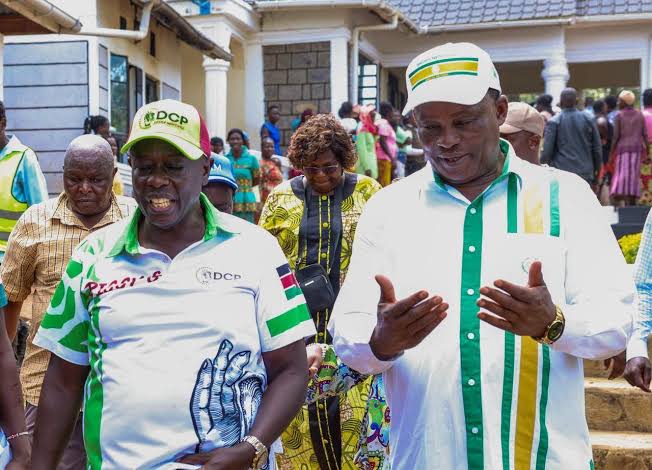 MUTURI REJECTS GACHAGUA’S ‘HYENA COALITION’
-
 YUNGE’S ALLEGED EX CRIES FOUL AFTER CHARLENE’S WEDDING
-
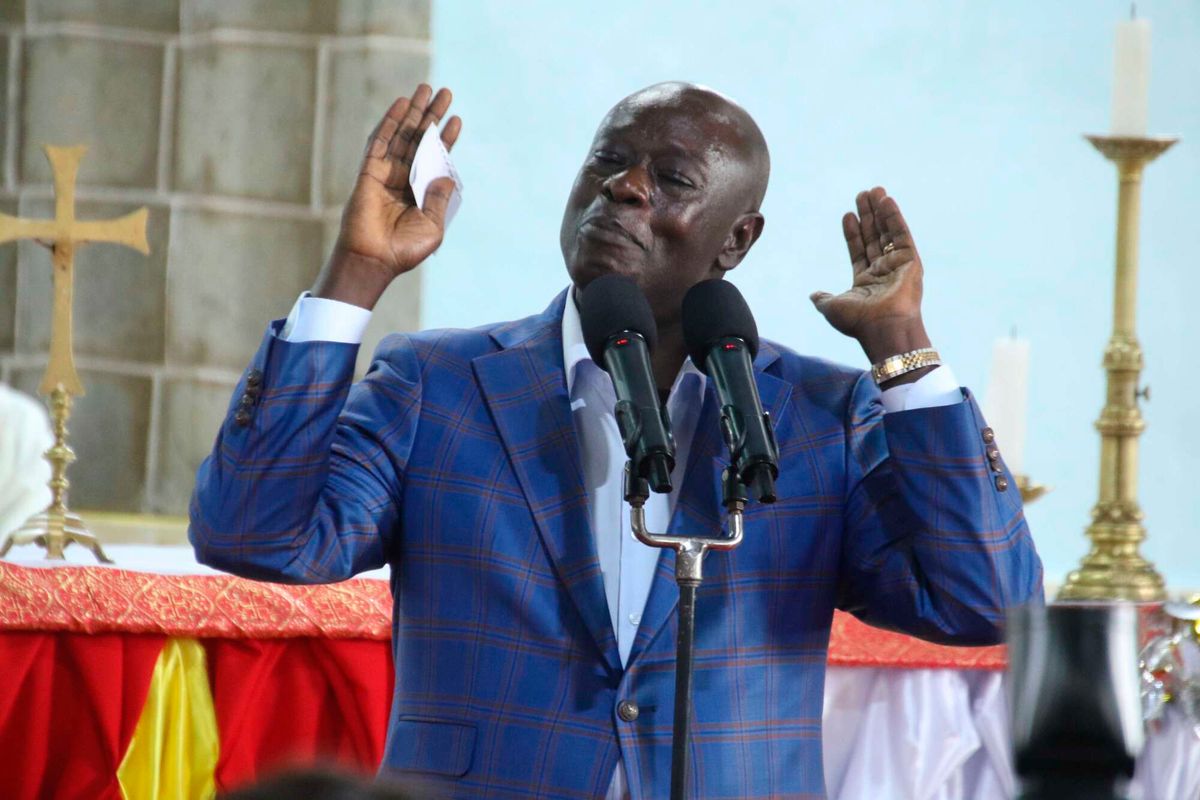 GACHAGUA PROPOSES 'THE HYENA COALITION '
-
 MP KAGUCHIA PLEADS NOT GUILTY TO INCITEMENT CHARGE
-
 DIAMOND, ZUCHU WELCOME BABY GIRL
-
 KINDIKI IN TROUBLE ?
-
 KANG'ATA JOINS GACHAGUA'S DCP
KENYA MARKS 15 YEARS OF THE 2010 CONSTITUTION WITH KATIBA DAY
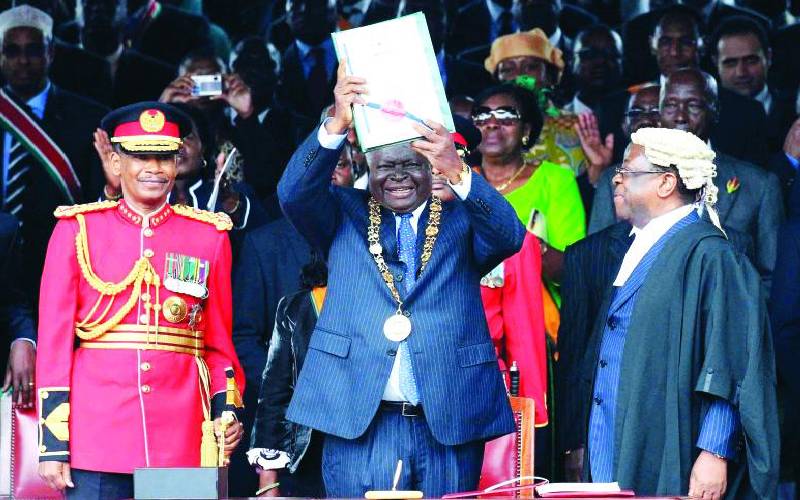
On August 27, 2010, Kenya ushered in a new era with the promulgation of the Constitution of Kenya 2010. The document restructured governance, strengthened institutions, and expanded protections for citizens.
Fifteen years later, the country is officially marking that milestone through Katiba Day, a commemoration declared by President William Ruto to honor the Constitution’s legacy.
The 2010 Constitution was a response to decades of centralized power, political impunity, and weak accountability. Its adoption followed years of reform movements and the crisis of the 2007–2008 post-election violence.
Key provisions included the creation of 47 devolved county governments, a strengthened Bill of Rights, and the establishment of independent institutions such as the Supreme Court. The reforms sought to bring power closer to citizens and limit abuses of authority.
The promulgation ceremony at Nairobi’s Uhuru Park, led by the late President Mwai Kibaki, drew thousands of Kenyans and international dignitaries. It remains one of the most significant events in the nation’s democratic history.
Katiba Day will not be observed as a public holiday, but institutions across the three arms of government are organizing civic activities. These include public forums and educational programs aimed at deepening citizens’ understanding of their rights and responsibilities under the Constitution.
Diplomatic missions in Nairobi are also expected to participate, reflecting the Constitution’s role in positioning Kenya as a regional model of constitutional reform.
Fifteen years on, the spirit of the Katiba continues to shape Kenya’s governance. It stands as both a shield for citizens’ rights and a framework for accountability.


Comments (0)
No comments yet. Be the first to comment!