

-
 RONALDO AND GEORGINA FLAUNT WEDDING RINGS
-
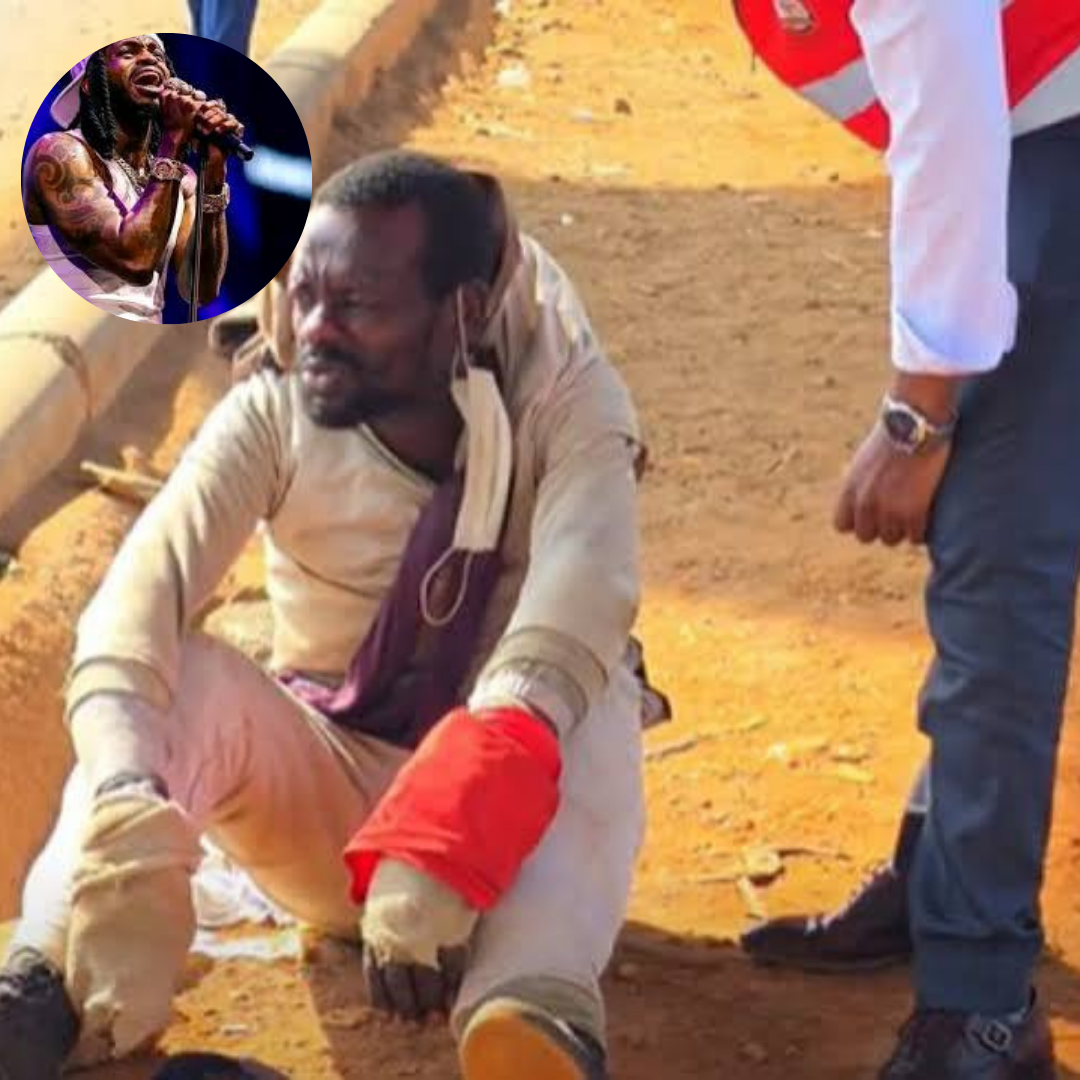 DIAMOND’S FORMER DJ RESCUED FROM STREETS
-
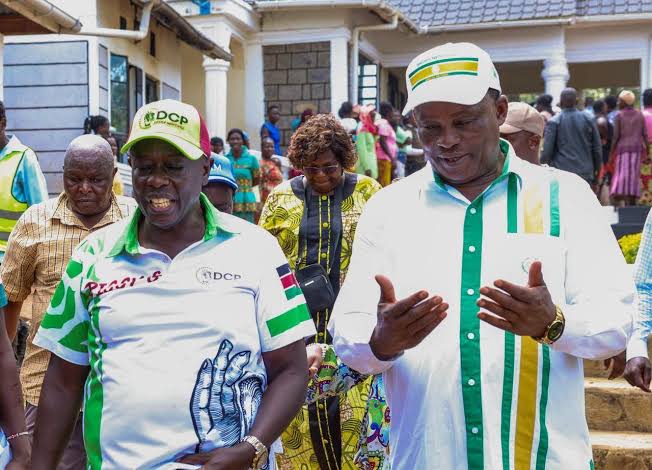 MUTURI REJECTS GACHAGUA’S ‘HYENA COALITION’
-
 YUNGE’S ALLEGED EX CRIES FOUL AFTER CHARLENE’S WEDDING
-
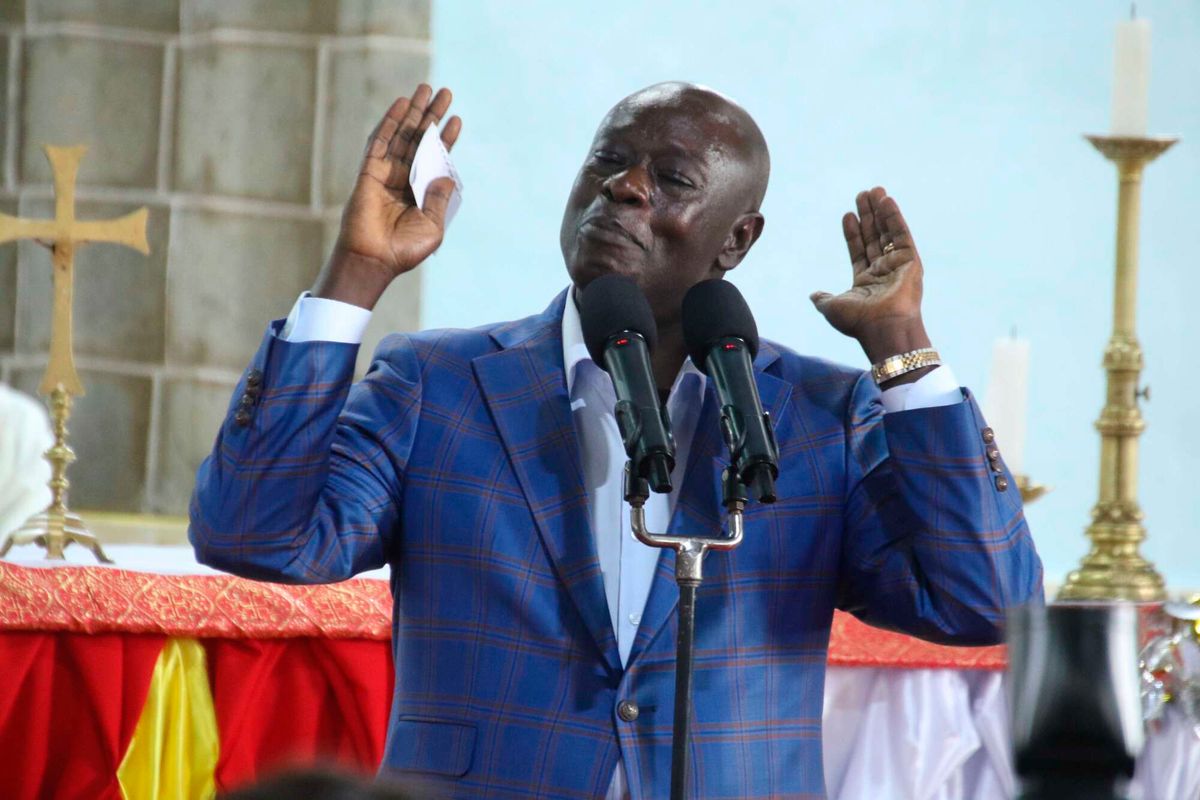 GACHAGUA PROPOSES 'THE HYENA COALITION '
-
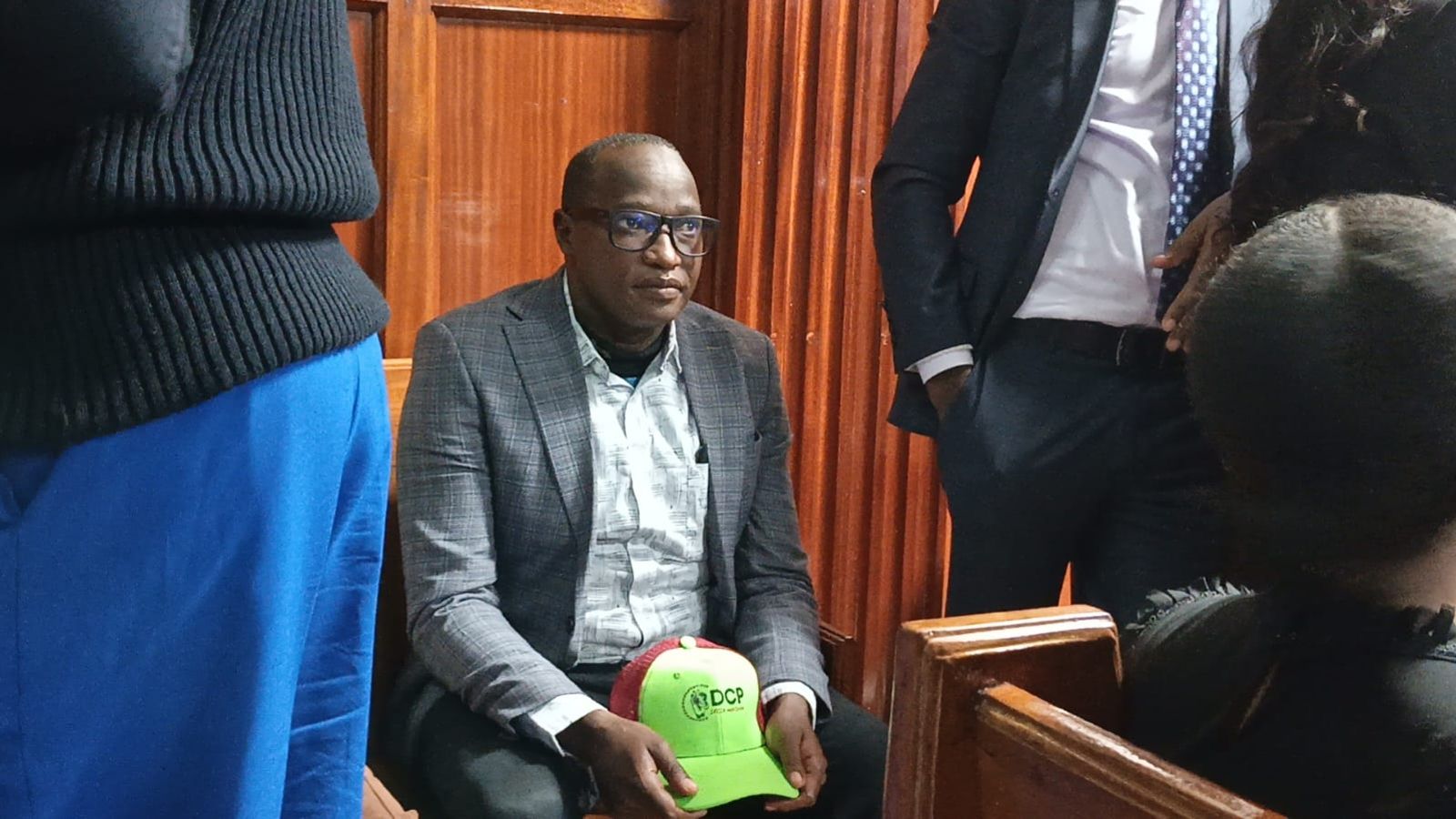 MP KAGUCHIA PLEADS NOT GUILTY TO INCITEMENT CHARGE
-
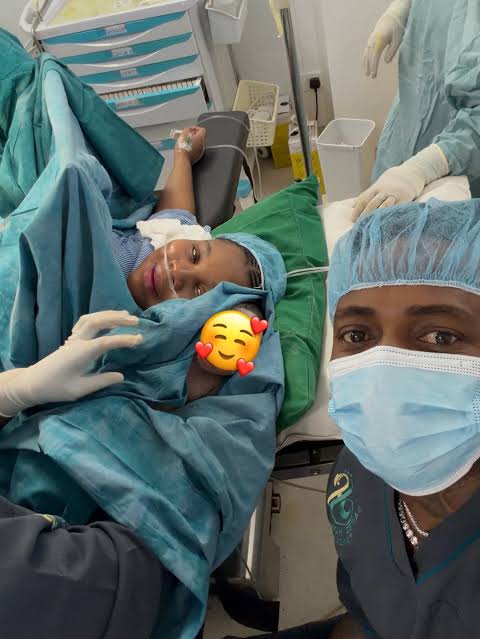 DIAMOND, ZUCHU WELCOME BABY GIRL
-
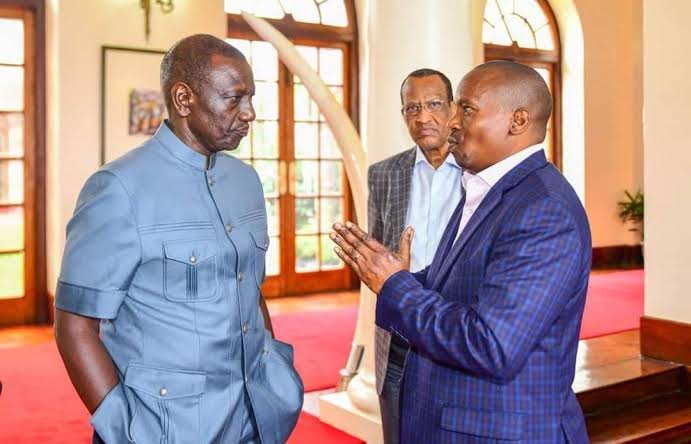 KINDIKI IN TROUBLE ?
-
 KANG'ATA JOINS GACHAGUA'S DCP
MBADI REJECTS KIKUYU-KALENJIN GRIP ON THE PRESIDENCY
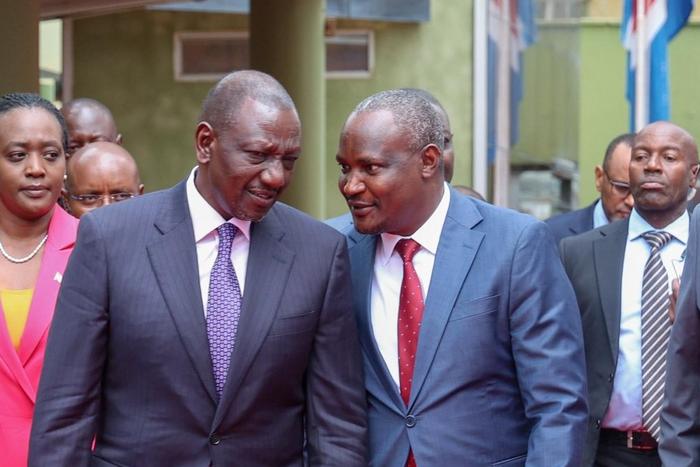
Treasury Cabinet Secretary John Mbadi has sparked fresh debate over Kenya’s succession politics after declaring that the Nyanza region should produce Kenya’s next president openly opposing the long-standing grip of the presidency by the Kikuyu and Kalenjin communities .
Speaking on Friday 22, during the burial of Mama Doris Akumu Okello, the mother of Nyando MP Jared Okello, at Seka Village in Nyando, Kisumu County, Mbadi said Nyanza and Western Kenya needed to begin organising themselves politically if they hoped to shape the country’s future leadership.
“Nyanza and Western, we will sit down and organise ourselves as we progress to 2032. This region must also produce a president,” Mbadi said.
The Treasury CS argued that Kenya’s presidency had for decades revolved around two communities and insisted the country should now embrace leadership diversity.
“We must tell them that in 2032, we don't want to see a Kikuyu, we don't want to see a Kalenjin. We have 42 communities in this country, and each of us has the capacity, competence and ability to lead this country,” he stated.
Mbadi’s remarks reinforced a position he has repeatedly pushed in recent months — that Luo Nyanza must strategically prepare itself for the post-Ruto era. During a church service in Kasipul Kabondo attended by President Ruto in March this year, Mbadi similarly declared that the region would ensure it presents “the right people with the right qualifications and competence” to succeed Ruto after 2032.
The CS has also increasingly hinted at his own national ambitions. In February, while addressing a public gathering, Mbadi openly stated that he was personally prepared to contest for the presidency in 2032, though he ruled out any intention of running in 2027.
“We will work with Ruto until 2027, and in 2032, some of us are willing to take over as president of this country,” Mbadi said at the time, adding, “I’m personally ready to vie for the presidency in 2032, but not 2027.”
Even as he championed Nyanza’s long-term ambitions, Mbadi maintained that ODM strongholds would stand with Ruto during the 2027 elections under the existing broad-based political cooperation arrangement.
In attendance was also Homabay Governor Gladys Wanga who echoed the same position, urging Luo Nyanza to remain united behind ODM and continue supporting President Ruto. She praised the Head of State for what she described as honouring promises made to the region through appointments and political inclusion.
Wanga pointed to Mbadi’s appointment as Treasury Cabinet Secretary and the inclusion of several ODM-linked leaders in government as proof that Ruto had demonstrated goodwill toward the Luo community.
The governor further called for respect toward Senator Oburu Oginga, describing him as a senior figure within ODM whose leadership deserved recognition.
At the same time, she acknowledged growing frustration among Kenyans over the rising cost of living and soaring fuel prices but insisted leaders working under the broad-based arrangement were engaging government to ease the burden on citizens.
The growing 2032 debate was not limited to Nyanza alone. Leaders from Western Kenya , who were also present intensified the succession conversations, with Prime Cabinet Secretary Musalia Mudavadi urging the region to consolidate support around UDA to improve its chances of capturing power after Ruto’s tenure.
Mudavadi has repeatedly argued that aligning with a national party would give Western Kenya a stronger political footprint across the country, especially in regions where UDA commands influence.
“Ndio maana naambia watu tujipange sasa. Mapema ndiyo best,” Mudavadi said in one of his recent addresses, while encouraging leaders to embrace larger national formations instead of smaller regional parties.
Speaker Wetang’ula has similarly maintained that backing Ruto in 2027 could position Western Kenya favourably in future succession arrangements.
Mbadi’s argument was anchored on Kenya’s presidential history, noting that since independence the country has produced three presidents from the Kikuyu community and two from the Kalenjin community. According to the CS, this pattern has left many other regions feeling excluded from the country’s top leadership position.
For years, former Prime Minister Raila Odinga had been viewed by his supporters as the leader who could potentially shift the presidency to the Nyanza region. However, despite several attempts, Odinga’s presidential bids were unsuccessful.
As political realignments continue to emerge, both Nyanza and Western Kenya are increasingly positioning themselves for the post-Ruto era, even though the 2032 succession race remains years away. Pro-broad-based leaders from Nyanza view their cooperation with President William Ruto’s administration as a strategic political investment that could strengthen the region’s future presidential ambitions.
Even so, succession politics has continued to steadily shape Kenya’s political landscape long before the next transition cycle officially begins.
Comments (0)
No comments yet. Be the first to comment!