

-
 MORE KENYANS DIE IN RUSSIA - UKRAINE WAR
-
 LIFE SENTENCE FOR TRUMP'S ASSASSINATION PLOTTER ; MAKES BIZZARE PUTIN AND HITLER COMMENTS
-
 GOVERNMENT HAND IN KOKO'S COLLAPSE
-
 MUHONZI SPARKS US - UGANDA DIPLOMATIC ROW
-
 CARRICK CALLS FOR HUMILITY AFTER MAN U VICTORY
-
 Kenya Hosts Continental Gathering to Shape Unified African Pastoralist Agenda
-
 GACHAGUA ALLEGEDLY MISSING AFTER CHURCH ATTACK
-
 MADOWO AND MUHOONZI ONLINE BATTLE
-
 WHERE IS BOBI WINE ?
MORE KENYANS DIE IN RUSSIA - UKRAINE WAR
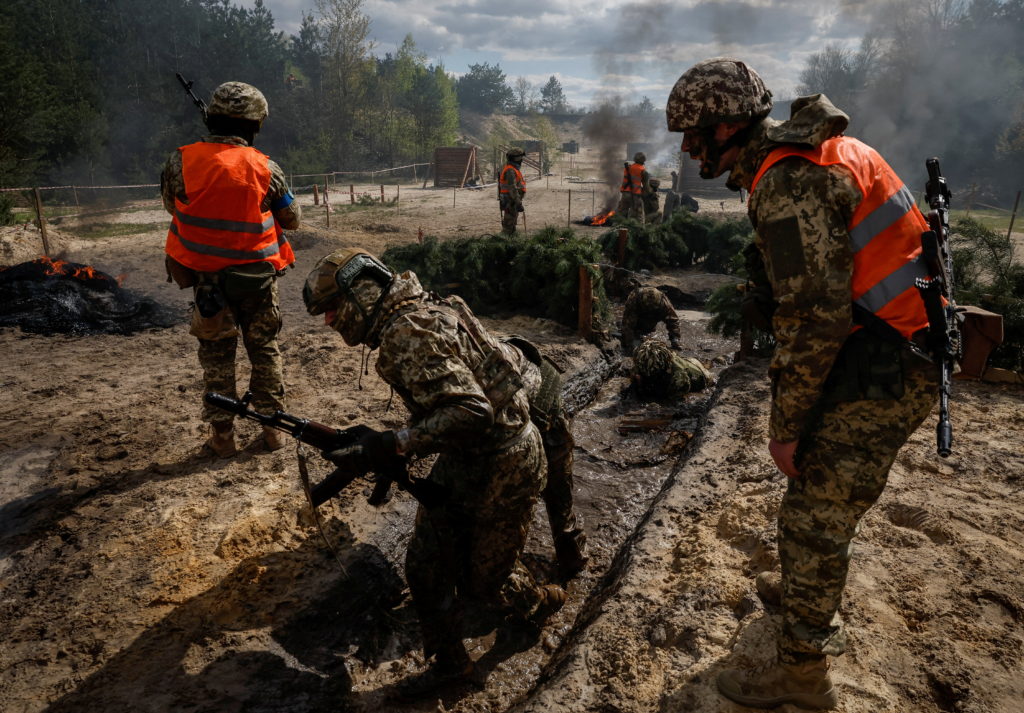
Ukraine’s defence intelligence has confirmed the recovery of the bodies of two more Kenyan nationals killed while fighting on Russia’s side in eastern Ukraine, further exposing a recruitment network that has drawn Kenyan job seekers into one of the world’s deadliest conflicts.
The bodies were recovered in the Donetsk region, near the city of Lyman, an area that has remained a focal point of fierce fighting. Ukrainian officials identified the men as Ombwori Denis Bagaka, born on January 30, 1987, and Wahome Simon Gititu, born on May 21, 1991.
According to the Defence Intelligence of Ukraine (DIU), the remains were found close to the body of another Kenyan, Clinton Nyapara Mogesa, who was recovered earlier in January during battlefield search operations. Ukrainian officers said Russian units retreated from the area after suffering heavy losses, leaving behind the bodies of foreign recruits.
Investigations by Ukrainian authorities indicate that the Kenyans were initially recruited through overseas job arrangements linked to private security work, with some leads tracing back to Qatar, where the men were reportedly employed or seeking better-paying opportunities. They were promised safe, well-paying civilian or security roles.
Instead, investigators say, they were moved to Russia, where their travel documents and phones were confiscated before they were forced to sign military contracts written in Russian. Survivors have told investigators they were misled, intimidated, and left with little choice once inside the country.
DIU revealed that Bagaka and Mogesa arrived at a recruitment centre in Yaroslavl on September 27, 2025, while Wahome joined them a month later on October 28. The three were allegedly represented by a Kyrgyz national, Salizhan Uulu Almamet, who is said to have signed contracts on their behalf with the Russian military and taken control of their bank accounts.
From Yaroslavl, the men were transferred to the Pogonovo training ground near Voronezh, a facility identified as military unit No. 11097, which Ukrainian intelligence says is used for accelerated military training. Recruits are reportedly rushed through brief drills before being deployed directly to active combat zones.
The Kenyans were placed in a so-called “penal battalion”, a unit that, according to testimonies from Russian prisoners of war, includes prisoners, deserters, individuals struggling with substance abuse, and foreign mercenaries. Personnel in these units are frequently assigned to what Ukrainian officials describe as “one-way” missions.
After only a short period of training, the three were sent to Donbas and ordered to participate in an assault on Lyman. Ukrainian forces say the men were killed during a high-risk operation described as a “meat assault”, a tactic in which large numbers of soldiers are pushed forward with little protection or logistical support.
Ukrainian troops later secured the area and recovered what remained on the battlefield. Officials said no effort was made by Russian commanders to evacuate or support the foreign recruits once the attack collapsed.
Earlier battlefield searches revealed that Mogesa, who was from Kisii County, was carrying passports belonging to other Kenyans. These documents played a key role in confirming the identities of Bagaka and Wahome. Mogesa had left Kenya in 2024 in search of employment abroad.
Back home, families of the deceased say they are struggling not only with grief but also with the cost and uncertainty surrounding repatriation. Relatives told local media that Russian authorities have offered no assistance, and that the cost of retrieving bodies from the battlefield is far beyond their means.
In some cases, families have been forced to hold memorial services without bodies. In Mukurweini, Nyeri County, relatives of another Kenyan recruit, Charles Wangari, buried an empty coffin after he was killed fighting in Ukraine on Christmas Day. His body has yet to be recovered.
Wangari, a former footballer from Laikipia West, had travelled abroad hoping to reach Europe for work. His story mirrors that of many young Kenyans caught in what human rights groups describe as a deceptive recruitment pipeline targeting unemployed youth.
Civil society organisations estimate that at least 18 Kenyans have been confirmed dead on the frontlines, while unverified figures suggest more than 200 may have been recruited or are currently fighting on Russia’s side. Survivors report that in some units, nearly all Kenyan recruits were killed within days of deployment.
At least four Kenyans have been captured by Ukrainian forces and are currently being held as prisoners of war, awaiting repatriation through diplomatic channels.
The Kenyan government has issued repeated warnings against overseas job offers made through unverified agents, particularly those involving tourist visas. Labour Cabinet Secretary Alfred Mutua and Diaspora Principal Secretary Roselyne Njogu have cautioned job seekers to verify all contracts.
Prime Cabinet Secretary Musalia Mudavadi has announced plans for diplomatic engagement with Moscow aimed at securing the release and repatriation of Kenyans trapped in the conflict. Meanwhile, multi-agency security teams have recently raided recruitment sites around Nairobi, rescuing several individuals and arresting suspected coordinators.
Ukrainian authorities have warned that Russian military contracts offered to foreign nationals are “equivalent to a death sentence,” accusing Russia of treating foreign fighters as expendable. Families say they have been told that compensation is only available to relatives holding Russian citizenship, leaving most Kenyan households without support.
As Ukraine continues to document foreign fighters found on the battlefield, each recovery adds to a growing record of how economic desperation, false promises and weak oversight have pushed Kenyan citizens into such threatening grounds.
For families and communities left behind, the pain is compounded by unanswered questions — how their loved ones crossed borders unnoticed, who facilitated their recruitment, and why help has come too late. Leaders and rights groups say the lessons are urgent, warning that without stronger safeguards, more Kenyans risk being lost to conflicts far from home.


Comments (0)
No comments yet. Be the first to comment!