

-
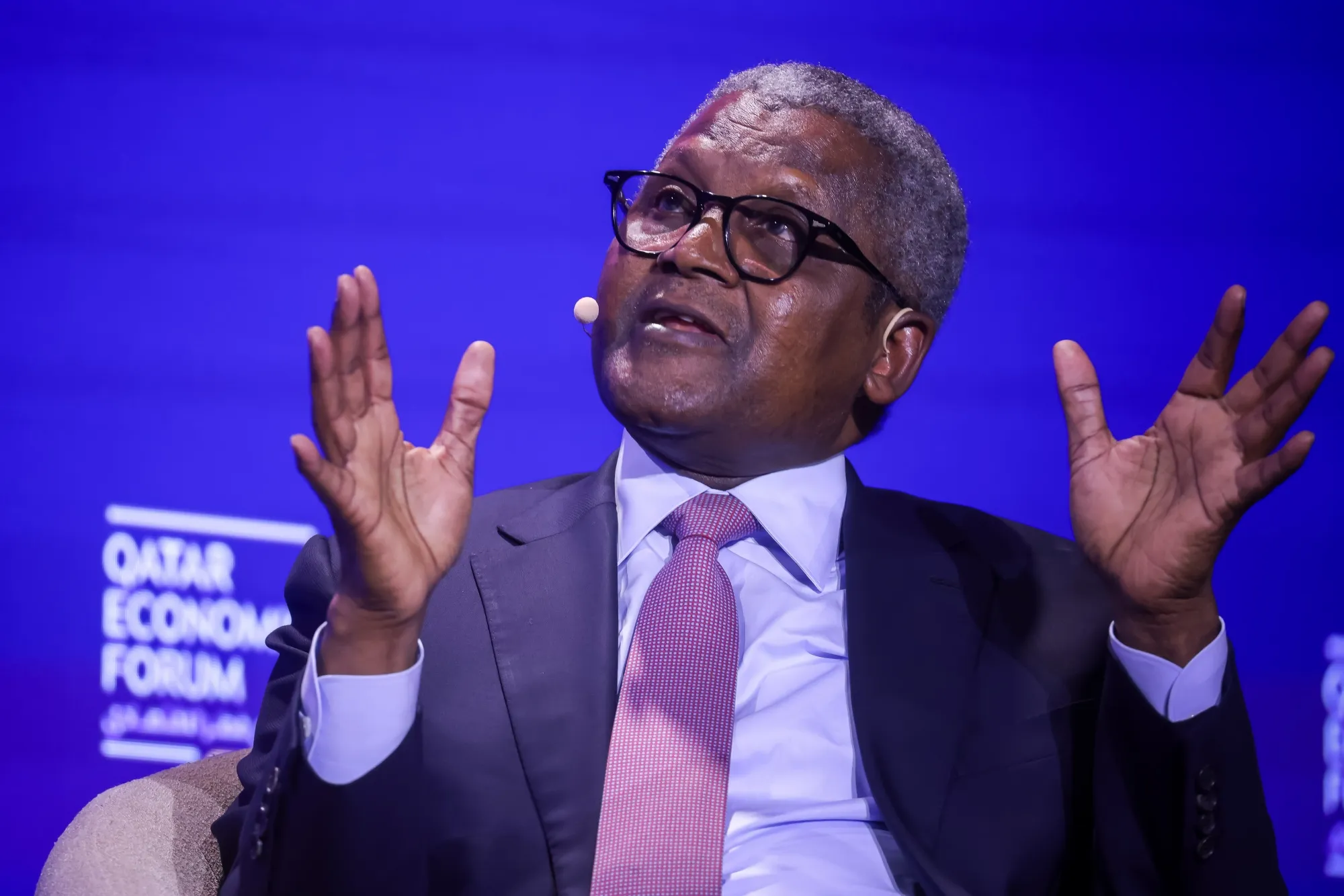 DANGOTE SHRUGS OFF LAMU PROTESTS, BRACES FOR COURT BATTLE
-
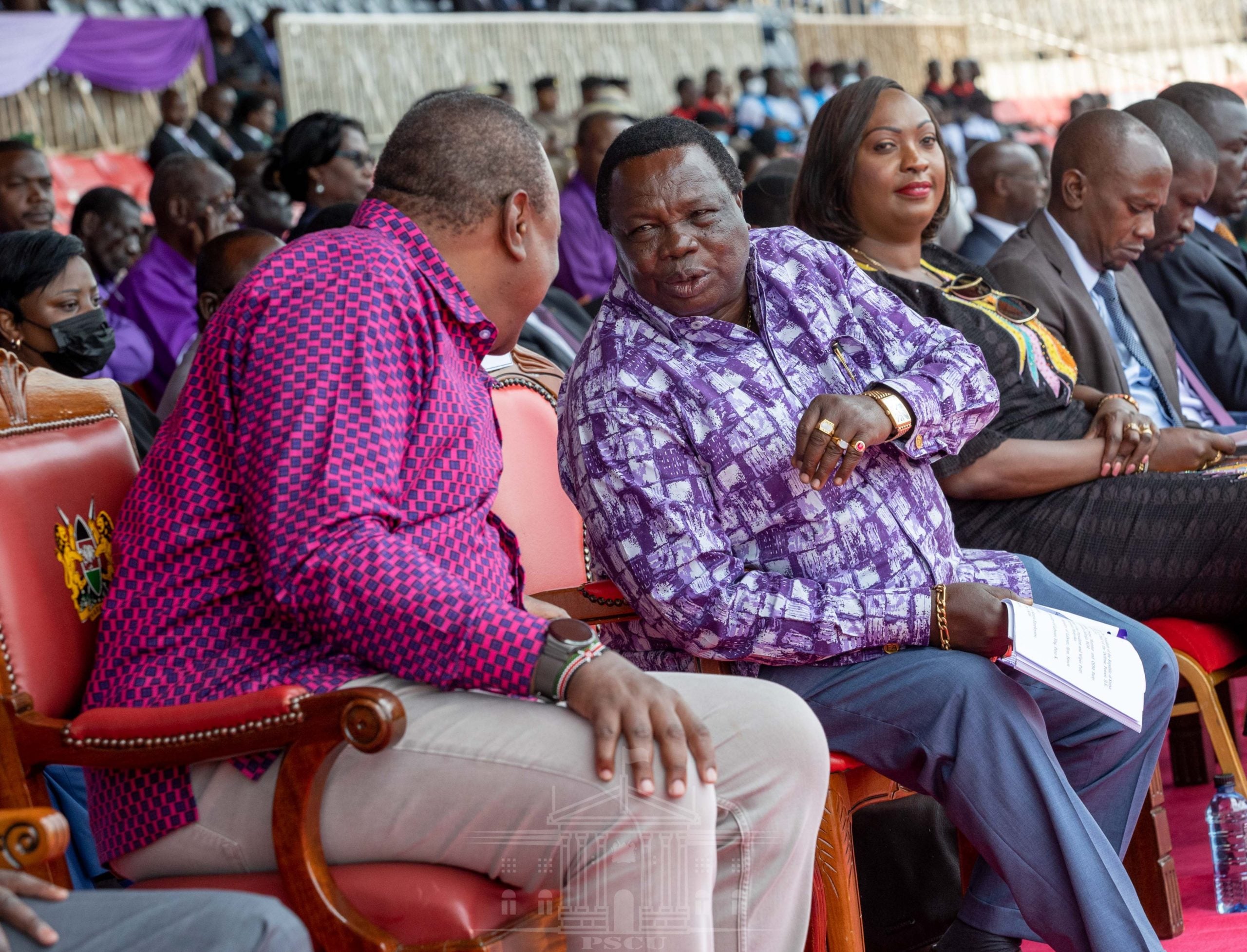 ATWOLI CALLS FOR UHURU'S ARREST OVER RAILA 2022 CLAIMS
-
 Karura race draws more than 1,000 runners ahead of Nairobi Marathon
-
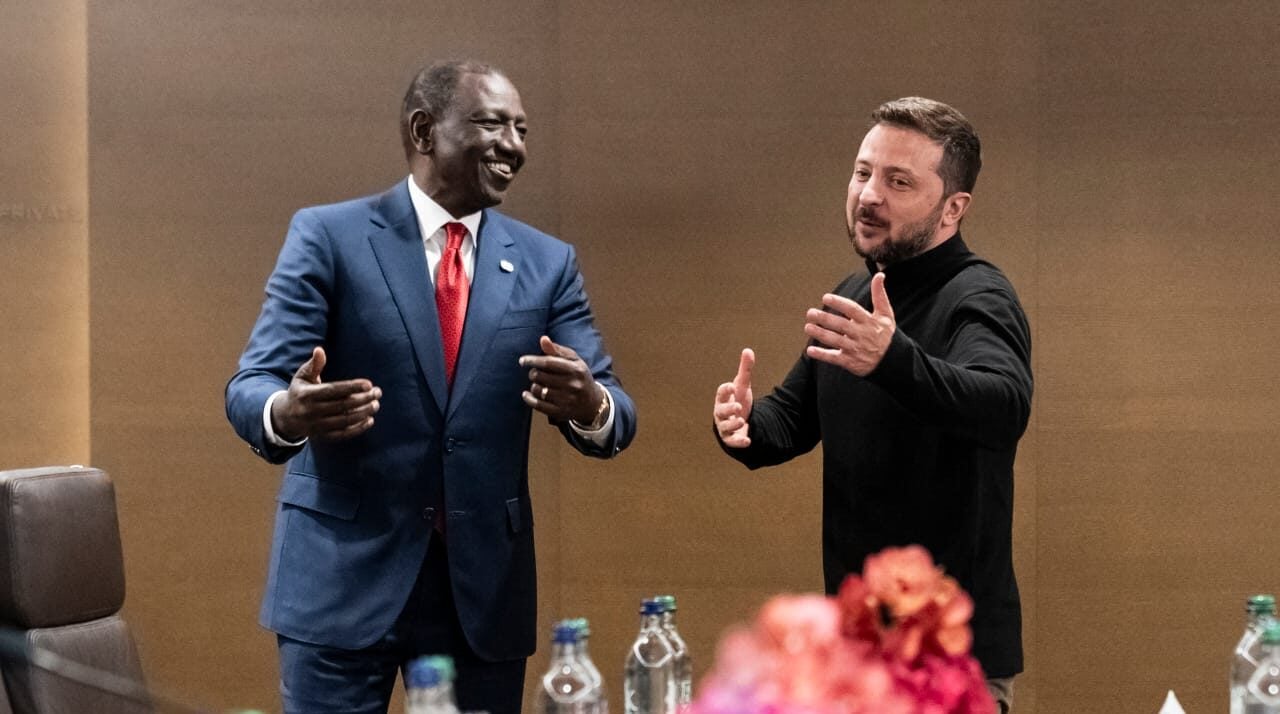 ZELENSKYY FLAGS KENYA TO UN OVER RUSSIA WAR RECRUITMENT
-
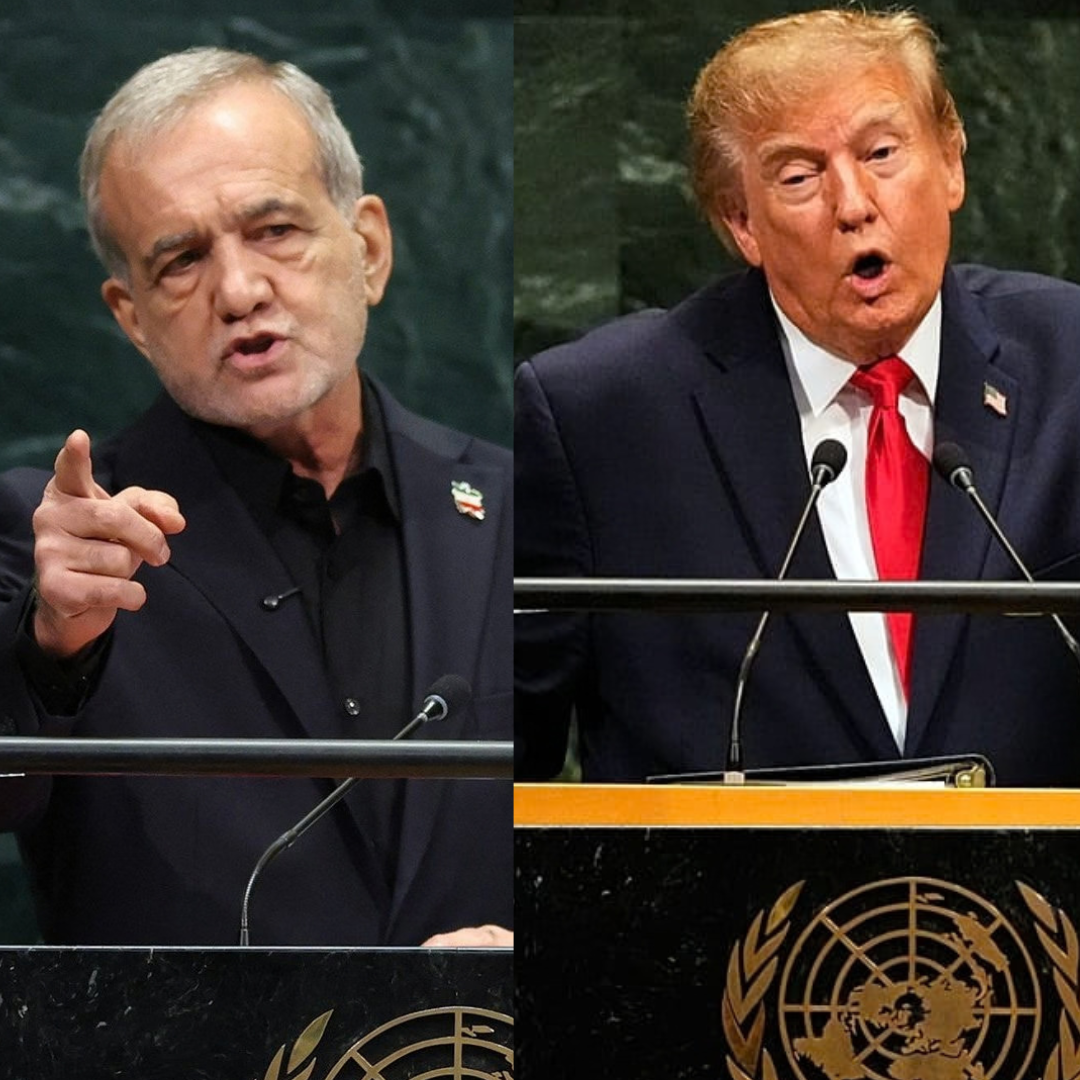 IRAN-US LOCK HORNS AT UNGA
-
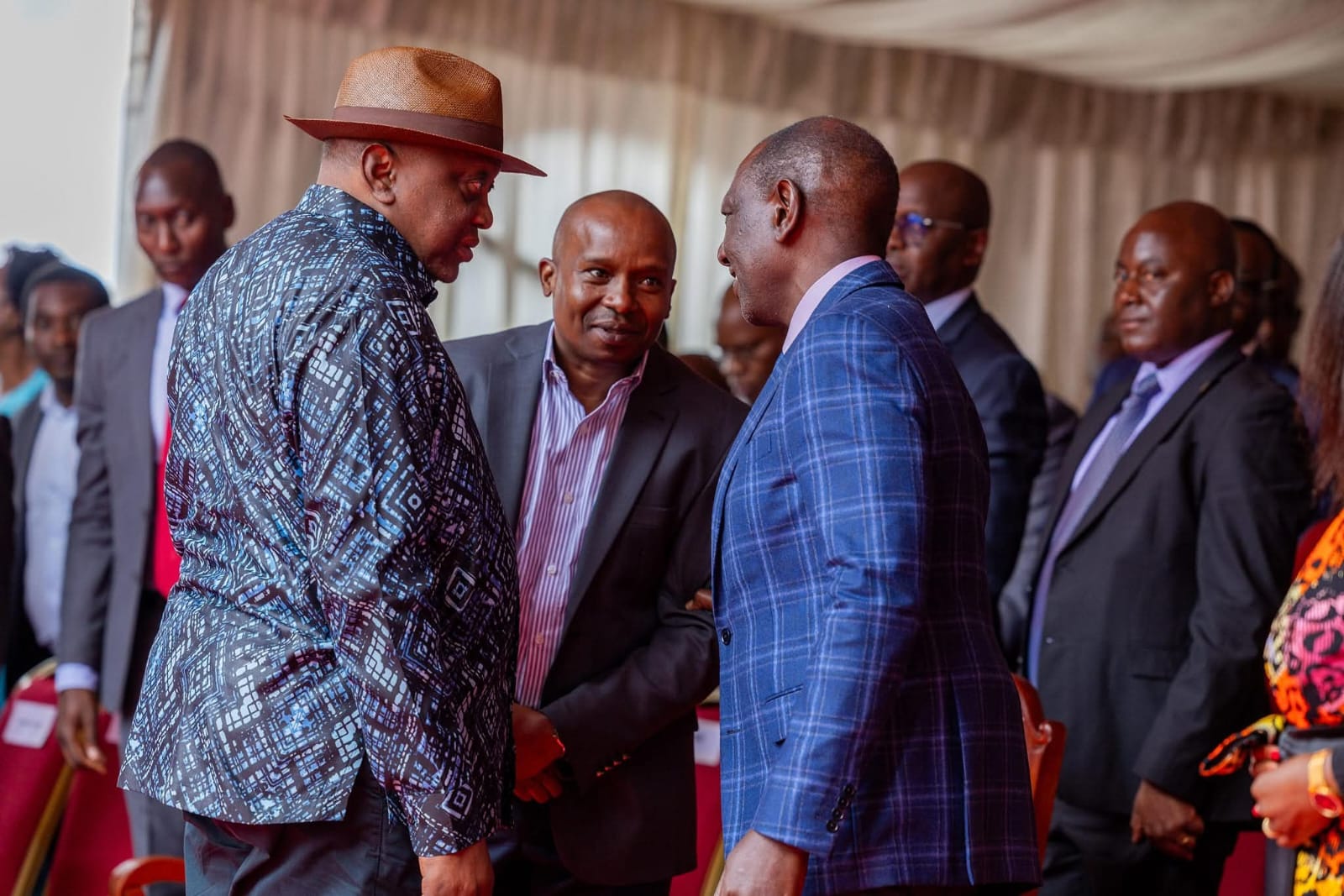 UHURU BACK ON 2027 POLITICAL FRONTLINE AFTER COURT RULING
-
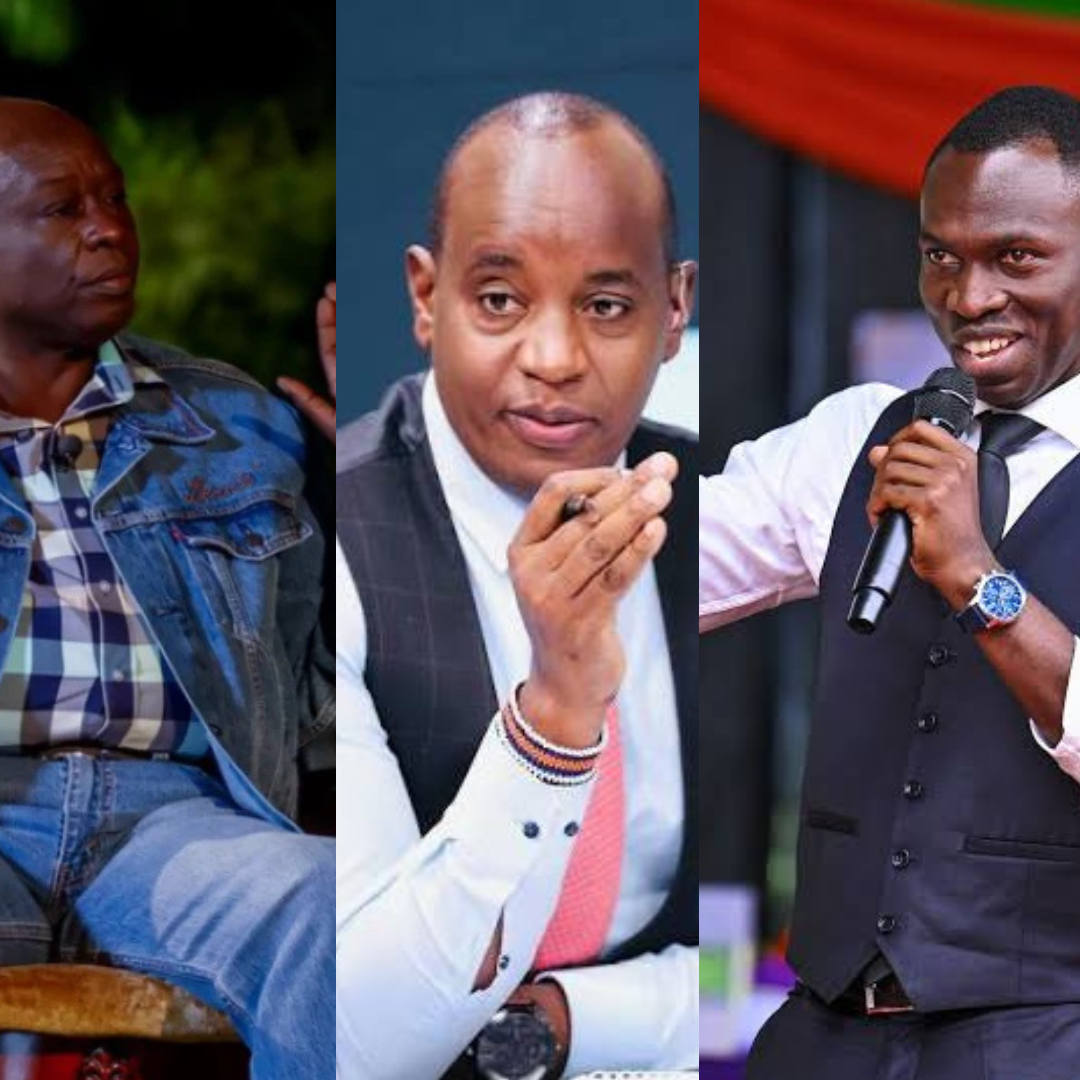 KAIKAI DISPUTES OMBIJA’S CLAIM GACHAGUA SOUGHT HIS SACKING
-
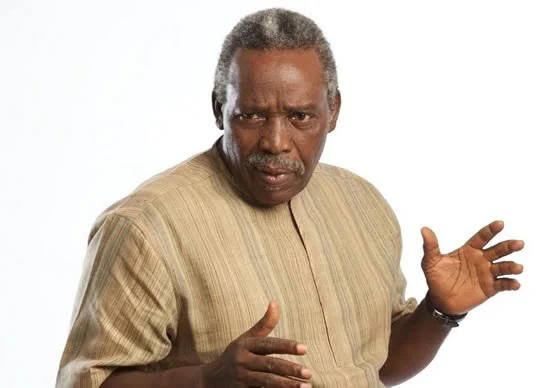 NOLLYWOOD ICON OLU JACOB DIES AT 84
-
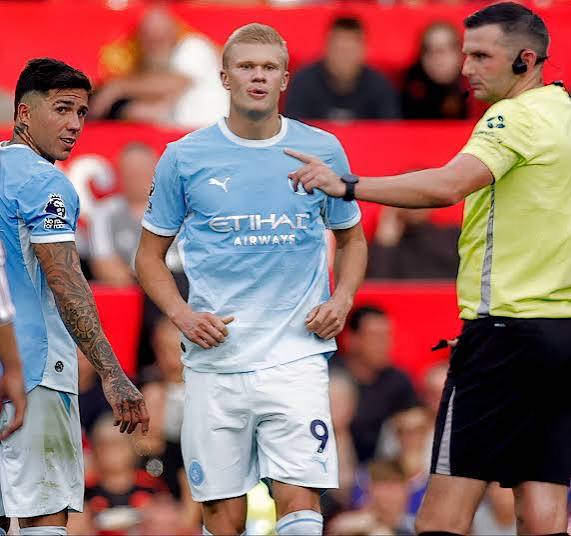 VAR OFFICIALS PUNISHED FOR HAALAND'S CONTROVERSIAL GOAL
WHERE IS BOBI WINE ?

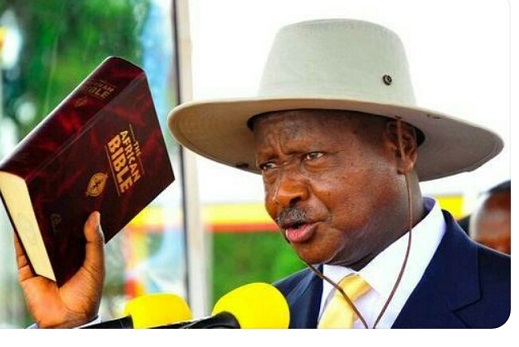
Days after President Yoweri Museveni was declared winner of Uganda’s disputed presidential election, the whereabouts of opposition leader Bobi Wine remain uncertain, trapped between his own account of abduction attempts and the state’s insistence that he never left his home.
The Electoral Commission announced that Museveni, 81, secured about 72 percent of the vote, paving the way for a seventh term in power since 1986. Bobi Wine, 43, came second with roughly 24–25 percent. While the government described the vote as orderly, African Union observers, civil society groups, and rights organizations reported intimidation, arrests of opposition supporters, and a nationwide internet blackout that began two days before polling.
The Uganda Communications Commission said the shutdown was necessary to curb “misinformation, fraud, and incitement to violence,” but the UN human rights office condemned the move as “deeply worrying.” Although partial internet access returned late on Saturday, social media platforms remain largely blocked.
The mystery over Wine’s location began on Friday night at his home in Magere, a suburb of Kampala. According to Wine, security forces raided the compound, switched off electricity, and disabled parts of his CCTV system while helicopters hovered overhead.
“There were helicopters hovering over,” he said, describing the night as “very difficult.”
Wine later stated that he managed to escape during the commotion and is now in an undisclosed location. He added that his wife and other relatives remain inside the house under effective house arrest. His son, Solomon Kampala, posted that he was receiving conflicting reports about the situation because of heavy security and the internet blackout.
Ugandan police and the army have rejected this version of events. Police spokesperson Kituuma Rusoke insisted that Wine was still inside his residence and that officers were merely “controlling access” to what they called a security hotspot. The military dismissed claims of a helicopter abduction as “baseless” and aimed at provoking unrest.
Journalists have been blocked from approaching Wine’s home, making independent verification impossible - furthering the speculations.
Since the raid, Wine has appeared only briefly online. In a short video, he demanded full restoration of the internet and called for genuine polling-station results to be uploaded. He urged Ugandans to “reject these fake results and to non-violently protest,” accusing authorities of ballot stuffing, though he did not present evidence.
His silence since then has fueled speculation about whether he is in hiding, effectively cornered by security forces, or negotiating his safety.
The election turned deadly in Butambala, about 55 kilometers southwest of Kampala, where at least seven people were killed overnight on Thursday in disputed circumstances. Opposition figures say security forces fired on their supporters gathered at a local MP’s home, while police claim they were responding to an attempted attack on a police station and vote-tallying center.
The U.S. Embassy issued a security alert citing reports that security forces used tear gas and fired into the air to disperse gatherings. Small protests erupted in parts of Kampala on Saturday night before the city grew calmer on Sunday, with shops reopening and fewer soldiers visible on the streets.
In his Sunday victory speech, Museveni took a confrontational tone, calling some opposition members “terrorists” and accusing them of working with foreign actors and “homosexual groups.” He warned: “All the traitors… stop everything, because we know what you are doing.”
Rights groups criticized the remarks as inflammatory and evidence of shrinking political space in Uganda.
Voting day was marked by delays as ballot boxes arrived late at many polling stations and biometric voter machines malfunctioned. Some analysts linked the problems to the internet blackout. Despite this, election chief Simon Byabakama said counting was not affected and that final results would be released on time.
The controversy has revived memories of past crackdowns on opposition figures. Veteran politician Kizza Besigye — who challenged Museveni four times — was abducted in Kenya in 2024 and taken back to Uganda for a military trial that is still ongoing.
African Union observers said reports of “intimidation, arrest and abductions” had eroded public trust in the electoral process.
Officially, police say he is still inside his home. Wine says he escaped and is in hiding. With journalists barred from the area, social media restricted, and heavy security still deployed, no independent evidence confirms either claim.
The situation has attracted sharp criticism across the region’s democratic space, with many observers viewing the presidential results as highly controversial and emblematic of a shrinking civic space under the incumbent.
Despite the controversy, several leaders across the world congratulated Museveni while applauding an electoral process that many critics say remains deeply compromised.
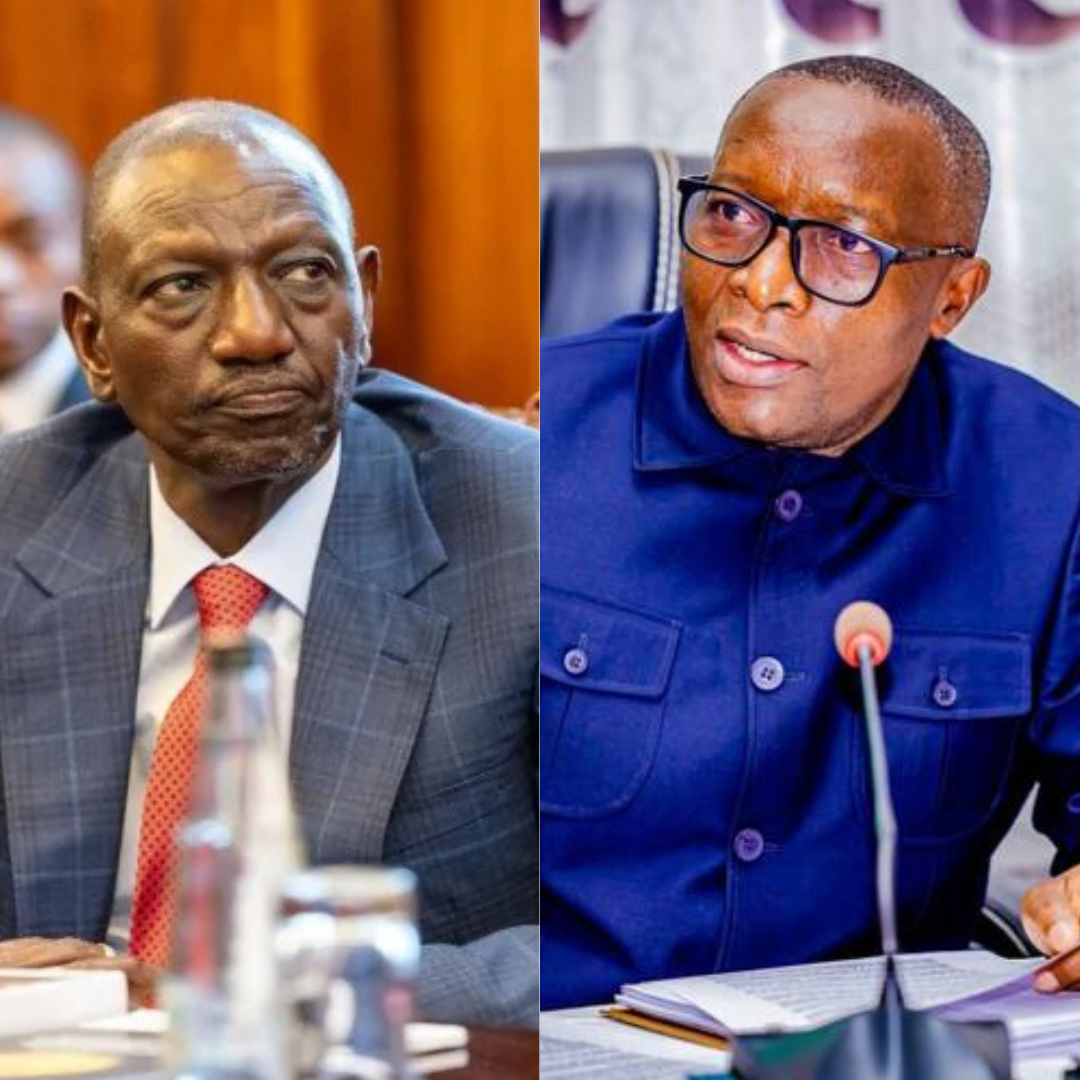
Kenya’s President William Ruto issued a formal congratulatory message to Museveni shortly after the Electoral Commission announced the results, framing the process as a sign of democratic maturity. He said:
“Your decisive victory at the just-concluded competitive General Election reflects the trust that the people of the Republic of Uganda have in your personal leadership and the confidence enjoyed by the NRM party.”
In the same statement, Ruto emphasized regional cooperation, adding:
“For undertaking a peaceful election, I sincerely commend the people of Uganda and all stakeholders in the electoral process, which attests to the democratic maturity of Uganda.”
Similarly, the Chairperson of the African Union Commission, Mahmoud Ali Youssouf, congratulated Museveni on his re-election, stating:
“The Chairperson of the African Union Commission commends the conduct of the elections in Uganda and congratulates H.E. Yoweri Kaguta Museveni on his re-election.”
These statements came amid opposition claims of electoral fraud, a nationwide internet shutdown, protests, and heavy security restrictions on opposition activities — developments that have exposed persistent cracks in East Africa’s democratic trajectory.
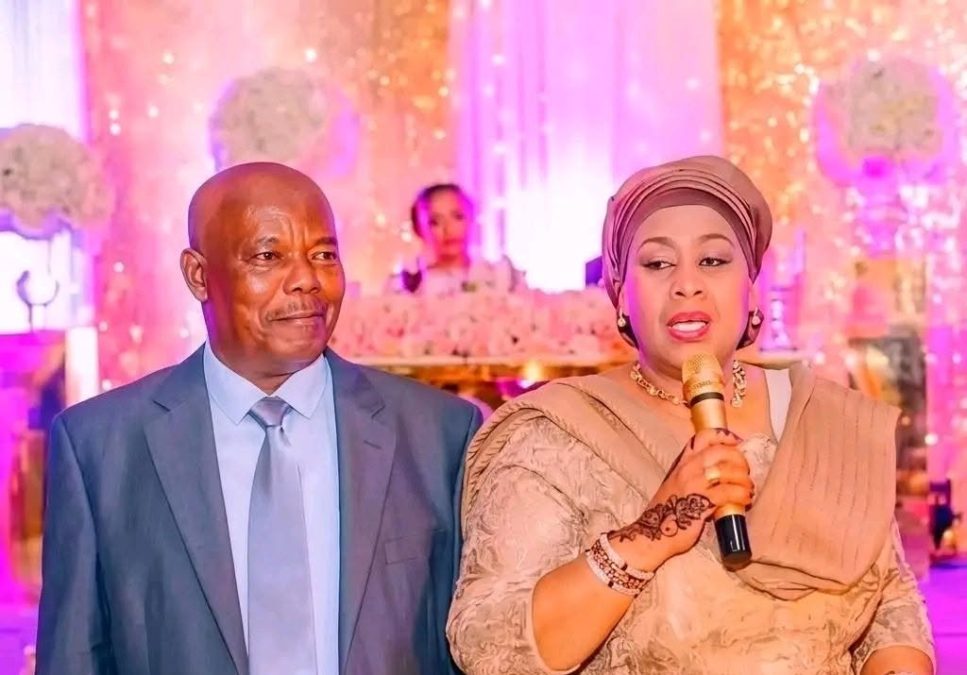
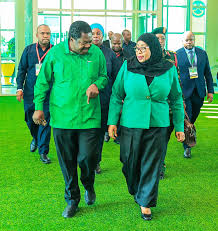
A comparable scenario unfolded last year in neighbouring Tanzania, where internet restrictions, suppression of opposition, and disputed results delivered President Samia Suluhu Hassan a landslide victory of about 98 percent.
Museveni, now 81, has already embarked on his seventh term and is expected to rule for another five years. While he has hinted that he might support Bobi Wine in a future transition, many analysts and opposition figures doubt this, arguing that Museveni is more likely to remain in power or prepare the ground for his son, General Muhoozi Kainerugaba, to succeed him.
Amid this political turbulence, Bobi Wine’s still-uncertain whereabouts have come to symbolize the broader struggle over power, freedom, and the future of opposition politics in Uganda — a pattern some critics trace back to the late 1980s, when Museveni himself operated from exile before overthrowing President Milton Obote and later General Tito Okello.
Comments (0)
No comments yet. Be the first to comment!