

-
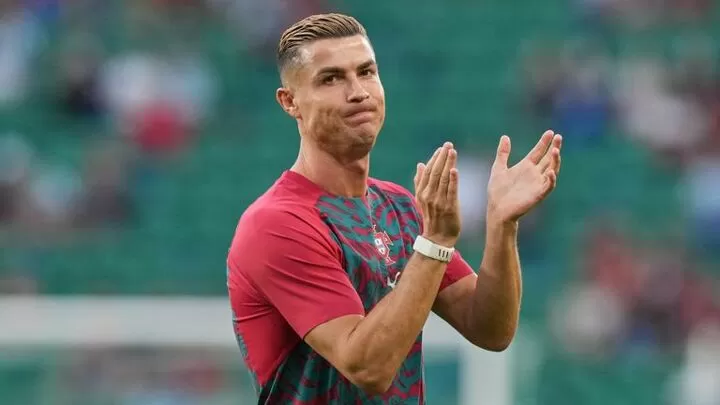 CR7 ERA HANGS IN BALANCE AS RONALDO LEAVES PORTUGAL IN UNCERTAINTY
-
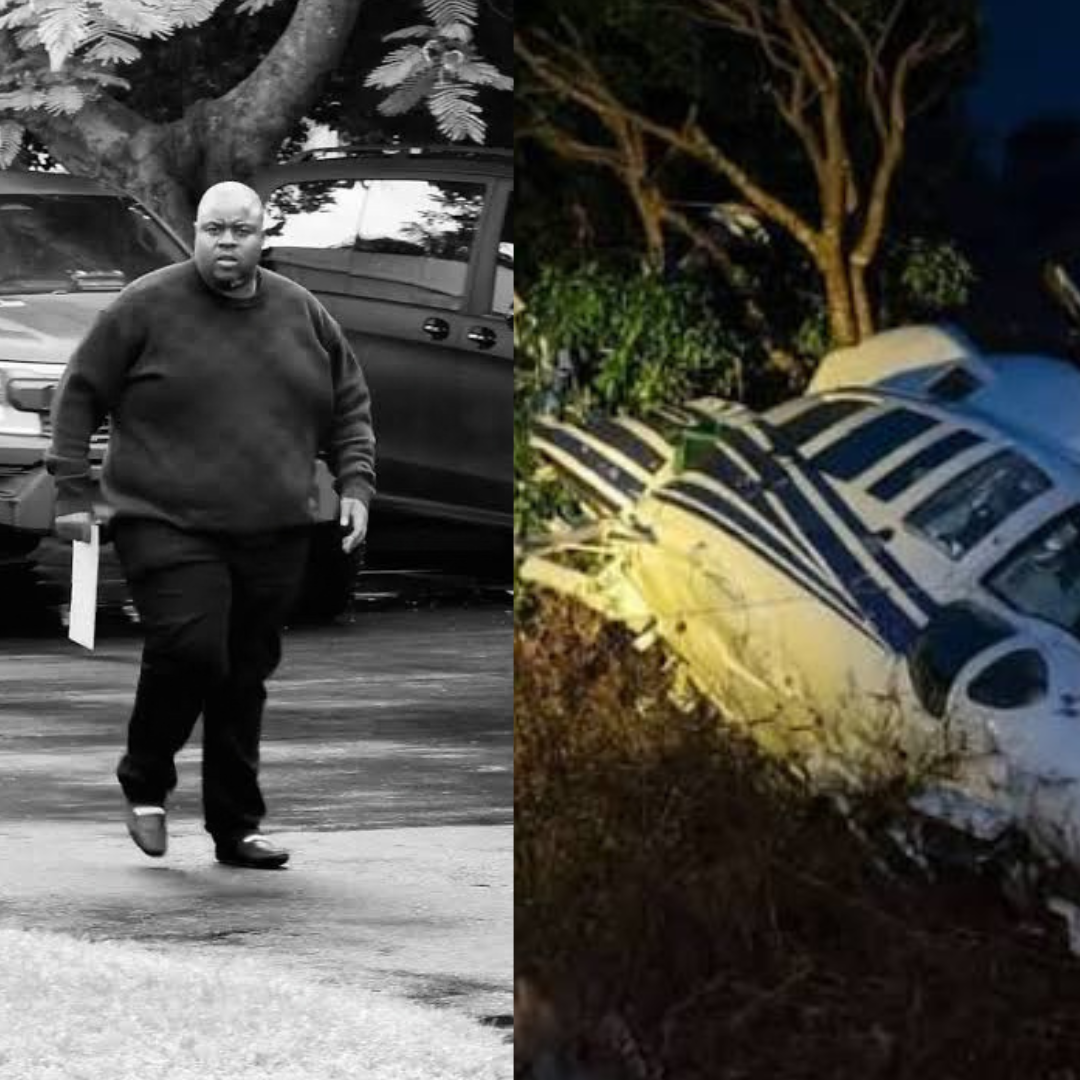 CHIVAYO DIES IN HELICOPTER CRASH
-
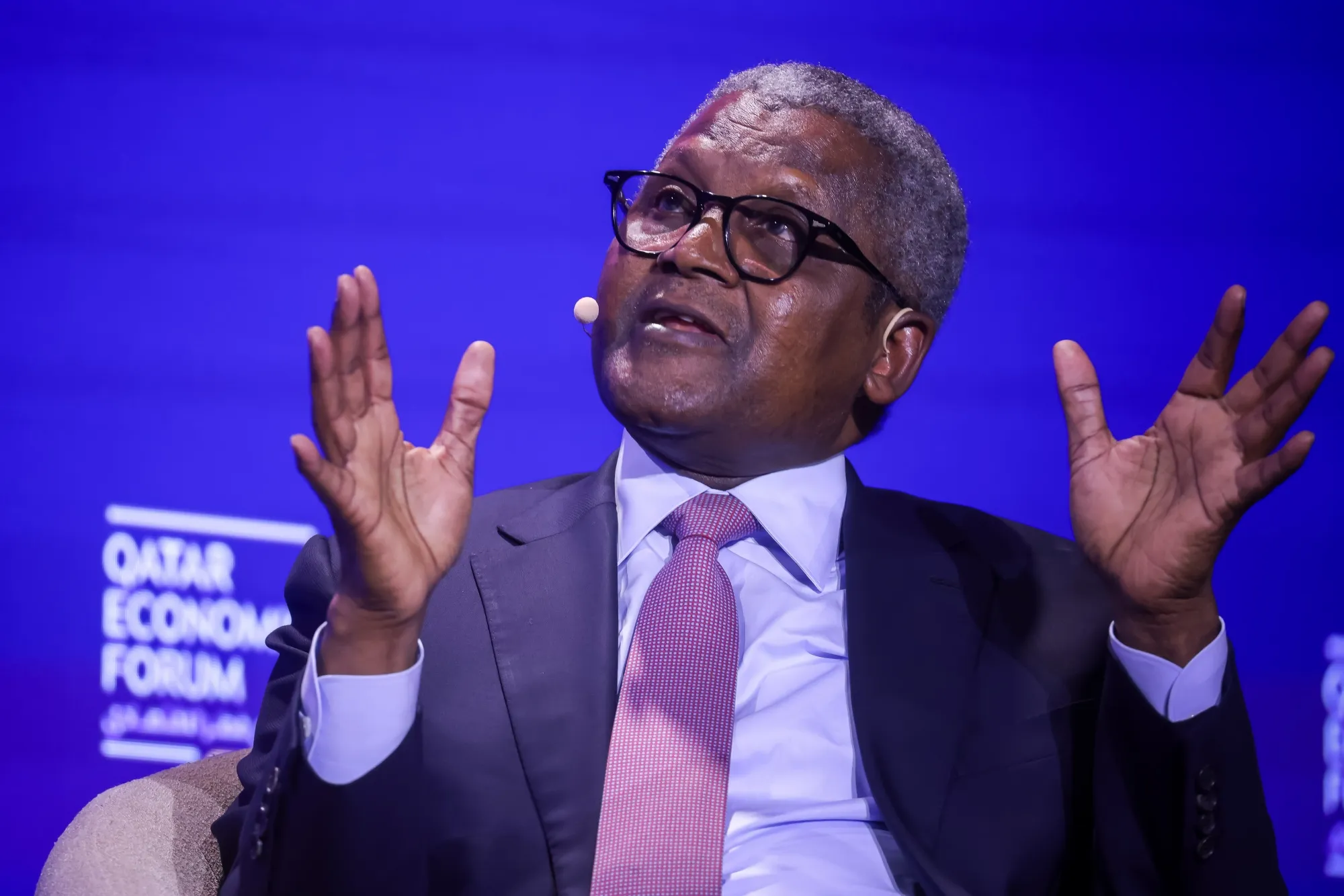 DANGOTE SHRUGS OFF LAMU PROTESTS, BRACES FOR COURT BATTLE
-
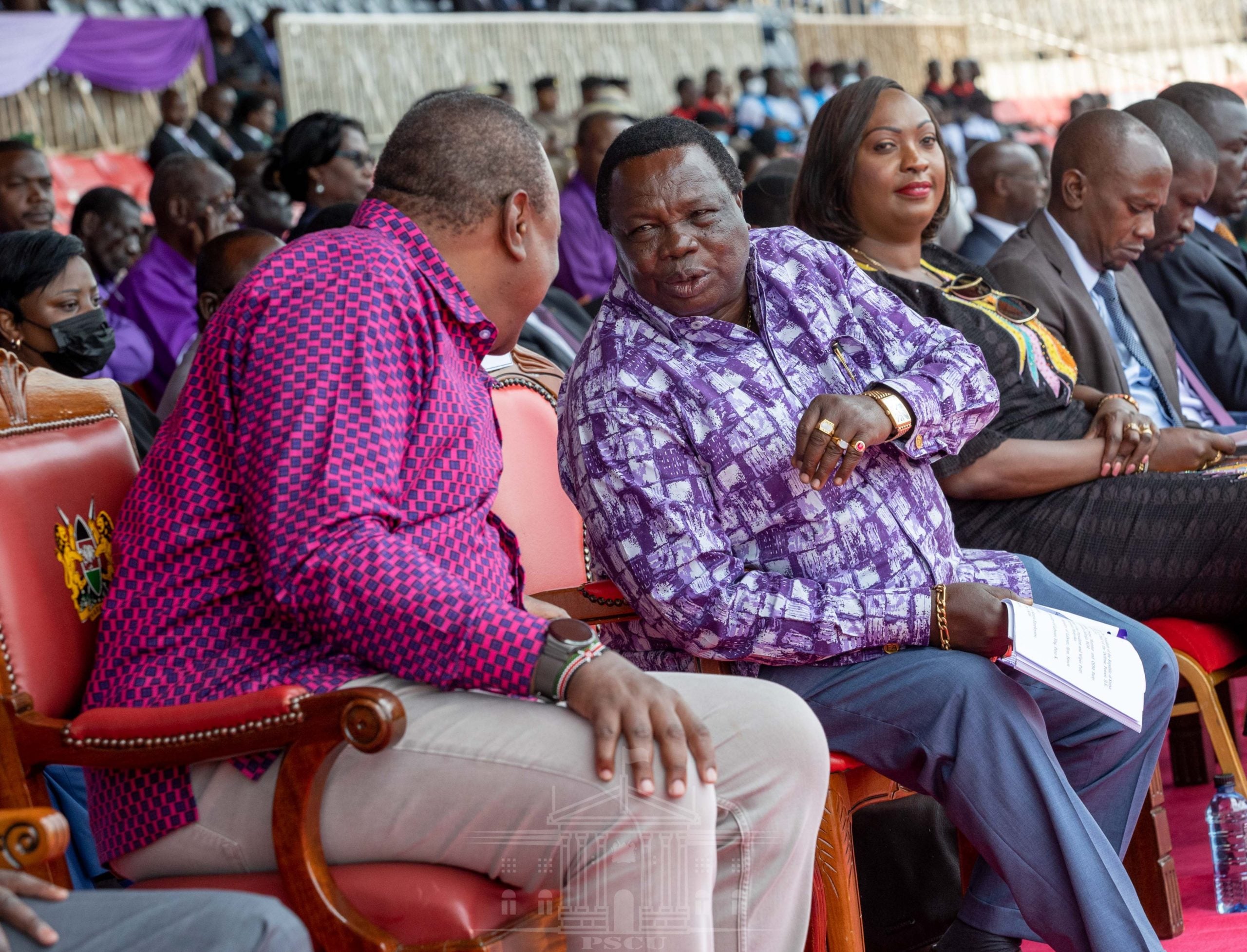 ATWOLI CALLS FOR UHURU'S ARREST OVER RAILA 2022 CLAIMS
-
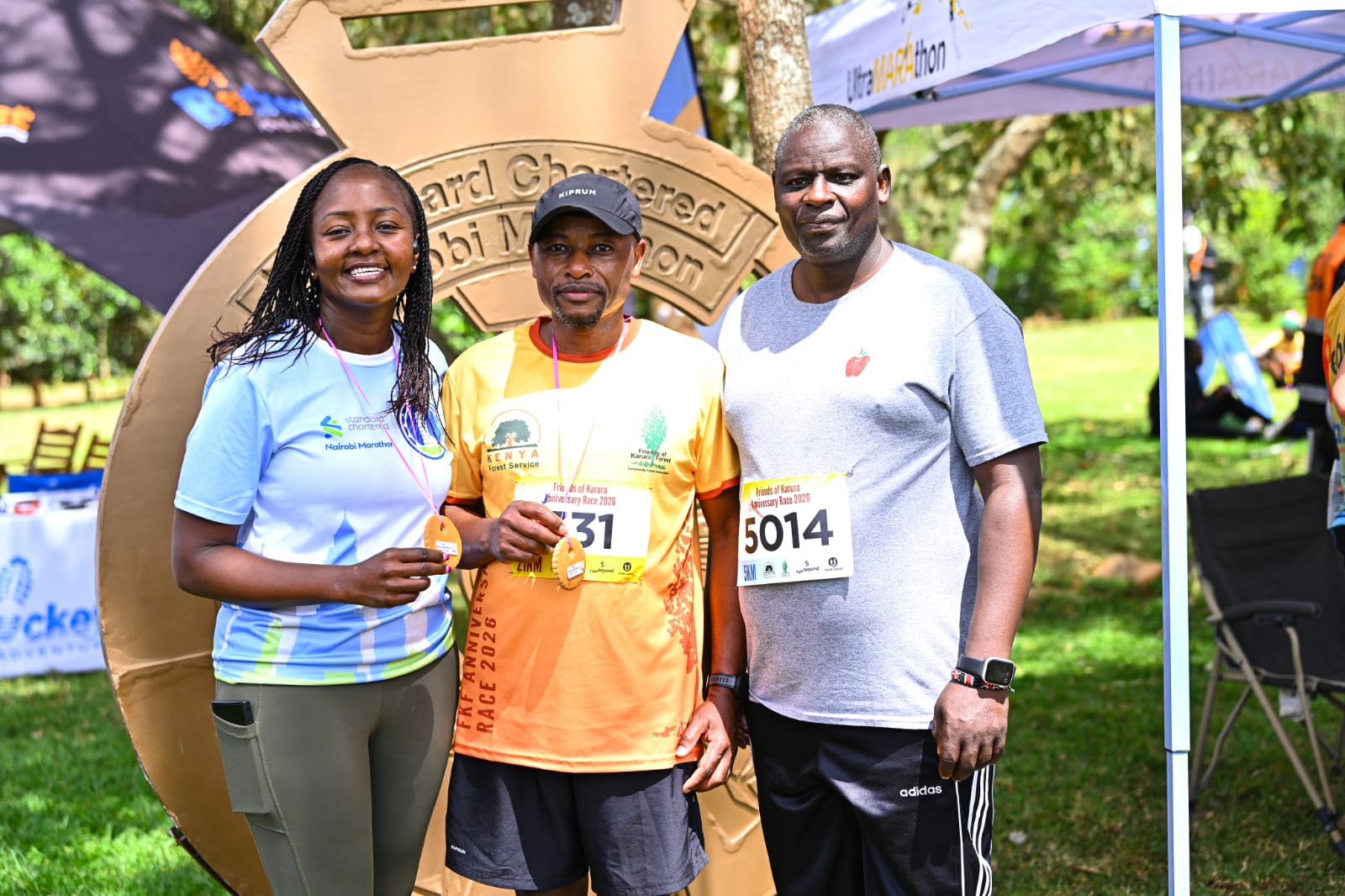 Karura race draws more than 1,000 runners ahead of Nairobi Marathon
-
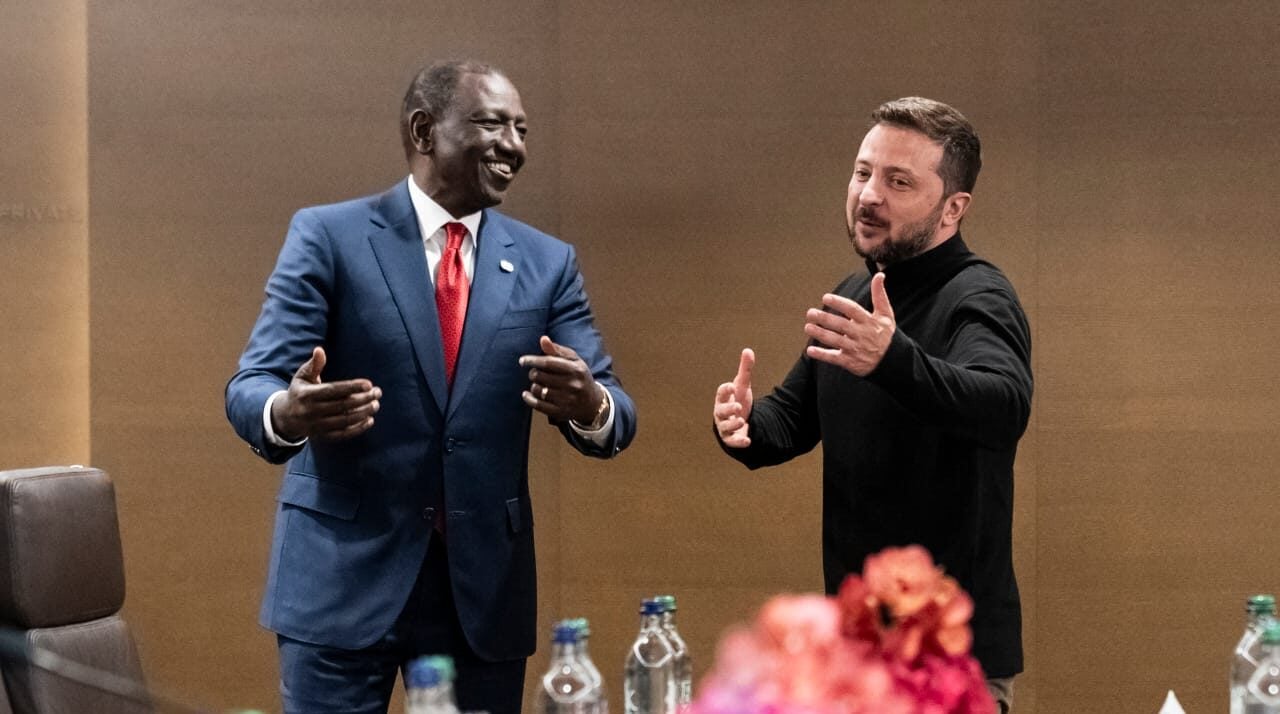 ZELENSKYY FLAGS KENYA TO UN OVER RUSSIA WAR RECRUITMENT
-
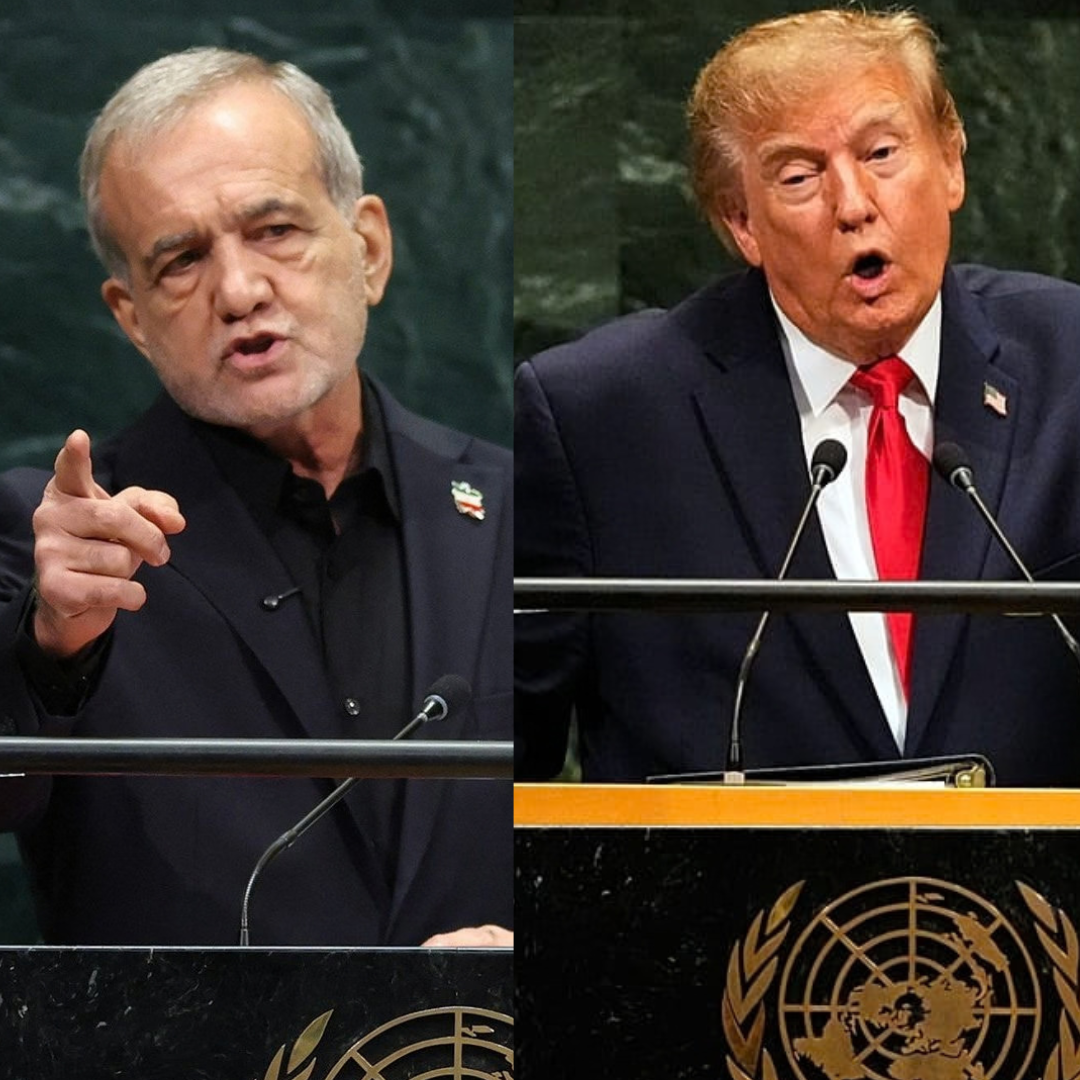 IRAN-US LOCK HORNS AT UNGA
-
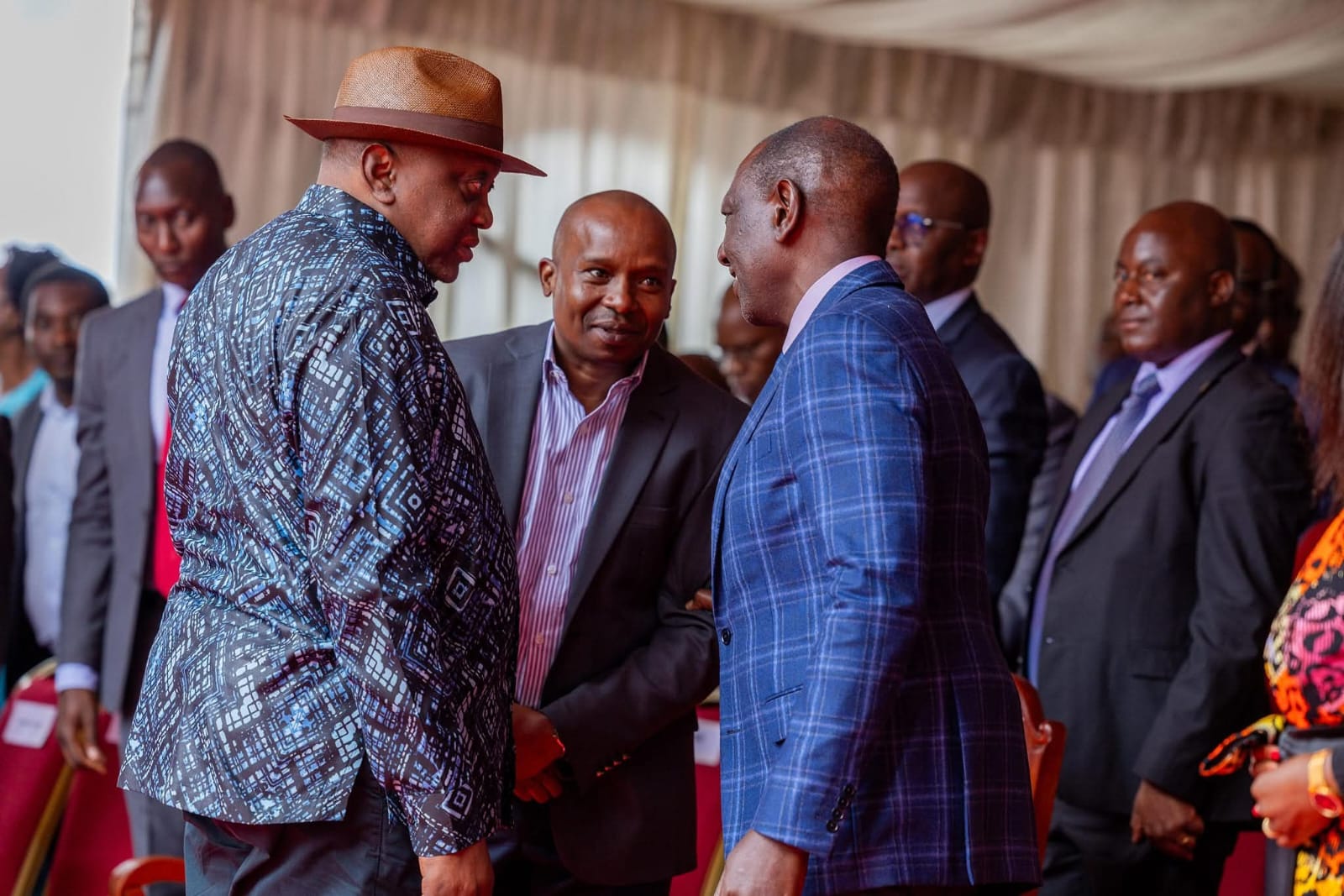 UHURU BACK ON 2027 POLITICAL FRONTLINE AFTER COURT RULING
-
 KAIKAI DISPUTES OMBIJA’S CLAIM GACHAGUA SOUGHT HIS SACKING
MUHONZI SPARKS US - UGANDA DIPLOMATIC ROW

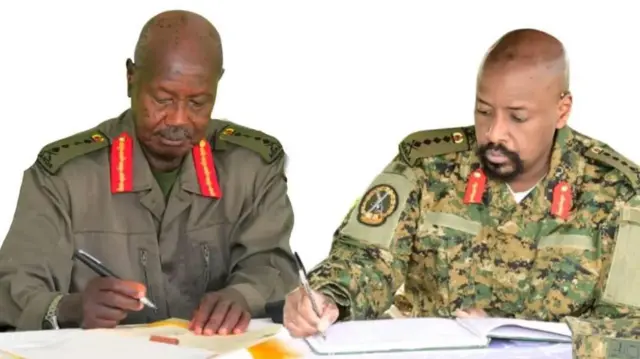
Uganda’s relationship with the United States has come under renewed strain after controversial remarks by the country’s Chief of Defence Forces, General Muhoozi Kainerugaba, prompted a sharp rebuke from Washington, with US lawmakers rejecting his apology and warning that security cooperation with Kampala may now be reviewed.
The fallout follows a series of social media posts by Muhoozi—later deleted—in which he accused the US Embassy in Kampala of interference in Uganda’s internal affairs, threatened to suspend military cooperation, and made inflammatory claims about opposition leader Bobi Wine in the tense aftermath of Uganda’s disputed elections.
In the now-removed posts shared on X (formerly Twitter), General Muhoozi alleged that the US Embassy had undermined security cooperation between the two countries. He claimed the embassy had played a role in helping opposition leader Bobi Wine evade Ugandan authorities, at one point suggesting that Wine had “kidnapped himself” with foreign assistance.
Muhoozi went further, declaring that the Uganda People’s Defence Forces (UPDF) would cut ties with the US mission in Kampala.
“We shall suspend ALL cooperation with the current administration at the US Embassy in Kampala,” Muhoozi wrote in one of the deleted posts.
The remarks were widely viewed as extraordinary, given Uganda’s long-standing military partnership with the United States and Muhoozi’s position as the country’s top military commander.
As diplomatic pressure mounted, Muhoozi deleted the posts and issued a public apology, conceding that his statements were based on incorrect information.
“I want to apologise to our great friends, the United States, for my earlier tweets that I have now deleted. I was being fed with wrong information,” he wrote.
He added that he had spoken with the US ambassador and confirmed that military cooperation between Uganda and the United States would continue as normal.
The apology, however, failed to satisfy senior US lawmakers. Senator Jim Risch, chair of the US Senate Foreign Relations Committee, publicly rejected it, warning that Muhoozi’s conduct had serious consequences.
“Commander Muhoozi Kainerugaba has crossed a red line and now the U.S. must reevaluate its security partnership, which includes sanctions and military cooperation with Uganda,” Risch said.
He added that Muhoozi’s status as President Yoweri Museveni’s son and a likely successor .made the matter even more concerning.
“The president’s son, and likely successor, cannot just delete tweets and issue hollow apologies. The United States will not tolerate this level of instability and recklessness when American personnel, U.S. interests, and innocent lives in the region are at stake.”
US lawmakers have since called for a review of Uganda’s security ties, though no formal sanctions have been announced.
President Yoweri Museveni has not publicly commented on the dispute or directly addressed his son’s remarks. However, government officials have acknowledged that the tweets caused confusion and clashed with official policy.
Information Minister Chris Baryomunsi confirmed that he raised the issue with the President, noting that Muhoozi’s statements complicated government communication during a sensitive period.
The lack of a direct statement from State House has been interpreted as an effort to de-escalate the situation diplomatically while preserving strategic ties with Washington.
The diplomatic standoff comes amid growing international criticism of Uganda’s recent elections. Senator Risch described the vote as a “hollow exercise,” arguing it was designed to legitimize President Museveni’s continued grip on power.
He cited allegations of political violence, intimidation, abductions, and the misuse of state resources—concerns that have long been raised by opposition figures and civil society groups.
Muhoozi’s was also caught in the limelight having deleted posts with confrontational rhetorics directed at the opposition, particularly Bobi Wine. In recent days, the army chief has issued public warnings and threats against opposition actors—some of which were later withdrawn following backlash.
Critics have since argued that such statements blur the line between military authority and political power, while supporters maintain they reflect Uganda’s determination to resist what it sees as foreign interference.
Uganda has historically been one of Washington’s key security partners in East Africa, particularly in counterterrorism and regional stability efforts. Analysts say the current dispute exposes underlying tensions in the relationship and signals growing US unease over Uganda’s political trajectory and democratic stance.
Comments (0)
No comments yet. Be the first to comment!