

-
 RONALDO AND GEORGINA FLAUNT WEDDING RINGS
-
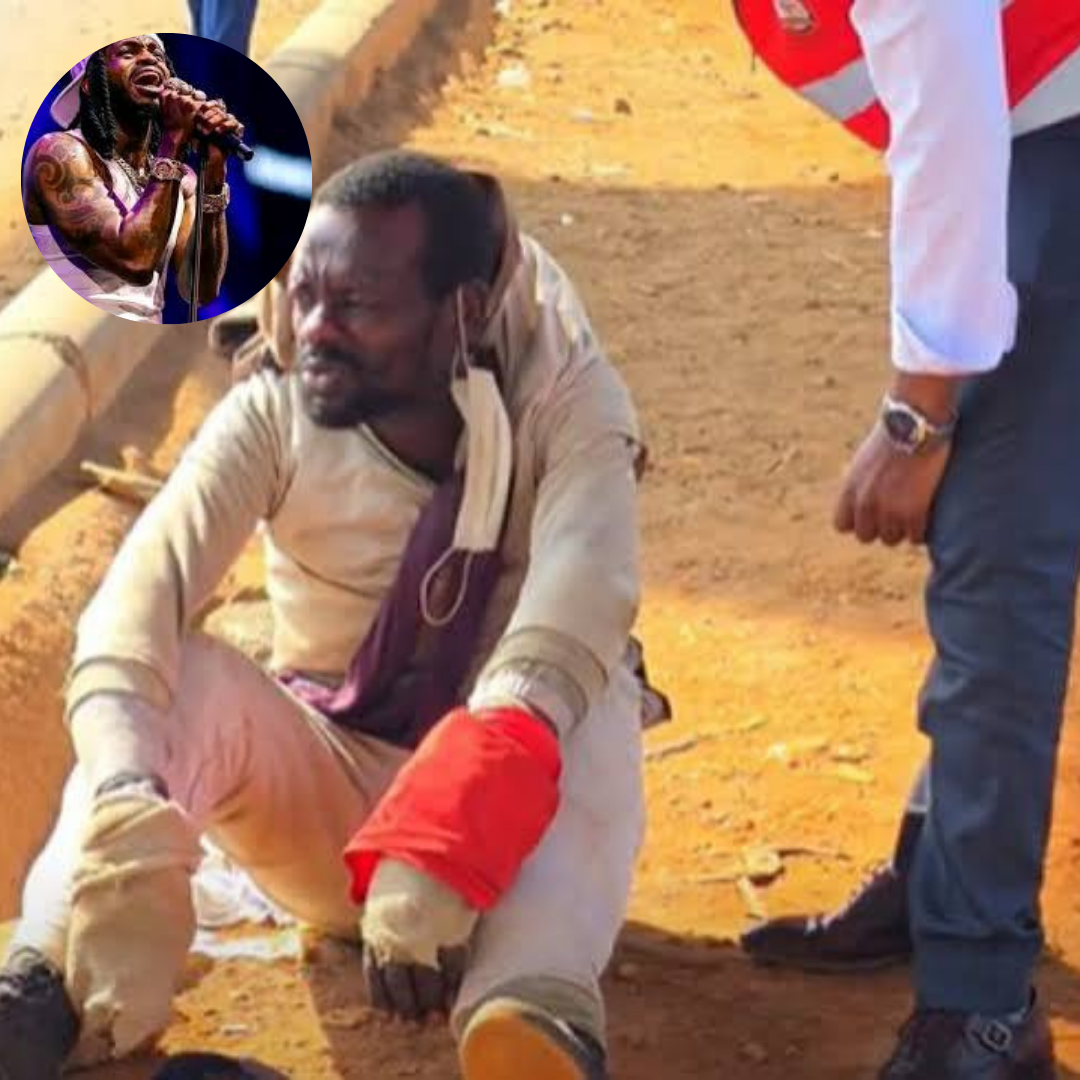 DIAMOND’S FORMER DJ RESCUED FROM STREETS
-
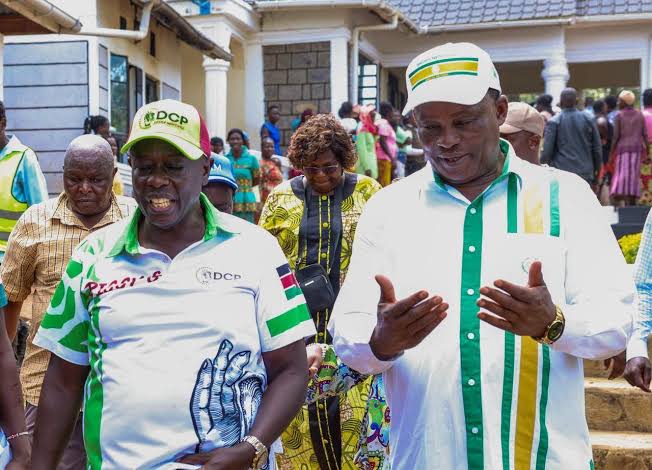 MUTURI REJECTS GACHAGUA’S ‘HYENA COALITION’
-
 YUNGE’S ALLEGED EX CRIES FOUL AFTER CHARLENE’S WEDDING
-
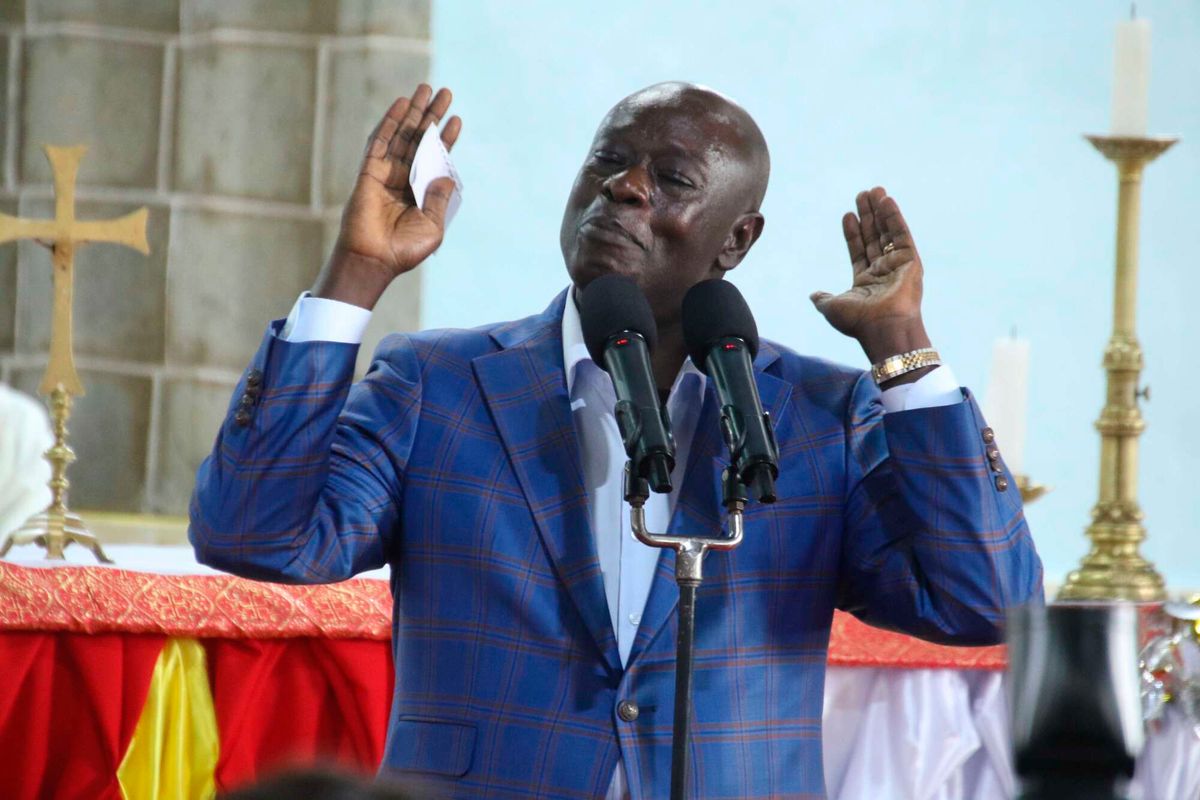 GACHAGUA PROPOSES 'THE HYENA COALITION '
-
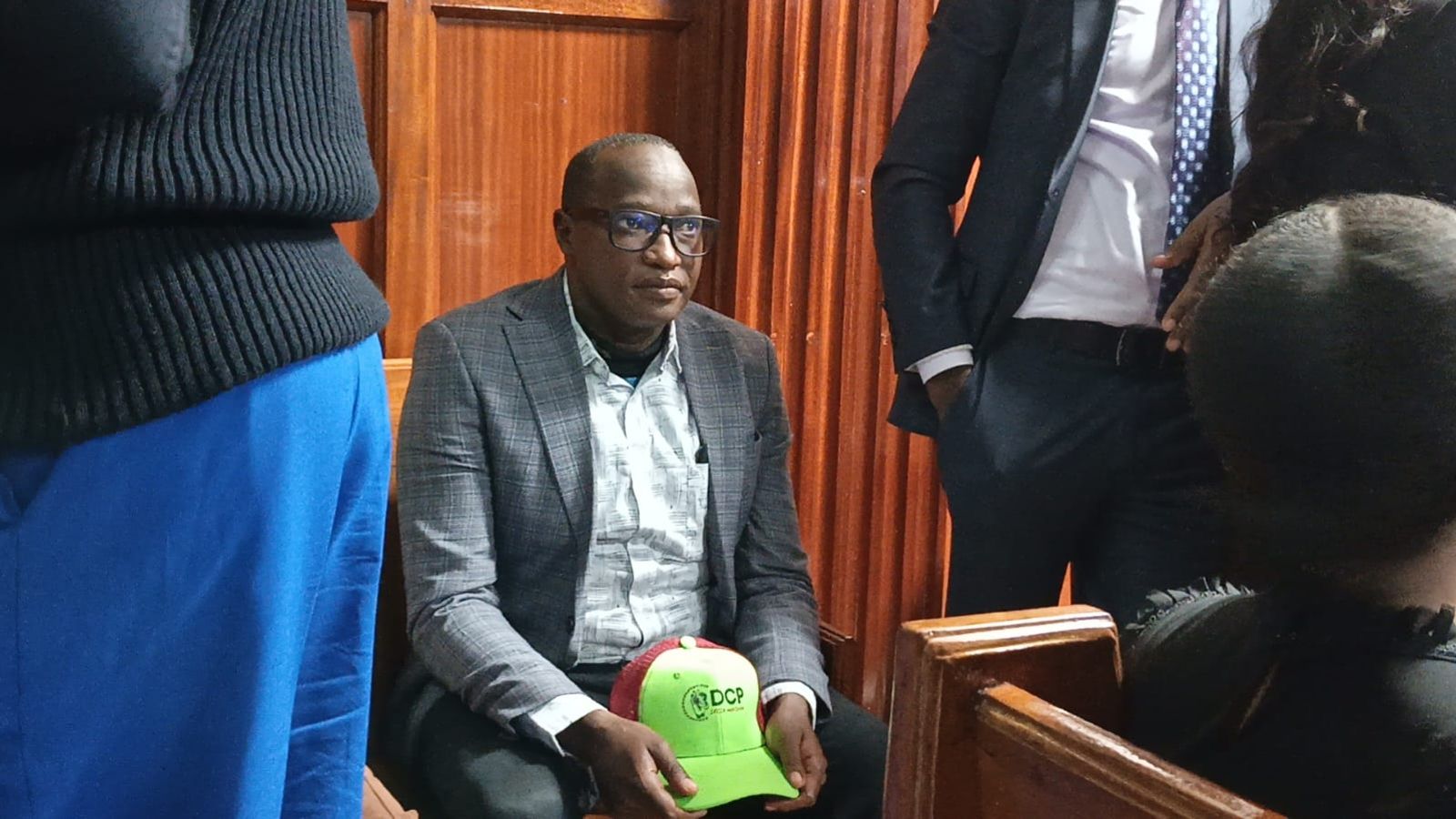 MP KAGUCHIA PLEADS NOT GUILTY TO INCITEMENT CHARGE
-
 DIAMOND, ZUCHU WELCOME BABY GIRL
-
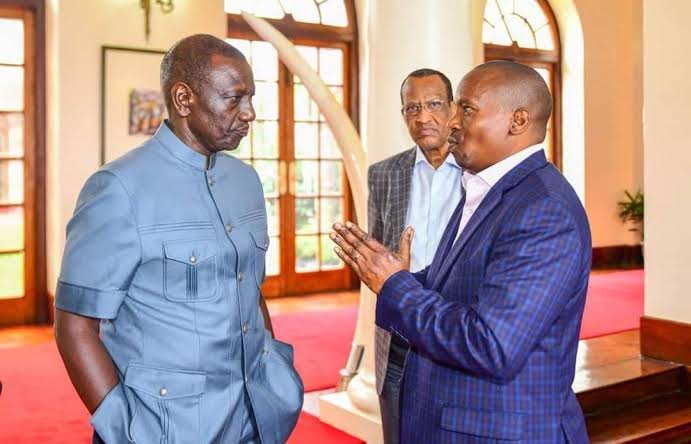 KINDIKI IN TROUBLE ?
-
 KANG'ATA JOINS GACHAGUA'S DCP
Over Half of Kenyans Doubt Integrity of Past Elections, New Survey Reveals

A new national survey conducted via telephone interviews with 2,024 Kenyans aged 18 and above reveals deep-seated concerns over the integrity of Kenya’s electoral process, particularly the presidential elections of 2013, 2017, and 2022.
Speaking during the presentation of the findings, Dr. Tom Wolf, a lead researcher from TIFA Research, highlighted that 32 percent of Kenyans believe none of the last three presidential elections produced the rightful winner, while another 32 percent believe all three were legitimate. The remaining 37 percent felt that either one or two of the results were credible.
The survey, completed just a day prior to the presentation, covered respondents across all 47 counties. The findings showed stark regional differences in trust levels, with opposition-leaning zones like Nairobi, Coast, and Nyanza more likely to question past presidential outcomes. In contrast, regions such as Central Rift and Mt. Kenya—areas linked to past winning candidates—were more confident in the results, although significant minorities in these areas also expressed doubt.
Dr. Wolf emphasized that the public’s trust—or lack thereof—in past results is closely linked to their perceptions of the overall fairness of Kenya's elections. “The more people doubt past outcomes, the less likely they are to view the country’s elections as free and fair,” he said.
When asked about the upcoming 2027 elections, only 20 percent of respondents expressed high confidence that the polls would be free and fair. Half of the respondents stated they had no confidence at all. Among those with no confidence, the main concerns cited were political interference (29%), vote rigging (23%), corruption (15%), and a lack of trust in the Independent Electoral and Boundaries Commission (IEBC) (13%).
The survey also gauged public perception of the ongoing IEBC chairperson and commissioner selection process. Over 50 percent expressed no confidence that the appointments would be based on merit. Only 23 percent said they were very confident in the process.
Dr. Wolf concluded by urging the media to track these public attitudes over time, suggesting that the data could serve as a benchmark for evaluating changes in public opinion ahead of the 2027 elections. A second release of the survey findings, expected in the coming week, will cover broader topics including governance performance, Raila Odinga’s political prospects, and public views on Kenya’s international relations.
Comments (0)
No comments yet. Be the first to comment!