

-
 RONALDO AND GEORGINA FLAUNT WEDDING RINGS
-
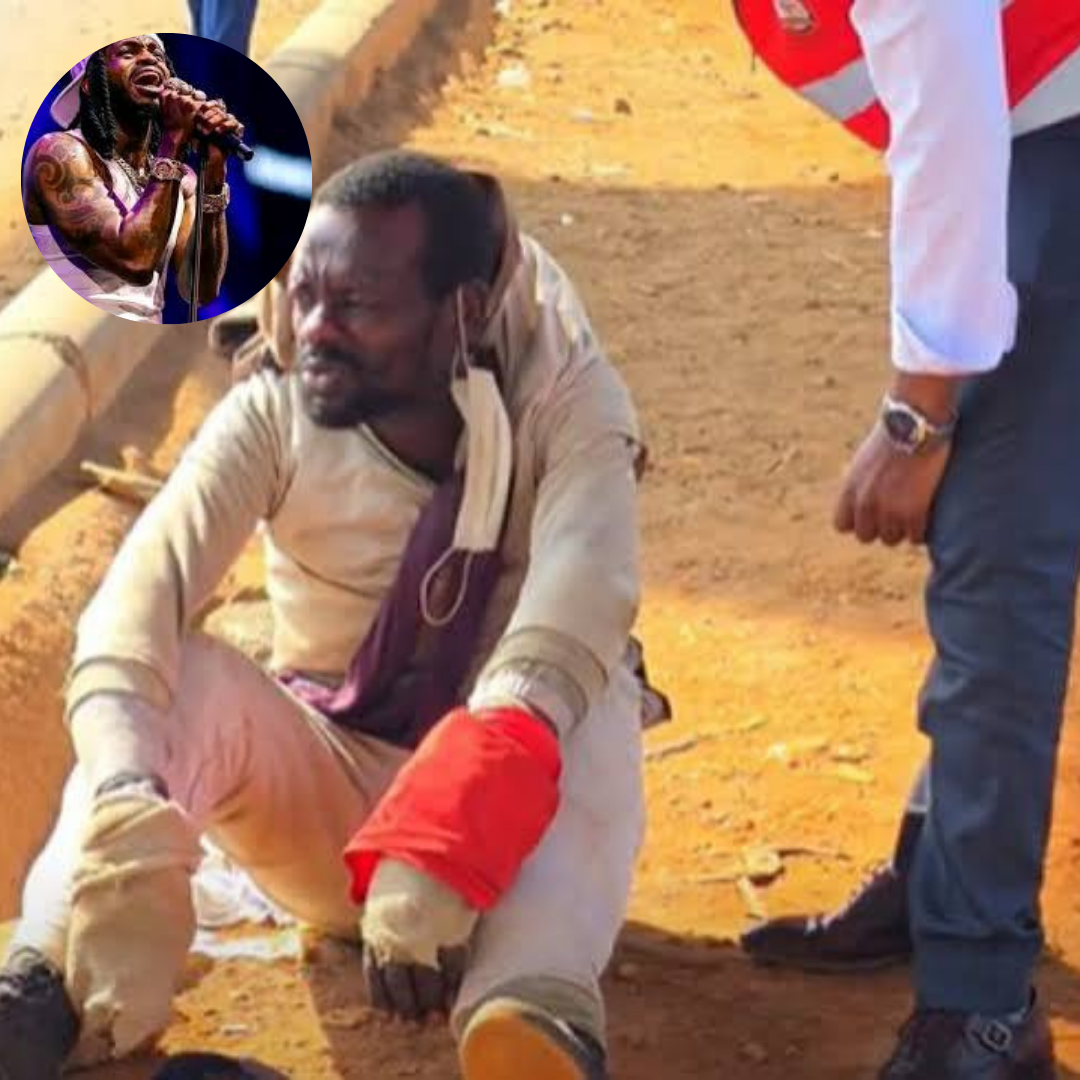 DIAMOND’S FORMER DJ RESCUED FROM STREETS
-
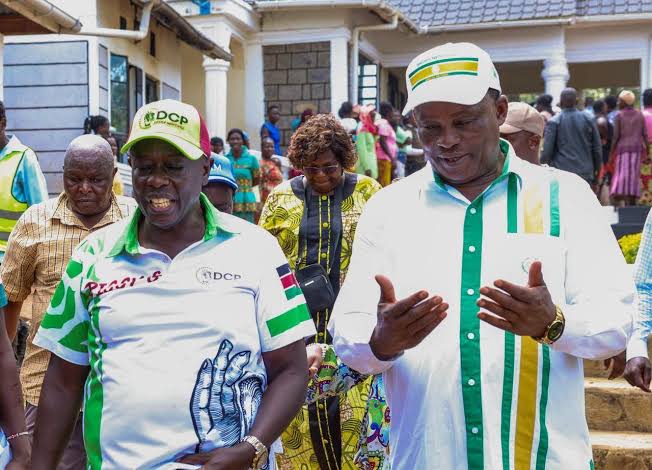 MUTURI REJECTS GACHAGUA’S ‘HYENA COALITION’
-
 YUNGE’S ALLEGED EX CRIES FOUL AFTER CHARLENE’S WEDDING
-
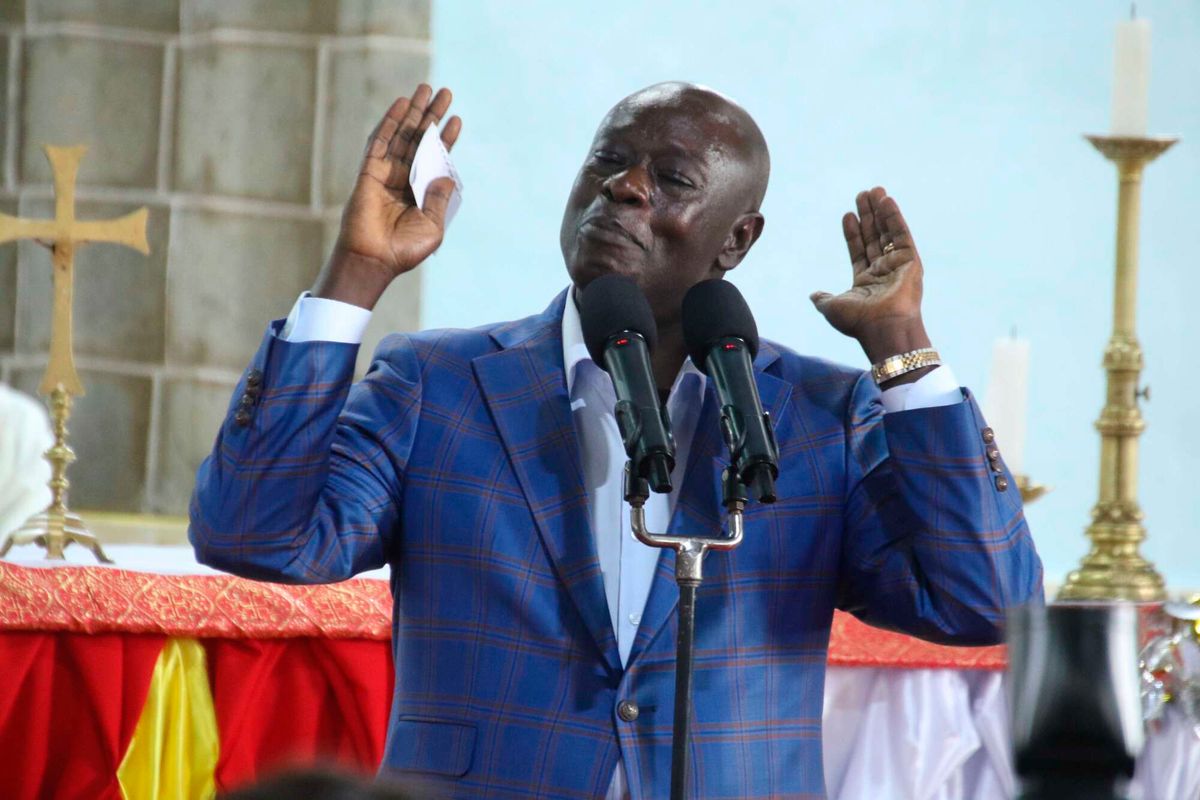 GACHAGUA PROPOSES 'THE HYENA COALITION '
-
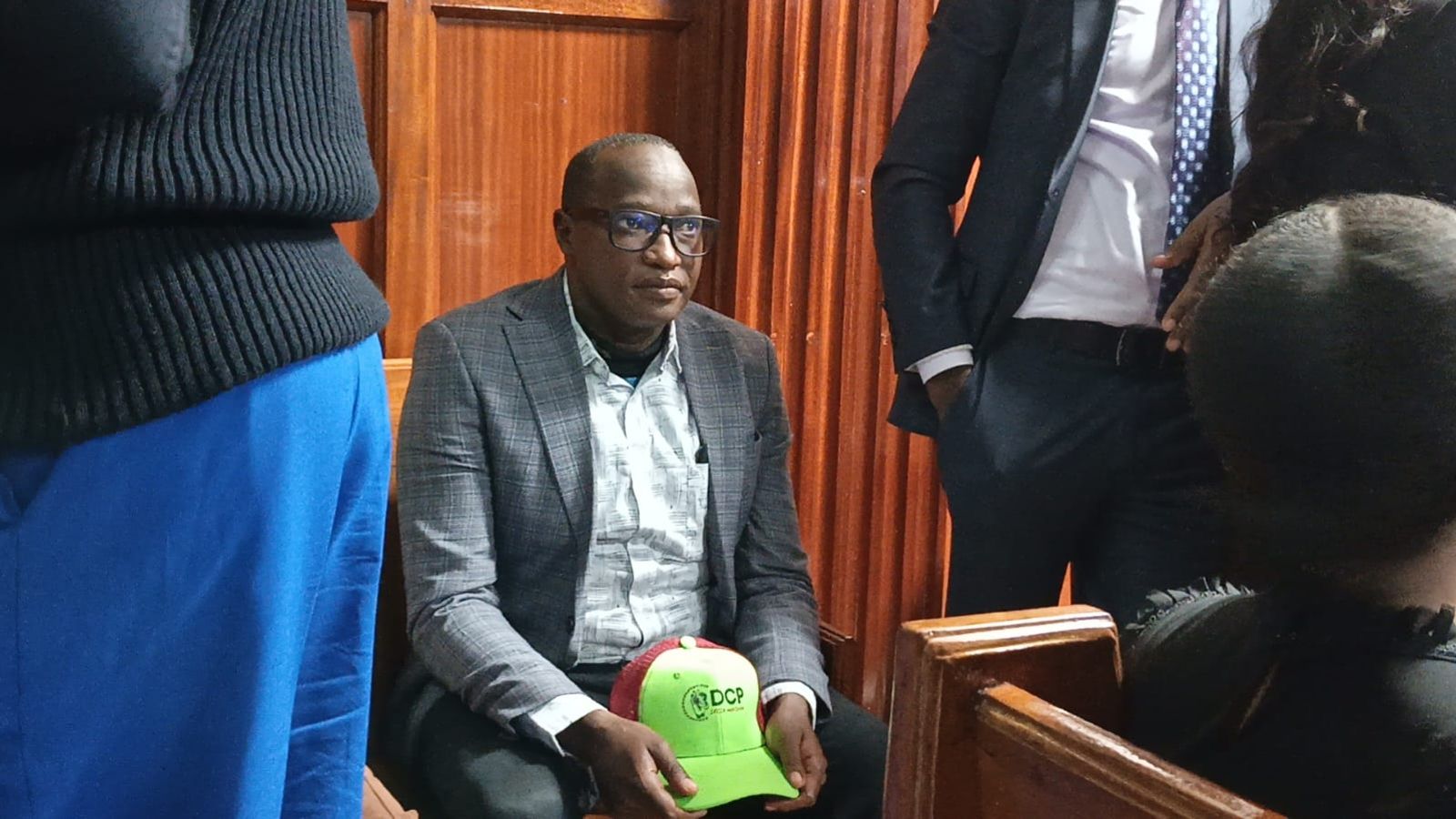 MP KAGUCHIA PLEADS NOT GUILTY TO INCITEMENT CHARGE
-
 DIAMOND, ZUCHU WELCOME BABY GIRL
-
 KINDIKI IN TROUBLE ?
-
 KANG'ATA JOINS GACHAGUA'S DCP
RUTO'S STATEHOUSE BUDGET DOUBLES SURPASSING TRUMP'S WHITE HOUSE

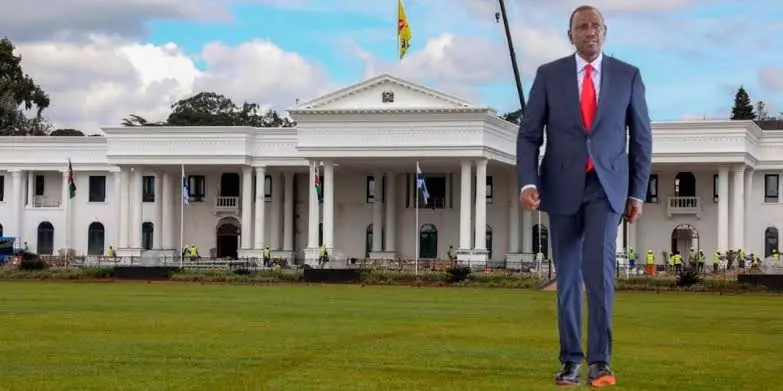
Kenya’s State House budget has climbed to nearly Sh17 billion for the 2025/2026 financial year, a figure that has drawn public attention after reports indicated it exceeds the spending allocated to the White House, the official residence and workplace of the President of the United States.
Budget documents presented to Parliament show that the allocation for State House in Nairobi increased from about Sh7.7 billion to approximately Sh16.99 billion, representing an additional Sh8.4 billion in funding. The revised estimate places Kenya’s presidential office among the highest-funded executive residences, with reports also suggesting the allocation is higher than what some developed countries, including Germany, dedicate to comparable presidential offices.
According to White House documents, the Office of the US president uses an approximate of $15.6 million which converts to between Ksh 2 - 2.5 Billion - meaning that the new budget is expected to be around eight times more than what the US White House uses in a year.
The increase is largely linked to operational costs tied to the presidency. Spending in the main State House office in Nairobi is projected to rise significantly and will cover a range of expenses associated with presidential duties. These include domestic travel, hospitality for official events, fuel for the presidential fleet, maintenance of vehicles, and the purchase of new cars.
Documents indicate that travel and subsistence costs related to presidential tours are set to increase substantially, while hospitality spending has also been adjusted upward to support official functions, visiting delegations, and events hosted at the presidential residence. A large share of the allocation is also listed under “other operating expenses,” a category projected to reach nearly Sh6 billion.
Analysts have previously raised concerns about this classification because it often provides limited details on the exact nature of the spending.
The expanded budget comes after reports revealed that State House had already spent more than Sh10.4 billion within the first seven months of the financial year, surpassing its earlier full-year allocation. By the end of January 2026 alone, expenditure had reached that level, with about Sh1.3 billion spent during that month.
Earlier in the financial year, spending had already exceeded planned limits. In the first quarter of the 2025/2026 fiscal period, State House spent about Sh4.32 billion against a planned allocation of Sh1.92 billion, overshooting the target by more than 100 percent.
According to documents submitted to Parliament, the additional funds were authorized under Article 223 of the Constitution, which allows the government to access extra funds when the initial budget proves insufficient or when urgent and unforeseen expenses arise.
However, such withdrawals must later be presented to Parliament for approval through supplementary budget processes.
Treasury Cabinet Secretary John Mbadi told lawmakers that the National Treasury had approved additional funding requests for ministries, departments and agencies in line with constitutional provisions and had submitted documentation to Parliament to regularize the spending.
Despite the explanation, the revelations have triggered debate among lawmakers, financial experts and members of the public, particularly over reports that billions of shillings were spent before receiving formal approval from the National Assembly of Kenya.
Oversight institutions such as the Office of the Auditor-General and parliamentary committees are tasked with reviewing government expenditure to ensure compliance with financial regulations. Audit findings indicate that the Executive Office of the President recorded an overshoot of about Sh2.7 billion in recurrent expenditure during the first half of the financial year, largely driven by spending on hospitality, travel and renovations.
According to critics, the frequent reliance on Article 223 has created what can be described as a “spend first, approve later” approach that could weaken Parliament’s oversight role in managing public finances. They say the provision was intended for genuine emergencies but is increasingly being used to cover routine government spending.
The issue has also intensified debate about government priorities at a time when the administration of President William Ruto has been implementing austerity measures and new taxation policies aimed at stabilizing the country’s finances.
Civil society groups and activists have also speculated a potential redirection of billions spent toward critical public programs such as Universal Health Coverage and the Social Health Insurance Fund, which continue to face funding challenges.
Some have however maintained that the presidency requires sufficient resources to effectively perform his official responsibilities - that cut across security operations, domestic and international engagements.
As it stands, Parliament is set to review the revised budget estimates and supplementary allocations to determine whether the proposed spending is justified. Questions remain over whether lawmakers—many of whom are considered pro-government—will prioritize the interests of the ordinary citizen or instead seek to maintain a favorable relationship with the executive.
Comments (0)
No comments yet. Be the first to comment!