

-
 RONALDO AND GEORGINA FLAUNT WEDDING RINGS
-
 DIAMOND’S FORMER DJ RESCUED FROM STREETS
-
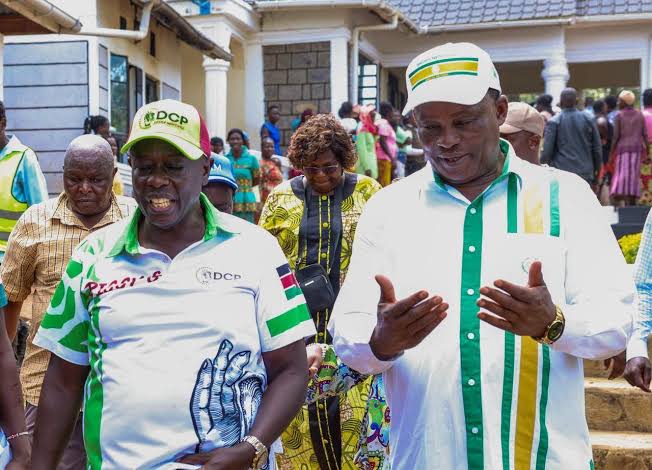 MUTURI REJECTS GACHAGUA’S ‘HYENA COALITION’
-
 YUNGE’S ALLEGED EX CRIES FOUL AFTER CHARLENE’S WEDDING
-
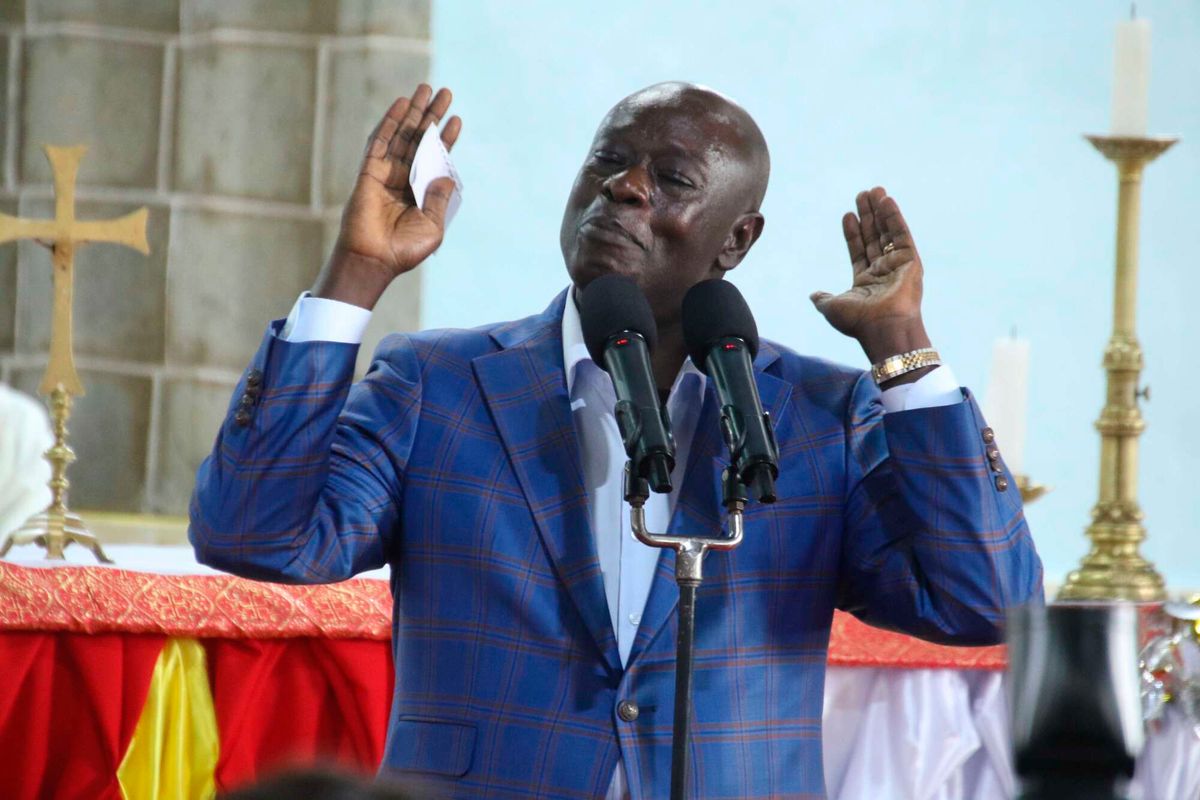 GACHAGUA PROPOSES 'THE HYENA COALITION '
-
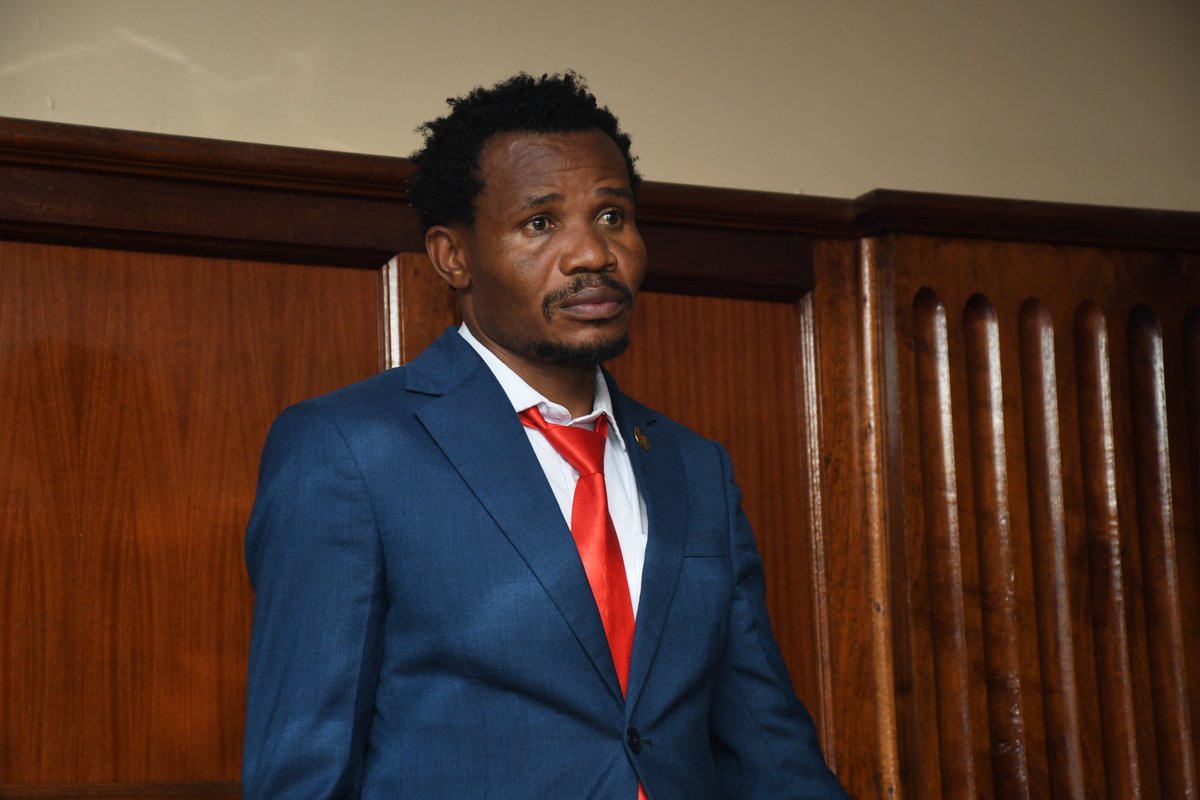
 MP KAGUCHIA PLEADS NOT GUILTY TO INCITEMENT CHARGE
-
 DIAMOND, ZUCHU WELCOME BABY GIRL
-
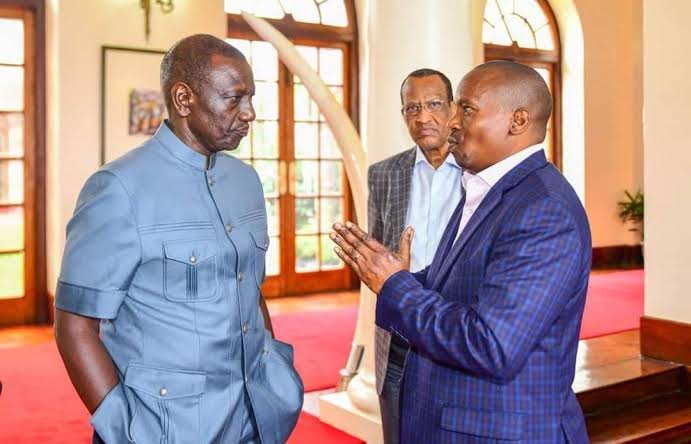 KINDIKI IN TROUBLE ?
-
 KANG'ATA JOINS GACHAGUA'S DCP
The Price of Borrowing: Kenya Dedicates Sh7 in Sh10 to Debt, Signaling 'National Emergency'

An alarming new report by the Okoa Uchumi civil society coalition has cast a harsh light on Kenya's public finance health, revealing that the government is now dedicating a staggering Sh7 of every Sh10 (approximately 70%) it collects in revenue directly to servicing its towering debt burden. This critical finding underscores the severity of the fiscal constraints facing the nation and confirms the warnings from rights groups that the country is caught in a deep and dangerous debt cycle. The total public debt has ballooned to a figure close to the Sh11.8 trillion mark, with official projections placing the national debt at Ksh 11 trillion as of early 2024 and expected to rise further toward Ksh 13 trillion by June 2027, according to parliamentary reports.
This overwhelming commitment to debt repayment—which has, at times, exceeded 100% of monthly tax revenue—has severely restricted the government’s fiscal flexibility, a phenomenon known as "crowding out." With debt service consuming the majority of tax shillings, there are insufficient resources left for essential discretionary spending, leading to reduced allocations for vital social sectors such as health, education, and development initiatives, including stalled infrastructure projects. Okoa Uchumi and other organizations like TISA argue that the crisis stems not just from a lack of revenue, but from an "expenditure problem," marked by imprudent borrowing, high-interest commercial loans, and a lack of transparency and accountability in the utilization of borrowed funds.
The reliance on expensive commercial and domestic borrowing, coupled with historical corruption, has pushed the debt service-to-revenue ratio far above the international risk threshold, placing Kenya at a high risk of debt distress. Rights groups caution that this debt trajectory threatens not only the country’s economic growth prospects but also its political stability, as the burden of repayment is increasingly shifted onto ordinary citizens through higher taxes and reduced public services. This situation highlights a profound moral and economic dilemma: a significant portion of the country's collective earnings is being diverted to past financial commitments, severely limiting the potential for future prosperity and sustainable development. Addressing this cycle, civil society leaders insist, requires not just technocratic adjustments but a political commitment to fiscal justice, transparency, and a fundamental reorientation of public spending priorities away from what they term a "Budget of Betrayal" and towards a people-centred economy.

Comments (0)
No comments yet. Be the first to comment!