

-
 CR7 ERA HANGS IN BALANCE AS RONALDO LEAVES PORTUGAL IN UNCERTAINTY
-
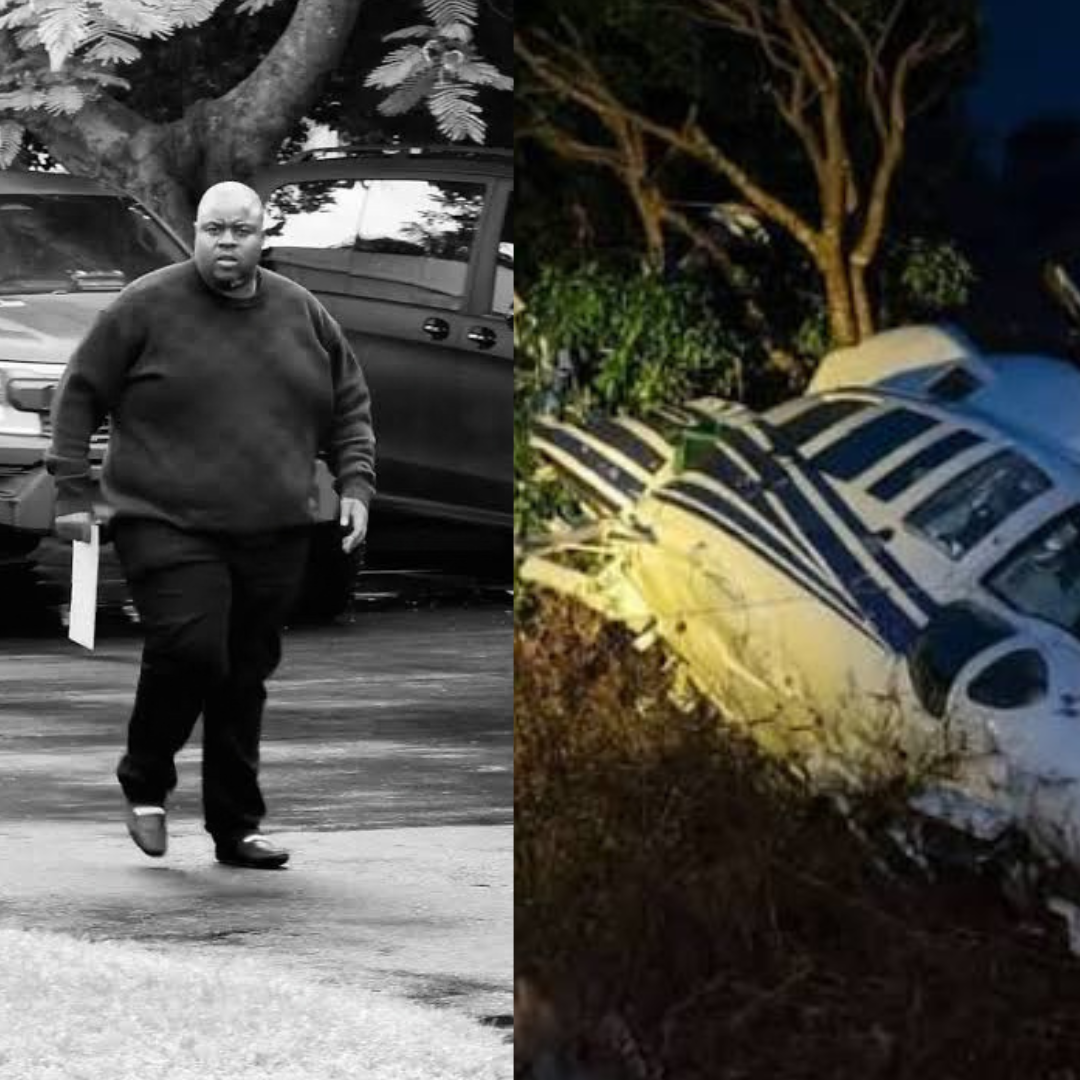 CHIVAYO DIES IN HELICOPTER CRASH
-
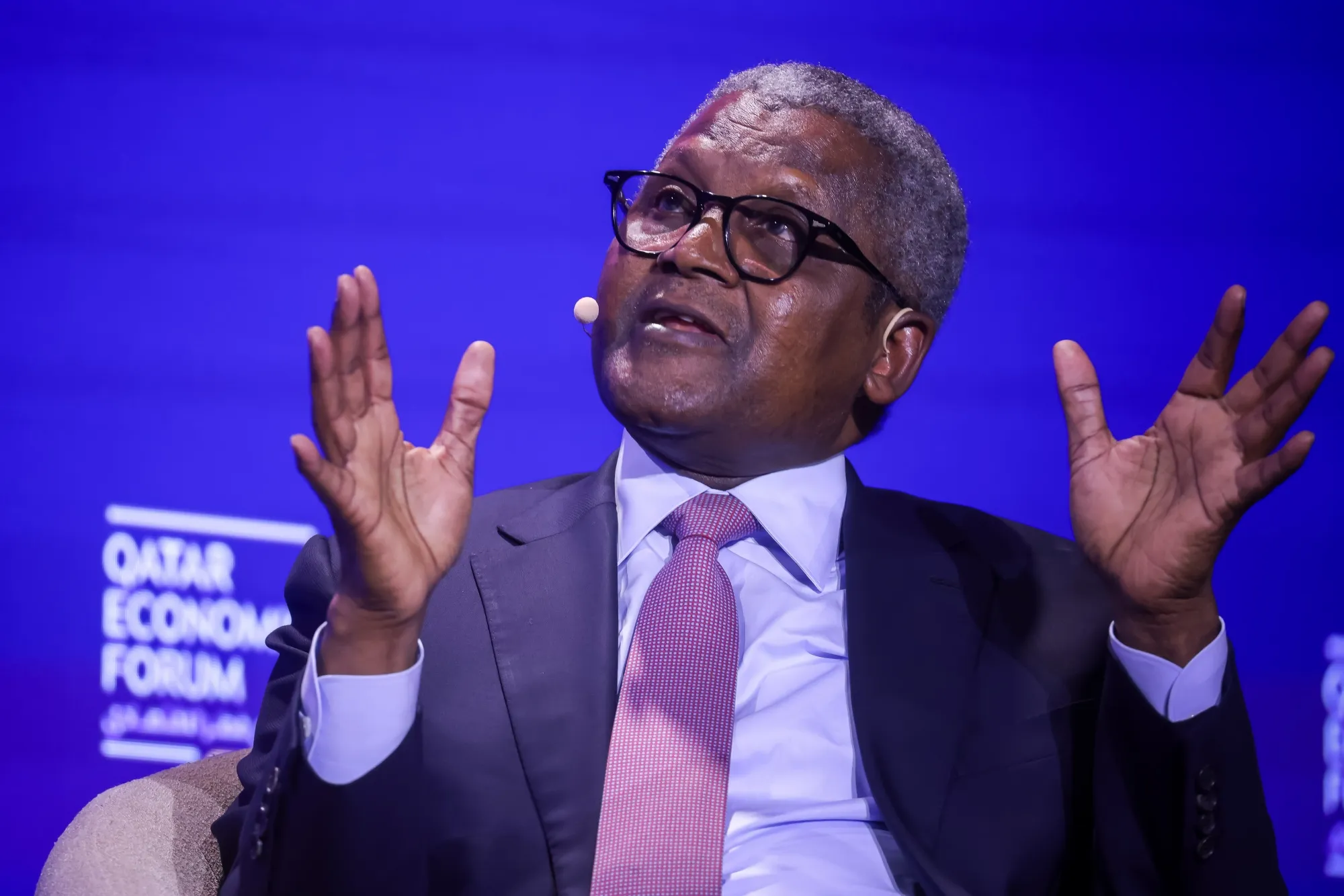 DANGOTE SHRUGS OFF LAMU PROTESTS, BRACES FOR COURT BATTLE
-
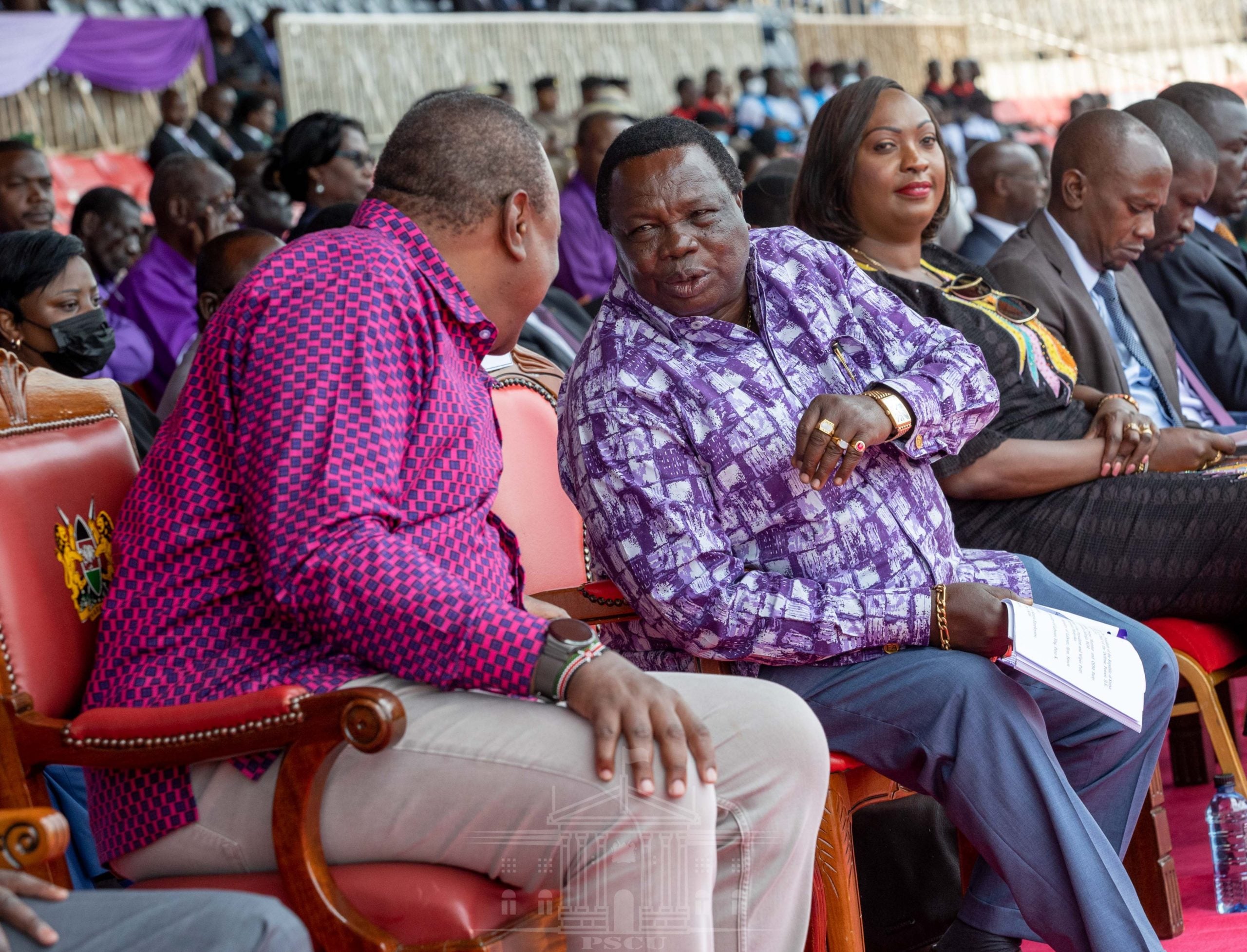 ATWOLI CALLS FOR UHURU'S ARREST OVER RAILA 2022 CLAIMS
-
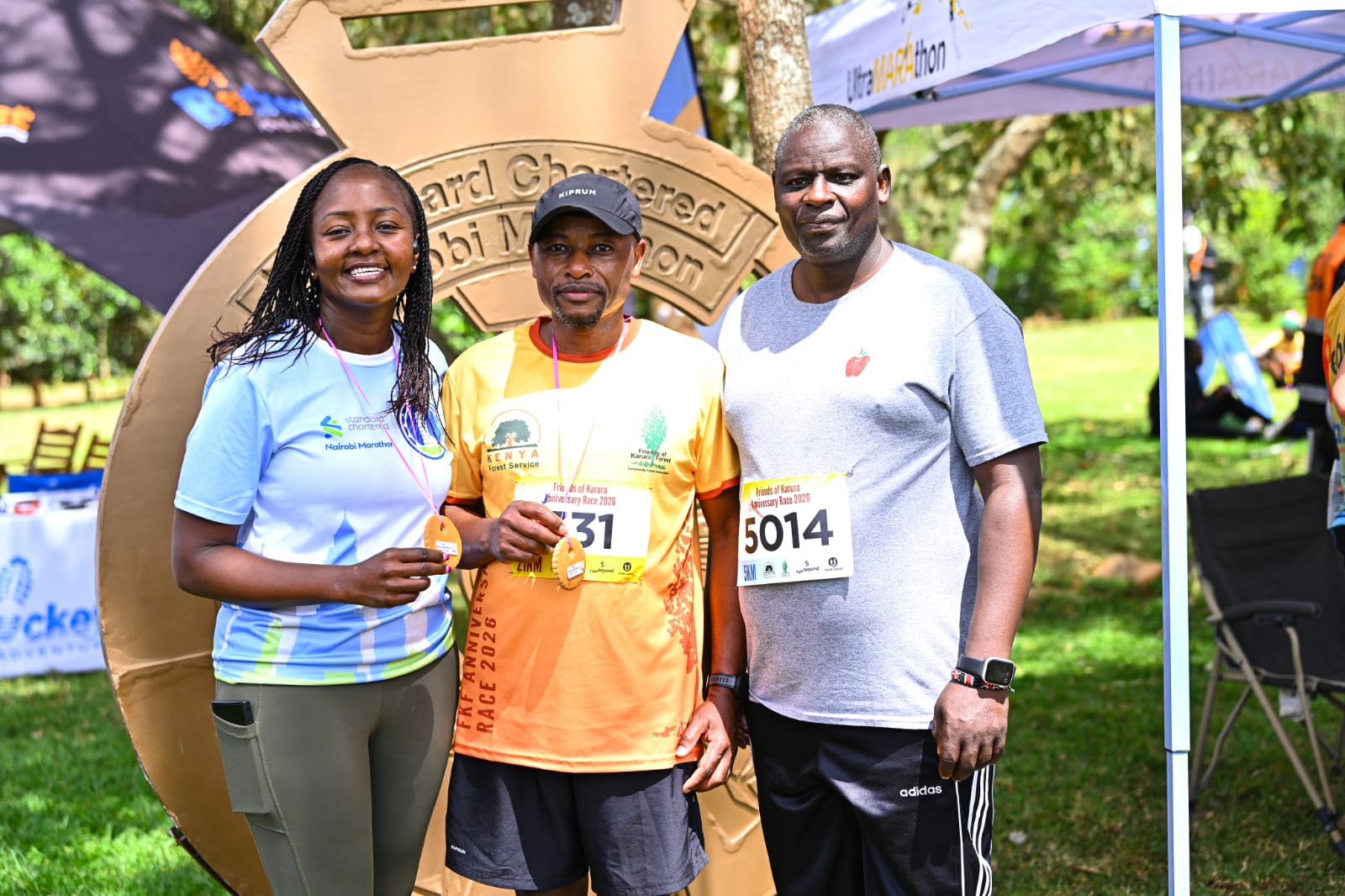 Karura race draws more than 1,000 runners ahead of Nairobi Marathon
-
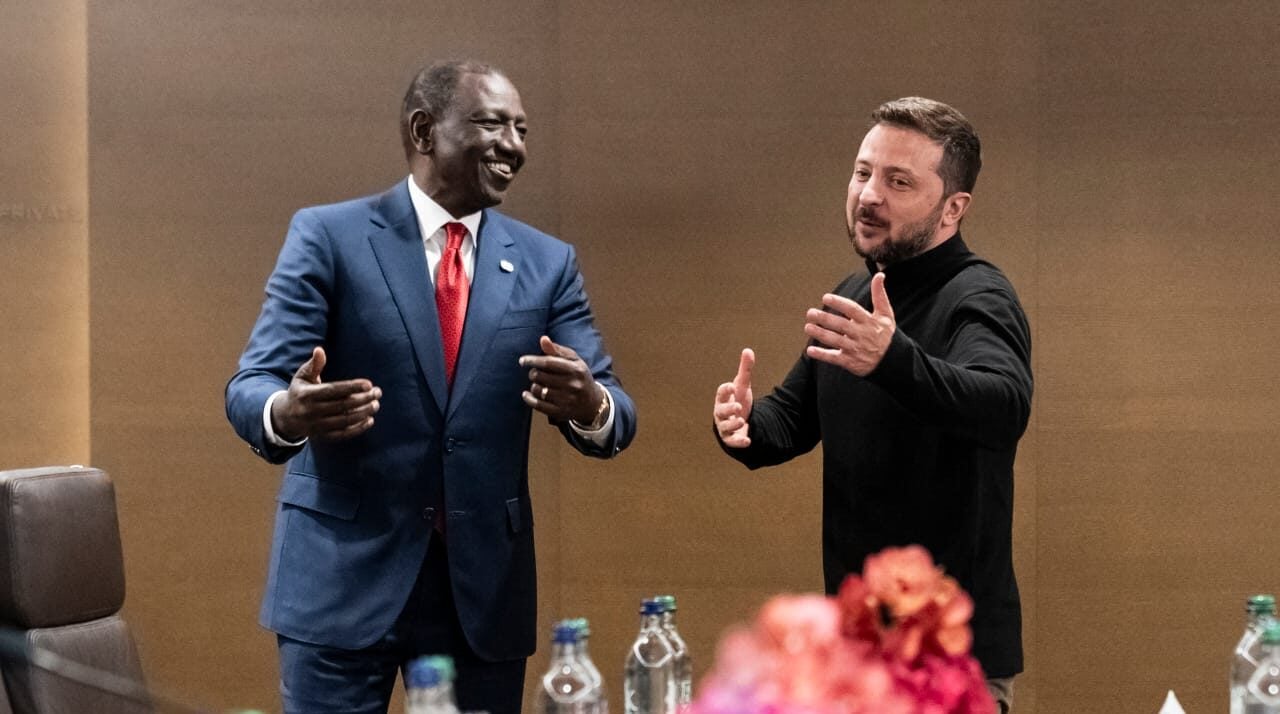 ZELENSKYY FLAGS KENYA TO UN OVER RUSSIA WAR RECRUITMENT
-
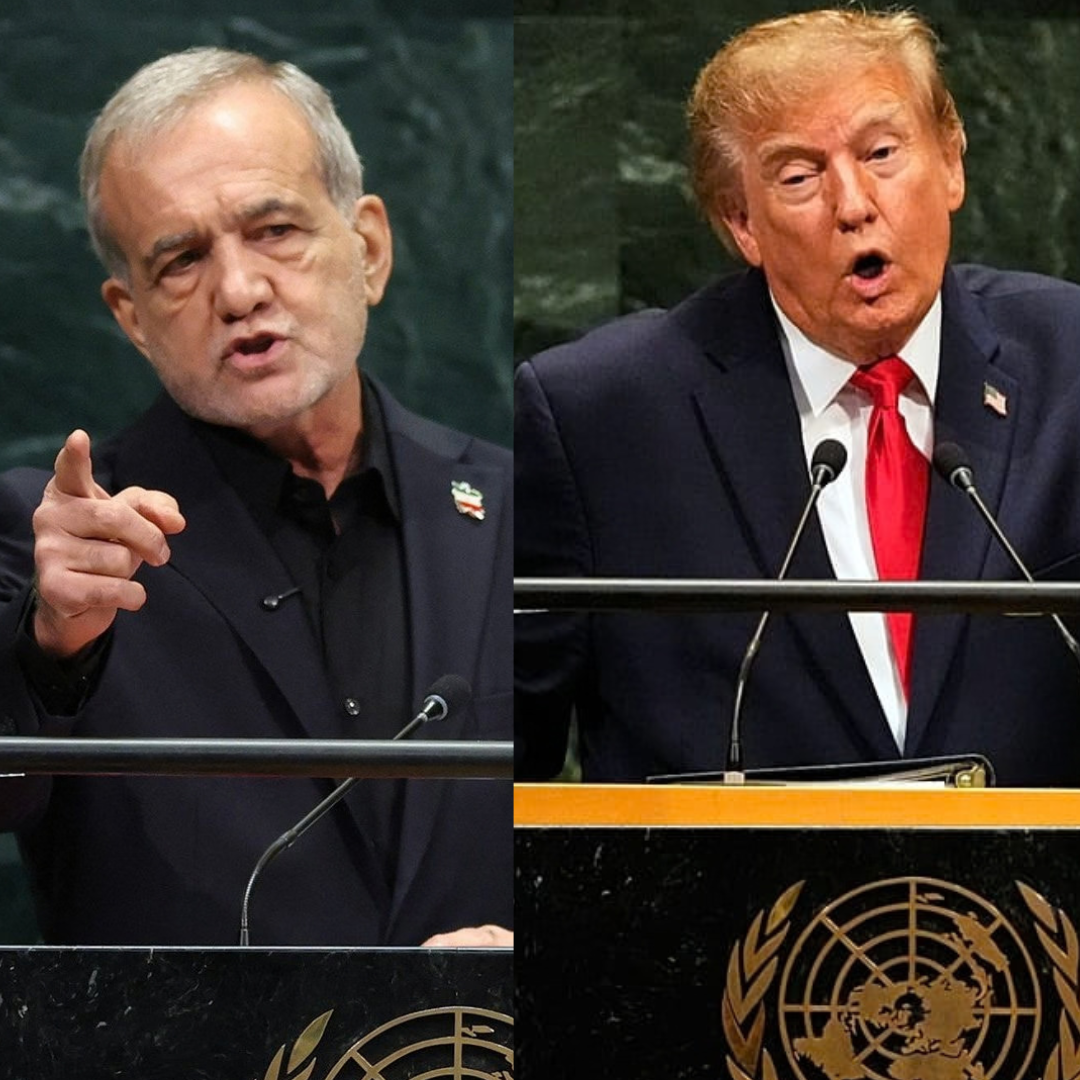 IRAN-US LOCK HORNS AT UNGA
-
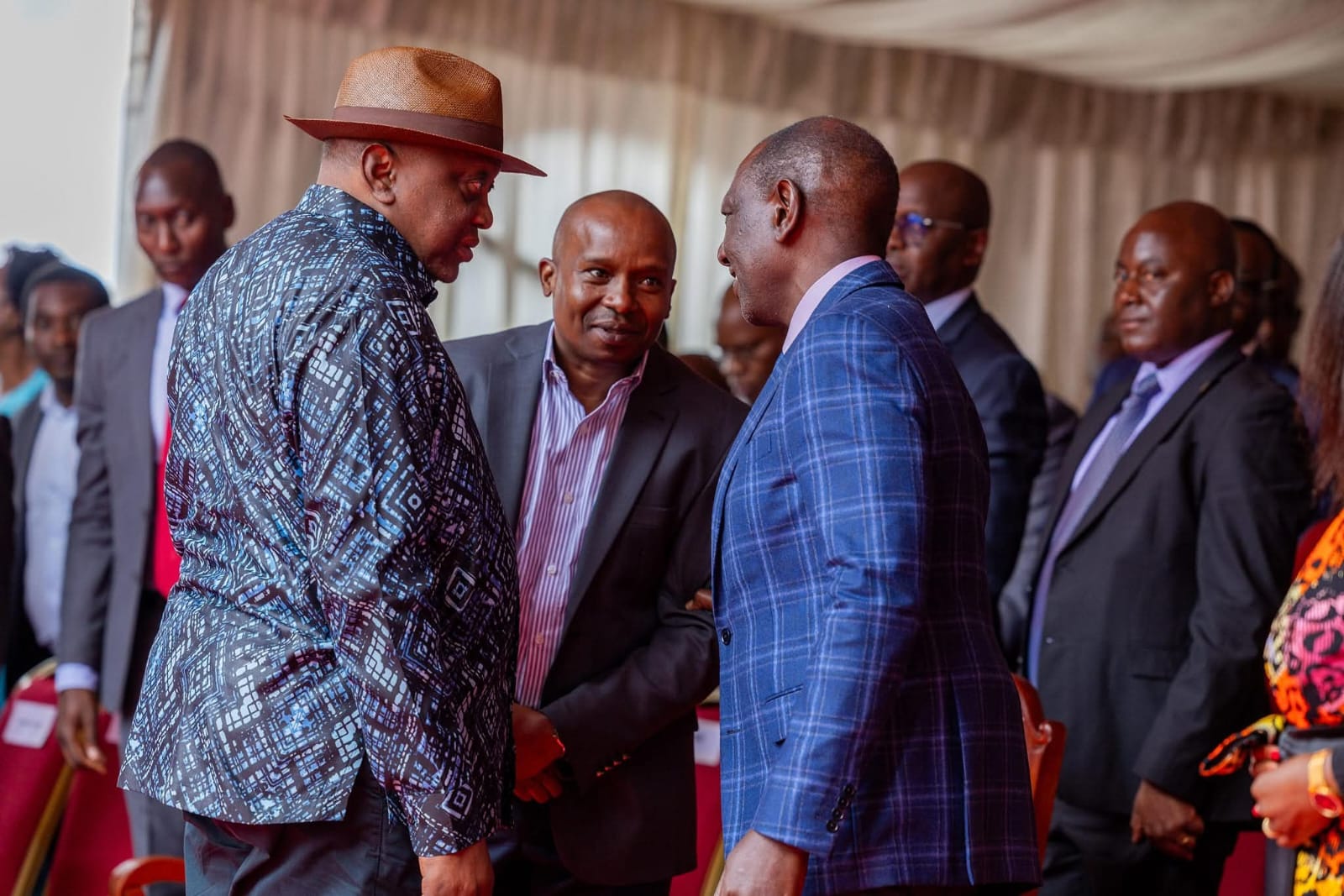 UHURU BACK ON 2027 POLITICAL FRONTLINE AFTER COURT RULING
-
 KAIKAI DISPUTES OMBIJA’S CLAIM GACHAGUA SOUGHT HIS SACKING
THIS DAY IN HISTORY: AUGUST 6

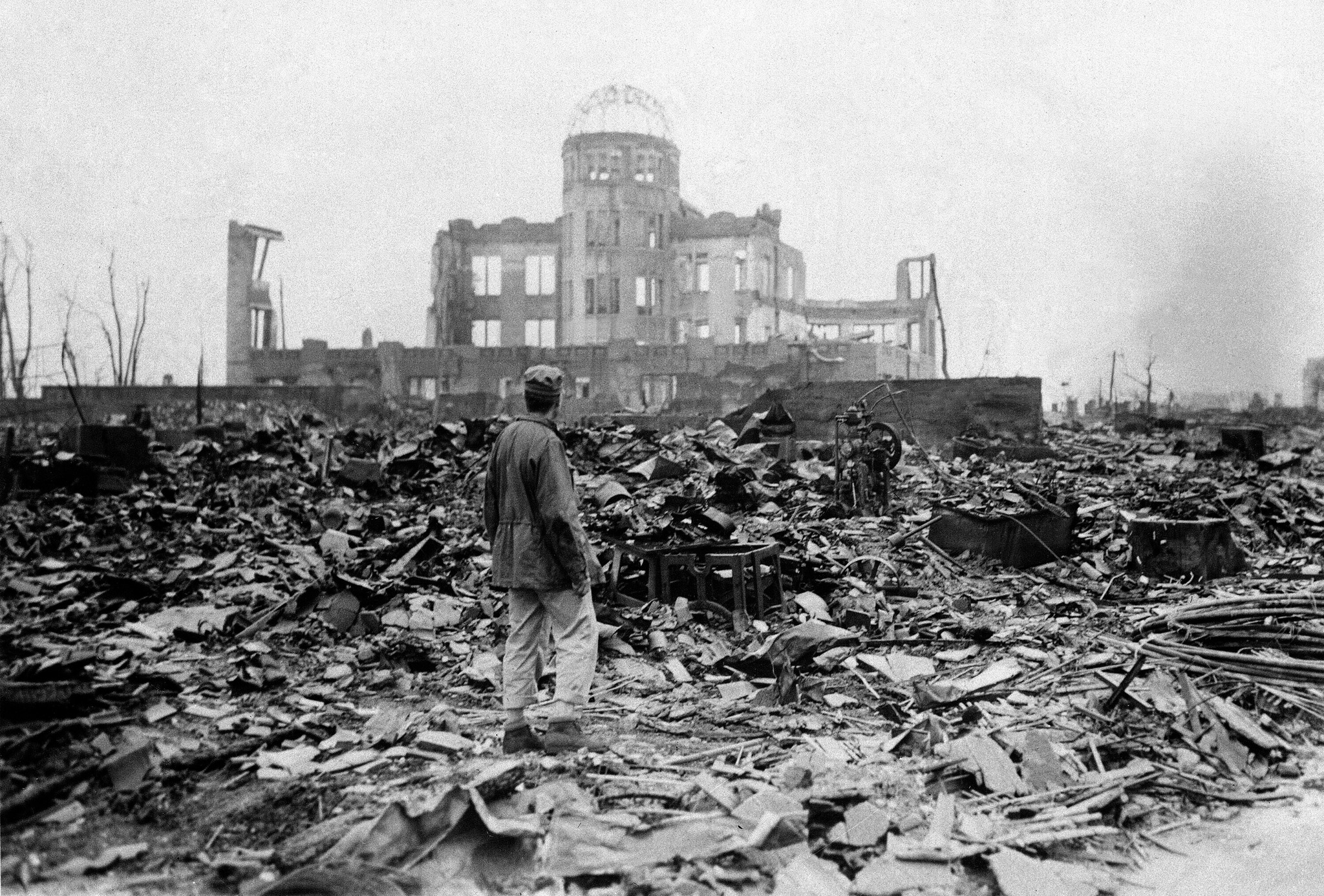
At exactly 8:15 a.m. on August 6, 1945, the world witnessed an event that would alter the course of history and redefine the horrors of war. On this day, the United States dropped an atomic bomb on the Japanese city of Hiroshima, instantly killing tens of thousands and ushering in the nuclear age.
Code-named “Little Boy,” the bomb exploded approximately 600 meters above the heart of Hiroshima, releasing a blinding flash and a fireball that flattened nearly 70% of the city. In seconds, entire neighborhoods were vaporized. An estimated 70,000 people died instantly, and by the end of the year, the death toll had risen to over 140,000 due to injuries and radiation sickness.
The target was not just a military one it was a city teeming with civilians. Children on their way to school, workers commuting, parents preparing breakfast all caught in an instant of devastation.
A City Rebuilt on Memory
Today, Hiroshima stands as a city of peace, resilience, and remembrance. At the center of this is the Hiroshima Peace Memorial Park, where the Genbaku Dome the skeletal remains of one of the few buildings that survived the blast serves as a haunting symbol of the bombing’s impact.
Each year, on August 6, the city holds a solemn Peace Memorial Ceremony, where survivors (known as hibakusha) and global leaders gather to remember the victims and advocate for nuclear disarmament.
In a world still grappling with the threat of nuclear weapons, Hiroshima’s message remains clear: Never again.
The First and Last?
Three days after Hiroshima, a second atomic bomb was dropped on Nagasaki, killing at least 70,000 more. Days later, Japan surrendered, bringing an end to World War II.
To this day, Hiroshima remains the first city in human history to be attacked with a nuclear weapon.
Survivor Testimony
Many survivors, like Setsuko Thurlow, have spent their lives sharing testimonies of that day of heat so intense it melted skin, of lost family members, and of a city cloaked in silence and smoke.
“I saw a bright bluish-white flash,” she once recalled. “I was blown into the air, and everything went dark.”
Their stories continue to inspire movements around the world for peace and the abolition of nuclear arms.
Today in History, we remember the victims of Hiroshima not only to honor them but to remind ourselves of the cost of war, and the urgent need to protect peace.
Comments (0)
No comments yet. Be the first to comment!