

-
 RONALDO AND GEORGINA FLAUNT WEDDING RINGS
-
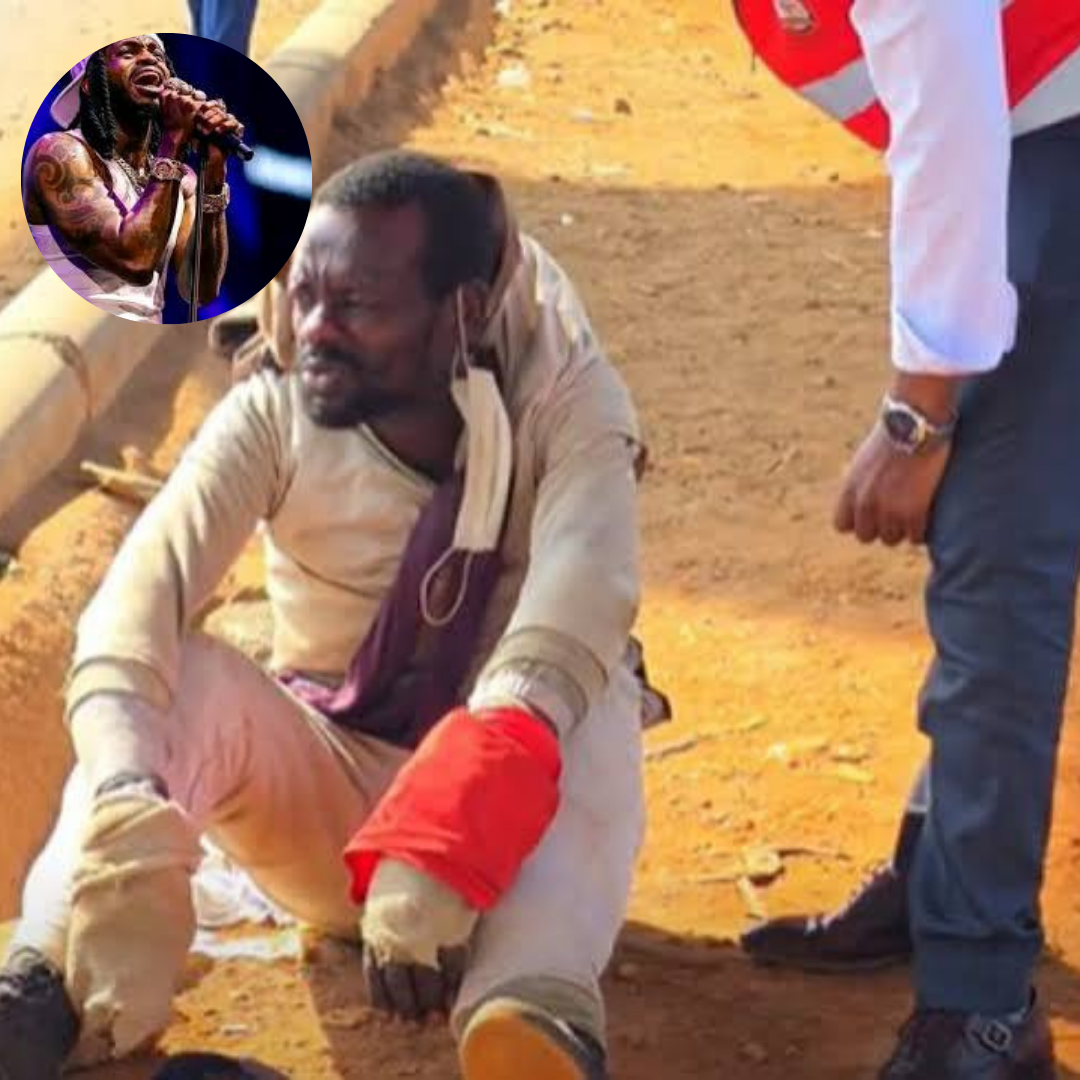 DIAMOND’S FORMER DJ RESCUED FROM STREETS
-
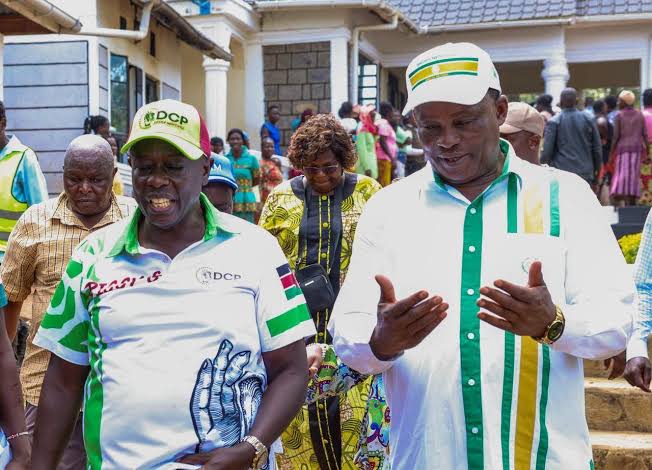 MUTURI REJECTS GACHAGUA’S ‘HYENA COALITION’
-
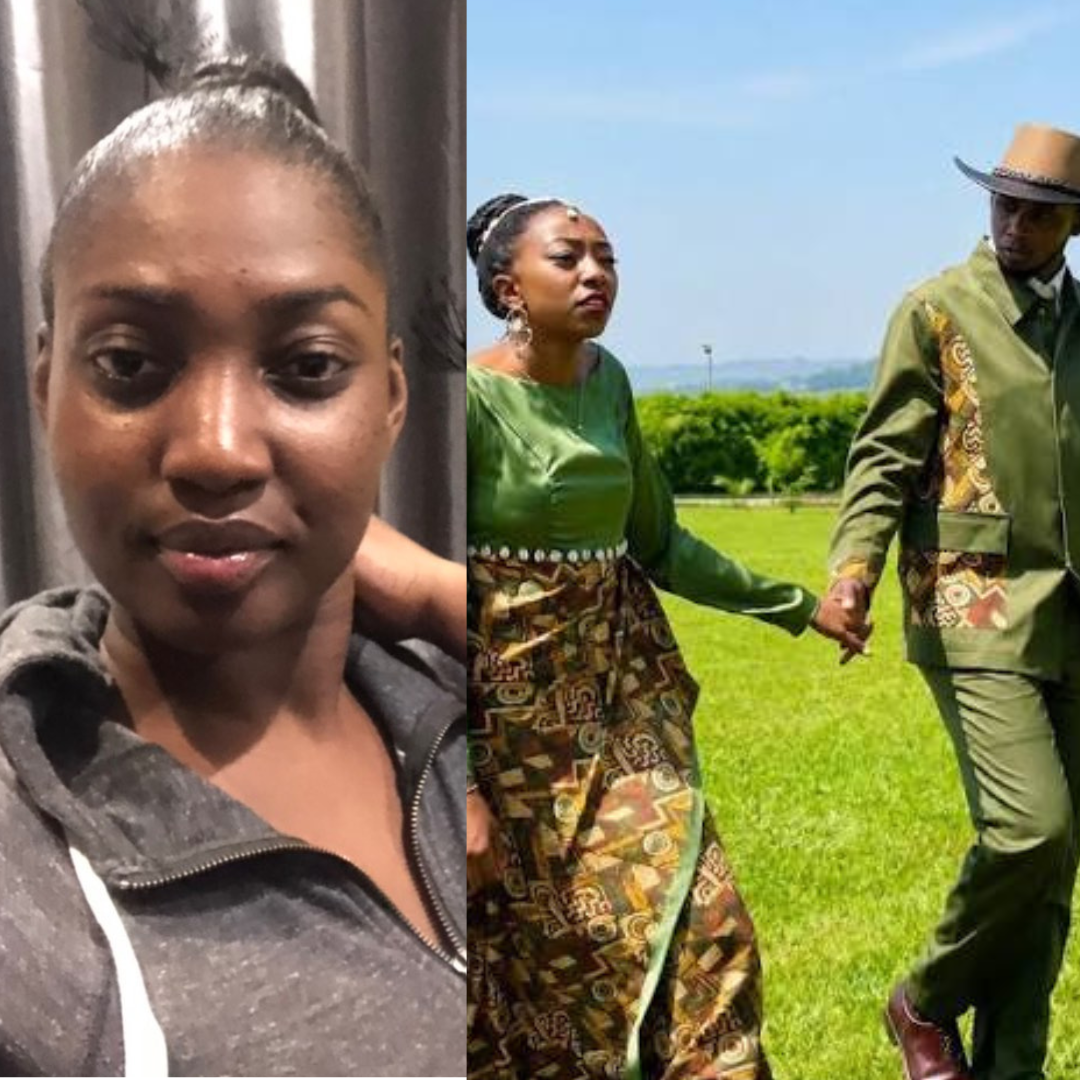 YUNGE’S ALLEGED EX CRIES FOUL AFTER CHARLENE’S WEDDING
-
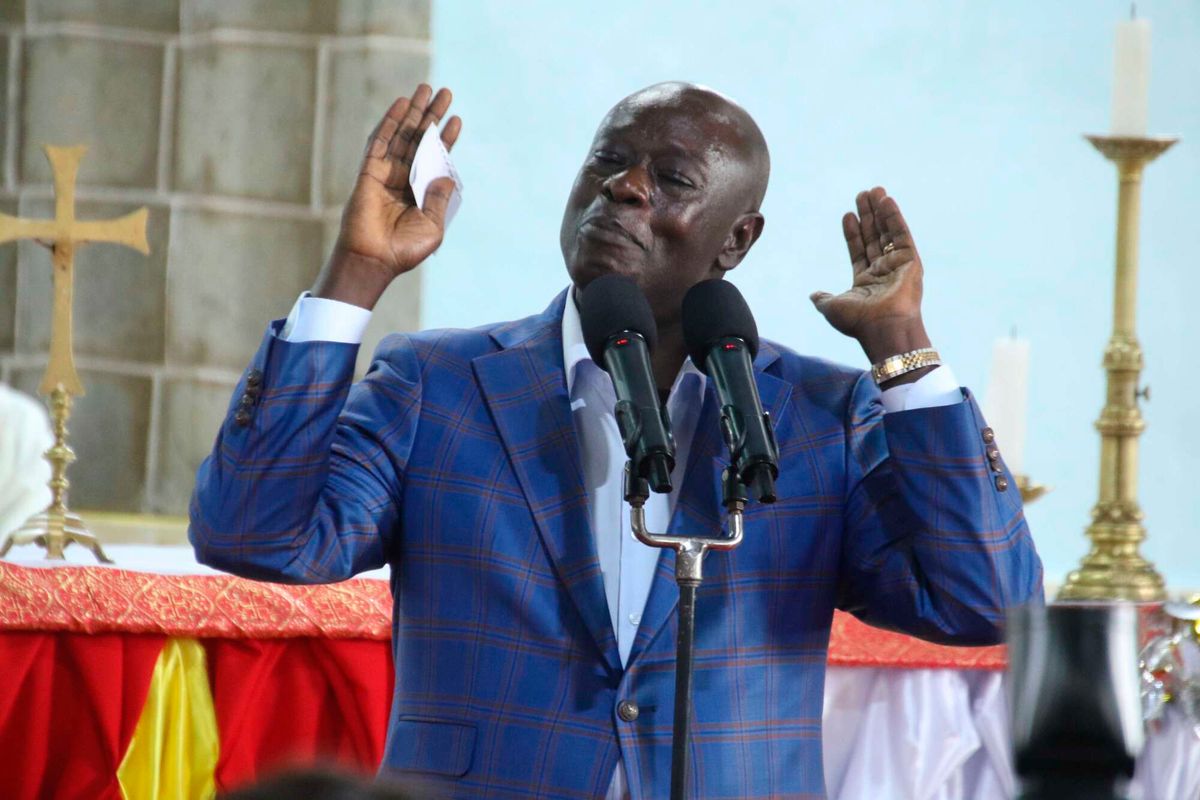 GACHAGUA PROPOSES 'THE HYENA COALITION '
-
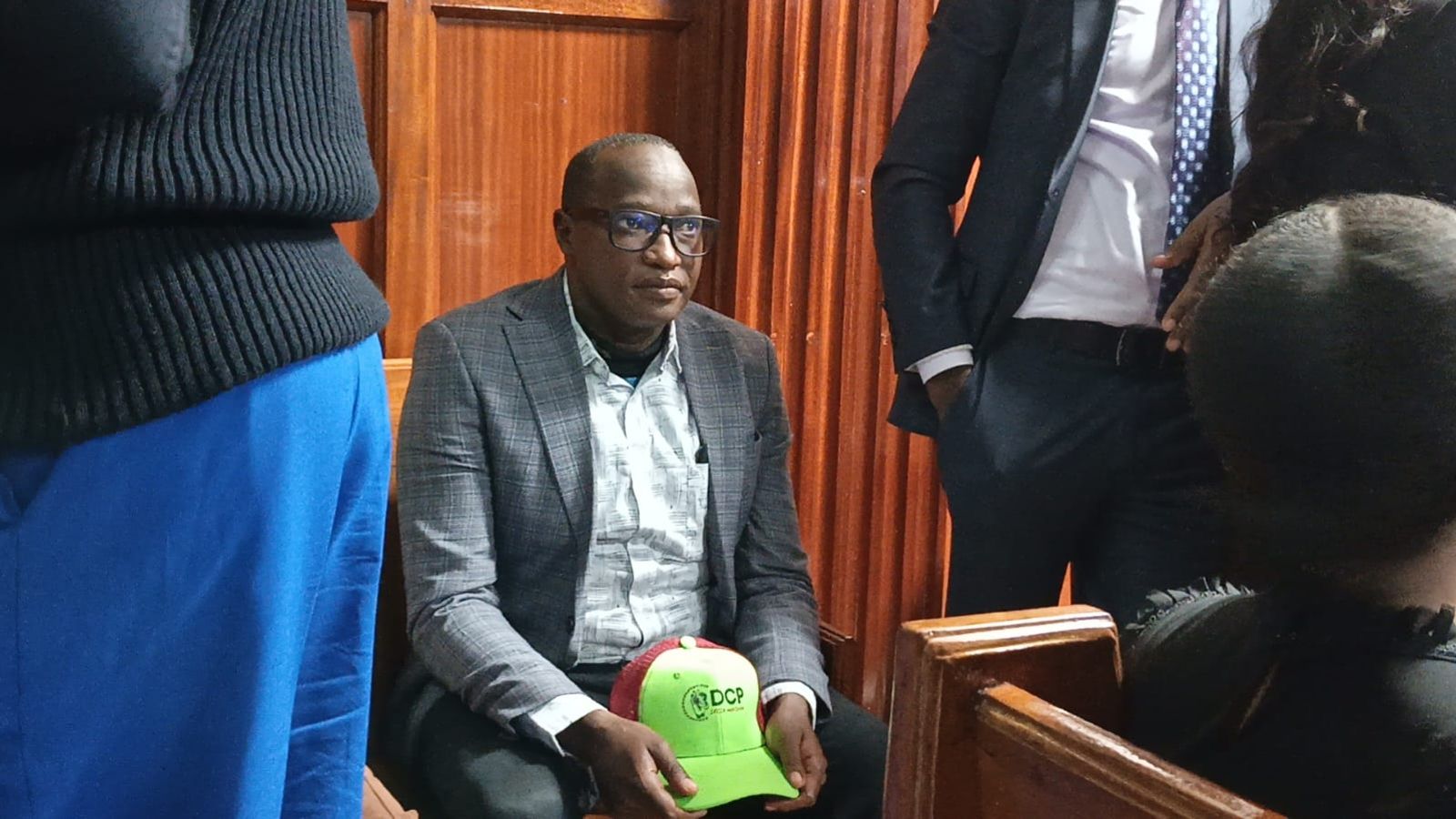 MP KAGUCHIA PLEADS NOT GUILTY TO INCITEMENT CHARGE
-
 DIAMOND, ZUCHU WELCOME BABY GIRL
-
 KINDIKI IN TROUBLE ?
-
 KANG'ATA JOINS GACHAGUA'S DCP
UNIVERSITY STUDENT WHO POSTED AI GENERATED IMAGE OF RUTO PLEADS FOR LENIENCY
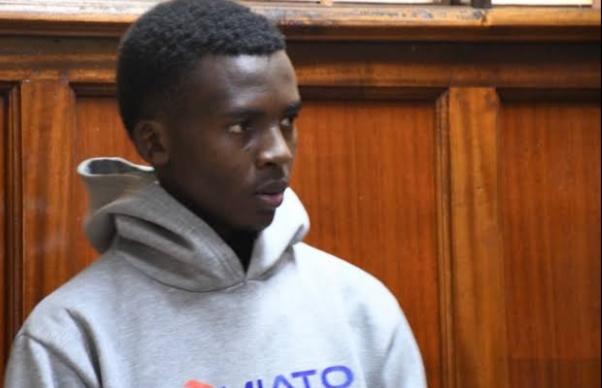
A controversial court case involving a university student accused of publishing false information about President William Ruto has taken a new turn. David Mokaya is accused of posting an image of President William Ruto in a compromising situation. The image showed a casket draped in the Kenyan flag, surrounded by military officers in ceremonial dress, accompanied by the caption: "Ruto's body leaves Lee Funeral Home."
Appearing before the court on Thursday, July 31, Mokaya, through his lawyer Danstan Omari, requested that the proceedings be postponed until his academic term concluded in mid-September. The defence argued that the ongoing legal process was interfering with the student's studies and mental focus. “We are asking for the hearing to take place after the university session concludes in the second week of September,” Omari told the court.
During the same session, the prosecution presented evidence collected by Boniface Machibi, a cybercrime and digital forensics analyst. He testified that he had received a smartphone and a laptop from the Directorate of Criminal Investigations (DCI) and had been tasked with extracting data related to the controversial post. "I received two exhibits from the DCI headquarters on November 28, 2024, a Samsung Galaxy A23 smartphone and a laptop and was asked to extract data related to the post," Machibi explained.
From the extraction, Machibi said he discovered three user profiles on the phone, boz gabi (linked to the handle Landlord KE), urban trend ke, and masillas, and found a screenshot of the disputed post. On the laptop, he accessed files located in a folder labeled “DVR” and verified that the timestamps matched the day the image was circulated online.
However, despite retrieving the data successfully, Machibi admitted that he could not verify who owned the devices or directly tie the accused to the published content. He clarified that while the digital material appeared genuine, he had not interacted with or identified the individuals associated with the devices
Comments (0)
No comments yet. Be the first to comment!