

-
 RONALDO AND GEORGINA FLAUNT WEDDING RINGS
-
 DIAMOND’S FORMER DJ RESCUED FROM STREETS
-
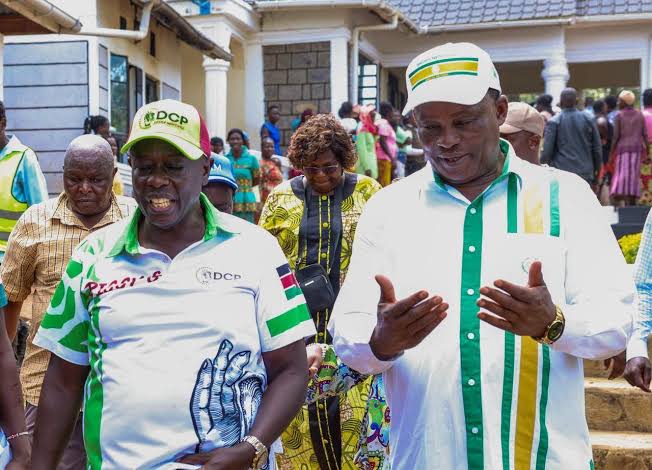 MUTURI REJECTS GACHAGUA’S ‘HYENA COALITION’
-
 YUNGE’S ALLEGED EX CRIES FOUL AFTER CHARLENE’S WEDDING
-
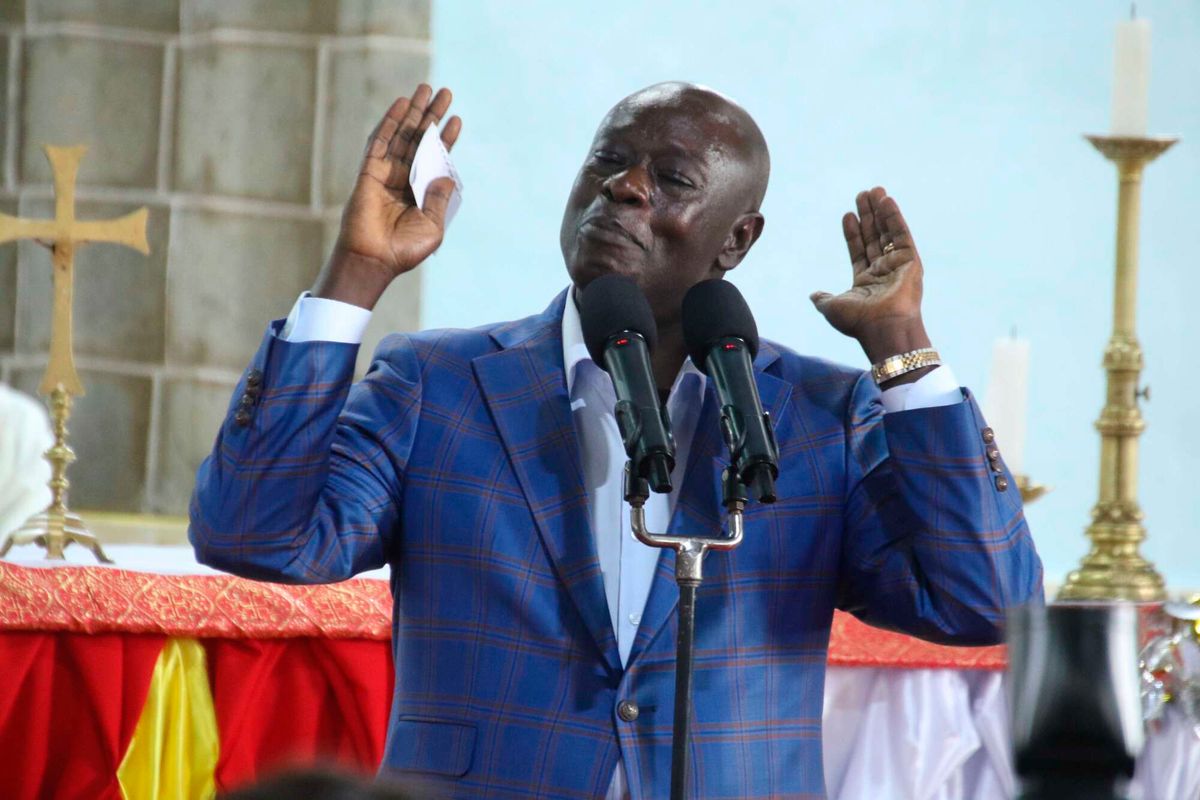 GACHAGUA PROPOSES 'THE HYENA COALITION '
-
 MP KAGUCHIA PLEADS NOT GUILTY TO INCITEMENT CHARGE
-
 DIAMOND, ZUCHU WELCOME BABY GIRL
-
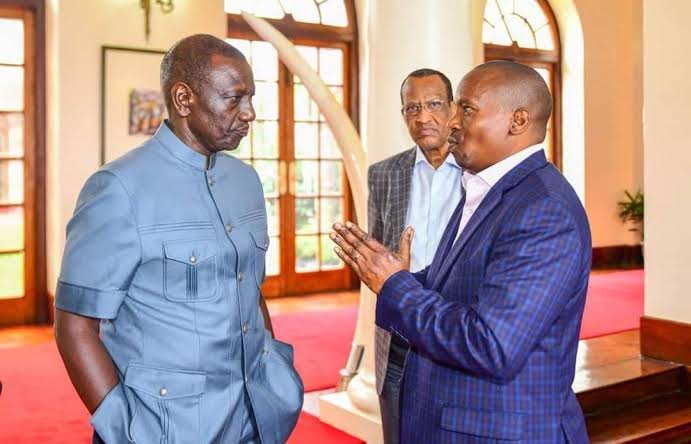 KINDIKI IN TROUBLE ?
-
 KANG'ATA JOINS GACHAGUA'S DCP
MADAGASCAN MILITARY CAPTURE POWER AFTER PRESIDENT IMPEACHED FOLLOWING GENZ PROTESTS

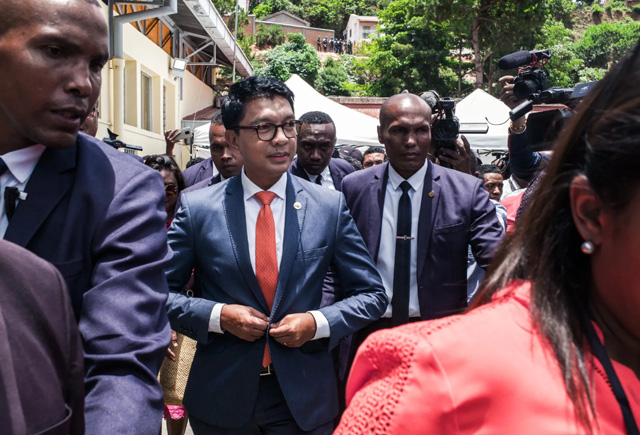
Madagascar has plunged into a new political storm after the military announced it had taken control of the country following President Andry Rajoelina’s impeachment and flight from the island in the wake of turbulent Gen Z protests demanding his resignation.
The dramatic takeover was declared on Tuesday by Colonel Michael Randrianirina, the army commander who led the mutiny. Speaking on national radio, Randrianirina said the armed forces had “taken power” and were suspending most national institutions.
“We have taken the power,” the colonel announced. “The following institutions are suspended: the Senate, the High Constitutional Court, the Independent National Electoral Commission, the High Court of Justice, and the High Council for the Defense of Human Rights and the Rule of Law.”
He added that the military would form a transitional committee to govern the country for up to two years before organizing fresh elections.
The move came just hours after lawmakers in the lower house voted to impeach Rajoelina, deepening a constitutional crisis that has been building for weeks amid youth-led protests and mass defections within the security forces.
Rajoelina, 51, had earlier attempted to dissolve parliament by decree, but legislators pressed on with impeachment proceedings, accusing him of conduct “incompatible with presidential duties.”
In a defiant televised address on Monday night, the embattled president said he had “moved to a safe place” due to threats to his life.
Rajoelina, who first rose to power in a 2009 coup supported by sections of the army, also condemned the latest military intervention as a “power grab” in a statement issued from hiding.
The political upheaval was sparked by weeks of Gen Z–led demonstrations that began on September 25, initially over water shortages and frequent power blackouts. The protests soon morphed into a broader movement against corruption, mismanagement, and deteriorating living conditions.
Analysts argue that this wave of Gen Z uprisings against unaccountable governance was first ignited by Kenya’s anti–2024 Finance Bill protests. The spark soon spread to countries like Morocco and Nepal, underscoring a growing political consciousness among the younger generation — one that is increasingly taking up the watchdog role in demanding transparency and accountability.

Comments (0)
No comments yet. Be the first to comment!