

-
 THE LAST SIUUU! RONALDO RETIRES FROM PORTUGAL
-
 HUDDAH RULES OUT KENYAN MEN
-
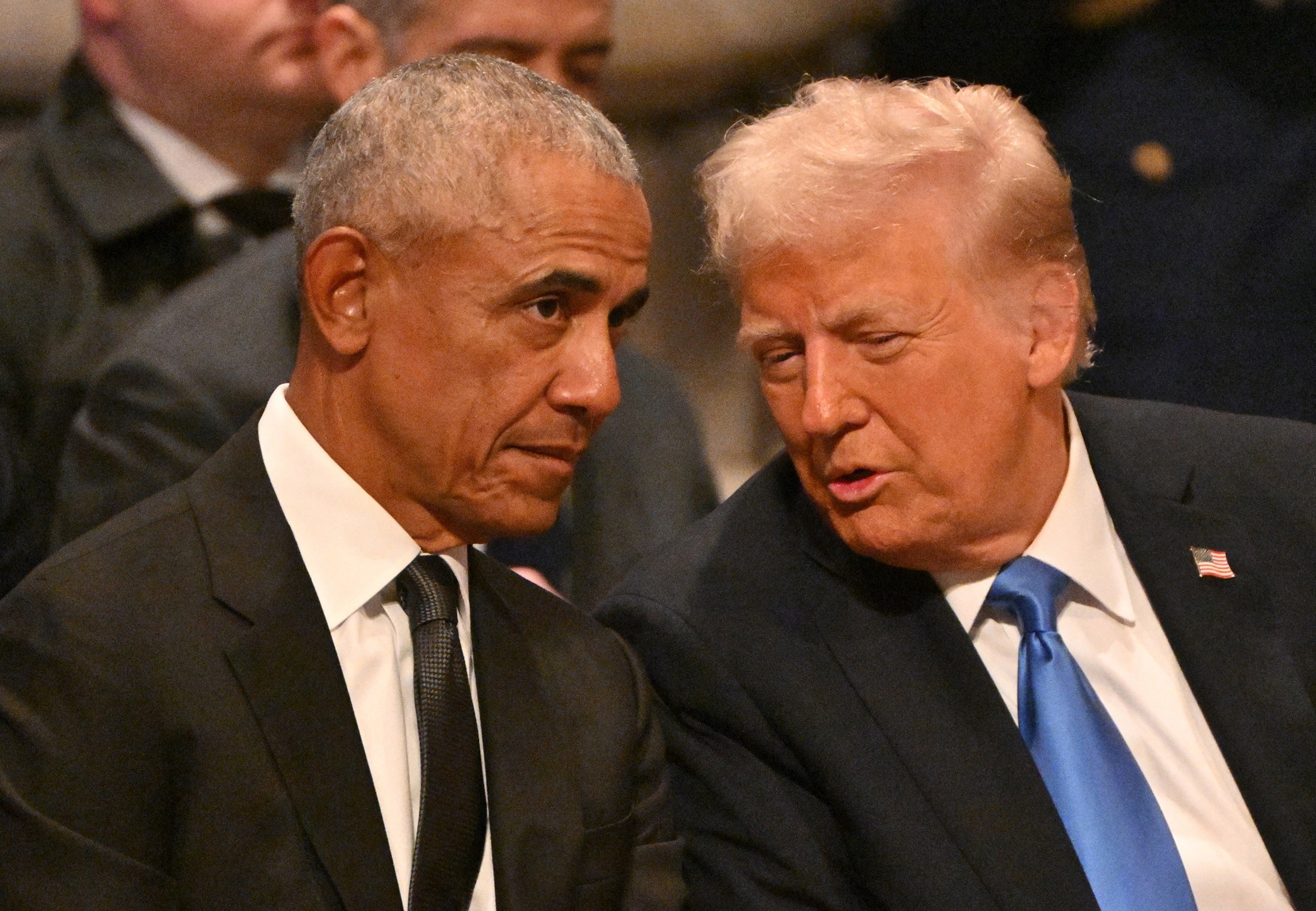 TRUMP CONCEDES TO MIDTERM BLUE WAVE
-
 MAN UTD'S RATCLIFFE SACKS MANAGER AS CARRICK'S FUTURE IN LIMBO
-
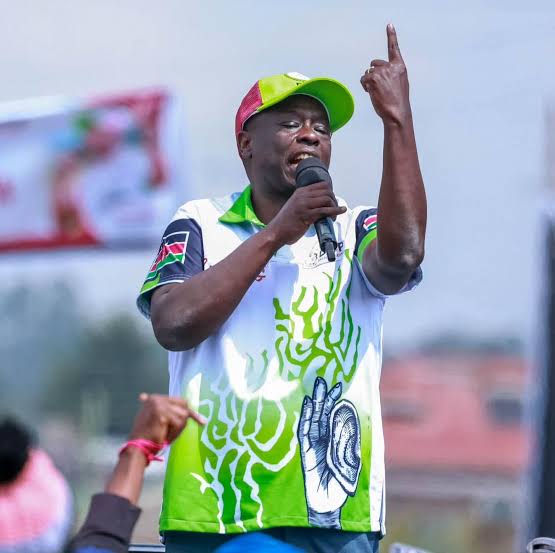 GACHAGUA ROARS 'DON'T LECTURE ME!' AT 'LAZY' MUTURI, MATIANG'I
-
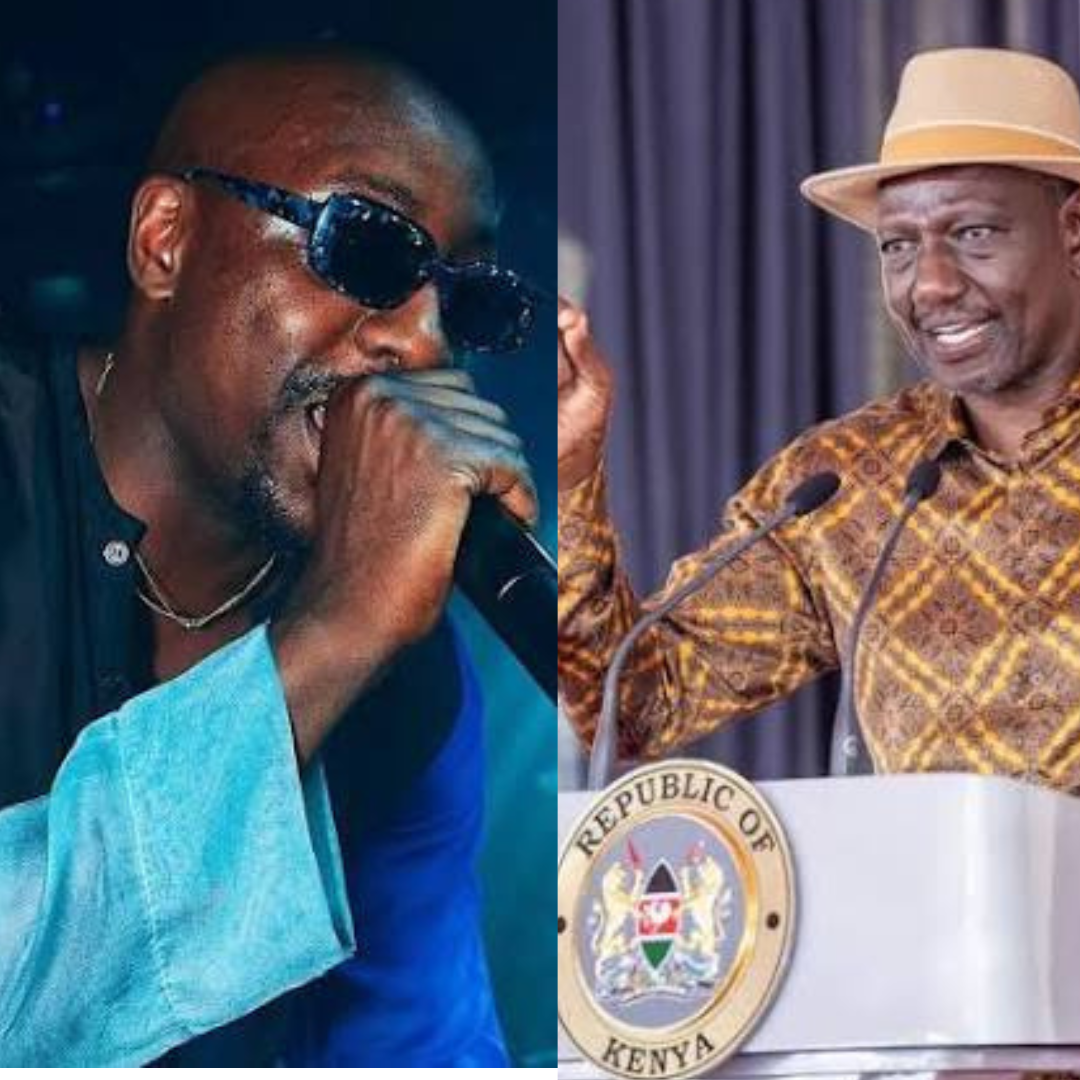 BIEN FAULTS RUTO'S PRIORITIES OVER BAYERN SHOWCASE
-
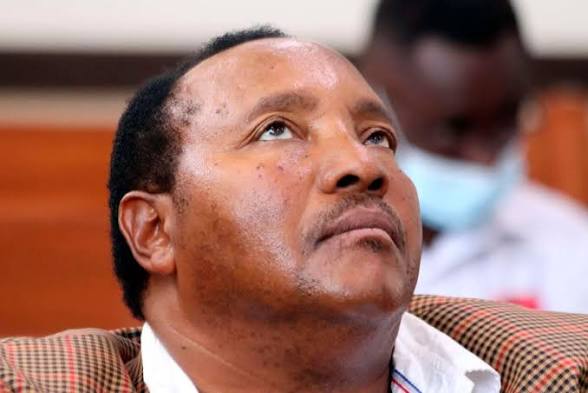 WAITITU HANDED 13-YEAR JAIL TERM
-
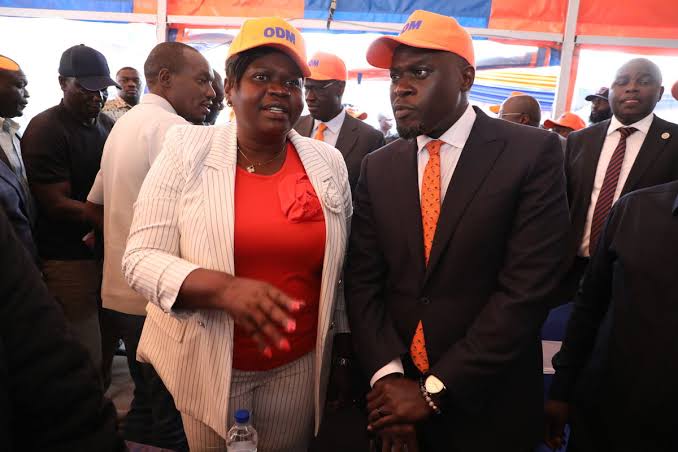 SAKAJA DUMPS UDA FOR ODM
-
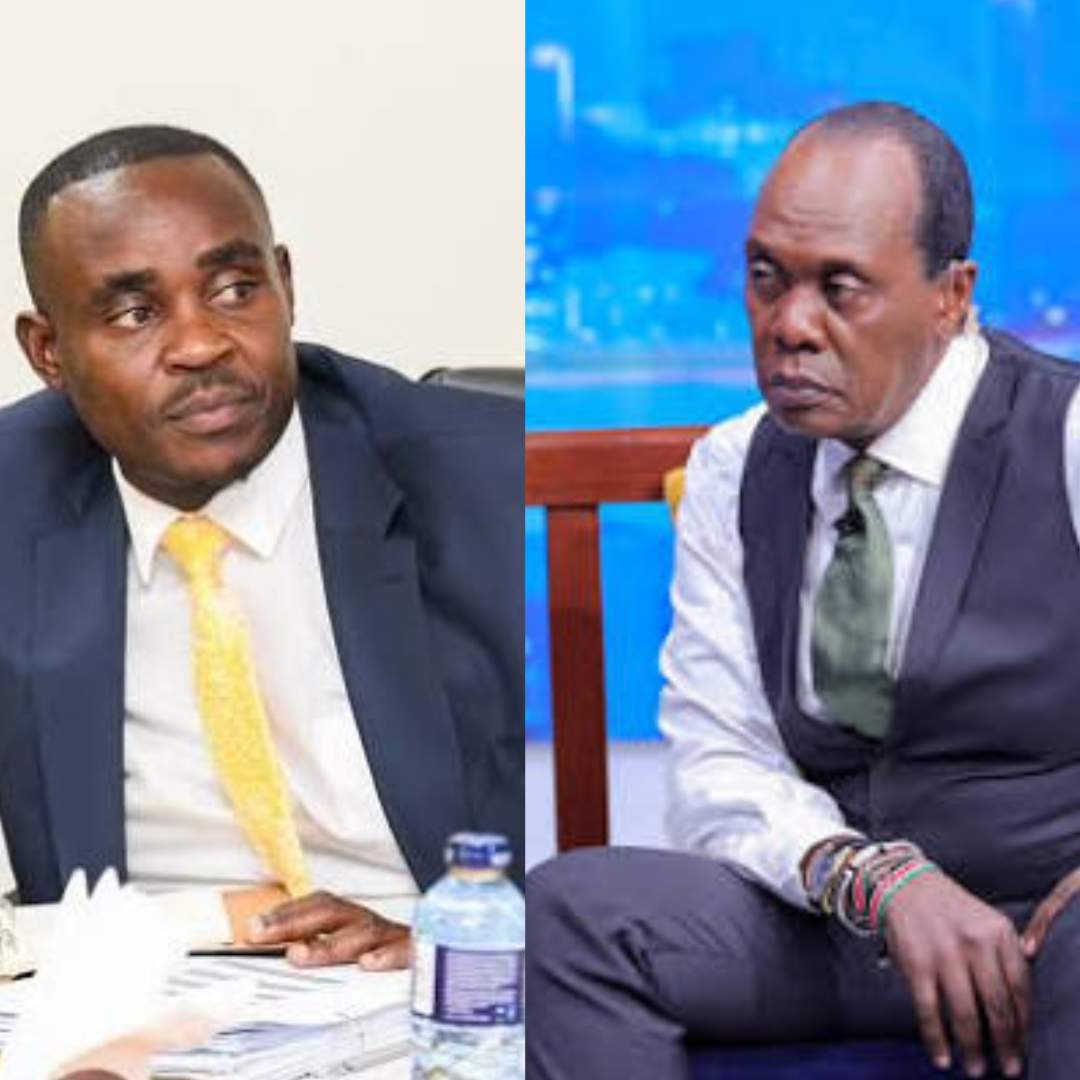 MALALA, JEFF TRADE PERSONAL JABS IN LIVE TV CLASH
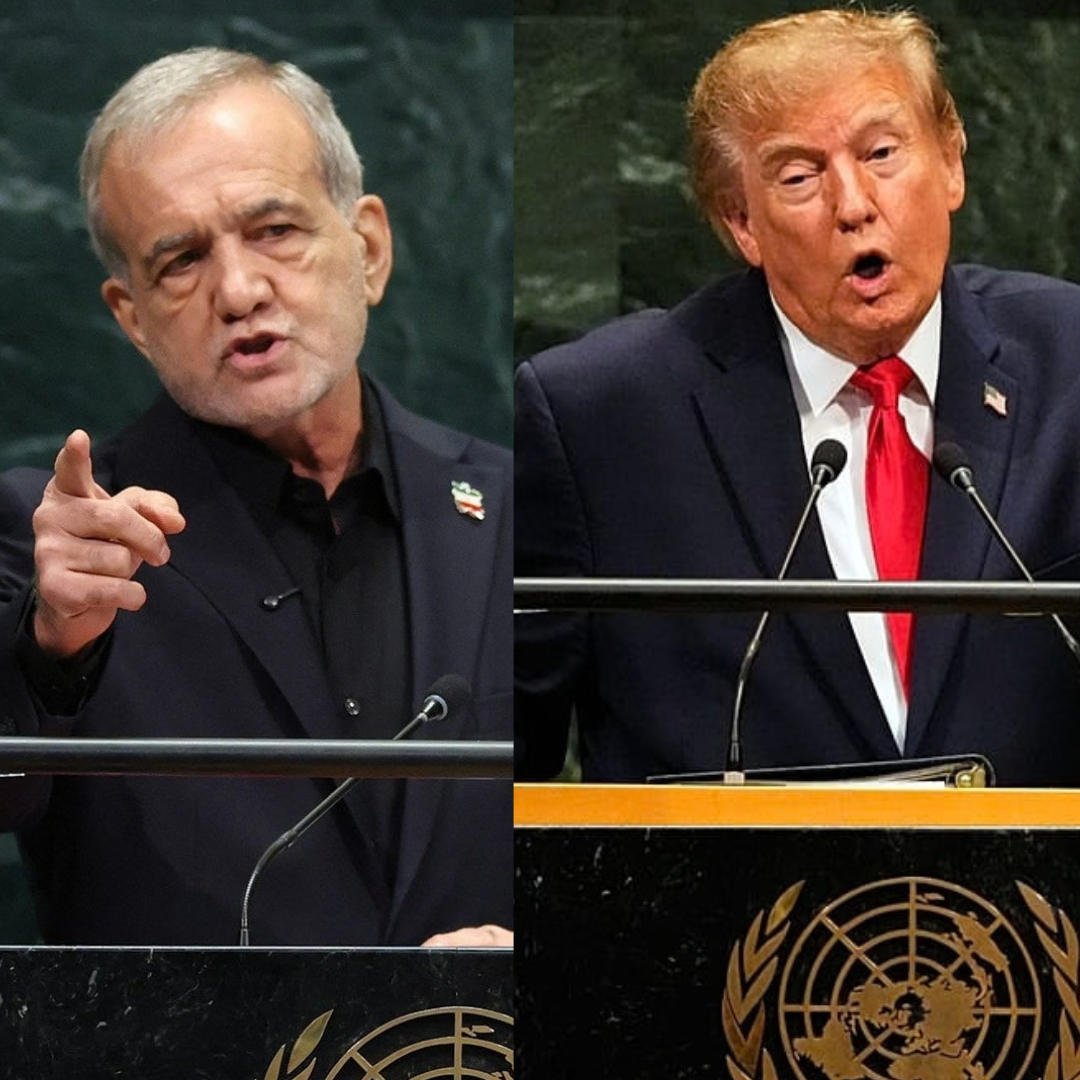
TRUMP CONCEDES TO MIDTERM BLUE WAVE
President Donald Trump has suffered one of the most significant political setbacks of his second term after American voters handed Democrats control of both chambers of Congress in a sweeping midterm election victory that threatens to derail his legislative agenda.
The November 3 elections delivered a decisive blow to the Republican Party, with Democrats making historic gains in traditionally conservative strongholds and turning the contest into a widespread rejection of Trump's leadership, economic policies and handling of the war in Iran.
With results still coming in on Wednesday, November 4, the Associated Press had called 228 seats for Democrats against 139 for Republicans in the 435-member House of Representatives, giving the opposition party the 218 seats required to secure a majority.
Democrats also reclaimed control of the Senate, securing 54 seats against the Republicans' 44, with some races still awaiting final declarations. The party gained seven seats in the upper chamber, ending Republican control of Congress and setting the stage for a dramatically different political environment when the new session begins in January 2027.
The outcome represents a major turnaround for Democrats, who had entered the election as the minority party in both chambers.
Several Republican strongholds witnessed unexpected Democratic victories, with Texas, Kansas, South Carolina, North Carolina, Iowa and Maine among the states that shifted political allegiance.
In Texas, James Talarico defeated Republican Ken Paxton to become the state's first Democratic senator in more than three decades, while Gina Hinojosa defeated incumbent Greg Abbott in the gubernatorial race, ending years of Republican dominance in statewide contests.
Kansas also recorded a historic political shift after Democrat Adam Hamilton defeated Republican incumbent Roger Marshall, becoming the first Democrat elected to the Senate from the state since 1932.
South Carolina delivered another major upset as Annie Andrews defeated Republican Darline Graham, while former North Carolina governor Roy Cooper secured victory against Trump's preferred candidate, Michael Whatley.
In Maine, Democrat Troy Jackson unseated longtime Republican senator Susan Collins, ending her nearly three-decade stay in the Senate.
The election also produced several historic milestones across the country.
Georgia Democrat Keisha Lance Bottoms became the first Black woman elected governor in American history after defeating her Republican opponent. In Ohio, Amy Acton defeated Vivek Ramaswamy to become the first woman elected governor of the state.
Meanwhile, Abdul El-Sayed made history in Michigan as the country's first Muslim senator, while Minnesota's Peggy Flanagan became the first Native American woman elected to the US Senate.
New Mexico also elected Deb Haaland as its first Native American woman governor, while New Hampshire Democrat Chris Pappas became the first openly gay man elected to the Senate.
The sweeping victories have been attributed to growing dissatisfaction with the cost of living, rising fuel prices, Trump's controversial trade policies and his decision to launch military operations against Iran alongside Israel in February.
According to voter polling conducted by SSRS, 39 per cent of voters identified the economy as the most important issue facing the country, while 32 per cent pointed to the state of democracy.
Trump's decision to repeatedly associate himself with Republican candidates during the campaigns also turned the midterms into a direct assessment of his presidency.
At one point, the president urged supporters to "pretend I'm on the ballot", effectively placing his political standing at the centre of the contest.
However, the results exposed the limitations of that strategy, with several candidates backed by the president suffering defeats in states Republicans had comfortably controlled in previous elections.
In his reaction, Trump appeared to distance himself from the Republican losses, arguing that his absence from the ballot meant the outcome should not be interpreted as a personal rejection.
He nevertheless acknowledged the Democrats' performance, telling Fox News that they "did a good job", while describing himself as "a little bit surprised" by the scale of the defeat.
Trump also admitted that the war in Iran and rising petrol prices had contributed to the Republican Party's poor performance, although he maintained that his decision to launch the military campaign was justified.
"I am totally convinced that my decision on Iran, for the long-term good of our country and even the world, was absolutely correct," he said.
Despite the Democratic victory, the White House maintained a defiant tone, publishing an image of Trump seated behind the Resolute Desk on its official Instagram account accompanied by the caption: "PSA: TRUMP IS STILL YOUR PRESIDENT."
The president has also threatened to frustrate Democratic legislative efforts by adopting what he described as a "Mr. Veto" approach, raising the prospect of prolonged political confrontation during the remaining two years of his administration.
However, the most striking Republican reaction came from Vice-President JD Vance, who openly blamed the administration's war against Iran for the electoral defeat.
In a lengthy statement published on X, Vance argued that the unpopular military campaign had undermined Republican support and cost the party control of the Senate.
"The real reason we lost is obvious to almost everyone … The reason we lost is the war. The president himself said so last night," Vance said.
He further challenged supporters of the military operation to justify its political consequences, including the loss of the Senate majority.
"If you'd like to argue it was worth it, that losing the Senate for the next 6 years was worth it, then do so. Argue it was a worthwhile cost to pay. Agree or disagree, that's at least honest," he added.
Vance's remarks marked a notable departure from the administration's previous public defence of the military campaign and appeared to signal growing divisions within Republican ranks.
The election has also triggered uncertainty over the future of Republican leadership in Congress.
Outgoing House Speaker Mike Johnson announced that he would not seek the minority leadership position following his party's loss of control of the chamber.
Ohio Representative Jim Jordan and Republican Majority Leader Steve Scalise have emerged as possible contenders for the influential position as the party begins considering its next direction.
Meanwhile, Democratic leaders have welcomed the outcome as an opportunity to redirect government priorities towards domestic concerns.
House Democratic leader Hakeem Jeffries described the victory as a "red, white and blue moment", while Senate Democratic leader Chuck Schumer celebrated the opportunity to challenge policies that have defined Trump's second administration.
Former president Barack Obama also congratulated the victorious candidates, arguing that Americans had delivered a clear message about the kind of leadership they wanted.
In a statement shared on X, Obama said the American people wanted "a politics that brings people together rather than divides them, and leaders who offer concrete solutions to the challenges they face."
The Democratic majority is expected to use its newfound influence to challenge Trump's tariff policies, scrutinise the administration's handling of the Iran war, examine government spending and pursue investigations into members of his administration and family finances.
The party has also signalled intentions to restore healthcare subsidies and redirect more public resources towards domestic priorities, although implementing its legislative proposals could prove difficult in the face of presidential opposition.
Beyond Washington, the results have attracted considerable international attention, particularly among leaders who have had strained relations with Trump.
Polish Prime Minister Donald Tusk welcomed the outcome, declaring: "Today, democracy won in America."
South African President Cyril Ramaphosa similarly observed that "The people of America have spoken", expressing hope that the results would usher in a new chapter in relations between Washington and other countries.
Spanish Prime Minister Pedro Sánchez also celebrated the Democratic victories, arguing that American voters had rejected policies associated with division, climate denialism and economic inequality.
Norwegian Prime Minister Jonas Gahr Støre described the outcome as a powerful political signal reflecting a change in the direction of American public opinion.
Meanwhile, British Prime Minister Andy Burnham expressed hope that the results would create an opportunity for renewed international efforts to end the Iran war and address the rising cost of living.
The outcome has also drawn attention from international markets. Wall Street opened higher following the Democratic victory, with the Dow Jones rising by approximately two per cent, while the Nasdaq and S&P 500 each gained more than one per cent.
For Trump, the results present a significant challenge to the remainder of his presidency, with Democrats now positioned to exercise greater oversight over his administration and block major legislative proposals.
Although the president remains in office, the election has fundamentally altered the balance of power in Washington, ending two years of unified Republican control and giving Democrats an opportunity to challenge the direction of his second administration.
With the 2028 presidential race gradually coming into focus, the Republican Party now faces difficult questions about its leadership, political identity and continued association with Trump's policies.


Comments (0)
No comments yet. Be the first to comment!