

-
 RONALDO AND GEORGINA FLAUNT WEDDING RINGS
-
 DIAMOND’S FORMER DJ RESCUED FROM STREETS
-
 MUTURI REJECTS GACHAGUA’S ‘HYENA COALITION’
-
 YUNGE’S ALLEGED EX CRIES FOUL AFTER CHARLENE’S WEDDING
-
 GACHAGUA PROPOSES 'THE HYENA COALITION '
-
 MP KAGUCHIA PLEADS NOT GUILTY TO INCITEMENT CHARGE
-
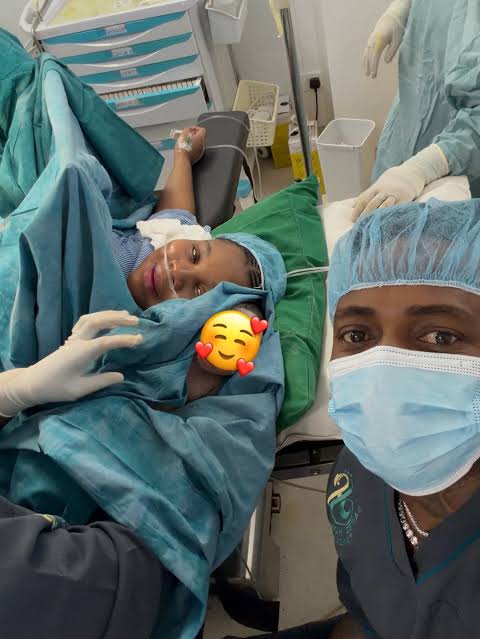 DIAMOND, ZUCHU WELCOME BABY GIRL
-
 KINDIKI IN TROUBLE ?
-
 KANG'ATA JOINS GACHAGUA'S DCP
TODAY IN HISTORY: DOLLY THE SHEEP BECOMES THE FIRST MAMMAL TO BE CLONED FROM AN ADULT CELL

Twenty eight years ago today no July 5 1996, Dolly the sheep became the first cloned mammal ever to be created from an adult cell. Affectionately named after country music legend Dolly Parton, Dolly caused excitement and controversy among both scientists and the public.
Dolly was a part of the Roslin Institute’s research into producing genetically modified farm animals or livestock. Its work was focused on introducing new genes into livestock so they display a new trait which can then be passed on to their offspring. Cloning was the next step in its research.
Dolly was the first mammal to be cloned from an adult cell. Before Dolly was born, this was thought to be impossible. Scientists believed that specialised adult cells, those that had a certain job (like a skin cell or a liver cell), only held the information to do that job. Dolly was grown from a single mammary cell which contained all the information to create a whole new sheep.
Dolly started her life as a single cell in a test tube. The nucleus was taken from a cell from the mammary gland of a Finn Dorset sheep and put into an empty egg cell from a Scottish Blackface Sheep. Once normal development was confirmed in a lab at six days, the embryo was transferred into a surrogate mother. Dolly was born on 5 July 1996.
Dolly's birth was not without controversy. Ethicists grappled with the moral implications of creating life in such a manner, raising concerns about human cloning and the very definition of individuality. Governments worldwide began to consider legislation to regulate or ban human reproductive cloning.
Regardless, Dolly remains an enduring symbol of scientific innovation and the complex ethical questions that often accompany groundbreaking discoveries. Her birth on this day, July 5th, twenty-eight years ago, irrevocably altered the landscape of biology and continues to resonate in discussions about genetics, bioethics, and the very future of life.



Comments (0)
No comments yet. Be the first to comment!