

-
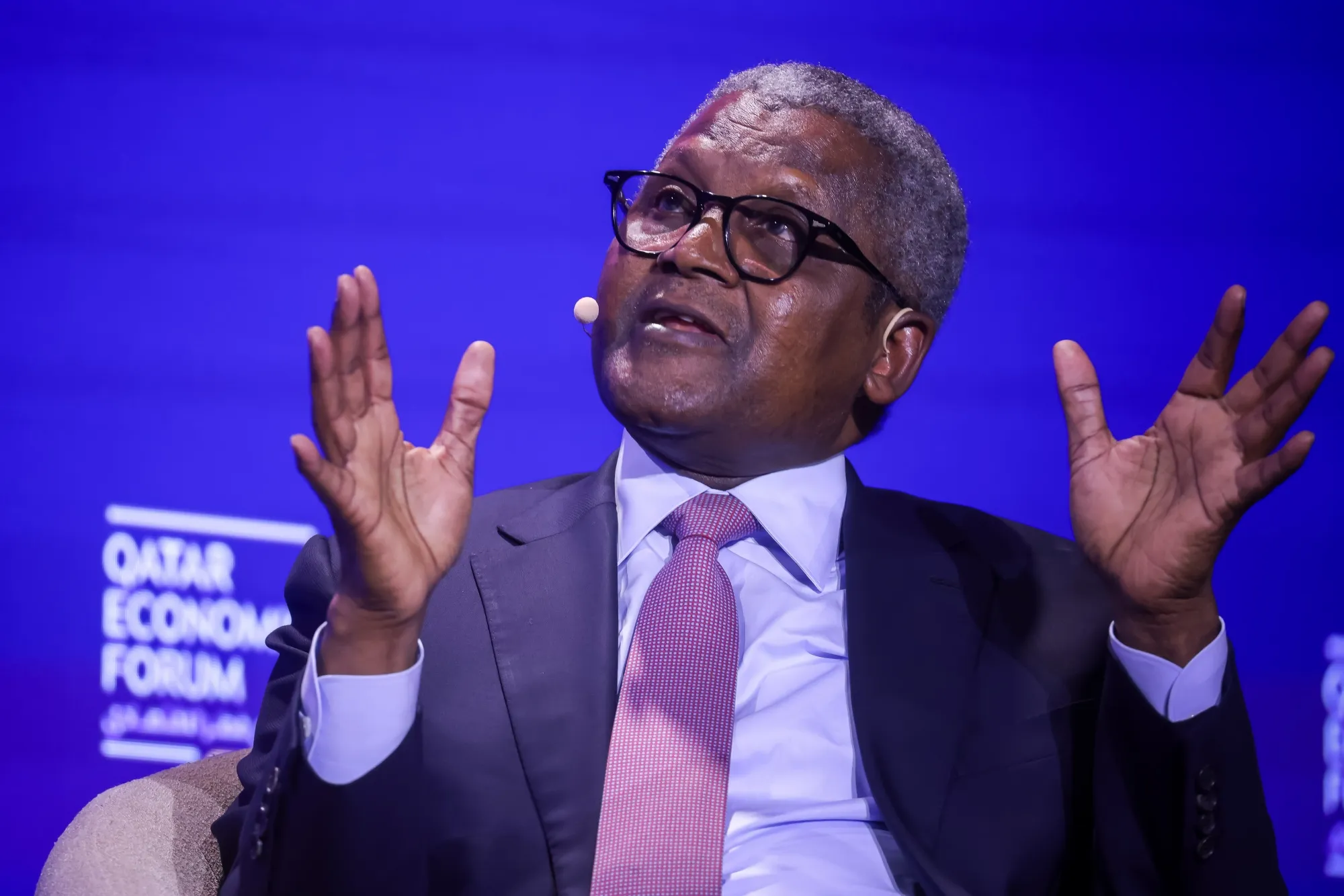 DANGOTE SHRUGS OFF LAMU PROTESTS, BRACES FOR COURT BATTLE
-
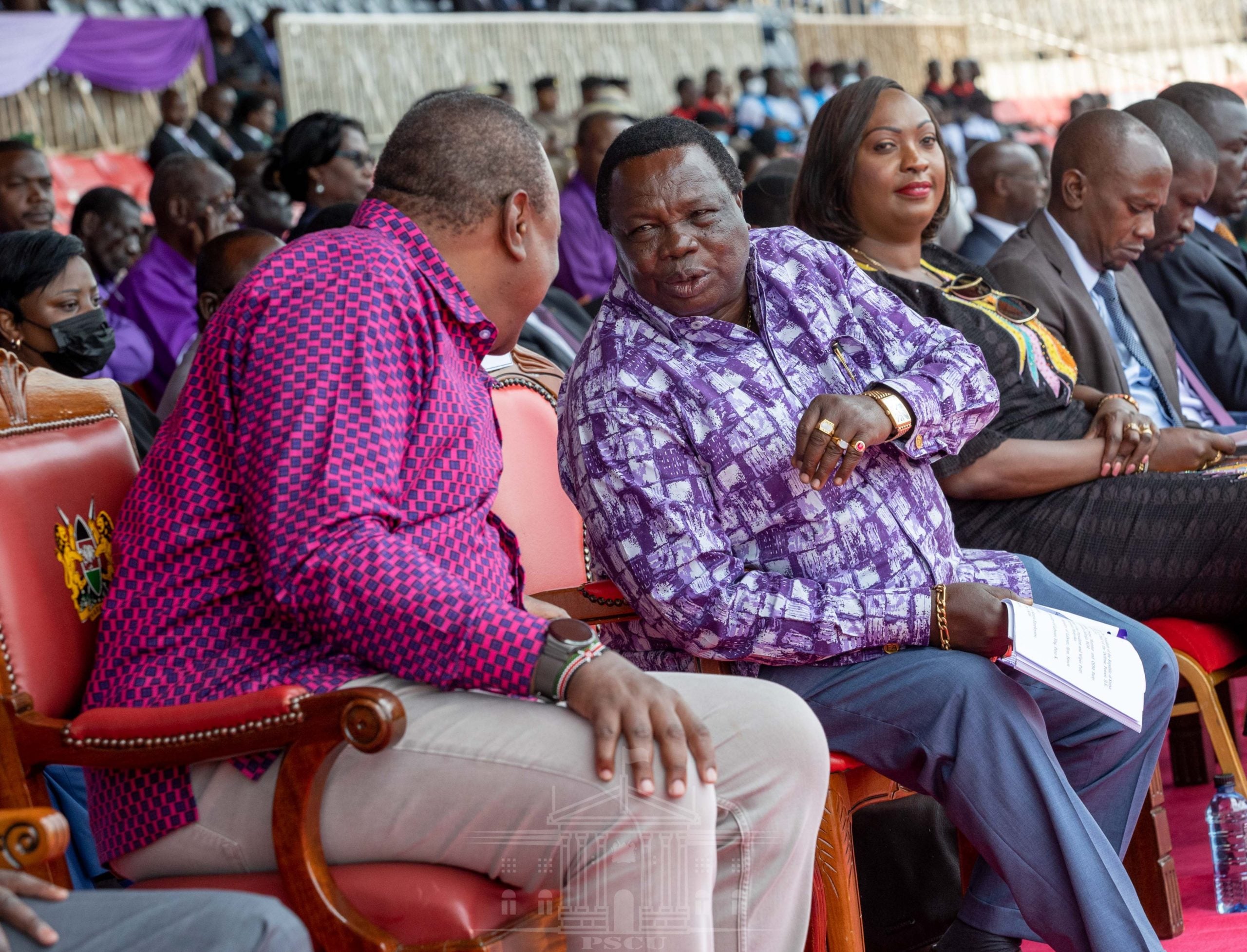 ATWOLI CALLS FOR UHURU'S ARREST OVER RAILA 2022 CLAIMS
-
 Karura race draws more than 1,000 runners ahead of Nairobi Marathon
-
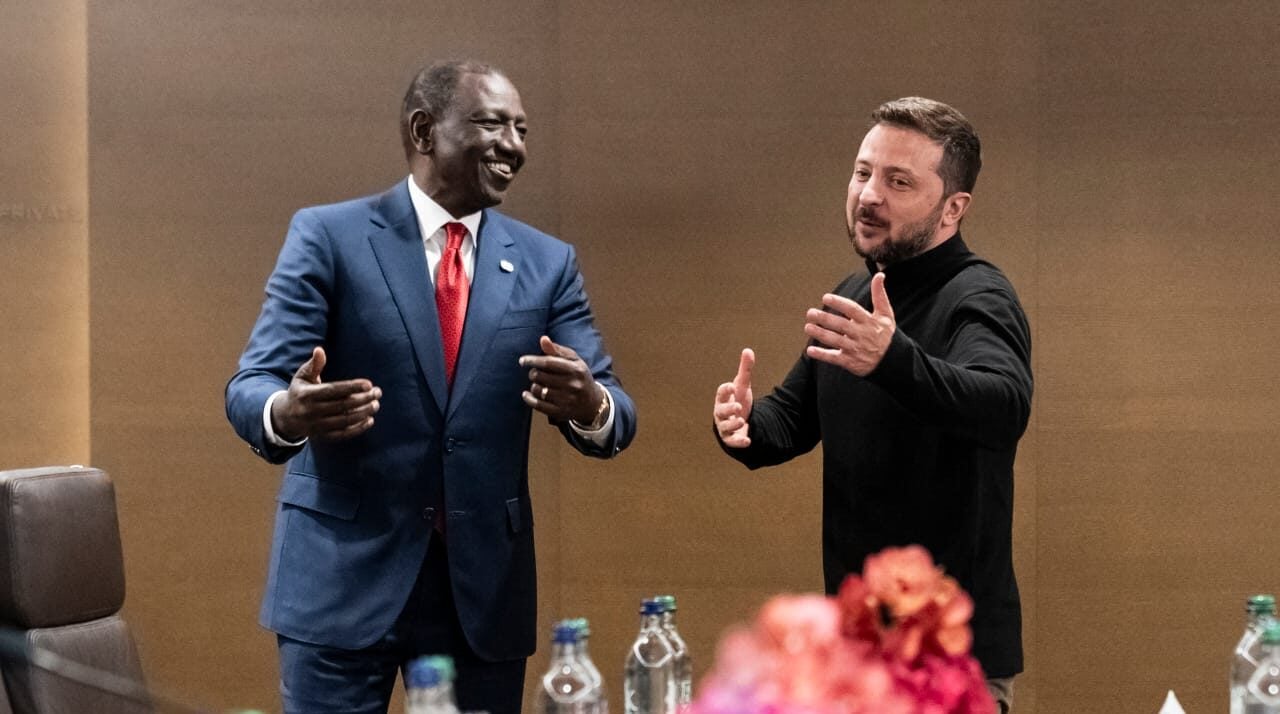 ZELENSKYY FLAGS KENYA TO UN OVER RUSSIA WAR RECRUITMENT
-
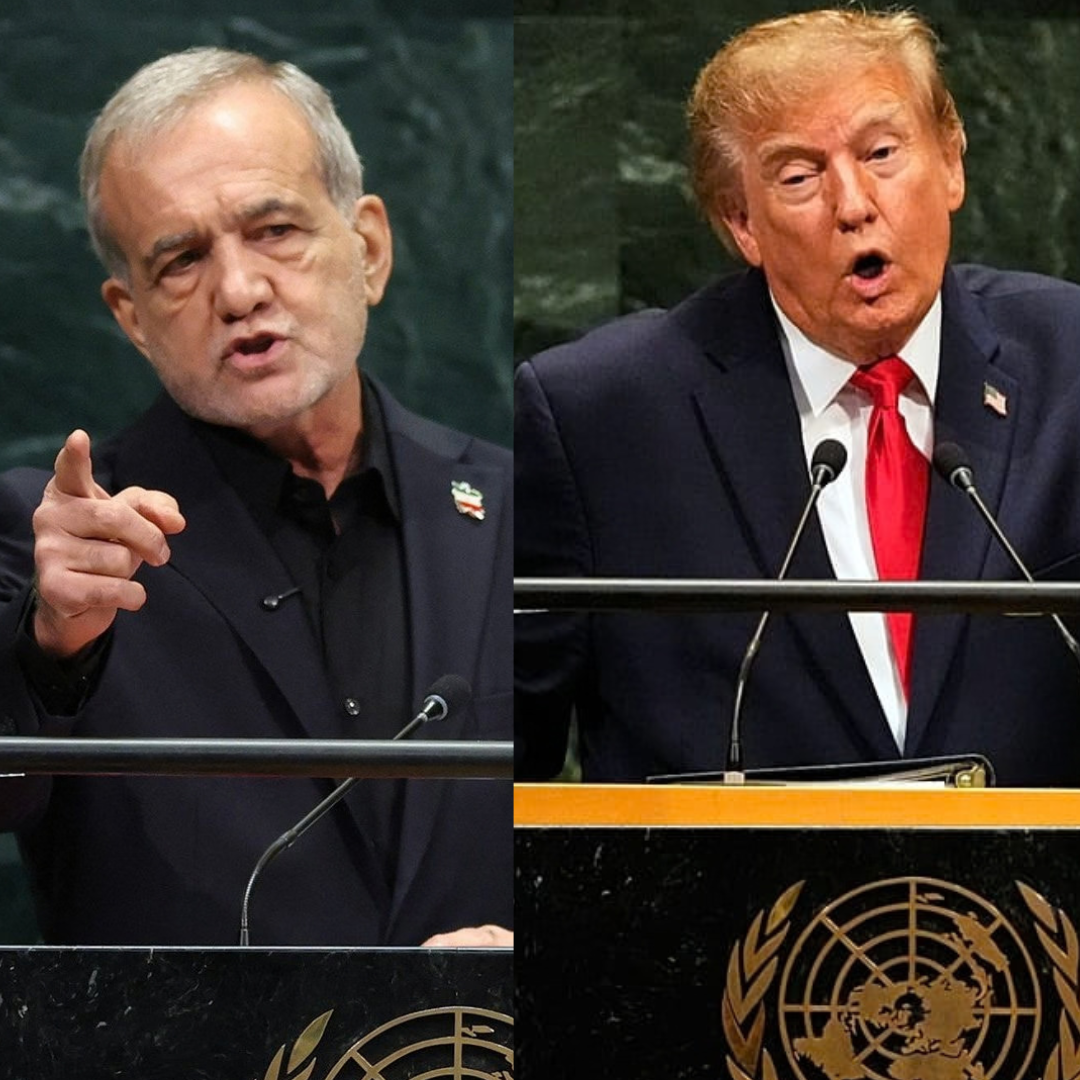 IRAN-US LOCK HORNS AT UNGA
-
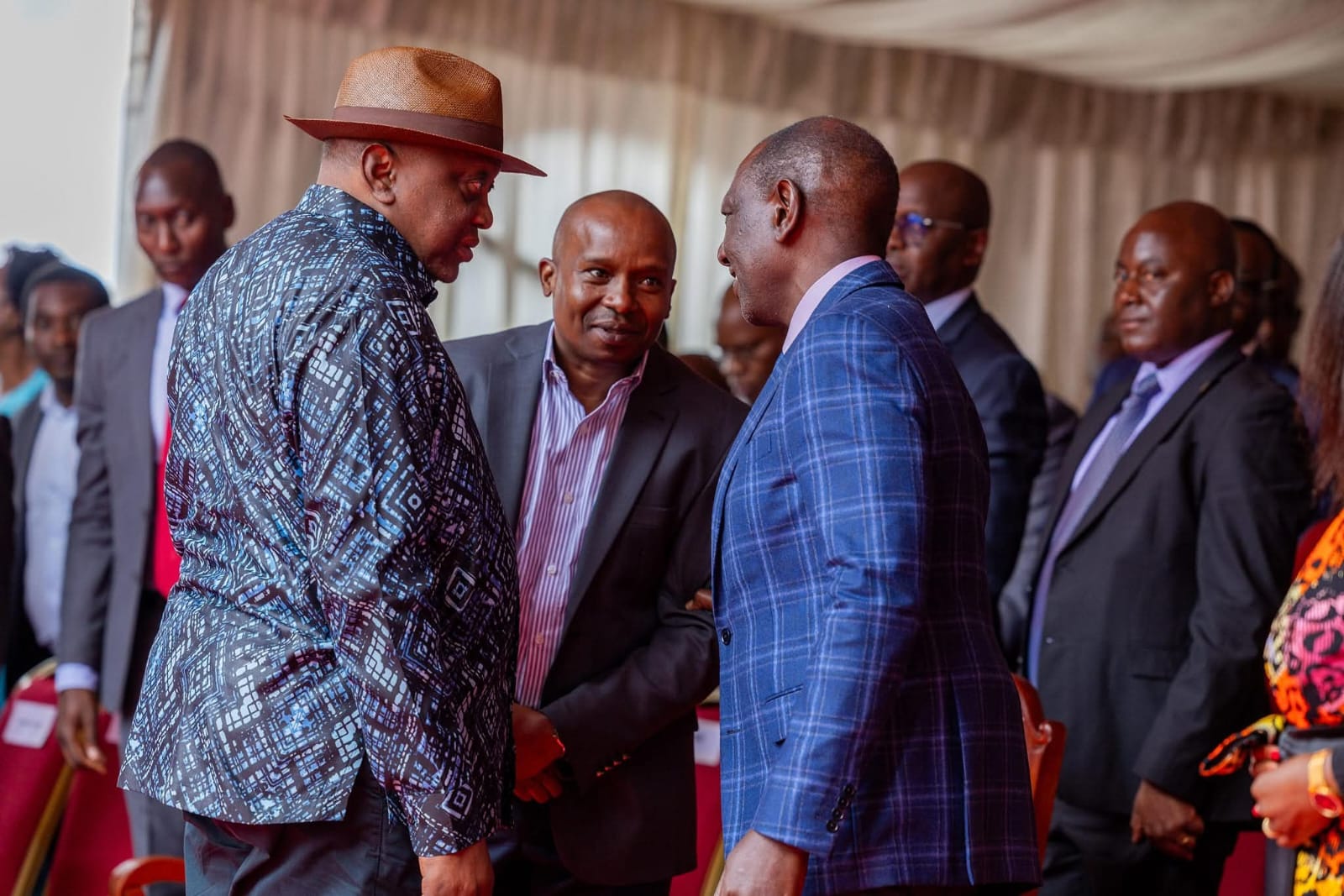 UHURU BACK ON 2027 POLITICAL FRONTLINE AFTER COURT RULING
-
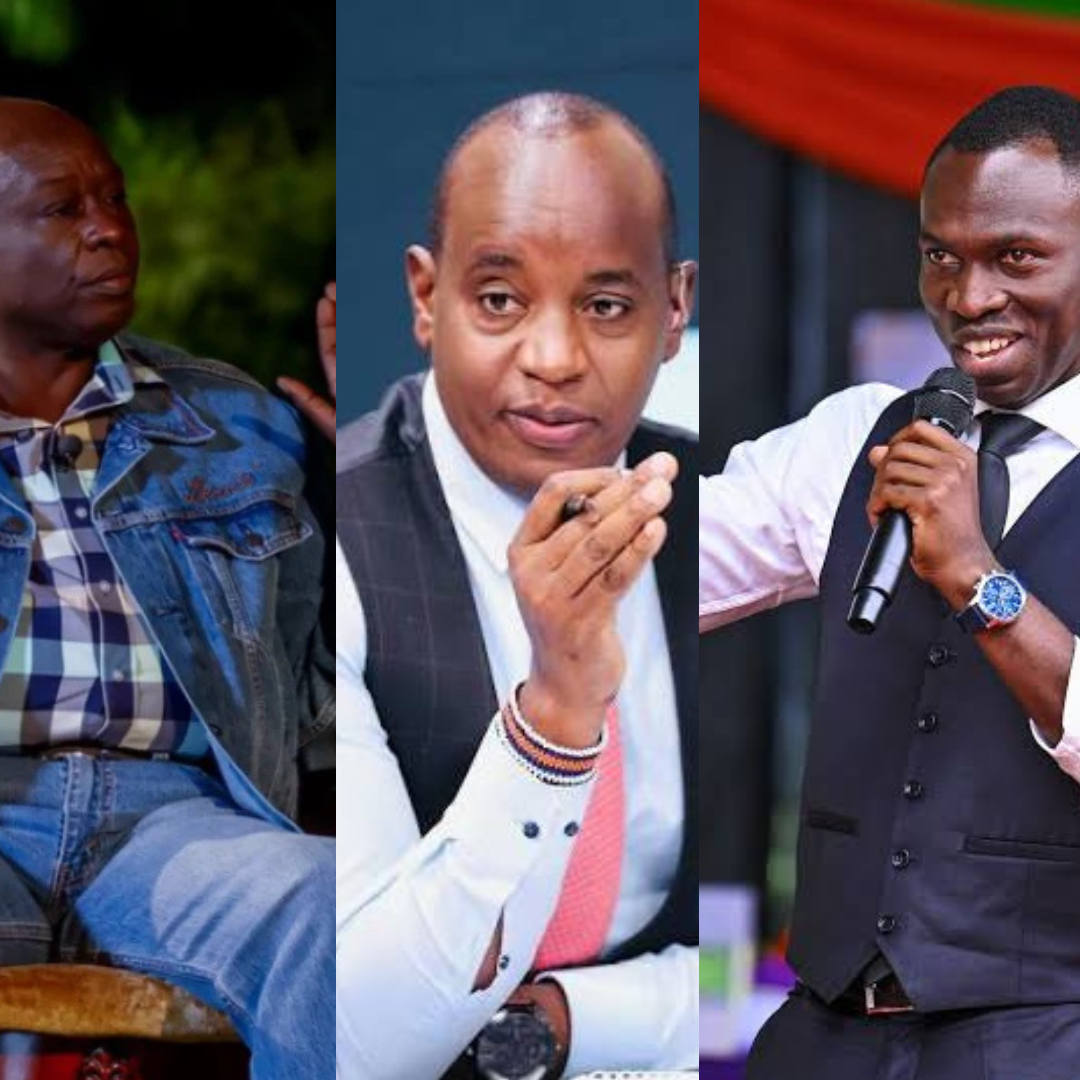 KAIKAI DISPUTES OMBIJA’S CLAIM GACHAGUA SOUGHT HIS SACKING
-
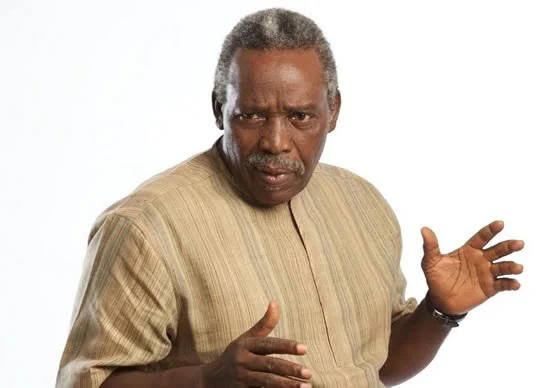 NOLLYWOOD ICON OLU JACOB DIES AT 84
-
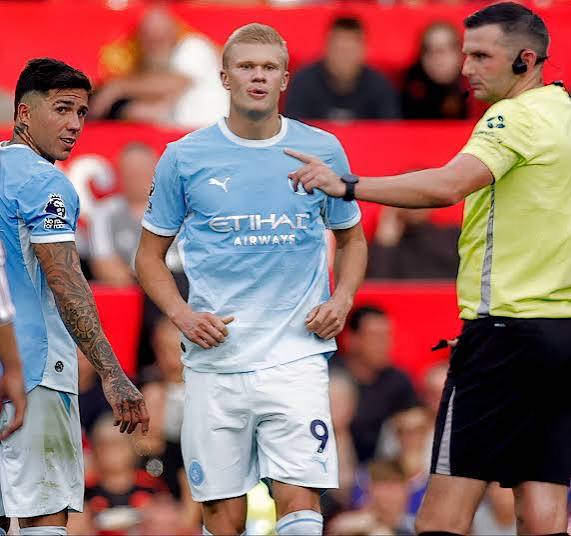 VAR OFFICIALS PUNISHED FOR HAALAND'S CONTROVERSIAL GOAL
Unstable and Unpredictable Peace Process for DR Congo

Born in 2012 out of a mutiny against the Congolese army by former rebel fighters, the M23 armed group has once again taken up arms against the DRC after years of inactivity.
The DRC accuses Rwanda of using the M23 as a tool to pillage the Congolese east's fertile farmland and rich mineral wealth.
Though Rwanda has never explicitly admitted to maintaining a presence on Congolese soil and denies offering the M23 military support, it argues that it faces a persistent security threat along its border with the DRC.
Following a lightning M23 offensive in recent months, the armed group has captured both region's capitals, Goma and Bukavu, and is setting up to govern for the long term.
To date, every diplomatic push hoping to put an end to the fighting has foundered.
In early February, leaders from the east and southern African blocs called for a ceasefire and urged for the merger of the two separate peace processes, one initiated by Angola and the other by Kenya.
On Monday, a ministerial meeting of the Southern African Development Community and the East African Community adopted a roadmap for direct talks between the belligerents within 30 days, calling for all sides to halt any advances on the ground.
On Tuesday, the first direct negotiations between the M23 and the Congolese authorities since 2021 collapsed at the last minute, as the armed group said it would not travel to Angola for the talks.
Comments (0)
No comments yet. Be the first to comment!