

-
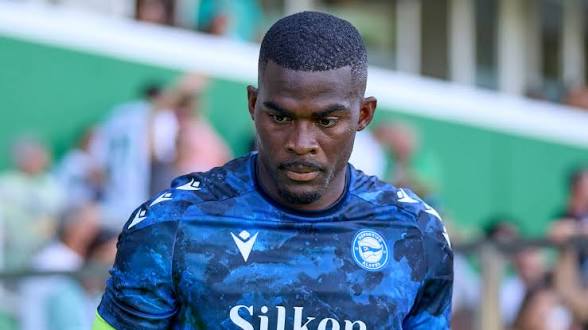 OWONO FACES MAXIMUM BAN AFTER DE MIGUEL'S DEATH
-
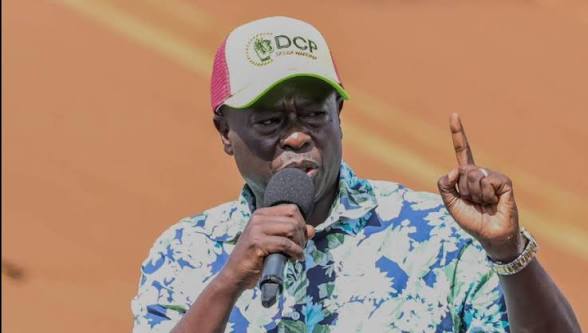 NIS BEHIND FAKE POLLS, GACHAGUA CLAIMS
-
 DON'T DRAG MY NAME FOR CLOUT, JALANG'O WARNS BAHATI
-
 JUMWA REJOINS UDA, SPARKS SPY SPECULATIONS
-
 RUTO, SIFUNA DRAW IN 2027 PRESIDENTIAL POLL
-
 CARRICK PAYS PRICE FOR UNITED CRISIS
-
 MARIGA CHALLENGES FKF OUSTER, VOWS TO FIGHT ON
-
 DANCEHALL ROCKS KANYARI'S CHURCH
-
 GACHAGUA DISMISSES RUTO'S GUSII TOUR AS POLITICAL STUNT
WARNER BROS. DISCOVERY TO SPLIT INTO TWO COMPANIES, REVERSING 2022 MERGER

Media giant Warner Bros. Discovery has announced a major shake-up, revealing plans to split into two independent publicly traded companies, effectively undoing its high-profile merger completed less than four years ago.
In a statement released Monday July 28, 2025, the company confirmed it will divide into Warner Bros., which will house its film and television studios, streaming platforms such as HBO Max and Discovery+, and popular entertainment brands including DC and WB Games; and Discovery Global, which will manage the company’s traditional cable TV networks like CNN, TNT Sports, and Discovery Channel, as well as international channels broadcasting in over 200 countries.
The decision follows mounting financial pressure and shifting market dynamics that have strained the company since the 2022 merger between WarnerMedia and Discovery Inc. The merged entity struggled with a debt load exceeding $30 billion and underwhelming performance from its streaming services in a saturated market.
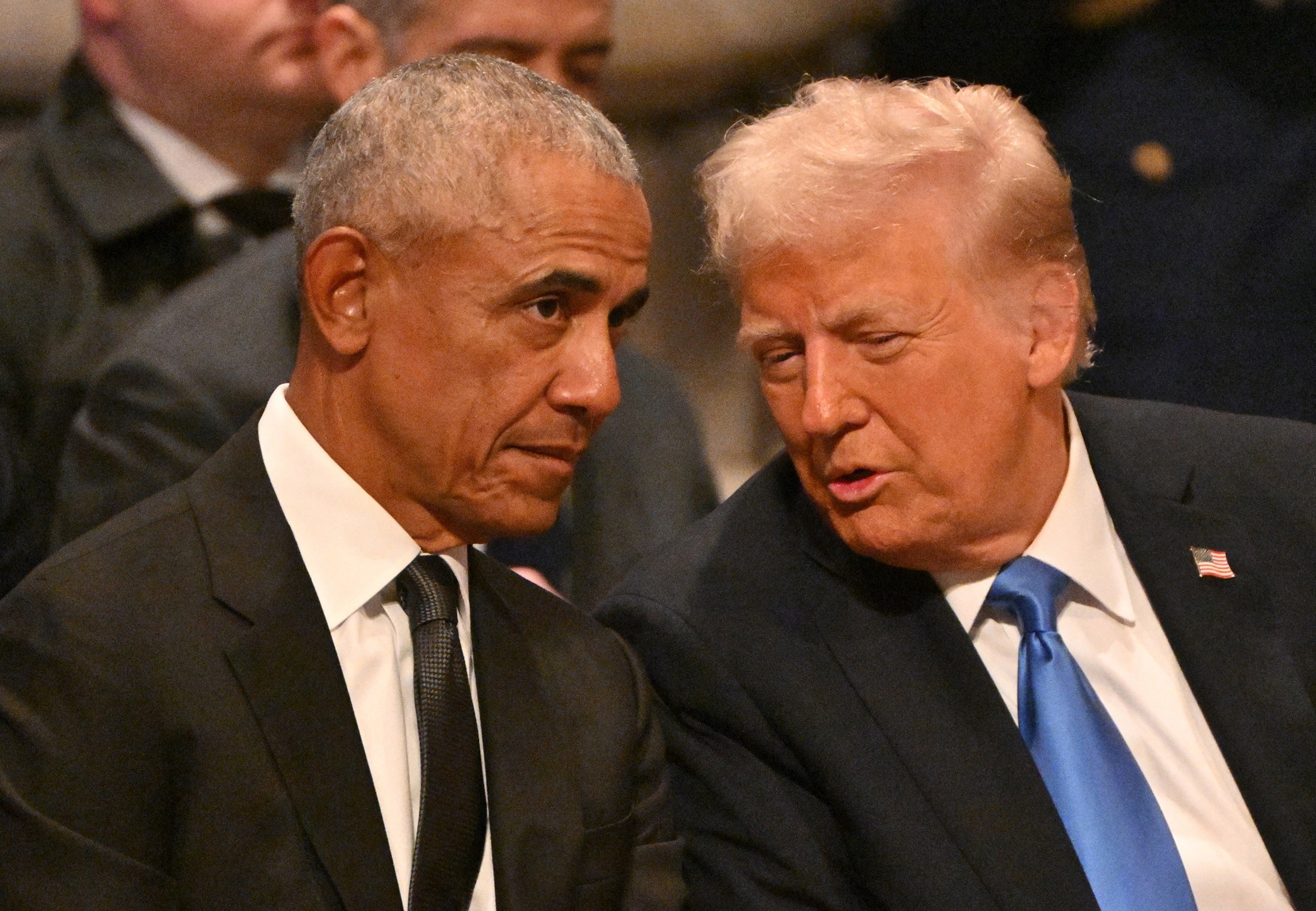
David Zaslav, the current CEO of Warner Bros. Discovery, will continue as CEO of the new Warner Bros. entity, while Gunnar Wiedenfels, currently the company's Chief Financial Officer, has been appointed CEO of Discovery Global.
“Splitting into two focused companies will allow each to better serve its audiences, innovate within its core business, and create long-term value for shareholders,” Zaslav said in a press briefing.
The separation is expected to be completed by mid-2026, pending regulatory approvals. The transaction will be structured to be tax-free for shareholders, according to the company.
Under the restructuring, Discovery Global will retain up to a 20 percent stake in Warner Bros., with plans to use those earnings to reduce its own debt.
This move marks one of the most dramatic reversals in recent media history and reflects broader industry trends, as legacy media firms grapple with the dual challenges of declining cable TV revenues and fierce competition in the streaming landscape.


Comments (0)
No comments yet. Be the first to comment!