

-
 CR7 ERA HANGS IN BALANCE AS RONALDO LEAVES PORTUGAL IN UNCERTAINTY
-
 CHIVAYO DIES IN HELICOPTER CRASH
-
 DANGOTE SHRUGS OFF LAMU PROTESTS, BRACES FOR COURT BATTLE
-
 ATWOLI CALLS FOR UHURU'S ARREST OVER RAILA 2022 CLAIMS
-
 Karura race draws more than 1,000 runners ahead of Nairobi Marathon
-
 ZELENSKYY FLAGS KENYA TO UN OVER RUSSIA WAR RECRUITMENT
-
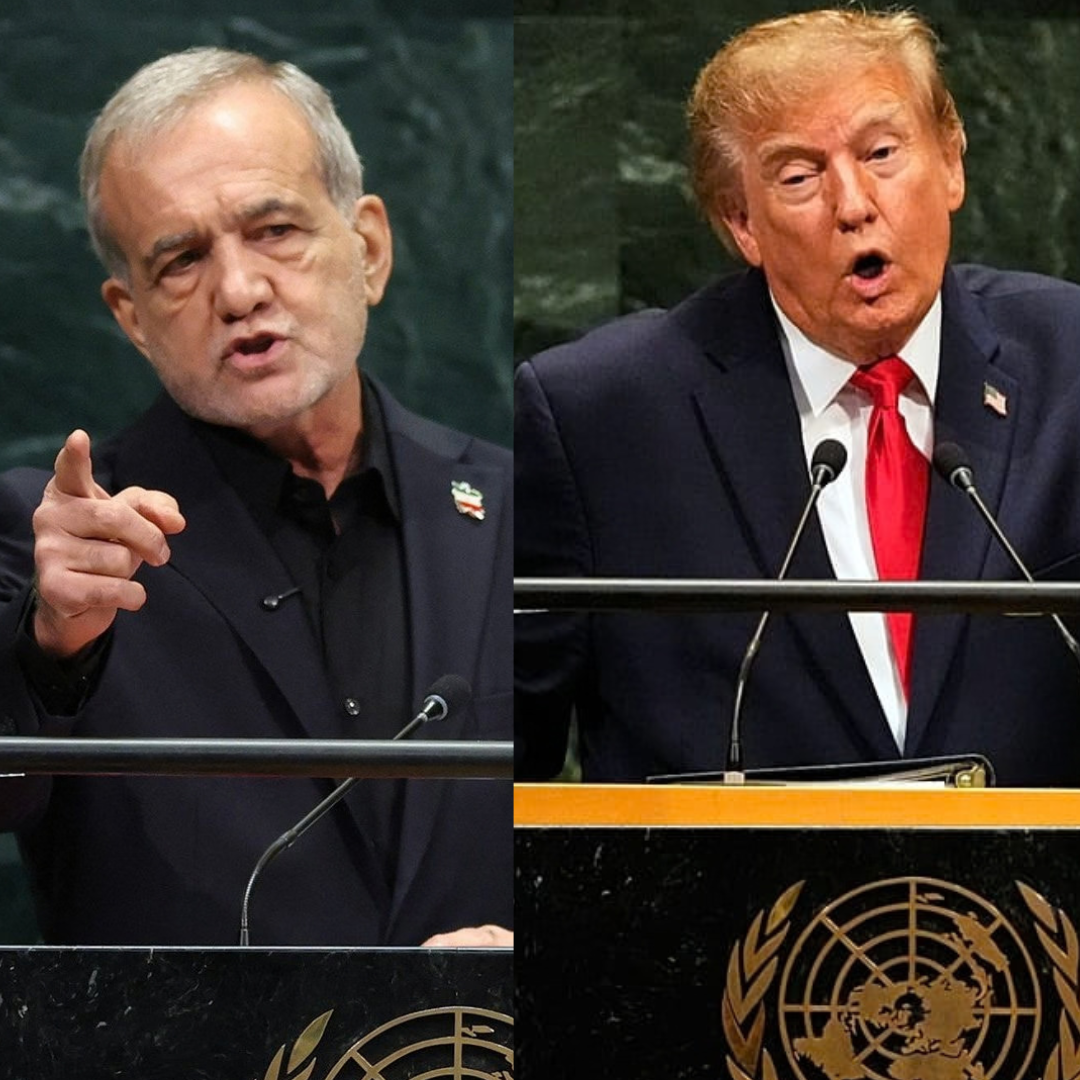 IRAN-US LOCK HORNS AT UNGA
-
 UHURU BACK ON 2027 POLITICAL FRONTLINE AFTER COURT RULING
-
 KAIKAI DISPUTES OMBIJA’S CLAIM GACHAGUA SOUGHT HIS SACKING
PRESSURED GOVERNMENT BLAMES IRAN WAR OVER FUEL PRICE HIKE

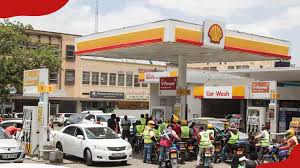
The government has moved to defend the latest spike in fuel prices by blaming the ongoing Iran-linked conflict in the Middle East and instability around global oil supply routes, even as pressure mounts from Kenyans angered by the rising cost of living.
Speaking on Friday, 15, Energy and Petroleum Cabinet Secretary Opiyo Wandayi said the latest review of petroleum prices was influenced by sustained volatility in the international oil market caused by geopolitical tensions in the Middle East.
He attributed the shocker to virtue of Kenya being a net importer of petroleum products. Wandayi said the conflict had disrupted global energy markets, pushing up crude oil prices, freight charges, insurance premiums and supply chain costs across the world.
The ministry noted that the average landed cost of imported Super Petrol rose from USD 823.27 per cubic metre in March 2026 to USD 906.23 in April 2026, marking a 10 per cent increase. Diesel recorded the steepest jump, rising by 20.32 per cent from USD 1,073.82 to USD 1,291.98 per cubic metre, while kerosene increased marginally from USD 1,311.93 to USD 1,332.73 per cubic metre.
Under the latest review by the Energy and Petroleum Regulatory Authority, motorists in Nairobi will now pay Sh214.25 per litre of petrol and Sh242.92 for diesel, while kerosene remains unchanged at Sh152.78 for the next 30 days.
Despite the adjustments - due to the prevailing condition - the government has maintained kerosene prices at current levels through targeted interventions aimed at protecting low-income households that still depend on the fuel for cooking and lighting.
To cushion consumers from the full impact of the increases, the government said it had used approximately Sh5 billion from the Petroleum Development Levy stabilisation mechanism to subsidise diesel and kerosene prices as part of the current review cycle.
Wandayi further defended the Government-to-Government fuel importation framework, saying the arrangement had helped shield Kenya from even steeper costs associated with global freight and premium charges.
“The Government remains steadfast in its commitment to delivering reliable, accessible and affordable energy in support of economic growth, job creation and improved livelihoods for all Kenyans,” the statement said.
The latest increase has nevertheless intensified criticism from leaders, transport operators and civil society groups, who argue that the soaring fuel costs are being worsened by local taxes, levies and policy failures rather than global factors alone.
Law Society of Kenya boss, Charles Kanjama criticised the latest adjustments, warning that the steep rise in diesel prices would have far-reaching effects across the economy since diesel remains central to transport, agriculture, food distribution and commercial activity.
Kanjama said the increase would inevitably raise the cost of public transport and essential goods, worsening pressure on households and small businesses already struggling with high living costs.
He further argued that Article 201 of the constitution obligates the government to ensure public finance promotes a balance and equitable distribution of resources despite the global situation.
He also questioned what he termed as excessive reliance on petroleum taxation and levies without sufficient transparency, accountability and meaningful public participation.
At the same time, Kiharu MP Ndindi Nyoro launched a fresh attack on the government over the soaring fuel prices, dismissing claims that global market factors alone were responsible for the sharp increases.
Nyoro formally petitioned the Clerk of the National Assembly on May 15, 2026, proposing a raft of legislative and policy changes aimed at reducing pump prices by as much as Sh27 per litre.
The legislator accused the government of secretly borrowing Sh175 billion from commercial banks without parliamentary approval, alleging that the Road Maintenance Fuel Levy had been used as collateral, contributing directly to an estimated Sh9 increase per litre at the pump.
He further criticised the Government-to-Government fuel importation framework, branding it a “kiosk” benefiting politically connected individuals while ordinary Kenyans continue to shoulder rising fuel costs.
Nyoro also questioned why Kenya’s fuel prices remain significantly higher than those of neighbouring countries despite Kenya serving as a regional petroleum hub. According to the MP, petrol prices in Kenya currently range between Sh189 and Sh214 per litre, compared to about Sh142 in Tanzania and below Sh125 in Ethiopia.
As part of his proposed reforms, Nyoro called for the removal of the 8 per cent VAT on petroleum products, a reduction of the Road Maintenance Levy from Sh25 to Sh18 per litre, an additional Sh10 billion injection into the Fuel Stabilisation Fund and reductions in profit margins charged by oil distributors, wholesalers and retailers.
Based on his calculations, the MP argued that the measures could reduce the retail price of Super Petrol from Sh214.25 to about Sh187.38 per litre, while diesel could drop from Sh242.92 to roughly Sh189.16.
Nyoro warned that failure to urgently address local taxes and levies would trigger a severe inflationary ripple effect across transport, manufacturing, food production and other key sectors for the remainder of 2026.
He also vowed to push MPs to publicly declare whether they support or oppose the proposed relief measures in a move aimed at increasing accountability to Kenyans struggling with the rising cost of living.
The criticism comes as fresh questions emerge over the billions being spent to stabilise kerosene prices despite the fuel accounting for less than one per cent of Kenya’s total petroleum consumption.
According to data from the Kenya National Bureau of Statistics Economic Survey 2026, kerosene represented only 0.8 per cent of domestic petroleum demand in 2025, compared to diesel’s 42.3 per cent share and petrol’s nearly 29 per cent share.
Statistics further show that kerosene usage has steadily declined over the years, falling from 111,300 tonnes in 2021 to 44,100 tonnes in 2025.
Despite the criticism, President William Ruto has defended the subsidy programme, insisting the government remains committed to cushioning ordinary Kenyans from the rising cost of living.
“We have made sure that paraffin used by ordinary citizens does not increase, because we want to cushion the people of Kenya,” Ruto said during a rally in Kisii County in April.
Meanwhile, pressure continues to mount on the government after transport operators threatened a nationwide strike over the fuel hikes.
The Matatu Owners Association announced plans for a countrywide shutdown beginning Monday, warning that the rising cost of diesel had made operations unsustainable.
Association president Albert Karakacha said operators would also increase fares by 50 per cent, arguing that the industry could no longer absorb the soaring operational costs.
“On Monday, there will be strictly no movement of any vehicles; all the roads will be blocked until the government listens to our cry,” Karakacha stated.
The looming strike now raises fears of major disruption to commuting, cargo transport and business operations across the country as Kenyans brace for the ripple effects of the latest fuel price surge.

Comments (0)
No comments yet. Be the first to comment!