

-
 RONALDO AND GEORGINA FLAUNT WEDDING RINGS
-
 DIAMOND’S FORMER DJ RESCUED FROM STREETS
-
 MUTURI REJECTS GACHAGUA’S ‘HYENA COALITION’
-
 YUNGE’S ALLEGED EX CRIES FOUL AFTER CHARLENE’S WEDDING
-
 GACHAGUA PROPOSES 'THE HYENA COALITION '
-
 MP KAGUCHIA PLEADS NOT GUILTY TO INCITEMENT CHARGE
-
 DIAMOND, ZUCHU WELCOME BABY GIRL
-
 KINDIKI IN TROUBLE ?
-
 KANG'ATA JOINS GACHAGUA'S DCP
DID YOU KNOW THAT THE VAMPIRE DISEASE EXISTS ?

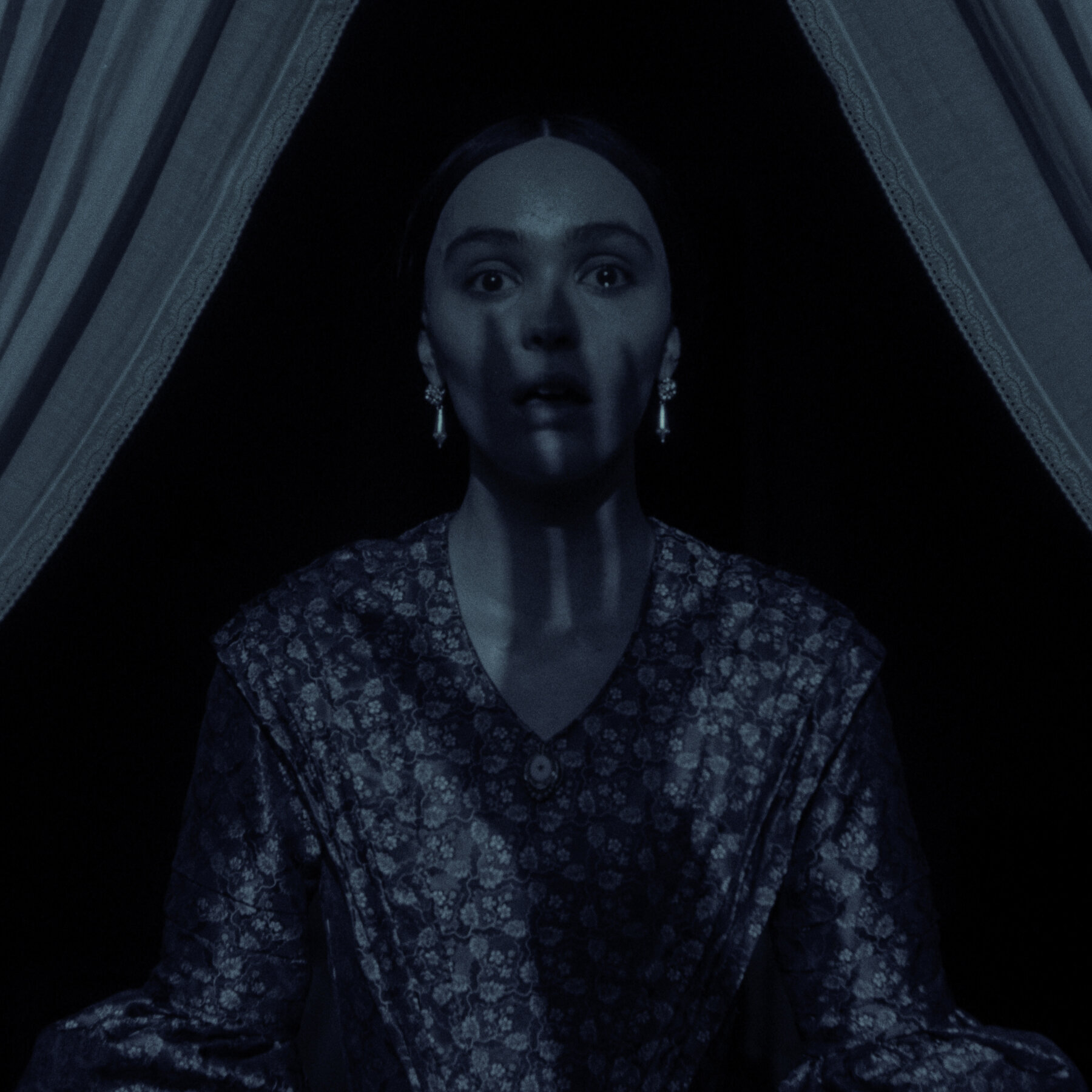
Tucked away in the annals of rare genetic disorders lies a condition so peculiar, so visually striking, that it has quietly fueled some of the darkest legends in human history — including the myth of vampires.
This disorder is called porphyria. And while few outside the medical world know of it, its symptoms are so dramatic they once convinced entire communities that the afflicted were creatures of the night.
Porphyria isn’t a single disease — it's the name for a group of rare inherited disorders caused by a buildup of natural chemicals called porphyrins, which are essential for the function of hemoglobin in red blood cells. But when the body’s process for making heme (the oxygen-carrying component of blood) breaks down, it can trigger a wide range of alarming symptoms.
In certain types — notably cutaneous porphyria — patients develop a severe sensitivity to sunlight, leading to blistered skin, swelling, and scarring. Their skin may darken. In some cases, the gums recede, exposing teeth in a way that eerily resembles the classic vampire imagery.
Historical observers in medieval Europe, with no access to modern science, saw this condition with fear and fascination. Unable to explain the sudden appearance of individuals who avoided sunlight, had pale, damaged skin, and red-tinged urine (another symptom), stories of the undead began to circulate.
A 1985 article in the British Medical Journal was among the first to seriously suggest that certain features of porphyria might have contributed to the vampire folklore. It proposed that without the science to understand what was happening, communities in earlier centuries may have misinterpreted the symptoms as supernatural afflictions.
To be clear: the medical community today views the vampire link as theoretical, not proven. But the condition itself is very real — and still very challenging.
According to the American Porphyria Foundation, symptoms can range from life-altering sun sensitivity to neurological issues such as abdominal pain, vomiting, and even hallucinations in acute cases. The rarity of the disease — affecting an estimated 1 in 25,000 people — adds to its mystery.
There is no known cure, but treatments include avoiding trigger substances (like alcohol or specific medications), sun protection, and heme infusions for severe cases.
For those living with porphyria today, the disease is no myth. Yet it continues to stir the imagination of scientists and storytellers alike, standing at a curious crossroads between biology and folklore.
“It’s one of those conditions where science and legend collide,” said a statement from the American Porphyria Foundation. “But behind the myth are real people whose struggles deserve awareness and understanding.”
What began centuries ago as whispered tales of the undead now finds its place in the pages of medical textbooks — no less strange, but far more human.


Comments (0)
No comments yet. Be the first to comment!