

-
 RONALDO AND GEORGINA FLAUNT WEDDING RINGS
-
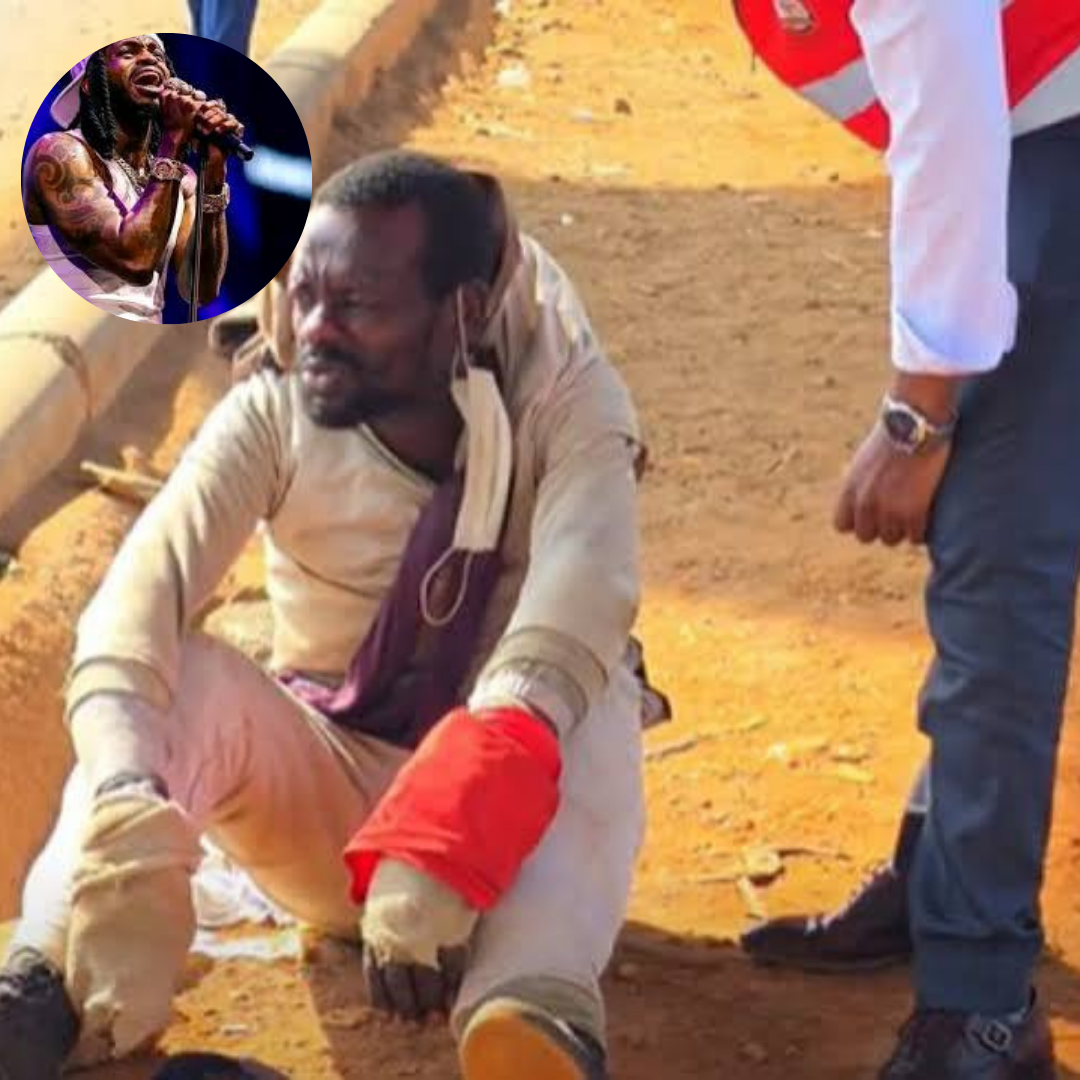 DIAMOND’S FORMER DJ RESCUED FROM STREETS
-
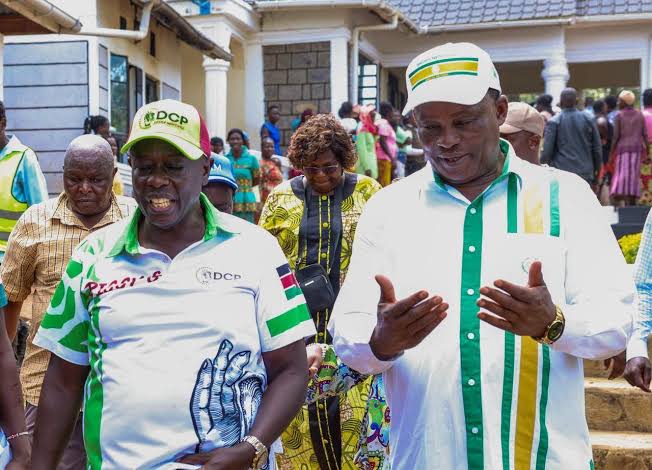 MUTURI REJECTS GACHAGUA’S ‘HYENA COALITION’
-
 YUNGE’S ALLEGED EX CRIES FOUL AFTER CHARLENE’S WEDDING
-
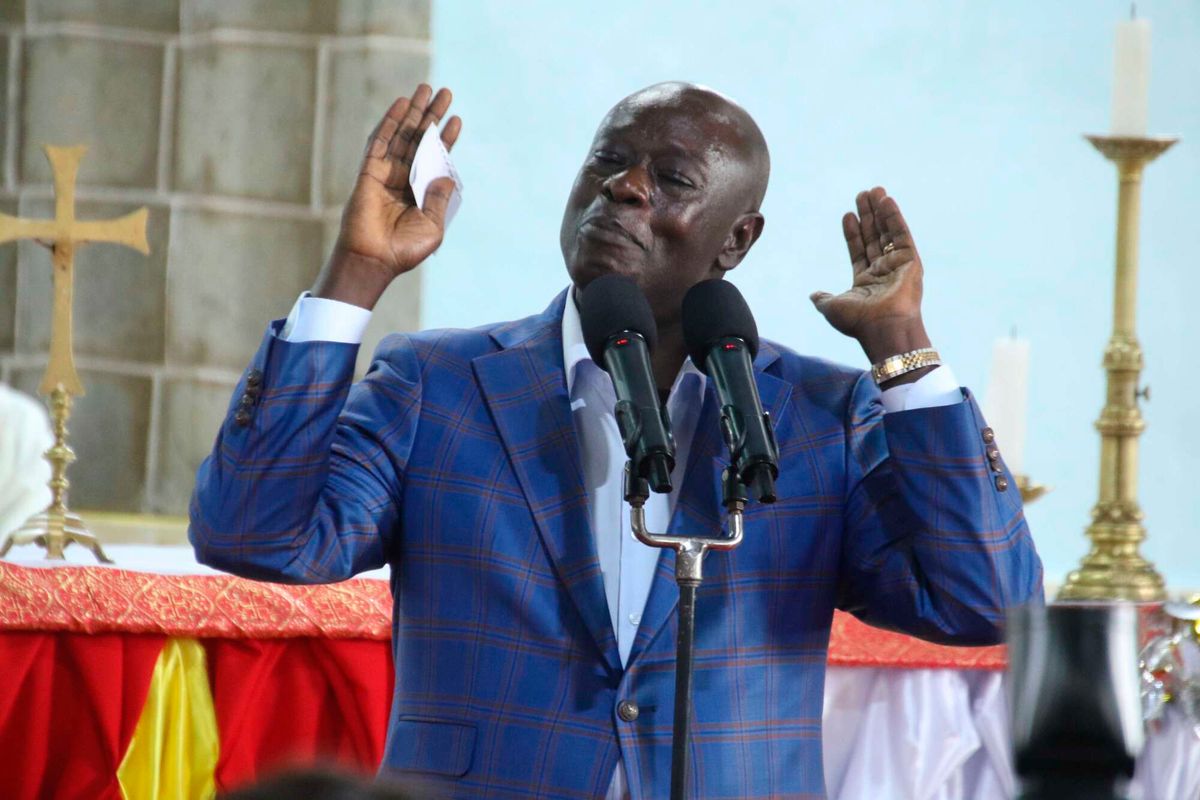 GACHAGUA PROPOSES 'THE HYENA COALITION '
-
 MP KAGUCHIA PLEADS NOT GUILTY TO INCITEMENT CHARGE
-
 DIAMOND, ZUCHU WELCOME BABY GIRL
-
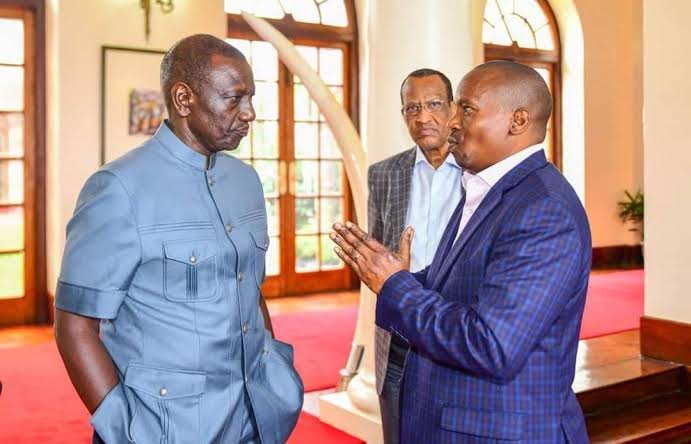 KINDIKI IN TROUBLE ?
-
 KANG'ATA JOINS GACHAGUA'S DCP
MATATU STRIKE PAUSED FOR TALKS
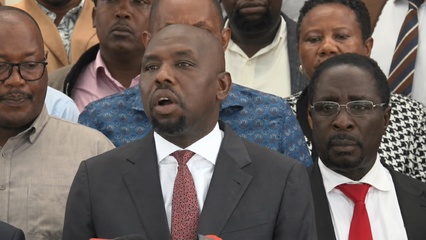
Matatu operators have suspended their nationwide strike for one week following negotiations with the government, temporarily easing a transport crisis that had paralysed movement across Nairobi and other major towns.
The suspension came after days of protests and industrial action triggered by soaring fuel prices, which left thousands of commuters stranded, businesses disrupted and schools affected in several regions.
Interior Cabinet Secretary Kipchumba Murkomen said the government and transport stakeholders had agreed to open high-level consultations aimed at resolving the standoff.
“There was need for negotiations with the stakeholders at a high level and they will take place within the next one week,” Murkomen said.
“The strike to be suspended for one week to provide an avenue for consultations,” he added.
The strike had entered its second day on Tuesday, with key roads in Nairobi remaining largely deserted as matatus, buses and boda bodas stayed off the roads. Many Kenyans were forced to walk long distances to work, school and hospitals, while some businesses shut down amid the disruption.
According to authorities, at least four people were killed, dozens injured and more than 700 arrested during protests linked to the strike. Police maintained a heavy presence in parts of Nairobi and other towns as demonstrations continued.
Transport sector leaders welcomed the decision to temporarily call off the strike, although they faulted the government for delaying engagement.
Federation of Public Transport Sector CEO Kushian Muchiri said discussions had finally begun after days of tension.
“As much as we would have been happy, we are also glad that at least negotiations have started in earnest,” Muchiri said.
“Had we been taken seriously on Friday we would not be here. On behalf of the transport sector, mine is to urge all our members to resume operations immediately so that we can assist our customers.”
He expressed optimism that the talks would yield results within the agreed seven-day period.
“We want to assure our members that within the next seven days we shall have done the best of negotiations,” he said.
Federation chairman Edwin Mukabane also warned that operators could resume the strike if the negotiations fail to produce meaningful outcomes.
“We have had a breakthrough not because we are satisfied, but we want to give negotiations a chance,” Mukabane said.
“If this is not taken seriously within the seven days, the strike will be back on.”
The protests erupted after the latest review by the Energy and Petroleum Regulatory Authority sharply increased fuel prices, with diesel recording one of the steepest hikes in recent years.
The government later announced a Sh10 reduction in the price of diesel following consultations with transport stakeholders, although operators argued the move was insufficient.
Energy CS Opiyo Wandayi said the government would continue engaging stakeholders and remain sensitive to the struggles facing consumers.
Deputy President Kithure Kindiki defended the government’s decision to retain part of the fuel levy, arguing that the funds remain necessary for infrastructure development and essential public services.
“The remaining portion of tax is essential for the construction of our road infrastructure and the maintenance of the roads to support the economy,” Kindiki said.
“The right balances must be maintained to ensure that as we sort out the fuel price issue, we do not disrupt the funding for other equally important sectors like education and social services,” he added.
The government has attributed the rising fuel costs to disruptions in the global oil market linked to tensions in the Middle East and the blockage of the Strait of Hormuz, a critical global oil supply route.
However, former Deputy President Rigathi Gachagua dismissed the one-week suspension as insufficient, insisting the country had reached a “breaking point” due to the high cost of living.
“Kenyans are saying they have reached an elastic limit and a breaking point. The one-week strike suspension is just a decoy. There will be no negotiations. I urge the transport sector and Kenyans to continue agitation until there is justice,” Gachagua said.
He accused the government of failing to address the economic burden facing businesses and ordinary Kenyans.
“It is no longer sustainable to run businesses in Kenya. Business people should not be used by cartels to make abnormal profits,” he added.
Gachagua also criticised President William Ruto, accusing the administration of ignoring public frustration over the rising cost of fuel and living expenses.
“Instead of William Ruto sitting in the office to work, he is hopping from one flight to the next, attending international conferences that can be attended by directors in ministries. William Ruto and his government, please swallow your pride and listen to the people of Kenya,” he said.
The former deputy president further questioned the government-to-government fuel import arrangement, alleging that excessive profits and taxation were inflating fuel prices. He proposed reducing VAT and cutting fuel levies to ease the burden on consumers.
Despite the temporary suspension of the strike, uncertainty remains over whether the upcoming negotiations will deliver a lasting solution to the fuel price dispute.
For now, matatus have gradually resumed operations in Nairobi, Mombasa and other towns, offering relief to commuters after two days of transport paralysis that exposed the growing frustration over Kenya’s rising cost of living.

Comments (0)
No comments yet. Be the first to comment!